
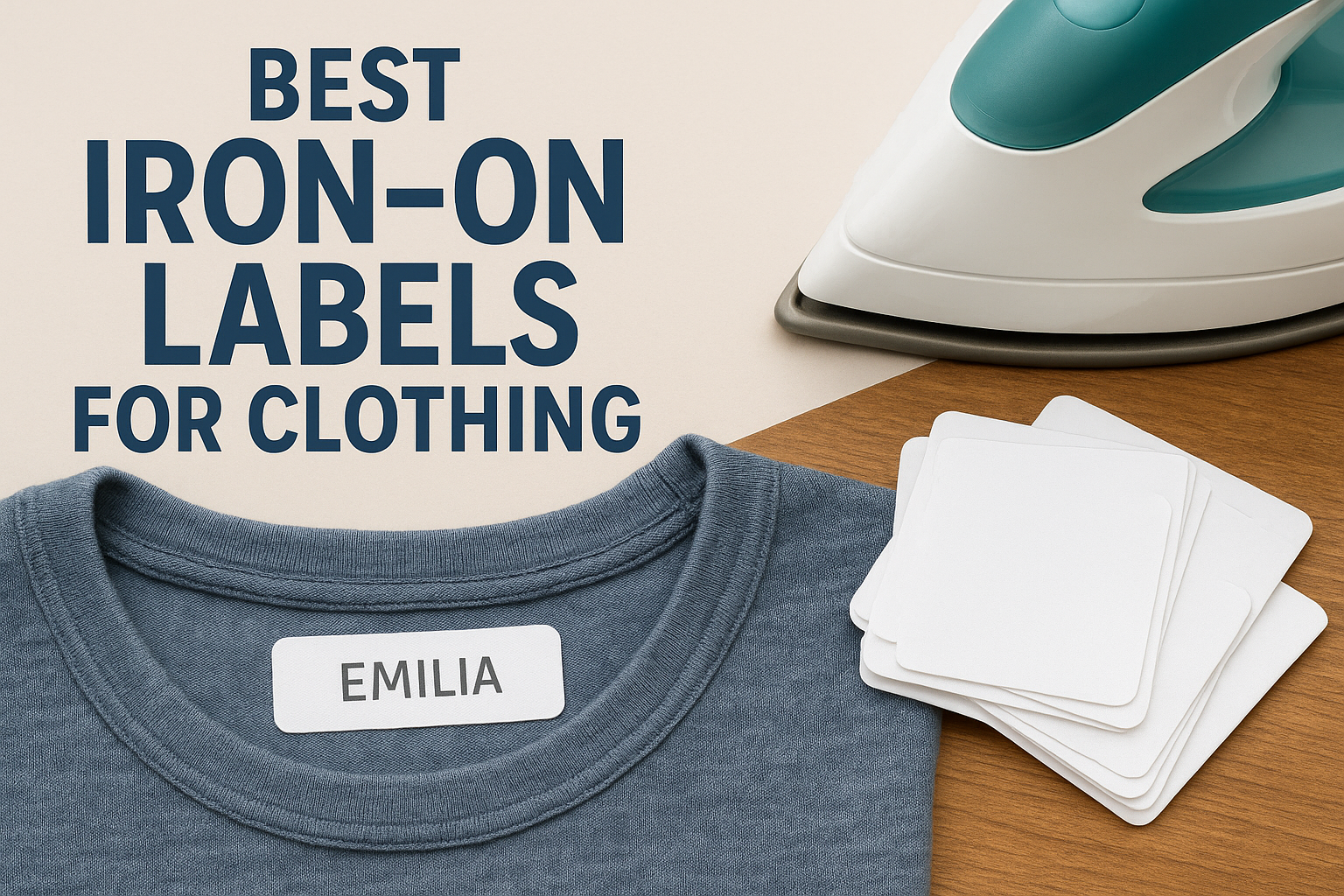

If you’ve ever wrestled with a lost sock or a shirt that mysteriously migrated from your closet to your child’s friend’s house, you know how crucial it is to label your clothing. Enter iron-on labels for clothing, a simple, effective solution to keep your garments organized and identifiable. Not only do these labels help in maintaining order, but they also add a touch of personalization to your wardrobe. In this guide, we’ll explore the best iron-on labels available, their features, and why they might be the perfect fit for you.
1. What Are Iron-On Labels?
Iron-on labels are a popular method for marking clothing with names or care instructions. As the name suggests, these labels are applied using a household iron, making them a convenient choice for busy parents, crafters, or anyone looking to keep their garments organized. They come in various materials, colors, and sizes, allowing for customization according to your needs.
Typically made from fabric or durable polyester, these labels can withstand multiple washes and are designed to stick securely to your clothing. Their affordability and ease of use make them an attractive option for anyone looking to personalize or identify their garments. From school uniforms to sports gear, iron-on labels serve a multitude of purposes.
2. Factors to Consider When Choosing Iron-On Labels
When it comes to selecting the right iron-on labels for clothing, several factors should guide your decision. First, consider the material. Labels made from high-quality cotton or polyester tend to have better durability and are more resistant to wear and tear. Look for labels that can withstand repeated washing and drying without peeling off.
Next, think about the size and design. Depending on where you intend to place them (inside collars, on cuffs, or even on the back of jackets), the dimensions may vary. Customization options are also essential; many brands allow you to choose colors, fonts, and even graphics to match your child’s personality or your own style. Lastly, check the application instructions. Some labels come pre-cut and ready to use, while others may need to be trimmed or require specific temperature settings for ironing.
3. Popular Brands of Iron-On Labels
There are several brands that stand out when it comes to iron-on labels for clothing. Here’s a closer look at some of the most popular options available:
- Label Land: Known for its high-quality cotton labels, Label Land offers a range of customizable options, including colors and fonts. Their labels are soft to the touch and designed to match various fabric types.
- Stuck On You: This brand specializes in personalized labels, making it easy to add names and designs. Their iron-on labels are extra durable and designed to withstand countless washes.
- Iron On Labels for Kids: Targeted specifically at parents, this brand focuses on labels that are child-friendly and come in fun designs. Their labels are particularly popular for school uniforms.
- All Labels: Offering a wide array of custom iron-on options, All Labels is known for its durability and resistance to fading. Their online platform makes it easy to create personalized labels that stand out.
4. How to Apply Iron-On Labels
Applying iron-on labels is a straightforward process, but getting it right the first time can save you from a lot of hassle. Start by preheating your iron to the appropriate temperature (usually a medium setting for most fabrics). It’s also important to ensure the garment is clean and wrinkle-free for optimal adhesion. (See: lead in clothing prevention guidelines.)
Here’s a simple step-by-step process:
- Position the label on the clothing item in your desired location.
- Cover the label with a thin cloth or parchment paper to protect both the label and the iron.
- Press the iron down firmly for about 15-30 seconds, applying even pressure without moving the iron.
- Allow the label to cool completely before handling the garment to ensure maximum adhesion.
- Finally, check the edges of the label to ensure no lifting has occurred. If you notice any peeling, simply reapply the iron as needed.
With a little practice, you’ll become a pro at applying these labels, ensuring your clothing remains marked and organized.
5. Care Tips for Iron-On Labels
Once you’ve applied iron-on labels to your clothing, taking care of them is essential to maintain their quality. To prolong the life of your labels, always wash garments in cold water and avoid using bleach, which can weaken the adhesive. It’s also recommended to turn the items inside out before washing to minimize wear and tear on the label surface.
When it comes to drying, air-drying is always best. If you must use a dryer, opt for a low heat setting to prevent the labels from unraveling. Finally, avoid ironing directly on top of the labels as this can cause them to melt or peel off. If you need to press the garment, use a cloth barrier to protect the label.
6. Where to Buy Iron-On Labels
Finding the right place to purchase iron-on labels for clothing is key. Online platforms like Amazon and Etsy offer a plethora of options, allowing you to browse various designs, materials, and sizes. Specialty stores for crafting supplies may also carry a selection of labels, especially during back-to-school sales.
Additionally, many of the aforementioned brands have their own dedicated websites, making it easy to order customized labels directly from the source. If you prefer to shop locally, check out fabric stores, or even supermarkets that often carry basic labeling products. No matter where you choose to buy, make sure to read reviews to ensure you’re getting the best product for your needs.
7. The Future of Clothing Labels
As sustainability continues to be a significant concern, many brands are shifting towards environmentally-friendly materials for iron-on labels. This move towards sustainable options is not only good for the planet but also appeals to a growing base of eco-conscious consumers. Expect to see more brands introducing biodegradable or recycled fabric labels in the coming years.
Additionally, with advancements in technology, we may see smart labels integrated into clothing that can provide not just identification but also information about care and maintenance through QR codes or smartphone apps. This evolution could drastically change how we think about clothing labeling, making it easier and more efficient. (See: definition and types of labels.)
8. Creative Uses for Iron-On Labels
While iron-on labels are primarily used for clothing, their utility extends far beyond just apparel. Here are some creative ways to incorporate these labels into your life:
- School Supplies: Use iron-on labels on backpacks, lunch boxes, and even pencil cases to ensure everything comes back home at the end of the school day.
- Home Textiles: Label your towels, bed linens, and blankets to avoid mix-ups in shared living spaces or during laundry days.
- Craft Projects: Personalize fabric crafts like quilts, bags, or DIY gifts with custom iron-on labels to add a unique touch.
- Sports Gear: Label jerseys, gym bags, and equipment to prevent loss during practices or competitions.
9. Cost Comparison of Iron-On Labels
When shopping for iron-on labels, it’s essential to consider the price, especially if you plan to use them frequently. Prices can vary widely based on the brand, customization options, and bulk purchases. On average, you might expect to pay: top clothing labels offers useful background here.
- Basic labels: $10-$15 for a pack of 30.
- Customizable labels: $15-$25 for 20-25 labels with personalized text and designs.
- High-end or specialty labels: $25-$50 for premium options with unique features like waterproofing or additional durability.
Buying in bulk can often lead to significant savings, particularly for families with multiple children or for crafters who frequently label items.
10. FAQ About Iron-On Labels for Clothing
What materials are iron-on labels made from?
Iron-on labels are typically made from cotton, polyester, or a blend of both. Cotton labels are often softer, while polyester is more durable and resistant to fading.
Can I use iron-on labels on all types of fabric?
Most iron-on labels work well with cotton, polyester, and blend fabrics. However, avoid using them on heat-sensitive materials like nylon or delicate fabrics that may melt under the iron’s heat.
How long do iron-on labels last?
With proper care and application, iron-on labels can last for several years. Washing in cold water and avoiding bleach will help prolong their lifespan.
Are there any special tools needed for application?
Generally, no special tools are required. A household iron, a thin cloth to protect the label, and a pair of scissors (if you need to trim the label) are all you need. (See: importance of labeling clothes.)
Can I remove iron-on labels if I need to?
While it’s challenging to remove iron-on labels without damaging the fabric, it can be done. Carefully use a heat source to loosen the adhesive and then gently peel away the label. You may need to use a fabric adhesive remover to get rid of any leftover residue.
Are iron-on labels safe for children’s clothing?
Yes, iron-on labels are generally considered safe for children’s clothing. However, ensure that they are applied correctly and that the adhesive is non-toxic. Always check the manufacturer’s specifications for safety information.
Can I print my own iron-on labels at home?
Absolutely! There are printable iron-on label sheets available that you can use with your inkjet printer. Just design your label on your computer, print it out, and apply it using your iron. This option allows for unlimited creativity and personalization.
What happens if I apply the iron-on label incorrectly?
If the label is not applied correctly, it may peel off or not stick at all. If this happens, carefully reheat the area and try to reapply the label following the proper steps. Make sure to check the settings on your iron and adjust as necessary.
In summary, iron-on labels for clothing are not just a practical solution for organization; they’re a way to inject a bit of personality into your wardrobe. By understanding the different options available, how to apply them correctly, and how to care for them, you can take full advantage of this handy tool. Whether you’re labeling your child’s school uniform or personalizing your own wardrobe, iron-on labels are an excellent choice that combines function with style. They can simplify your life, reduce clothing losses, and bring a creative flair to everyday items.
Trending Now
- read the full story
- this guide on 2026 – 2027 best school districts and 2026 – 2027 best elementary schools in north dakota
- this guide on 2026 – 2027 best school districts and 2026 – 2027 best colleges and universities in illinois
- our breakdown of 2026 – 2027 best school districts and 2026 – 2027 best colleges and universities in north carolina
Frequently Asked Questions
What are the best iron-on labels for clothing?
The best iron-on labels for clothing are those made from durable materials like cotton or polyester, which can withstand multiple washes. Look for customizable options that allow you to choose colors, fonts, and sizes to suit your needs. Popular brands often offer a variety of designs and are user-friendly for easy application.
How do you apply iron-on labels?
To apply iron-on labels, first preheat your iron to the recommended setting for your fabric type. Place the label on the desired area of the clothing, cover it with a thin cloth, and press the iron firmly for about 10-15 seconds. Allow it to cool completely before checking if it has adhered properly.
Can iron-on labels be washed?
Yes, iron-on labels are designed to withstand washing. However, it's essential to follow the care instructions provided by the manufacturer. Most high-quality labels can endure multiple washes without peeling or fading, making them a practical choice for labeling clothing.
Are iron-on labels safe for children's clothing?
Yes, iron-on labels are generally safe for children's clothing. They are made from fabric or polyester materials that are non-toxic and designed to adhere securely during washing. Always check the product specifications to ensure they meet safety standards for children's apparel.
Where should you place iron-on labels on clothing?
Iron-on labels can be placed in various locations on clothing, depending on your preference. Common spots include inside collars, on cuffs, or on the back of jackets. Consider the visibility and size of the label when choosing the placement to ensure it remains discreet yet effective.
Have you experienced this yourself? We'd love to hear your story in the comments.






