

“`html
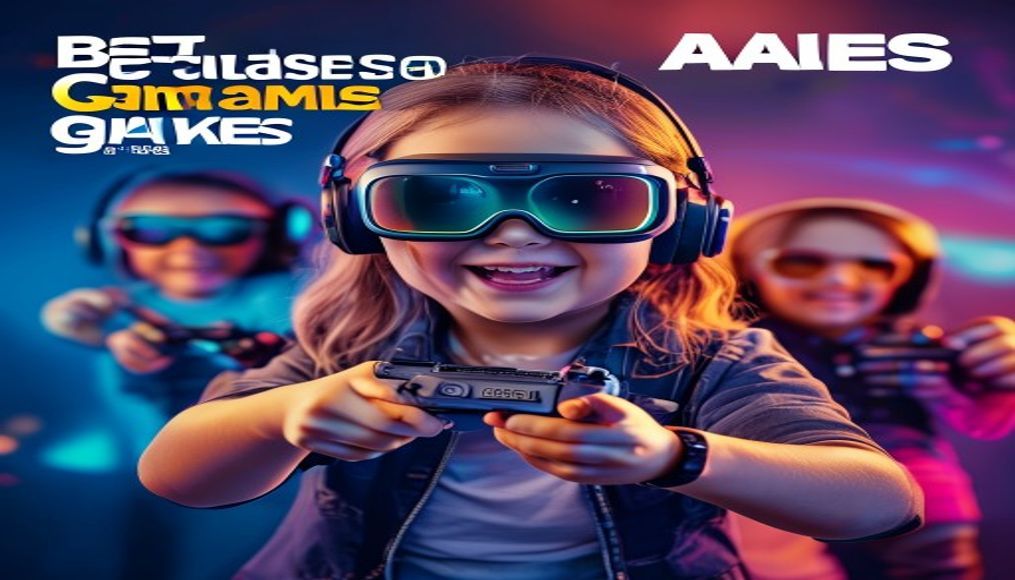
Virtual reality has taken the gaming world by storm, providing immersive experiences that captivate players of all ages. With the Oculus Quest series at the forefront of this technology, parents are finding themselves curious about the best Oculus games for kids. The right games can not only entertain but also educate and inspire young minds. Here, we dive into the top seven Oculus games tailored for children, balancing fun and learning.
1. Beat Saber: A Rhythm Game for All Ages
One of the most popular titles on the Oculus platform, Beat Saber combines music and exercise in a way that appeals to both kids and parents. In this rhythm game, players slash blocks representing musical beats with lightsabers, effectively creating a fun workout. It features various music genres, allowing children to engage with everything from pop to classics.
What makes Beat Saber suitable for kids is its accessibility. While there are challenging levels for more experienced players, the game offers easier modes that make it enjoyable for children. Plus, the colorful graphics and upbeat music keep the energy high, making it an excellent pick for family gaming sessions.
2. Job Simulator: Learning Through Play
Job Simulator provides a humorous take on various professions in a world where robots have taken over all jobs. Players can choose from four different job scenarios—Office Worker, Gourmet Chef, Convenience Store Clerk, and Auto Mechanic. This game allows for exploration and creativity, as kids can interact with a multitude of objects in their virtual workspace.
The beauty of Job Simulator lies in its educational value. As children navigate through tasks, they learn about job roles and responsibilities while engaging in silly antics. The game encourages problem-solving and creativity, making it a fantastic educational tool wrapped in fun.
3. Rec Room: A Social Playground
In a digital age where social interaction is vital, Rec Room serves as an incredible platform for kids to connect. This multiplayer social game allows players to create their avatars, join rooms, and participate in various mini-games. From paintball to quest challenges, the options are virtually endless.
What sets Rec Room apart is its focus on community and creativity. Kids can build their own rooms, design games, or simply hang out with friends. The game promotes teamwork and communication skills, making it a perfect choice for social kids. Parents can feel at ease knowing that the game has built-in moderation features to keep interactions safe.
4. Eleven: Table Tennis: A Virtual Sports Experience
For young sports enthusiasts, Eleven: Table Tennis offers a realistic simulation of the classic game. This title stands out with its precise physics and immersive gameplay. Players can challenge themselves in single-player mode against AI or compete against friends in multiplayer matches.
This game is not only entertaining but also helps improve hand-eye coordination and reaction times. By engaging with Eleven: Table Tennis, kids can enjoy a virtual sports experience that mirrors real-life table tennis. The game’s user-friendly controls make it accessible, ensuring a fun time for players of all skill levels. (See: CDC on technology and youth.)
5. Crew Dragon: Mission to Space: A Journey Beyond the Stars
Crew Dragon: Mission to Space takes players on an educational journey through space exploration. This immersive experience allows kids to join a mission aboard the Crew Dragon spacecraft, where they can learn about life in space, science, and technology. The graphics are stunning, which adds to the overall appeal.
This game is especially relevant in today’s age, where interest in space travel and exploration is at an all-time high. Children can experience what it’s like to be an astronaut, boosting their interest in STEM fields. With a focus on teamwork and problem-solving, Crew Dragon is an excellent addition to the best Oculus games for kids. There’s a fuller look at fun educational games.
6. Earth Quest: An Interactive Learning Adventure
If you’re looking for a game that combines education with adventure, Earth Quest is a must-try. This interactive game immerses players in various ecosystems around the globe, allowing them to explore wildlife, climates, and the environment. Through engaging quests and challenges, kids learn about biodiversity, conservation, and global geography.
Earth Quest promotes curiosity and environmental awareness, encouraging children to become stewards of the planet. Its vibrant visuals and interactive gameplay make learning fun and memorable. It’s a perfect way for parents to introduce their kids to important topics while still allowing them to have a great time.
7. Angry Birds VR: Isle of Pigs: Classic Fun in VR
Who doesn’t love Angry Birds? The classic game has made its way into the virtual reality space with Angry Birds VR: Isle of Pigs. In this game, players use slingshots to launch birds at structures housing the pesky pigs. With both single-player and multiplayer modes, it’s a fantastic game for kids to engage in problem-solving and physics-based challenges.
The immersive VR environment adds a new layer of excitement to the traditional gameplay. The colorful graphics and familiar characters make it appealing to children who are already fans of the franchise. Plus, it’s a great way to introduce young gamers to strategic thinking and planning as they figure out the best angles to hit their targets.
The Benefits of VR Gaming for Kids
Virtual reality offers several benefits that can positively impact a child’s development. First, it can enhance motor skills. Many VR games require physical movement, which improves coordination and balance. For instance, playing Beat Saber not only gets kids moving but also helps them develop rhythm and timing. This kind of physical engagement often translates into better motor skills in real-life scenarios.
Additionally, VR can foster creativity. Games like Rec Room enable kids to create their own environments and games, promoting imaginative play. When children are given the tools to express themselves creatively, they often develop stronger problem-solving skills and learn to think outside the box.
Social skills also see a boost through VR gaming. Multiplayer platforms like Rec Room allow kids to interact with others, share experiences, and collaborate on projects. Engaging with peers in a virtual space can help shy children come out of their shells and build confidence in social situations.
Parental Considerations: Safety and Screen Time
While VR gaming can be incredibly beneficial, it’s essential for parents to monitor their children’s gaming habits. Setting time limits can help ensure that kids don’t spend excessive amounts of time in the virtual world. The American Academy of Pediatrics suggests consistent limits on screen time to promote a healthy balance of activities. (See: AP News on gaming trends.)
Additionally, parents should familiarize themselves with the safety features of VR games. Many Oculus games, including those mentioned in this article, come with settings that allow for content moderation and friend requests management. Keeping an open dialogue about online safety and the importance of privacy helps kids understand the digital landscape.
Encouraging breaks during gaming sessions is also crucial. Regular breaks can prevent eye strain and fatigue, helping kids enjoy their VR experiences without negative side effects. A good rule of thumb is to take a 10 to 15-minute break every hour of gameplay.
Statistics on VR Gaming Among Children
The popularity of VR gaming among kids is on the rise. According to recent research, about 30% of children aged 8-12 have access to VR headsets at home. This number continues to grow as technology becomes more affordable and accessible. Furthermore, studies show that children who engage in immersive learning experiences, like VR, retain information better than those who learn through traditional methods.
In a survey conducted by the Entertainment Software Association, 60% of parents reported that they believe video games can be educational. As more educational VR games are developed, it’s likely that this perception will increase. The demand for games that combine entertainment with learning is stronger than ever, demonstrating that parents are searching for quality content that benefits their children.
Frequently Asked Questions (FAQ)
What age is appropriate for kids to start playing Oculus games?
The Oculus platform recommends that users be at least 13 years old due to safety and privacy concerns. However, many games are suitable for younger children, especially those with parental supervision. Always check game ratings and reviews to ensure they align with your child’s maturity level. (Getcosmiq's engaging options)
Are there parental controls available for Oculus games?
Yes! Oculus provides various parental controls that allow parents to manage their children’s gaming experiences. You can set limits on playtime, restrict access to certain games, and monitor interactions within multiplayer environments.
Can VR gaming be detrimental to my child’s health?
While VR gaming offers many benefits, excessive use can lead to issues such as eye strain, motion sickness, and fatigue. It’s important to monitor your child’s gaming time and encourage regular breaks to maintain a healthy balance.
How can I ensure my child is safe while playing online?
To ensure safety, familiarize yourself with the game’s features and settings. Encourage your child to use a pseudonym instead of their real name and to only interact with friends they know in real life. Discuss the importance of online safety and respectful behavior in gaming communities. (See: New York Times on Oculus for kids.)
What Are the Best Practices for Introducing Kids to VR?
Introducing your child to virtual reality can be exciting yet daunting. Start by selecting age-appropriate games that emphasize fun and learning. Make sure they’re familiar with VR headset safety protocols, such as ensuring their play area is clear of obstacles to avoid accidents. You might want to begin with shorter play sessions to gauge their comfort and reaction to the technology.
Additionally, consider participating in co-op games where you can join your child in the virtual experience. This not only fosters a sense of security but also allows you to monitor their reactions and engagement. Encourage discussions about their experiences afterward, as this can enhance their understanding of the games and themes involved.
Exploring Future Trends in Children’s VR Games
The landscape of VR gaming is evolving rapidly, particularly for children. Future Oculus titles are likely to incorporate advanced AI to create more personalized gameplay experiences. Imagine games that adapt to a child’s learning pace or interests, offering a tailor-made adventure every time they log in.
As VR technology becomes more integrated into education, we may see a rise in games that focus on critical thinking and collaboration skills. For instance, multiplayer games could simulate real-world scenarios that encourage teamwork, like building a virtual city or solving mysteries together. These developments will not only enhance entertainment value but also reinforce essential life skills.
Conclusion: A Wealth of Options for Kids
As virtual reality technology continues to evolve, the array of games available for kids expands as well. The best Oculus games for kids not only provide entertainment but also encourage learning, creativity, and social interaction. From rhythm games like Beat Saber to educational adventures like Earth Quest, these titles offer something for every child.
When selecting games for kids, it’s essential for parents to consider age-appropriateness, educational value, and safety features. With thoughtful choices, VR can become a valuable tool in both entertainment and education, enhancing the gaming experience for children and making technology a positive part of their lives.
“`
Trending Now
Frequently Asked Questions
What are the best Oculus games for kids?
Some of the best Oculus games for kids include Beat Saber, Job Simulator, and Rec Room. These games offer a mix of fun, education, and social interaction, making them suitable for younger players while promoting creativity and problem-solving skills.
Is Beat Saber appropriate for children?
Yes, Beat Saber is appropriate for children. It combines music and exercise in a fun, engaging way, with various difficulty levels that cater to both beginners and experienced players. Its colorful graphics and upbeat music make it an enjoyable experience for kids.
What educational benefits does Job Simulator provide?
Job Simulator offers educational benefits by introducing kids to various job roles and responsibilities in a playful manner. As they engage in different professions, children can enhance their problem-solving skills and creativity while enjoying humorous interactions in a virtual workspace.
Can kids play Rec Room safely?
Yes, kids can play Rec Room safely, as it provides a social platform for them to interact with others in a controlled environment. However, parental guidance is recommended to ensure a positive and safe gaming experience, as it involves interaction with other players.
Are there multiplayer Oculus games suitable for children?
Yes, there are several multiplayer Oculus games suitable for children, including Rec Room. This game allows kids to socialize and collaborate with others in various activities, making it a great option for family gaming or playing with friends.
What did we miss? Let us know in the comments and join the conversation.






