Pedagogue Blog

Want Better Summer School? Less Testing, More Student Choice

As summer approaches, educators and parents are faced with the challenge of providing an effective learning experience for students who attend summer school. Traditional summer schools often prioritize testing and rigid curriculum over student choice and creativity. Here, we explore how incorporating more student choice and reducing the focus on testing can lead to a more successful summer school program.

The Problem with Traditional Summer School

Traditional summer school programs tend to focus on helping students catch up on the academic content they missed during the regular school year. Consequently, these programs often prioritize standardized testing as a measure of student progress. While testing can be a useful tool for assessing learning gaps, an excessive emphasis on test prep may not allow students to fully engage with or explore topics that genuinely interest them.

Moreover, the test-centric nature of traditional summer school programs can lead to increased stress among students and reinforce negative school experiences. Ultimately, this may contribute to a disinterest in academic pursuits and a lack of motivation among struggling learners.

The Power of Student Choice

Empowering students by giving them more choice in their educational experiences is key to fostering effective learning environments. By offering multiple topics, schools allow children to explore their interests while building key skills in critical thinking, creativity, and collaboration.

Research shows that when students are given choice and autonomy, they exhibit higher levels of motivation, engagement, and persistence in their learning. Additionally, student choices do not need to be limited solely to elective classes- it is possible to implement student-centered decision making within core subjects by offering various approaches or project-based learning.

More Engaging Summer School Options

One way to facilitate student choice in summer school is through the implementation of “flexible pathways,” which allow learners to choose different activities or projects that align with their interests while still ensuring academic growth. These pathways may include project-based learning experiences, self-directed online courses, or participation in collaborative team challenges.

Furthermore, schools can offer engaging summer school options by involving students in the planning process. In this regard, administrators and teachers can seek input from students to identify topics and activities that resonate with them. This approach not only empowers learners but also makes them feel more invested in their summer school experience.

Reducing the Focus on Testing

While testing remains an essential component of measuring student academic progress, it should never overshadow the need for engaging and meaningful learning experiences. As such, to create better summer school environments, educators should downplay the role of testing and prioritize student choice.

This can be achieved by assessing students through a variety of methods that move beyond multiple-choice exams. Instead, educators could incorporate individual portfolios of work samples or performance-based assessments. Such alternatives better reflect a student’s growth in various areas without undermining their confidence or motivation.

In conclusion, creating better summer school experiences requires reframing our approach to teaching and learning during these crucial months. By prioritizing student choice and reducing the focus on testing, we can create memorable, impactful learning environments where students feel motivated to explore new subject matter and develop their skills—ultimately setting them up for future academic success.

Teachers Are Sharing Their #MyFirstClassroom Pics and We Can’t Get Enough

In recent weeks, social media has become a treasure trove of nostalgia and reminiscing, as teachers from around the world have started sharing their first classroom photographs under the hashtag #MyFirstClassroom. This trend showcases the beginning of their teaching careers and offers a heartwarming glimpse into the passion and dedication they bring to their profession.

From empty classrooms awaiting their students’ arrival to veteran teachers sharing side-by-side comparisons of their first and current classrooms, the trend reflects a diverse range of experiences. Each snapshot carries a unique story, and together they build a visual narrative of teaching journeys that inspire both educators and students alike.

Many teachers have used this opportunity to express gratitude for the incredible transformations they’ve seen in their profession throughout the years. Some recount how they started with minimal resources and simple blackboards, now replaced by smartboards and digital devices that enhance learning experiences. Amidst this change, however, one element remains steadfast—the passion that drives teachers to empower future generations through education.

For some educators, these photos serve as a reminder of how far they’ve come in mastering classroom organization and aesthetics. From boldly colored walls to meticulously placed bulletin boards, these images inspire creativity and demonstrate endless possibilities for designing spaces that foster engagement and curiosity.

The photos have also caught the attention of several prominent figures within the education community. Many school administrators and influencers have joined in on the conversation, sharing their appreciation for the hard work, resilience, and love infused into each one of these classrooms.

In addition to receiving praise from colleagues and educational leaders, #MyFirstClassroom has also attracted positive feedback from parents and students. The images reaffirm the important role that teachers play in children’s lives—shaping not just academic growth but also inspiring aspirations to reach great heights.

In a time when educational institutions face continuous challenges due to global events such as the COVID-19 pandemic, #MyFirstClassroom provides an uplifting look at the education sector’s progress, resilience, and determination to make a difference in countless students’ lives.

As we continue to scroll through these captivating images and inspiring stories, we’re reminded that behind every classroom lies a journey marked by passion, dedication, and commitment to nurturing the next generation of thinkers, innovators, and leaders. The #MyFirstClassroom trend showcases the unwavering spirit of teachers who have chosen to be change-makers in an ever-evolving educational landscape. And honestly, we can’t get enough of it!

How Children Succeed

Introduction

The subject of how children succeed has generated considerable debate among parents, educators, and researchers alike. As we navigate the ever-changing landscape of child development, it is essential to understand the key factors that influence a child’s ability to succeed in academics, sports, and social settings. This article highlights these crucial aspects and offers practical strategies for parents and educators to nurture every child’s potential.

1. Emotional Intelligence

Gone are the days when success was solely measured by IQ scores. Emotional intelligence (EQ) has emerged as an equally important predictor of a child’s success. An emotionally intelligent child can communicate effectively, forge strong relationships, and empathize with others. Parents and educators can foster EQ in children by encouraging open discussions about feelings, teaching them to understand emotions in themselves and others, and cultivating empathy through activities like volunteering.

2. Growth Mindset

A growth mindset refers to the belief that one’s abilities can be improved with effort and persistence. Children who possess a growth mindset approach challenges with curiosity and resilience rather than avoidance or fear of failure. To encourage such an attitude, adults can emphasize the value of learning from mistakes, reward hard work over innate talent, and foster an environment where constructive feedback is the norm.

3, Parental Involvement

Research has consistently demonstrated that active parental involvement plays a crucial role in a child’s academic success. Parents who engage with their children’s education create strong home-school connections that reinforce learning beyond classroom walls. Encouraging reading at home, checking homework regularly, attending parent-teacher conferences, and fostering a love for learning result in improved academic performance.

4. Social Skills

Possessing strong social skills is indispensable to a child’s overall success in life. By engaging with their peers through play dates or group activities from a young age, children develop communication skills, learn conflict resolution techniques, and strengthen their sense of belonging. To facilitate this process, parents and educators can make an effort to develop a nurturing environment for children that welcomes diversity, inclusivity, and collaboration.

5. Physical Health

A healthy body is the foundation of a thriving mind, playing a significant role in a child’s ability to focus and persevere. Children should receive adequate nutrition, engage in regular physical activity, and maintain a consistent sleep schedule. Parents and educators can promote healthy behaviors by incorporating nutritious meals, stimulating outdoor playtime, and establishing routines that encourage restorative sleep.

Conclusion

The journey to success encompasses a variety of factors in a child’s life. Emphasizing emotional intelligence, promoting growth mindset, ensuring parental involvement, fostering social skills, and maintaining physical health creates an environment where every child has the opportunity to thrive. By recognizing and attending to these factors, we set the stage for the next generation to become responsible, empathetic, and successful adults.

For Our Teacher Moms: Get $100 Off a Willow Breast Pump!

As a teacher, you are entrusted with the vital job of nurturing and educating the nation’s future generations. You work tirelessly to ensure your students have a bright future ahead of them. Simultaneously, you are also a mom, doing your best to balance your professional and personal commitments. This special offer is dedicated to all the teacher moms out there!

For a limited time, we’re offering an exclusive discount of $100 off on Willow Breast Pumps for teacher moms who are nursing their little ones while taking care of their students.

The Willow Breast Pump is a powerful and intuitive tool designed to make pumping breastmilk as comfortable and easy as possible. With its streamlined design, convenience features, and the ability to pump directly into specialized attachments, this innovative breast pump is changing the game for nursing moms everywhere.

Here are some key features you’ll love:

1. Cordless, Hands-Free Pumping: The Willow is designed to give you complete freedom with cordless, hands-free operation. You can continue working or multitasking without worrying about cords or setting up a dedicated space for pumping.

2. Wearable Design: The smart in-bra feature allows you to deeply conceal the pump under your clothing, giving you the ability to pump in public discreetly without drawing attention.

3. No Spill Technology: Thanks to its unique no-spill technology, the Willow Breast Pump guarantees leak-free pumping sessions even when lying down or bending over.

4. Quiet Operation: The Willow operates at an impressively low noise level compared to conventional breast pumps, ensuring discretion even if you need to pump at work or in communal spaces.

5. Smart Tracking: With the accompanying app available for iOS and Android, stay updated with your pumping progress through real-time tracking of milk volume and session history.

Don’t miss out on this incredible opportunity! To get your $100 discount on a Willow Breast Pump, simply verify your teaching credentials through the dedicated portal on our website, and you’ll receive a unique discount code to use at checkout. Show yourself and your baby some love while ensuring your students receive the education they deserve. This offer is just our way of acknowledging and appreciating the valuable work you do as a teacher mom. Hurry, the offer ends soon!

7 Steps to Make Sure Your School Master Schedule Works

Introduction

A well-organized school master schedule is the backbone of a successful educational institution. It ensures that students have access to the courses they need, teachers can effectively manage their workload, and resources are optimally allocated. The following seven steps will guide you through creating and maintaining a master schedule that works for everyone involved.

1. Establish clear goals

The first step in creating an effective master schedule is to identify the specific needs and priorities of your school. This may include factors such as academic achievement, student engagement, social and emotional learning, and resource allocation. Clearly define these objectives, as they will act as the foundation for all scheduling decisions.

2. Gather key data

To create a comprehensive master schedule, it is essential to gather relevant data about your school’s students, teachers, and resources. This information will help you make informed decisions about everything from course offerings to teacher assignments. Key data points to collect include:

– Student enrollment numbers

– Teacher qualifications and subject areas of expertise

– Class size limits

– Special programs (e.g., special education or gifted education)

– Resource availability (e.g., classrooms, sports facilities)

3. Collaborate with stakeholders

Involve all relevant stakeholders—such as administrators, teachers, support staff, and parents—in the scheduling process to ensure their perspectives are considered. Engaging with these stakeholders will help identify potential challenges or opportunities that you may not have been aware of otherwise.

4. Allocate resources

Once you have determined your school’s goals, gathered essential data, and consulted with stakeholders, it’s time to allocate resources accordingly. Be mindful of unique requirements such as special education needs or sports schedules when assigning resources such as classrooms and teaching staff.

5. Create a flexible draft schedule

Develop a draft master schedule that accommodates your school’s goals while considering the needs of students and teachers alike. During this phase, it’s crucial to remain flexible and open to adjustments, as it’s rare for a schedule to be perfect on the first attempt.

6. Evaluate and refine

Once your draft master schedule is complete, solicit feedback from stakeholders and use their input to make necessary adjustments. Gather information about what worked well and what didn’t in the previous scheduling cycle to ensure those lessons are applied to the current schedule. This process may involve multiple rounds of refinement.

7. Communicate and implement

After finalizing your master schedule, communicate it effectively with all individuals involved. Ensure that each faculty member has access to their class schedules, roles, and responsibilities before the start of the academic year. Regularly review and make any necessary adjustments throughout the year to maintain an effective master schedule.

Conclusion

Developing a successful school master schedule is an ongoing process that requires careful planning, collaboration, and flexibility. By following these seven steps, you can create a schedule that meets your school’s goals while providing a positive learning environment for students and reducing stress on teachers.

Discover the Exciting World of Free Explorer Magazine Samples

Introduction:

Get ready to embark on an adventurous journey with Free Explorer Magazine Samples. Today, we dive deep into what these enticing free samples have to offer and how they open up a world of new perspectives, fascinating stories, and invaluable insights for avid readers and explorers alike.

Benefits of Free Explorer Magazine Samples:

Free Explorer Magazine Samples come with numerous benefits. They allow you to:

1. Get a glimpse into the world of exploration: From daring expeditions to uncovering hidden cultures and treasures, these magazine samples enlighten readers about various exciting aspects of exploration.

2. Discover diverse content: Each sample may contain sections such as travelogues, interviews with renowned explorers, expert advice on navigating remote locations, or remarkable stories about conquering extreme challenges in the great outdoors.

3. Evaluate content quality: Free samples let you assess the magazine’s content quality and presentation style before committing to a subscription. This ensures you invest your time and money in a magazine that resonates with your interest in exploration.

4. Save money: Who doesn’t want to save a few bucks? With freeSamples, you can enjoy browsing through exceptional content without emptying your wallet.

5. Find the perfect gift: If you’re searching for the ideal gift for an adventure enthusiast or someone keen on exploration, these free samples can help you make an informed decision before purchasing a subscription as a present.

How to Get Your Free Explorer Magazine Samples:

Many publications offer free magazine samples through their websites or social media channels. Here’s a step-by-step guide to obtaining yours:

1. Research popular explorer magazines by exploring online reviews or recommendations from fellow adventurers.

2. Visit the publication’s website or social media pages to check if they offer free samples.

3. Some magazines might require a quick registration (with your name and email address) so they can deliver the sample directly to your inbox.

4. Wait for your free sample to arrive, and enjoy discovering its contents!

5. Finally, always remember to keep an eye out for special promotions, events, or partnerships where you might score additional free magazine samples.

Conclusion:

Free Explorer Magazine Samples serve as a gateway for passionate adventure-seekers to plunge into a thrilling world of discovery without breaking the bank. Take the first step into the realm of exploration by grabbing your free sample today and prepare yourself for a captivating and inspiring reading experience. Happy exploring!

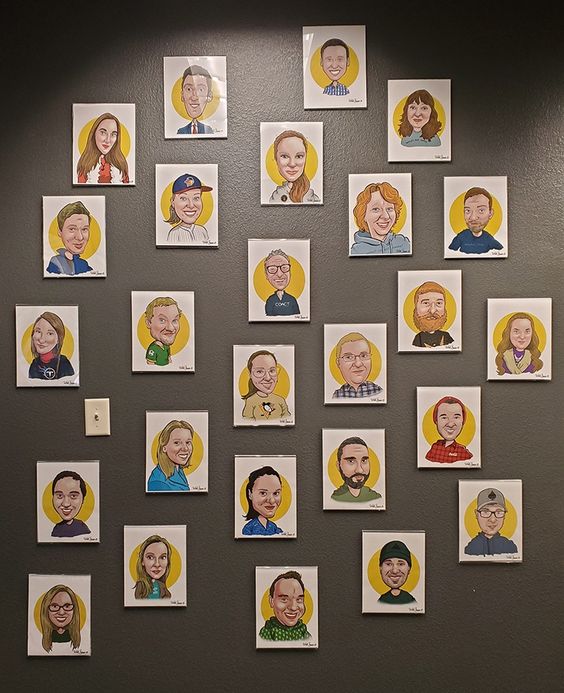
6 Ways to Build Staff Culture at the Beginning of the Year

The beginning of a new year brings with it an opportunity for organizations to kickstart their staff culture and introduce essential team-building practices. These strategies can help create a positive work environment and enhance employee bonding, leading to increased productivity and workplace satisfaction. In this article, we will discuss six effective ways to build staff culture at the beginning of the year.

1. Set Clear Goals and Objectives

Clear goals and objectives help set expectations for the year ahead. Conduct a team meeting where management shares the company’s vision, departmental goals, individual targets, and performance indicators. This clarity allows employees to understand their role in contributing to the organization’s success, fostering a sense of unity and common purpose.

2. Organize Team-Building Activities

Team-building activities are vital in fostering camaraderie among staff members. These activities can include icebreaker games or collaborative tasks that encourage teamwork, communication, and problem-solving skills. Fun outings or recreation days are also effective ways to bring employees together informally while strengthening relationships.

3. Cultivate Open Communication

Maintaining open communication within an organization is an essential aspect of developing a strong staff culture. Encourage employees to express their ideas, concerns, or suggestions through various channels such as meetings, group discussions, or an internal communication platform. Providing opportunities for feedback and ensuring that everyone feels heard will ultimately lead to better decision-making and increased trust among team members.

4. Recognize Employee Achievements

Recognizing employee achievements is crucial for boosting morale and encouraging further success. Be it through monthly or quarterly award ceremonies, verbal praise in meetings, or highlighting accomplishments via internal newsletters – taking time to appreciate employee efforts will result in increased motivation and loyalty.

5. Encourage Collaboration Across Departments

Cross-departmental collaboration fosters innovation and helps employees learn more about other areas within the organization. Encourage this interaction by setting up mutual projects, organizing interdepartmental meetings, and promoting employee participation in different initiatives. This will create a sense of unity and belonging among diverse groups of employees.

6. Nourish Personal Development

Investing in your staff’s personal development can have lasting benefits for your organization’s culture. Offering workshops, training sessions, or seminars related to skill enhancement or personal growth will demonstrate that the company cares about its employees’ well-being and professional progress. Such opportunities not only improve individual skills but also contribute to a stronger, more capable team.

In conclusion, building a strong staff culture at the beginning of the year is essential for both the organization’s success and employee satisfaction. By setting clear goals, organizing team-building activities, cultivating open communication, recognizing achievements, encouraging collaboration, and nourishing personal development, businesses can create a united and motivated workforce that thrives throughout the year.

Make Rainbow Flip Books for St. Patrick’s Day

Introduction:

Celebrate St. Patrick’s Day in a fun and creative way by making rainbow flip books! This festive and engaging activity is perfect for kids and adults alike, as it combines art, imagination, and the spirit of the holiday. In this article, we’ll guide you through the steps to create your very own rainbow flip book, just in time for St. Patrick’s Day.

Materials Needed:

1. Blank paper (white or colored)

2. Scissors

3. Stapler or binding clips

4. Colored pencils, crayons, or markers

5. Pencil or pen for tracing shapes (optional)

Step 1: Prepare Your Pages

First, decide how many pages you’d like to include in your flip book – the more pages you have, the more detailed your rainbow will be! Cut your blank paper into uniform rectangles, about 4 inches by 6 inches in size.

Step 2: Create Your Rainbow Design

On each page of your flip book, draw a portion of the rainbow using your preferred method – freehand drawing or tracing shapes with a pencil or pen. Start with just one color at the bottom corner of the first page and gradually add more colors as you progress through the pages.

For example:

– Page 1: Draw red arch

– Page 2: Draw red arch + orange arch

– Page 3: Draw red arch + orange arch + yellow arch

– Continue this pattern until all rainbow colors are included.

Step 3: Add Extra St. Patrick’s Day Touches

To make your flip book extra festive for St. Patrick’s Day, consider adding some themed elements to each page. These might include shamrocks, leprechauns, pots of gold, or even words like “luck” and “fortune.”

Step 4: Color Your Rainbow

Using your colored pencils, crayons, or markers, carefully color in your rainbow and additional St. Patrick’s Day elements on each page. Feel free to get creative with your coloring techniques and use different shades of each color if you’d like.

Step 5: Assemble Your Flip Book

Once all of your pages are complete and dry, stack them in the correct order – starting with the first page of your rainbow on the bottom. Align the edges neatly and use a stapler or binding clips along one side to hold the pages together.

Step 6: Enjoy Your Creation

Now that your rainbow flip book is assembled, you can enjoy flipping through it to see your colorful creation come to life! Share it with friends and family, or display it as part of your St. Patrick’s Day decorations.

Conclusion:

Creating a rainbow flip book for St. Patrick’s Day is a fun, creative way to celebrate the holiday and embrace its colorful spirit. These adorable books are a fantastic group activity and make lovely keepsakes to treasure for years to come.

“I Don’t Like My Students” – What to Do If You or a Colleague Is Struggling

Introduction:

Being an educator is no easy task. It requires patience, empathy, and problem-solving skills to effectively engage with students from different backgrounds and learning abilities. However, there are circumstances where a teacher might feel overwhelmed or even struggle with connecting to their students. This article will focus on what you can do if you or a colleague finds yourself in such a predicament.

1. Reflect on the reasons behind the struggle

The first step is to understand why you’re struggling with your students. Is it due to personal biases, exhaustion, or lack of resources? Reflecting on the reasons behind your difficulties can provide insight into how to improve the situation.

2. Seek feedback from colleagues and supervisors

Share your experiences with trusted colleagues or supervisors. They could provide valuable advice on how to address particular situations or strategies to build rapport with your students.

3. Engage in professional development

Enroll in professional development courses, conduct research about teaching methods, and seek out professional organizations that focus on connecting educators with tools and resources. This continuous growth can help you adapt and evolve as an educator.

4. Develop a support network

Connect with other teachers who share your struggles or have overcome similar situations. Creating this support network will not only alleviate feelings of isolation but also provide opportunities for shared learning and collaboration.

5. Embrace self-care

It’s essential to prioritize self-care during challenging times. Make time for hobbies, exercise regularly, spend time with friends and family, and consider seeking mental health support if necessary.

6. Remain open-minded and flexible

Adopting different perspectives and keeping an open mind will enable you to empathize with your students better. Aim to be patient while trying various approaches until you find what works best for every individual student.

7. If necessary, consider alternative teaching roles

If you have exhausted all options and still struggle to connect with your students, you might need to reconsider your role as a teacher. There are other opportunities in education such as administration, curriculum development or educational consulting which may be a better fit for your skills and interests.

Conclusion:

It’s normal for educators to feel challenged by their students or face difficulties connecting with them. However, it’s crucial to remain proactive in addressing these struggles. By reflecting on the reasons behind the issue, seeking help from colleagues, and engaging in professional development, teachers can continuously evolve and provide the best support possible for each student. Remember, even the best educators encounter struggles – it’s all part of growth and learning process.

9 Super PD Seminars for Science Teachers

In today’s rapidly-evolving world of science and technology, it is essential for science teachers to remain at the forefront of new advancements in their field. Attending professional development seminars is a highly effective way to gain new insights, knowledge, and teaching strategies from experts in the scientific community. Here are nine super professional development seminars specifically targeted at science teachers, aimed at enhancing your teaching skills and deepening your knowledge of various scientific disciplines.

1. The National Science Teaching Association (NSTA) Conference

The NSTA annual conference offers a wide range of workshops, presentations, and exhibits focused on the latest developments in science teaching. Engage with thousands of educators from across the country as you explore innovative teaching methods and discover new tools to bring back to your classroom.

2. STEMCON – Annual STEM Education Conference

STEMCON brings together K-12 educators, administrators, and professionals for a multi-day event highlighting innovative practices in STEM education. Attend informative workshops, interact with cutting-edge technology exhibits, and connect with colleagues who share your passion for integrating STEM into the classroom.

3. Project Lead The Way (PLTW) Summit

As a national leader in pre-K through 12th grade STEM curricula, PLTW’s annual Summit offers exceptional professional development opportunities for science teachers. Attend hands-on workshops led by industry experts focused on engaging young learners in problem-based inquiry that connects science concepts to real-world application.

4. Earth Educator’s Rendezvous

Designed specifically for earth science educators, this annual gathering provides a unique opportunity to discuss teaching strategies, share research findings, and participate in hands-on field experiences with geoscience experts.

5. American Chemical Society–ChemEd Conference

Join fellow chemical educators at this biennial conference focused on improving chemical education through interactive presentations and workshops led by chemistry professionals. Learn about cutting-edge research findings and creative new ways to incorporate chemistry into your curriculum.

6. The Physics Teacher Education Coalition (PhysTEC) Conference

The PhysTEC Conference offers physics educators the chance to explore research-based insights and strategies for improving physics teacher preparation as well as overall high-quality physics teaching. Workshops, panels, and plenary talks provide attendees with an engaging professional development experience.

7. National Marine Educators Association (NMEA) Annual Conference

For educators involved in marine science, NMEA’s annual conference offers presentations, workshops, and field trips centered on ocean literacy and education. Discover new ways to engage students in marine biology, oceanography, geology, and more.

8. Green Schools National Network Conference

For science teachers interested in sustainability and environmental education, this annual conference showcases successful green initiatives that schools can integrate educational programs. Attendees can learn from experts about best practices for incorporating conservation into the science curriculum.

9. Biennial Conference on Chemical Education (BCCE)

Hosted by the American Chemical Society’s Division of Chemical Education, BCCE aims to improve chemical education across all levels of learning. Science teachers can participate in a variety of workshops and discussions related to innovative teaching methods, curriculum development, student engagement, and much more.

By participating in these nine super professional development seminars for science teachers, you’ll expand your knowledge and enhance your teaching skills while staying updated on the latest scientific advancements and methodologies. Invest in your continued growth as an educator by attending these valuable conferences and events.

11 Ways To Rock School Gamification Practices For All Students

Introduction

With the rise of technology in education, gamification has become an increasingly popular method for teachers to engage and motivate students in the learning process. By applying game-like elements to academic activities and curricula, educators can create a more enjoyable learning experience that encourages creativity, collaboration, and critical thinking skills. Here are 11 ways to successfully implement gamification practices to benefit all students in your school:

1. Set clear learning objectives: Identify specific learning goals for each gamified activity and ensure that both students and teachers are aware of these goals.

2. Use a variety of game mechanics: Incorporate diverse game elements like points, levels, badges, leaderboards, and rewards so that all students can enjoy a customized learning experience.

3. Combine digital and physical games: To accommodate different learning styles and preferences, use both digital and physical games in classroom instruction.

4. Encourage healthy competition: Some students thrive in competitive environments while others prefer collaboration. Strive for a balance by incorporating both competitive and collaborative elements into gamified activities.

5. Foster meaningful connections between content and game: Students should recognize how the game elements relate directly to the subject matter being taught. Place an emphasis on integrating relevant educational content throughout the gameplay experience.

6. Promote inclusivity: Design games with varying difficulty levels so that learners of all abilities can participate fully in the activities.

7. Offer autonomy through personalized experience: Give students agency within the game by allowing them to choose some aspects of their journey – this might include selecting certain missions or choosing avatars that represent their persona during gameplay.

8. Offer consistent feedback: Provide regular feedback to help your students track their progress, identify areas for improvement, and motivate them to continue their learning journey.

9. Encourage collaboration: Provide opportunities for students to collaborate on projects that involve solving real-world problems or engaging with the community at large. These activities can help to strengthen social skills and foster cooperative learning.

10. Enhance your teaching methods: Use gamification as a tool to supplement traditional teaching practices, not as a replacement. Make sure that gamified activities complement the curriculum, helping to reinforce key concepts and skills.

11. Evaluate and refine your approach: Regularly assess the effectiveness of gamified practices in your school by gathering student feedback, observing engagement rates, and measuring improvement in academic performance. Use these insights to adjust your approach as necessary.

Conclusion

Gamification is a powerful tool that schools can use to create engaging and motivating learning experiences for all students. With these 11 strategies in mind, educators can successfully design and implement gamification practices that reinforce core learning objectives while fostering a sense of enjoyment and accomplishment for learners.

8 Star Wars Bulletin Boards That Are Out of This World

The Star Wars saga has captured the hearts and imaginations of millions over the years. The timeless tale of good versus evil, set in a galaxy far, far away, has inspired a legion of fans to create amazing art, crafts, and decor all over the world. Among these fan creations are extraordinary bulletin boards that pay homage to this beloved series. Here are eight Star Wars bulletin boards that are out of this world!

1. Galaxy Glow-in-the-Dark Board

Reflect the vastness of space and the aura of the Star Wars universe with a galaxy-themed glow-in-the-dark bulletin board. Use black background paper and various shades of blue, purple, and green for painting the galaxy. Stick on glow-in-the-dark stars or paint them using special glow paint for a truly out-of-this-world effect.

2. The Light Side vs The Dark Side

Divide your board into two sections, one representing the Light Side and the other representing the Dark Side. Use contrasting colors such as blue for the Light Side and red for the Dark Side. Display posters or silhouettes of characters from both sides – Jedi knights on one side and Sith lords on the other.

3. “May The Force Be With You” Motivational Board

Inspire students with a motivational bulletin board featuring popular Star Wars quotes like “Do or do not. There is no try” and “May the Force be with you.” Incorporate character images or icons as part of each quote to visually reinforce their connection to Star Wars.

4. Famous Star Wars Ships

Showcase iconic spaceships from the Star Wars universe on your bulletin board – from large starships like X-Wings and TIE Fighters to smaller vessels like Luke Skywalker’s Landspeeder or Rey’s Speeder Bike. Include detailed descriptions about their roles in the story for an educational touch.

5. Character Profile Board

Create a bulletin board featuring character profiles from the series; include portraits, quotes, and essential facts. You can focus on protagonists such as Luke Skywalker, Princess Leia, and Han Solo or explore lesser-known characters like Mon Mothma, General Grievous, and Ahsoka Tano.

6. Star Wars Timelines

Illustrate the chronology of major events in the Star Wars universe with a creative timeline-based bulletin board. Include important dates and notable details from the Skywalker Saga to standalone stories like “Rogue One: A Star Wars Story” and “Solo: A Star Wars Story.”

7. Planets of the Star Wars Galaxy

Take your students on an intergalactic tour by showcasing intriguing planets from the Star Wars galaxy. Display images and descriptions of fascinating worlds like Tatooine, Hoth, Endor, and Mustafar, detailing the unique characteristics of each planet.

8. Droids & Aliens Board

Honor the diverse beings in the Star Wars universe by creating a bulletin board highlighting some of the many alien species and droids featured in the movies. From Chewbacca’s Wookiee species to R2-D2 and C-3PO’s droid origins – this board will be sure to engage and intrigue any fan.

These eight Star Wars bulletin boards are just a few examples of how fans around the world use their creativity to celebrate their favorite franchise. Channel your inner artist and craft your very own intergalactic bulletin board today!

Latest Posts