
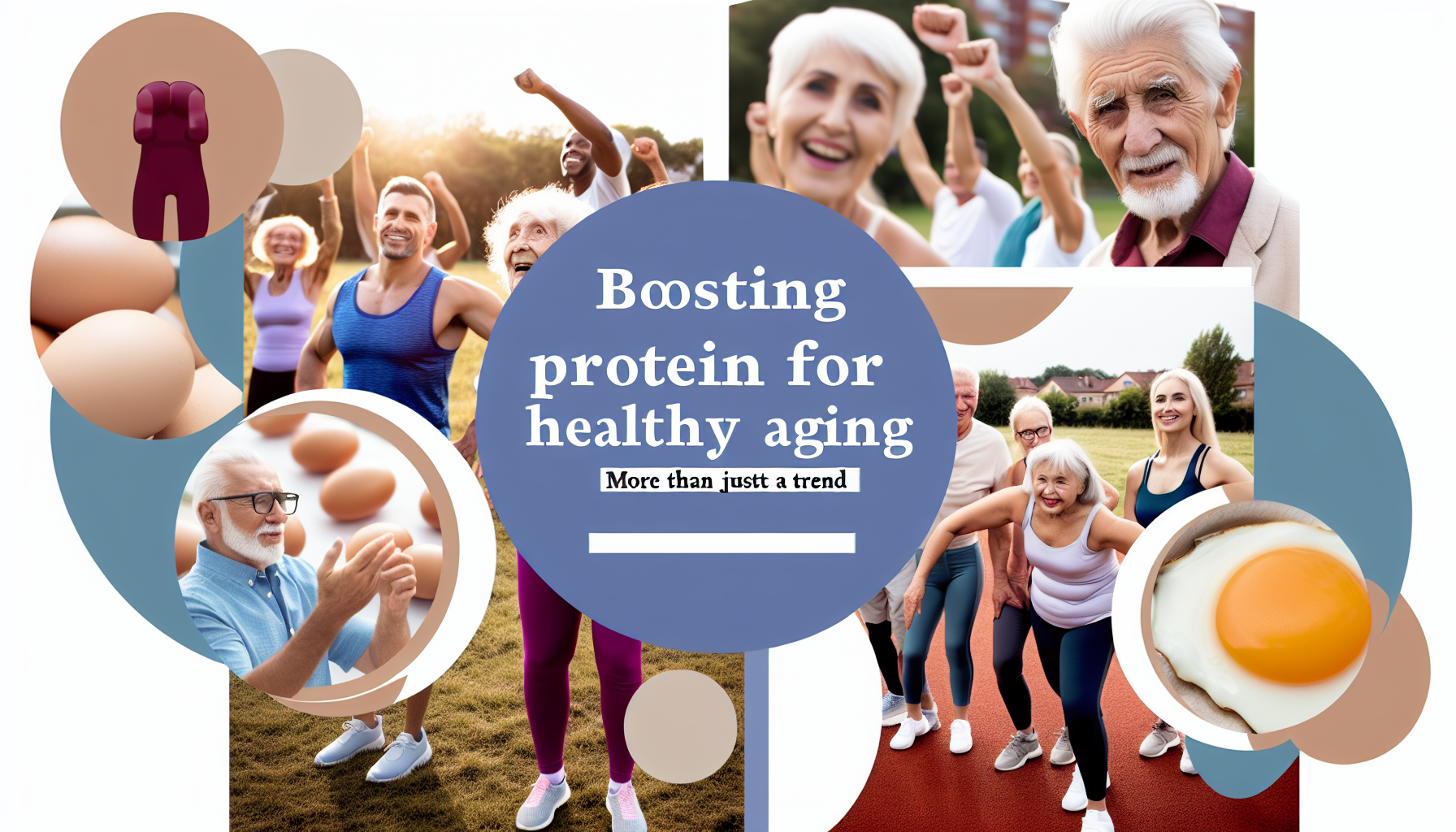

As we navigate the complexities of aging, one nutrient stands out as a cornerstone for maintaining health: protein. Recently, an insightful health advice column highlighted the importance of increasing protein intake for older adults, emphasizing that this recommendation arises from genuine health needs rather than a fleeting trend. This article delves into the significance of protein for aging individuals, practical dietary adjustments, and the science behind why protein should be a focus for those in their golden years.
The Necessity of Protein in Aging
Protein is a vital macronutrient necessary for numerous bodily functions, including the maintenance of muscle mass, repair of tissues, and support of immune function. As individuals age, they naturally experience a decline in muscle mass—a condition known as sarcopenia. This decline not only affects physical strength but also increases the risk of falls, fractures, and decreased mobility.
According to the recent column, increasing protein intake becomes crucial as we age. The author, a knowledgeable physician, notes that older adults often require more protein to meet their physiological needs. While the current dietary buzz around protein might suggest that it is merely a trend, the reality is that adequate protein consumption plays a significant role in promoting health and longevity.
Heart-Healthy Protein Sources
When considering protein options, especially for older adults, it is essential to choose heart-healthy alternatives. The physician recommends various protein-rich foods that not only support muscle health but also contribute to cardiovascular well-being. Some excellent choices include:
- Fish: Varieties like salmon, tuna, cod, and sardines are rich in omega-3 fatty acids, which are beneficial for heart health.
- Poultry: Chicken and turkey are lean sources of protein that help maintain muscle without the saturated fats found in red meat.
By incorporating these protein sources, older adults can enhance their diets while also being mindful of heart health, which is particularly important as cardiovascular issues become more prevalent with age.
Practical Tips for Increasing Protein Intake
Making dietary changes can often seem daunting, especially for those who may be accustomed to a particular way of eating. However, the physician offers practical suggestions for integrating more protein into daily meals without making drastic changes. Here are some tips to consider:
- Add Protein to Salads: Incorporating sliced grilled chicken or turkey into salads not only boosts protein content but also enhances flavor and satiety.
- Use Ground Turkey in Soups: Ground turkey can be added to vegetable soups, providing a hearty texture while increasing protein intake.
- Snack Wisely: Opt for high-protein snacks such as Greek yogurt, cottage cheese, or nuts to bridge the gap between meals.
- Explore Plant-Based Options: Incorporating beans, lentils, and tofu into meals can provide plant-based protein alternatives that support a balanced diet.
These adjustments can seamlessly fit into an existing diet, allowing individuals to meet their protein needs without feeling overwhelmed.
The Science Behind Protein Needs
Understanding the science behind protein requirements is essential for making informed dietary choices. Research suggests that older adults may need approximately 1.0 to 1.2 grams of protein per kilogram of body weight daily to maintain optimal health. This is significantly higher than the 0.8 grams recommended for younger adults. The increased need arises from the body’s reduced ability to utilize protein effectively, which diminishes with age.
Moreover, studies have shown that higher protein intake can help mitigate the effects of sarcopenia. Regular consumption of enough protein is associated with better muscle strength, improved physical function, and a lower risk of disability.
Conclusion: Prioritizing Protein for Healthier Aging
As we grow older, the importance of nutrition becomes even more pronounced, especially regarding protein intake. It is not merely a trend but a necessary adjustment to ensure continued health and vitality. By prioritizing protein-rich foods—such as fish, chicken, turkey, and plant-based options—older adults can support their muscle health and overall well-being.
Implementing simple dietary changes can have a profound impact on health. It is crucial for individuals to recognize the role that adequate protein plays in fighting age-related decline and to embrace these recommendations as part of a holistic approach to healthy aging. The journey towards better health in later years begins with understanding our nutritional needs and making informed dietary choices.






