Creating a well-organized and structured classroom environment is crucial for both teachers and students to achieve success. Having clearly defined classroom procedures and routines helps maintain order, ensures smooth transitions, and prevents disruptions. Here are 15 must-do classroom procedures and routines that every educator should incorporate into their daily instruction.
1.Entry Routine: Establish a consistent routine where students know what to do upon entering the classroom. This can include putting away bags, looking at the board for instructions, and starting a warm-up activity.
2.Attendance Procedure: Simplify the attendance process by having students mark themselves present using a designated system, such as signing in on a clipboard or using an electronic device.
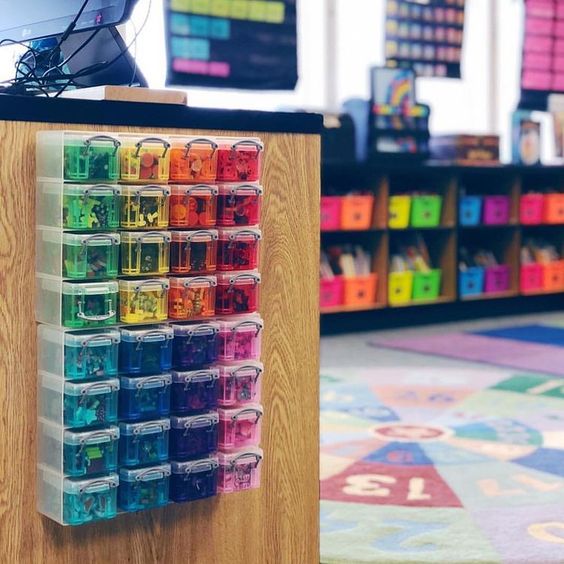
3.Materials Management: Teach students how to properly organize and manage their materials. Provide designated areas for storing supplies, and implement clear expectations regarding clean up and organization.
4.Assignment Submission: Set up a specific location for turning in assignments to ensure consistency and easy access for both students and teachers.
5.Bathroom Breaks: Create a system that allows for timely bathroom breaks without disrupting class instruction.
6.Quiet Signals: Develop non-verbal signals (such as raising your hand or using a visual cue) to capture students’ attention without needing to raise your voice.
7.Transition Routines: Establish clear expectations for transitioning between activities smoothly with minimal disruption.
8.Group Work Guidelines: Teach students how to work effectively in groups, including collaboration strategies and proper communication techniques.
9.Seating Arrangements: Utilize different seating arrangements based on varied instructional activities to maximize student engagement and learning outcomes.
10.Technology Use Policies: Establish guidelines around technology use, including rules for acceptable devices, responsible online behavior, and consequences for misuse.
11.Classroom Jobs: Assign tasks (e.g., line leader, paper monitor) to help develop responsibility and support classroom organization
12.Late Work Policy: Have a clear policy regarding late assignments and establish expectations for when they should be submitted.
13.Noise Level Expectations: Set clear expectations for appropriate noise levels for various classroom activities (e.g., silent independent work, soft group discussions, etc.) and practice them with your students.
14.Emergency Preparedness: Familiarize students with emergency procedures, including fire drills, lockdowns, and evacuations to ensure safety.
15.End of Day Routine: Establish an organized and calm process for wrapping up the day, preparing materials for the next session, and tidying up the classroom.
By incorporating these must-do classroom procedures and routines into your daily instruction, you will cultivate an orderly and effective learning environment that promotes productivity and success for both you and your students.