Early Childhood

The Heartwarming Charm of a 1954 Kindergarten Report Card

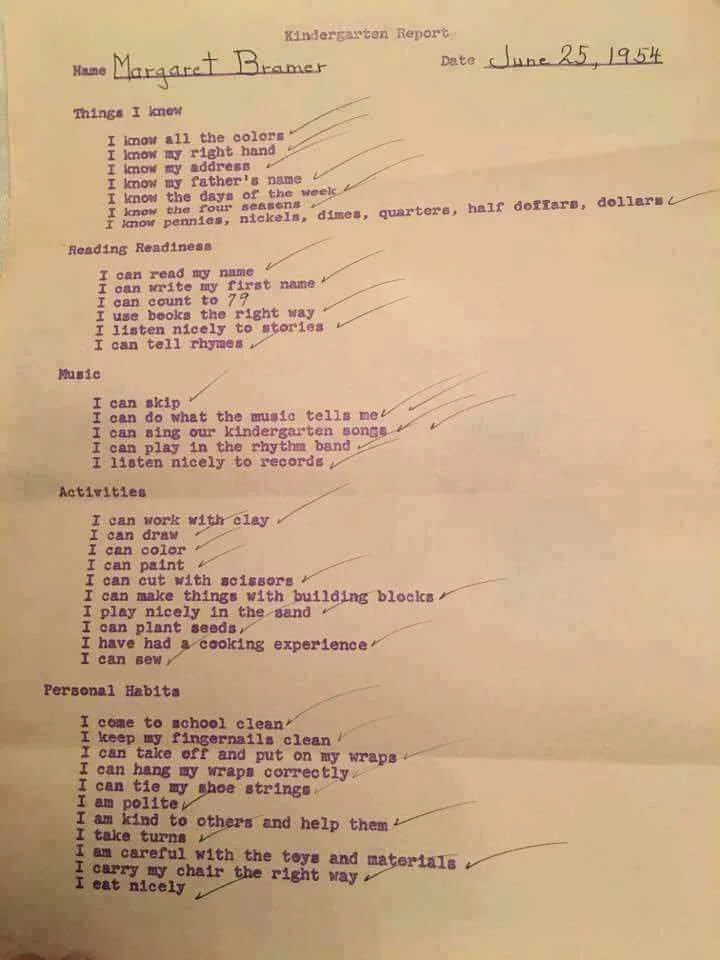
In today’s fast-paced, technology-driven world, it is always heartwarming to come across something that reminds us of simpler times. A 1954 Kindergarten report card, recently discovered and shared online, has done just that – providing a glimpse into the past and melting hearts all over the internet.

The 1954 Kindergarten report card was a simple one-page document with handwritten notes and checkmarks, reflecting a time when education was less focused on standardized testing and more on nurturing young minds’ social skills and emotional development. Although academic assessment was undoubtedly important, this report card shows an emphasis on personal growth and character attributes.

Analyzing the content of this vintage report card reveals that teachers paid attention to elements such as courtesy, self-reliance, dependability, attitude towards work, cooperation, and respect for property. While some of these qualities may seem old-fashioned or even quaint in today’s context, they have enduring value in developing well-rounded individuals capable of contributing positively to society.

One may wonder: why does this particular piece of nostalgia resonate so profoundly with people today? The answer likely lies in the contrast between the expectations placed upon children in the past compared to those of the present day. In 1954, fewer pressures were placed on young children regarding their educational performance. Today’s youth face high expectations from an early age concerning academic achievement – complete with standardized tests, performance targets, and even homework for kindergarteners.

Finding this charming 1954 Kindergarten report card reminds us that there is more to education than just academics. Lessons in kindness and cooperation are fundamental life skills that hold their weight regardless of technological advances or societal changes. Perhaps it’s time we consider bringing back some aspects of yesteryear’s approach by focusing on striking a balance between scholarly achievement and social-emotional development.

Seeing this delightful relic from the past has undoubtedly melted many hearts and serves as a timely reminder that our early years of learning should be grounded in nurturing young minds’ personal growth. As we ponder on this piece of history, it’s essential to recognize what truly matters in education: fostering happiness and well-rounded individuals.

Managing the Transition from Pre-School to the Foundation Stage

Introduction

The transition from pre-school to the foundation stage is a significant milestone in a child’s life. This stage marks the beginning of their formal education and helps in shaping their cognitive and emotional growth, as well as their social, cultural, and creative development. As such, managing this transition is crucial for both parents and educators to ensure a smooth and positive change for children. In this article, we will discuss various strategies and tips to successfully navigate this important phase.

Understanding the Importance of Transition

The period between pre-school and the foundation stage is characterized by rapid changes in children’s behavior, environment, relationships, and learning expectations. A well-managed transition can help children adapt to these changes and foster resilience, confidence, and self-esteem. Moreover, it can enhance their learning ability and improve long-term outcomes.

Strategies for Managing the Transition

1.Early Planning: Start preparing for the transition at least six months before it is due to happen. This allows enough time to gather information about the new school or foundation stage setting and make informed decisions based on your child’s needs.

2.Collaboration between Pre-School and Foundation Stage Setting: Encourage dialogue between your child’s pre-school educators and their new teachers. This can help in sharing information about your child’s interests, strengths, needs, and progress so far. It also helps in developing continuity between the two settings – ensuring a consistent approach towards your child’s learning journey.

3.Parental Involvement: Engage with both pre-school staff members and foundation stage teachers throughout the process. Attend meetings, share your concerns openly, ask questions, and offer feedback where necessary. Your involvement can play a significant role in facilitating a smooth transition.

4.Gradual Integration: Before the actual enrolment in the foundation stage setting, arrange gradual visits for your child to familiarize themselves with their new environment. Begin with shorter visits, gradually increasing the duration and frequency allowing them to gain confidence in their new surroundings.

5.Social and Emotional Preparation: Communicate openly with your child about the upcoming transition, explaining what to expect from the foundation stage and how it differs from pre-school. Use stories, role-playing, or social scripts to prepare them for various scenarios such as new friendships, daily routines, and essential social skills

6.Continuing Familiar Routines: Ensure that familiar routines or rituals are carried over into the foundation stage setting as much as possible. This can help children feel secure and reduce anxiety during this significant change in their lives.

7.Monitoring Progress: Observe your child’s adjustment during the first few weeks at the foundation stage setting. Note any challenges or concerns which may need extra support and discuss them with the child’s teacher.

8.Celebrate Success: Finally, be positive about the change and celebrate your child’s successful milestones along the way – no matter how small they may seem.

Conclusion

Managing the transition from pre-school to the foundation stage is an essential aspect of a child’s early education journey. Through careful planning, open communication, parental involvement, and collaboration between both educational settings, children can be well-prepared for this vital step in their lives – setting a solid foundation for future learning and development.

An In-Depth Look into Ofsted Inspections for Early Years

Introduction:

Ofsted (“Office for Standards in Education, Children’s Services and Skills”) inspections play a pivotal role in maintaining high standards for early years education in the United Kingdom. Through comprehensive evaluations and continuous improvement measures, these inspections assure parents and the public that early years providers are upholding a quality level of care and education to children. This article delves into the importance of Ofsted inspections, the inspection process, and how providers can prepare for them.

The Importance of Ofsted Inspections:

Ofsted inspects a wide range of educational institutions and social care services, with early years providers being a central focus. These inspections are vital in ensuring that childcare facilities, nurseries, and preschools comply with legal requirements while delivering excellent learning experiences for children aged 0-5 years.

Regular Ofsted inspections guarantee a consistent standard of quality throughout all early years establishments. They also present providers with valuable feedback to identify areas that require improvement or further development. At the same time, these inspections can instill confidence in parents when selecting early years settings for their children.

The Inspection Process:

1.Frequency: The inspection cycle varies depending on the provider’s most recent rating. Facilities with an “Outstanding” or “Good” rating are typically inspected every four years, while those rated “Requires Improvement” are generally inspected within two years. “Inadequate” rated providers are closely monitored through more frequent visits until significant improvements are made.

2.Notification: Early years providers typically receive a notification two days prior to the inspection day, allowing them to prepare any required documentation.

3.The Inspection Visit: Inspectors assess a variety of elements during their visit, including:

– Quality of education

– Behavior and attitudes

– Personal development

– Leadership and management

Inspectors observe staff interactions with children and evaluate their ability to identify and meet the needs of individual learners. They also review documentation, such as policies, registers, and safeguarding procedures.

4.Grading: After completing the inspection, Ofsted assigns the provider one of four ratings: “Outstanding”, “Good”, “Requires Improvement”, or “Inadequate”.

5.Inspection Report: An official report is compiled, detailing the findings and the provider’s rating. This report is made available to parents and the general public on Ofsted’s website.

How Providers Can Prepare for Inspections:

1.Familiarize Staff with Inspection Criteria: Ensure that all employees understand Ofsted’s evaluation criteria and know what is expected of them during an inspection.

2.Regular Internal Assessments: Conduct regular self-assessments of the facility to identify areas for improvement.

3.up-to-date Documentation: Maintain accurate records and easily accessible documents to demonstrate compliance with legal requirements during inspections.

4.Staff Training and Development: Continuously invest in professional development opportunities for staff members to ensure a high standard of care and education is maintained.

5.Engage with Parents and Carers: Collaborate closely with parents and carers to gain valuable feedback about their child’s experiences within your setting.

Conclusion:

Ofsted inspections for early years providers are crucial in maintaining quality standards within the sector. By understanding the inspection process and how to prepare adequately providers can continuously strive for excellence, offering a secure foundation for children’s lifelong learning journeys.

9 Best Learning Toys for Preschoolers

Introduction:

Preschool age is a crucial stage for a child’s development as they are rapidly soaking up knowledge, forming opinions, and building their character. To support this growth, it is essential to have learning toys designed to stimulate creativity, cognitive skills, and problem-solving abilities. Here are the top 9 learning toys that are perfect for preschoolers.

1.LEGO DUPLO Sets

LEGO DUPLO sets cater to younger children with their larger-sized pieces that are easy to handle. These sets encourage creativity, fine motor skills, and imaginative play as children put together various structures and scenarios.

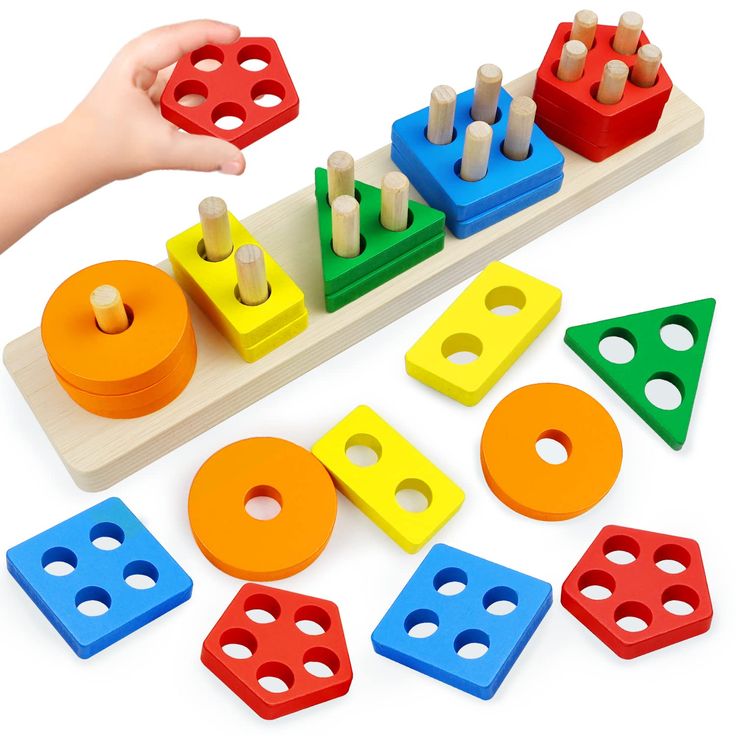
2.Melissa & Doug Shape Sorting Cube

The Melissa & Doug Shape Sorting Cube teaches kids about shapes and colors while developing their hand-eye coordination and problem-solving skills. With 12 wooden blocks in different shapes and colors, this toy will keep them entertained while stimulating their brains.

3.LeapFrog Learning Friends 100 Words Book

This interactive book features 100 common words that teach vocabulary, phonics, and word recognition by engaging little ones with fun sounds and images. Charming characters guide preschoolers through themes like animals, food, and even colors.

4.VTech Write & Learn Creative Center

Designed to help children develop handwriting skills in a fun way, the VTech Write & Learn Creative Center features an interactive whiteboard with voice-guided instructions for letter tracing and drawing activities – effectively turning homework into playtime.

5.ThinkFun Zingo Bingo Game

The Zingo Bingo Game promotes pre-reading skills by teaching sight words through an exciting variation of bingo. With two levels of play to accommodate varying skill levels, it is an ideal family game for fostering literacy.

6.TINKERTOY Building Set

Encourage inventive minds with the TINKERTOY Building Set which consists of various spools, rods, flags, washers, and more. As kids create their own structures, they develop reasoning abilities as well as hand-eye coordination.

7.Teach My Preschooler Learning Kit

This comprehensive kit covers reading, writing, math, and more through fun, educational games like flashcards and puzzles. It is a useful tool for preparing children for school by introducing foundational skills.

8.Learning Resources Pretend & Play Cash Register

Engage your little entrepreneur with a pretend cash register that promotes basic math skills through imaginative play. The colorful toy includes coins, bills, a credit card scanner, and more to provide active learning experiences with a practical twist.

9.Magna-Tiles Clear Colors Set

Magna-Tiles combine science, math, and creativity with their interlocking magnetic tiles. Children can explore shapes and geometric concepts while building impressive 3D structures that support spatial awareness and inventive thinking.

Conclusion:

Encouraging growth through play is essential for preschoolers as they develop foundational skills in preparation for school. These exciting learning toys provide an immersive environment for children to explore their creativity and improve their cognitive abilities at the same time. With the right blend of educational fun, playtime will feel like an adventure!

20 Engaging Preschool Activities To Explore The Color Blue

Introduction:

Discover the world of blue with these 20 engaging preschool activities. Introduce your young learners to the fascinating color blue, while enhancing their creativity, cognitive abilities, and fine motor skills. Let’s dive into a realm of exploration and make learning fun with these exciting activities.

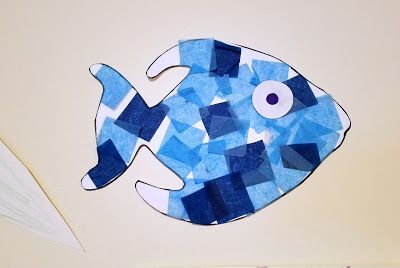
1.Blue Collage Art:

Collect different blue items like paper, fabric, buttons, or glitter. Help your child create a beautiful collage using all things blue on a large sheet or poster board.

2.Blue Paint Exploration:

Set up an art station with various shades of blue paint and various application tools like brushes, sponges, or even fingers. Encourage your child to mix shades and create unique designs.

3.Ice Cube Painting:

Freeze blue food coloring in ice cube trays to create blue ice paint cubes. On a warm day, place a large piece of paper outdoors and let your child explore with the melting ice cubes as they paint.

4.Blue Sensory Bin:

Fill a large container with different texture materials: blue sand, soft cotton balls, rough stones, etc. Allow your child to explore the sensory world of blue.

5.Bubbles in the Air:

Make homemade blue bubble solution and have a joyful time blowing and chasing bubbles outdoors.

6.Ocean Themed Small World Play:

Create an ocean-themed sensory box with water tinted blue, seashells, toy sea creatures and boats, promoting imaginative play.

7.Blue Day Dress-Up:

Encourage your child to wear blue clothes and accessories for a themed “Blue Dress-up” day at preschool.

8.Blue Play Dough:

Create homemade play dough using blue food coloring and engage your child in creating fun shapes or figures.

9.Sorting by Shades of Blue:

Provide different objects in various shades of blue for your child to sort from the lightest to darkest.

10.Blue Letter Recognition:

Using blue sticky notes, write a few uppercase and lowercase alphabet letters and stick them to a wall. Have your preschooler match and connect the corresponding letters.

11.Blue Picnic:

Organize an outdoor picnic with blue-themed foods like blueberries, blue sandwiches, or even blue lemonade.

12.Blue Sky Observation:

Go outside on a sunny day with your child and observe the beauty of the clear blue sky. Encourage them to draw their findings on paper.

13.Moon Sand:

Mix flour and baby oil with a few drops of blue food coloring, creating a textured substance called moon sand – perfect for molding and building while engaging those curious little fingers.

14.Blue Bracelets:

Make beautiful beaded bracelets using various shades of blue beads as a fun jewelry project.

15.Cotton Ball Painting:

Dip cotton balls in different shades of blue paint for a unique painting experience and texture exploration.

16.Cookie Cutter Prints:

Dip cookie cutters into shades of blue paint, then press onto paper to create interesting patterns or shapes.

17.Color Mixing Discovery:

Use two shades of blue paint to teach about color mixing, observing how the color changes intensity as the two shades blend.

18.Sink or Float Experiment:

Fill a small tub with water tinted in blue color and have your child predict if various items will sink or float before dropping them one by one into the water.

19.Blue Marble Painting:

Place a large sheet of paper in a shallow box with marbles covered in blue paint – let your child move the box around to create marble paintings!

20.Dance with Blue Ribbons:

Tie long ribbons to wooden dowels, singing sticks, or plastic batons as you wave and dance through the air like living streaks of blue!

20 Engaging Play Schema Activities for Happy, Healthy Kids

Introduction:

Play schemas are natural patterns of behavior that children engage in, providing them with opportunities to explore, experiment, and learn about the world around them. These schema activities don’t just offer endless hours of fun, but they are also essential for your child’s mental and physical development. In this article, we’ll discuss 20 engaging schema activities that will keep your kids happy and healthy.

1.Treasure Hunt:

Create a treasure map with clues leading to different locations around the house or garden. This activity encourages children to problem-solve and develop their spatial awareness skills.

2.Sand Play:

Let your child experiment with different sand textures (wet and dry) to build their creative thinking and sensory skills.

3.Water Painting:

Using a brush and water on a large outdoor surface like concrete or wood is an ideal activity to develop fine motor skills.

4.Building Forts:

Constructing forts using blankets, pillows, or cardboard boxes is great for developing construction and imaginative play skills.

5.Obstacle Course:

Design an obstacle course in the backyard with various challenges such as crawling, climbing and jumping to promote gross motor skill development.

6.Stacking Cups:

Stacking cups of varying sizes teaches hand-eye coordination and the concept of size in relation to one another.

7.Puppet Show:

Creating a puppet show aids in developing storytelling, creativity, imagination, and role play skills.

8.Dress-Up Box:

Collect clothes and accessories for children to play dress-up games, allowing them to express themselves and develop their sense of identity.

9.Malleable Materials:

Provide clay or playdough for children to mold into various shapes – this promotes sensory exploration and muscle strengthening in the hands.

10.Musical Instruments:

Introduce music-making with simple percussion instruments such as drums, tambourines or maracas for auditory stimulation.

11.Sensory Bin:

Create a sensory bin filled with items like rice, sand or water beads to stimulate your child’s sense of touch and texture.

12.Sorting Games:

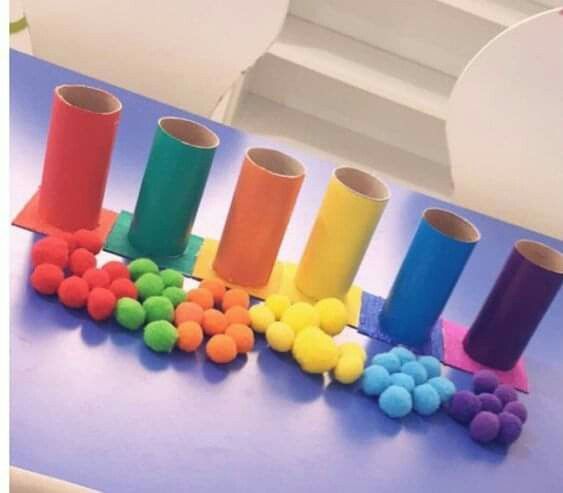
Encourage sorting skills by providing objects of different colors, shapes, or sizes to classify into designated categories.

13.Pretend Play:

Provide space for imaginative scenarios such as tea parties, bakeries, or veterinary clinics to role play daily life situations.

14.Art Stations:

Set up stations with paper, markers, crayons or paint for children to explore and express their creativity through visual arts.

15.Gardening:

Starting a small garden with easy-to-grow plants encourages responsibility and patience as well as understanding nature and life cycles.

16.Cooking Activities:

Simple cooking tasks like stirring, measuring, and pouring ingredients can help develop coordination skills and scientific concepts in the kitchen.

17.Ball Games:

Playing ball games promotes hand-eye coordination and gross motor skills while also teaching turn-taking and teamwork.

18.Mirror Play:

Using a mirror for self-exploration and facial expression games allows children to develop self-awareness and emotional intelligence.

19.Bubble Play:

Blowing bubbles encourages oral motor skills, sensory exploration, and hand-eye coordination.

20.Playing With Shadows:

Experimenting with shadows using hands or objects develops creativity and problem-solving abilities while fostering an understanding of light and shadow properties.

Conclusion:

Providing your child with engaging play schema activities is crucial for their overall development. By incorporating these 20 fun activities into your child’s playtime routine, you’re supporting their cognitive, physical, emotional, and social growth – helping them become well-rounded individuals who are prepared for a lifetime of learning.

20 Crazy Cool Letter “C” Activities for Preschool

Introduction:

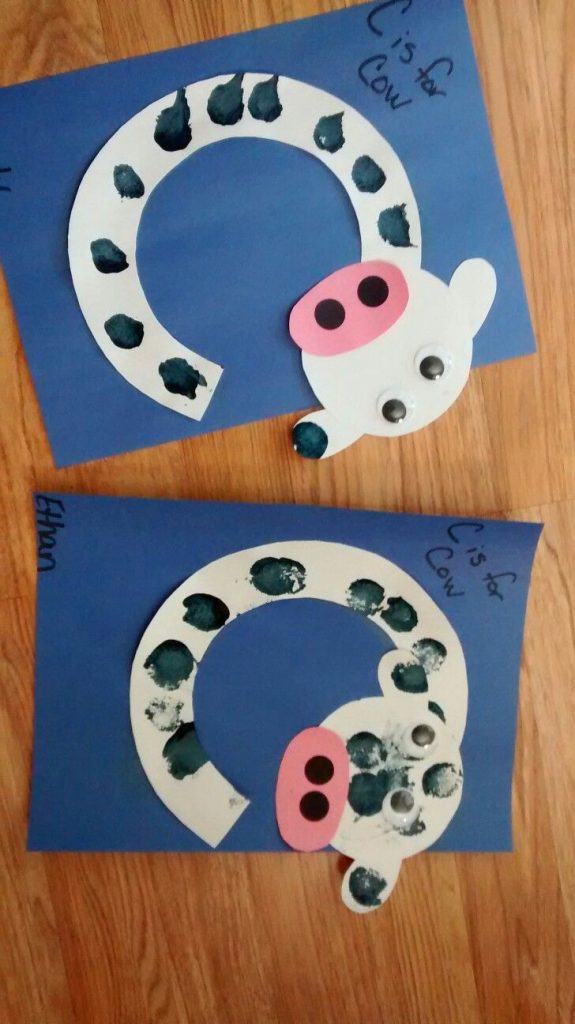
Introducing the letter “C” to preschoolers can be super fun and exciting. With these 20 crazy cool letter “C” activities, your little ones will not only learn the letter but also develop critical motor skills while having a blast. So put on your creative hats and let’s dive into these engaging activities for preschoolers.

1.C is for Cat:

Begin by teaching the sound of the letter “C” with a cat craft. Provide construction paper, glue, scissors, and markers, and guide them in creating cute cats.

2.C is for Cookie:

Create fun cookie shapes using playdough and the alphabet cookie cutters. Encourage the kids to identify the letter “C” and form cookies with it.

3.C is for Cactus:

Using green construction paper, guide preschoolers in cutting cactus shapes and decorating them with colorful pom-poms.

4.Cotton Ball Clouds:

Draw the outline of a cloud on a sheet of paper, and have kids glue cotton balls to the cloud shape to form a fluffy cloud.

5.C is for Castle:

Introduce the word castle by building one using colorful building blocks or cardboard boxes.

6.C is for Carrot:

Teach children how to make an orange carrot using construction paper, scissors, and glue sticks.

7.Caterpillar Creations:

Create different-sized circles on various colored papers and let children cut them out and arrange them into caterpillars.

8.Counting with Cheerios:

Place Cheerios onto printed numbers or dots arranged in groups of increasing counts, helping preschoolers practice counting skills.

9.Clothespin Clipping Activity:

Children color clothespins then clip them onto an uppercase “C” template in random order.

10.Crab Walk Races:

Teach kids how to walk like a crab by having races across the room, with everyone participating.

11.Corn Cobs Coloring

Have children color a corn cob template with crayons or paint, emphasizing the letter “C” sound as they explore their creativity.

12.Cloud Shape Collages:

Provide various materials like tissue paper and cotton to create cloud-shaped collages.

13.C is for Caterpillar Counting

Guide kids in using their fingers to trace the numbers 1-10 on a caterpillar body, reinforcing counting skills.

14.Chalk Art Creations:

Give each child a piece of chalk, and encourage them to draw different “C” words on the sidewalks or paved areas outside.

15.Cooking with Kids:

Teach preschoolers how to make a simple fruit cocktail using plastic knives to cut fruits for alphabet-themed snacks.

16.Confetti Cone Art:

Create festive cones by guiding preschoolers in gluing colorful confetti onto cone-shaped templates made from construction paper.

17.Chip Sorting Game:

Challenge kids to sort various chips (corn chips, potato chips) into labeled containers while emphasizing the ‘C’ sound.

18.Chalk Corners Challenge:

Draw large letter “C”s on the ground using chalk and have children race around them on scooters or tricycles.

19.Circle Painting:

Provide children with paint and round objects such as bottle caps or sponge circles to make circular artwork.

20.Cowboy Hat Craft:

Guide children in creating cowboy hats from construction paper, glue, and yarn, highlighting another fun “C” word.

Conclusion:

Transform learning the letter “C” into an exciting adventure with these 20 crazy cool activities for preschoolers. With creativity and enthusiasm, you’ll find that teaching and learning can be both fun and educational. So go ahead—get inspired and start exploring new ways to teach the letter “C”!

Exploring Light and Dark with Early Years

As children grow, they begin to explore and interact with their surroundings. Their curiosity about the world around them is natural, and fostering this curiosity during their early years lays the foundation for future learning experiences. One way to spark young children’s imaginations is by introducing them to the exciting concepts of light and dark. In this article, we will discuss various ways educators can create fun and engaging activities that encourage early learners to explore the mysteries of light and darkness.

1.Shadow Play

Children are often fascinated with their shadows, so an excellent way to introduce the concept of light and dark is by setting up shadow play activities. This can be as simple as creating shadow puppets with your hands or using objects to see how they create different shapes on a wall or surface when illuminated by a flashlight or sunlight.

2.Light Table Exploration

A light table offers a unique opportunity for little hands to explore color, shape, and texture while simultaneously discovering how light affects various objects. Encourage children to place translucent materials like colored cellophane or glass beads onto the table’s surface and observe how they interact with the light.

3.Glow-in-the-Dark Fun

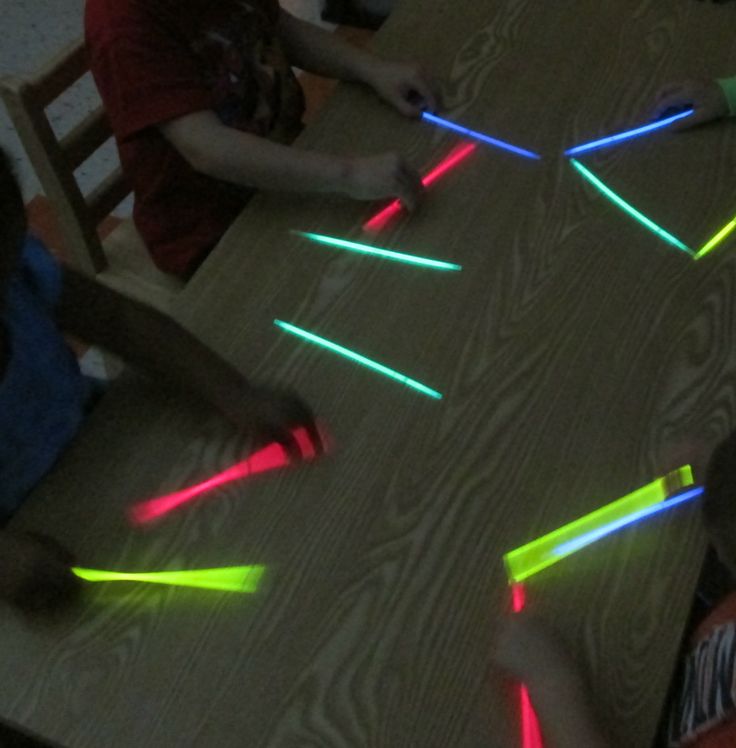
Glow sticks, glow-in-the-dark paint, or objects are excellent tools for encouraging young children to create art and experiment with light-related play in a darkened space. These items can be used to explore writing, drawing, or simply making cool designs on paper or other surfaces.

4.Nature’s Light Show

Take advantage of the natural world by discussing various bioluminescent creatures such as fireflies, glow worms, or deep-sea animals with your students. Share images of these astounding creatures and discuss what makes them unique in terms of how they produce light.

5.Storytelling Time

Incorporate stories that revolve around the themes of light and dark into your lesson plans. As you read aloud, encourage children to think about how the characters and plot are influenced by the presence or absence of light. This will help develop their critical thinking skills and promote meaningful engagement.

6.Experimenting with Reflection

Introduce mirrors or other reflective surfaces to help illustrate how light travels and bounces off various objects. Children can enjoy experimenting with angles, reflections, and even creating patterns of light with multiple mirrors or reflective materials.

7.Art Projects

Art projects that focus on light and dark can include simple paintings or drawings, using contrasting colors for emphasis. Encourage children to explore how shadows cast from light sources form the shape of objects in their artwork.

By incorporating these activities into your curriculum, you can create a rich learning environment that fosters curiosity and encourages early years students to explore essential concepts surrounding light and dark. With guidance and support, young learners will begin to establish a solid understanding of these fascinating concepts while developing essential skills for lifelong learning.

5 Ways Early Childhood Educators Can Connect With Their Communities

Introduction

Early childhood educators play a vital role in shaping the future of our children. Their approach and dedication can significantly impact a child’s development and overall experiences during their early years. One essential aspect of this job is connecting with the communities they serve. This connection fosters a sense of belonging, mutual support, and collaboration among parents, educators, and young learners. Here are five practical ways early childhood educators can connect with their communities.

1. Organize Family Events

Planning activities that involve children and their families can prove beneficial in connecting with the community. Host events like family fun days or game nights at the educational center where parents, grandparents, siblings, and children can participate together. These events help build relationships between educators and families while fostering a sense of belonging within the community.

2. Collaborate with Local Businesses

Join forces with local businesses or service providers to arrange workshops, special discounts, or sponsored events for families in your community. This collaboration could include inviting guest speakers to discuss relevant topics like child nutrition, safety, or developmental milestones. Partnerships with businesses not only benefit the educational center but also create a stronger relationship between educators and local establishment owners.

3. Volunteer for Community Projects

Participate in community initiatives such as park clean-ups, food drives, or charity fundraisers to strengthen connections between early childhood educators and their communities. Volunteering demonstrates collaborative spirit- making teachers more approachable while receiving assistance from neighbors in education-related projects.

4. Hold Open House Sessions

Give families an opportunity to visit the educational center in a more informal setting by hosting open house sessions. Familiarizing parents with the environment encourages trust between them and the educators. During these sessions, allow parents to ask questions about their children’s progress, teaching strategies, classroom policies, or any other concerns they may have.

5. Use Social Media Platforms

Make use of social media platforms, such as Facebook or Instagram, to connect with families and share updates about the center’s activities. Share photos from events, celebrate students’ achievements, and inform parents about upcoming activities. Social media engagement fosters a sense of community and helps establish a bond beyond the classroom.

Conclusion

Building strong connections between early childhood educators and their communities is critical for children’s early development and continued success throughout their education journey. By employing these five strategies to connect with the local community, teachers can foster trust, support, collaboration, and a strong sense of belonging for themselves, their students, and their families.

26 Preschool Graduation Activities: A Celebration of Learning and Fun

1.DIY Graduation Caps: Kick off the celebration by having children create their own graduation caps using construction paper and yarn.

2.Memory Book: Encourage children to create a memory book filled with drawings, photos, and stories from their time in preschool.

3.Handprint T-Shirts: Have each child create a handprint on a t-shirt using fabric paint as a keepsake of their preschool years.

4.Sing-Along: Host a sing-along featuring favorite nursery rhymes and songs the children have learned during preschool.

5.Photo Booth: Set up a photo booth complete with props and backdrops for children to take fun photos with friends and family.

6.Graduation Certificates: Present each child with a personalized graduation certificate to acknowledge their hard work.

7.Bubble Parade: Equip each child with bubbles and let them march around the school in a celebratory parade.

8.Time Capsule: Have the children contribute small items or messages to be placed in a time capsule, which can be opened when they graduate from high school.

9.Puppet Show: Organize a puppet show for the preschoolers to enjoy as part of the celebration.

10.Art Exhibit: Showcase artwork created by the children throughout the year by displaying it around the room.

11.Class Video Montage: Compile a video montage of classroom memories, activities, and special moments to share during the graduation celebration.

12.Balloon Release: Organize a colorful balloon release where each child can release a balloon into the sky as they say goodbye to preschool.

13.Talent Show: Encourage students to showcase their unique skills and talents through performances, such as dancing, singing, or playing an instrument.

14.Poem Reading: Invite parents or teachers to read poems celebrating learning, growth, and friendship aloud during the ceremony.

15.Goodbye Hugs: Encourage students to give each other hugs as they say goodbye to their friends and wish them well on their next adventure.

16.Graduation Party Hats: Allow children to get crafty with decorating their own graduation party hats.

17.Class Mural: Collaborate to create a painted class mural to represent the preschool journey.

18.Guest Speaker: Invite a guest speaker, such as a kindergarten teacher or a community leader, to share some inspiring words.

19.Plant Seedlings: Have each student plant a seedling as a metaphor for their continuous growth and learning.

20.Friendship Bracelets: Set up a station for children to create friendship bracelets for their classmates as mementos of their time together.

21.Class Quilt: Piece together fabric squares decorated by each student to create a class quilt that can be displayed in the school.

22.Storybook Reading: Have older students read picture books to the graduating preschoolers as a send-off gift.

23.Ice Cream Social: Host an ice cream social where students design their own sundaes while socializing with friends and family members.

24.Slide Show Presentation: Project photos and memories from the year onto a big screen for all attendees to reminisce over during the festivities.

25.Goodbye Tree: Create a tree using construction paper and have each child place a handprint leaf on it as they say goodbye to preschool and hello to kindergarten.

26.Autograph Session: Provide children with small autograph books to collect signed messages from classmates, teachers, and family members in attendance.