EdTech News

Thinking Through School – Unveiling the Evaluation Pack

Introduction:

Education has seen immense transformation over the past few years, and with this change, schools have had to adapt to new methods of teaching and learning. One such adaptation is the introduction of “Thinking Through School” evaluation packs. These packs have been developed as a comprehensive tool for schools to assess their students’ progress and implement strategies that can foster critical thinking skills. In this article, we will delve into the importance of these evaluation packs and explore their key components.

What Are Thinking Through School Evaluation Packs?

Thinking Through School evaluation packs are a set of resources designed to support educators in evaluating student progress, identifying areas for improvement, and implementing targeted interventions. The aim is to develop and enhance students’ critical thinking skills for a more effective and engaging learning experience. These packs are more than just assessment tools – they’re meant to foster a culture of continuous growth, feedback, and reflection in schools.

Key Components of the Evaluation Pack:

1.Assessment Tools: These tools are designed to gauge students’ understanding of key concepts and evaluate the effectiveness of various teaching strategies. Examples include formative assessments, summative assessments, benchmark assessments, pre- and post-tests, as well as observational data.

2.Lesson Plans: The pack includes lesson plans that focus on building critical thinking skills among students. These plans incorporate various pedagogical approaches that encourage students to analyze, synthesize, and evaluate information in different contexts.

3.Instructional Strategies: Learning doesn’t happen in a vacuum; it’s crucial to incorporate diverse strategies that can pique student interest and promote in-depth understanding. The evaluation pack includes numerous examples of instructional strategies that cater to different learning styles.

4.Resources for Professional Development: Teachers’ professional growth plays an essential role in improving instruction. The evaluation pack offers resources like webinars, workshops, articles, courses, and team-building activities that can support teachers in their ongoing learning journey.

5.Reflection and Improvement Strategies: To ensure continuous growth, the pack also provides templates for reflection on teachers’ practice, as well as guidelines for implementing improvements based on assessment data and other collected information.

The Benefits of Using Thinking Through School Evaluation Packs:

Some of the key benefits of using these evaluation packs include:

1.Comprehensive Assessment: The evaluation pack offers a complete set of tools that help measure student progress and identify areas that require additional support.

2.Customization: Teachers can modify the resources to cater to their students’ specific needs and preferences while ensuring curriculum alignment.

3.Enhanced Instruction: By integrating innovative teaching techniques, educators can provide a more engaging and effective learning experience for their students.

4.Focused Professional Development: The resources offered by the evaluation pack support targeted professional development efforts, addressing identified areas of improvement and helping teachers grow in their practice.

5.Data-Informed Decision Making: With comprehensive data collection, analysis, and reflection, schools can make more informed decisions about curriculum planning, resource allocation, and interventions needed for student success.

Conclusion:

Thinking Through School evaluation packs have emerged as an invaluable resource for schools striving to improve student outcomes and cultivate critical thinking skills. By implementing these evaluation tools alongside professional development strategies and a commitment to improvement, educators can create a meaningful learning environment that encourages growth and success for all students.

12 Fascinating Forensic Science Activities For Kids

Introduction:

Forensic science is an intriguing field that combines science, investigation, and problem-solving. Not only does it play a vital role in solving crimes, but it also generates curiosity among children. Introducing kids to the world of forensic science can help develop their analytical skills, nurture their curiosity, and spark their interest in various scientific fields. Here are 12 fascinating forensic science activities for kids to explore and enjoy.

1. Fingerprint Analysis:

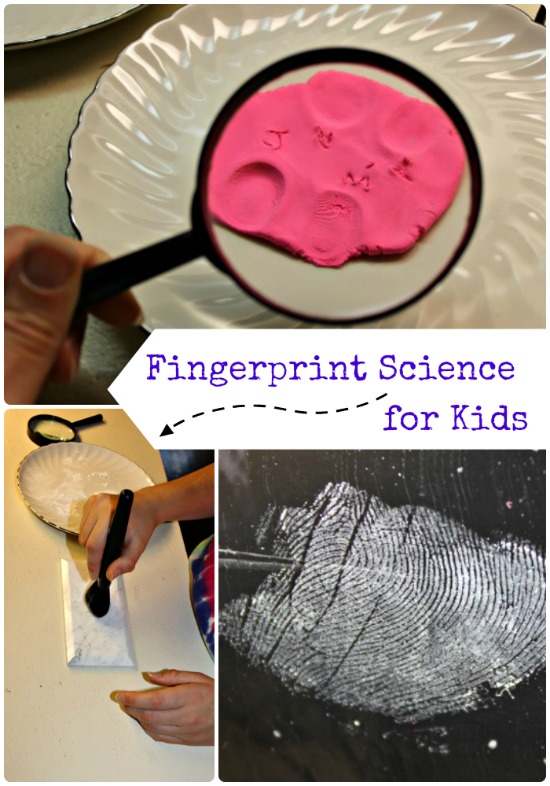
Teach kids how to take their fingerprints using ink pads or pencil lead powder and tape. Have them analyze the unique patterns and classify them into categories such as loops, whorls, and arches.

2. Hair & Fiber Examination:

Collect different types of hair and fibers from around the house or neighborhood. With the help of a magnifying glass or microscope, let the children compare and analyze these samples for colour, texture, and structure.

3. Handwriting Comparison:

Provide a few handwriting samples for kids to observe and compare by focusing on aspects like size, spacing, slanting, and letter formations. Encourage them to match a given writing sample to the possible author(s).

4. Chromatography:

Introduce kids to chromatography by having them separate ink components of markers or pens using coffee filters or absorbent paper strips submerged in water or rubbing alcohol.

5. Shoeprint Analysis:

Collect shoeprints from various shoes by pressing them onto ink pads or dirt before stepping on paper. Have children study the imprints carefully while comparing patterns, tread designs, and sizes.

6. Blood Typing Simulation:

Using food colouring to represent different blood types (A, B, AB & O), let kids learn about blood typing by conducting blood transfusion simulations with coloured water in test tubes.

7. DNA Extraction:

Teach children how to extract DNA from fruits such as strawberries or kiwis using supplies like a ziplock bag, dish soap, and rubbing alcohol.

8. Lie Detector Test:

Set up a simple lie detector test using a DIY circuit with materials like aluminum foil, wires, and LED lights. Teach kids to observe changes in skin conductivity as they ask friends or family members simple questions.

9. Bite Mark Impressions:

Make bite mark impressions using apples or playdough and compare the markings created by different teeth structures.

10. Investigating Fabric Evidence:

Test different fabric samples under UV light to learn about various fabric types and their reactions to UV light. Explain how this technique can help identify clothing evidence found at crime scenes.

11. Crime Scene Investigation (CSI) Game:

Create a mock crime scene with props like footprints, fingerprints, hair fibers, and scattered clues. Assign roles to kids, such as detectives, forensic experts, or witnesses, and encourage them to work together to solve the crime.

12. Use of Microscopes:

Allow kids to handle and use microscopes for examining minute details on everyday objects or collected specimens (e.g., hair strands or insects) to develop an understanding of how scientists use magnification tools in forensic investigations.

Conclusion:

These 12 fascinating forensic science activities offer a fun and engaging way for kids to delve into the world of forensics while learning essential scientific concepts. By providing hands-on experiences, children can develop a strong foundation in analytical skills and critical thinking that will benefit them throughout their lives.

Mutual Benefits of Partnerships

Introduction

Partnerships have played a crucial role in the success of numerous businesses throughout history. As businesses become increasingly interconnected, establishing partnerships has become essential for growth, innovation, and profitability. In this article, we will discuss the mutual benefits that partnerships provide to all parties involved, creating a win-win situation for every stakeholder.

1.Access to Resources

One of the primary benefits of forming partnerships is access to resources. When companies collaborate, they can share assets such as knowledge, expertise, technology, and even financial resources. This helps both parties save costs while boosting their competitive advantage in the market.

2.Expanding Market Reach

Partnering with other businesses can lead to an expanded market reach for both parties. Each partner brings its unique customer base, allowing both parties to access new markets and audience segments without starting from scratch. This increased market reach can contribute to higher revenue generation for each partner.

3.Built-In Credibility

When two businesses collaborate on a project or product offering, the reputation of one business often boosts the credibility of the other. This mutual endorsement helps both companies build trust and validation from their customers. In turn, this increased credibility may lead to more opportunities for growth and success.

4.Stimulating Innovation

Successful partnerships often bring together organizations with complementary skillsets or expertise in different areas. By combining these unique strengths, partners can generate innovative solutions to problems that might not have been possible independently. This collaborative approach leads to faster problem solving and new product development that benefits both companies involved.

5.Risk Sharing

Another advantage of partnerships is risk sharing. When businesses combine efforts towards a common goal, they can mitigate risks related to finances or industry challenges together. This shared responsibility allows individual companies to operate with less risk than tackling challenges alone.

6.Cost Savings

One of the most significant mutual benefits of partnerships is cost savings. By sharing resources, technology, and other assets, both parties can realize significant reductions in operating costs. For instance, a marketing partnership may save on advertising expenses while a joint product development can split research and development costs between partners.

7.Network Expansion

Forming a partnership will not only benefit the businesses directly involved but also extend to their network of connections. Partnerships can lead to introductions to new suppliers, clients, and other strategic partners. This increased network can help both companies explore further growth opportunities and strengthen their overall business position.

Conclusion

In conclusion, partnerships are immensely valuable for businesses in today’s competitive landscape. These mutually beneficial collaborations can help companies unlock significant cost savings, drive innovation, expand market reach, build credibility, and mitigate risks. Companies that strategically foster partnerships with complementary organizations have the potential to create a win-win situation that ultimately leads to greater success for all parties involved.

Leading CPD in Schools

Introduction

Continuous Professional Development (CPD) is a crucial part of any school’s success. With a constantly changing educational landscape and increasing demands on teachers and staff, effective CPD is essential for maintaining high standards, improving student outcomes, and nurturing professional growth among educators. This article will explore the importance of leading CPD in schools, strategies for implementation, and the benefits it can bring to staff and students.

Why Lead CPD?

A well-designed and executed CPD program can benefit schools in numerous ways. Firstly, it allows educators to stay up-to-date with current pedagogical research and practices. This equips them with new skills and knowledge that can improve their teaching methods, enhancing the overall quality of education provided to students.

Secondly, CPD fosters closer relationships between staff members by breaking down silos within the organization. It encourages collaboration and communication, ultimately creating a more cohesive school community.

Lastly, providing opportunities for professional growth is essential for retaining high-quality staff members. A commitment to CPD demonstrates the value schools place on the continued development of their teachers, fostering better job satisfaction and reducing employee turnover.

Strategies for Leading CPD in Schools

There is no one-size-fits-all approach to designing an effective CPD program in schools. However, there are several strategies that can be employed to successfully lead professional development initiatives:

1.Assess staff needs: Begin by conducting a thorough needs assessment to identify areas where staff need or want additional training. Engage them in this process through surveys, interviews, or focus groups to gain an in-depth understanding of their interests.

2.Set clear objectives: Establish clear goals and objectives that align with the needs identified during the assessment stage. Ensure these objectives are SMART (specific, measurable, attainable, relevant, and time-based).

3.Plan a diverse program: CPD should cater to different learning styles, areas of expertise, and personal interests. Offer a diverse range of opportunities, including workshops, seminars, conferences, online courses, and informal sessions among colleagues.

4.Engage experts: Invite external experts or utilize internal staff members with specialist skills as facilitators or mentors. This can help boost credibility and provide access to new perspectives and strategies.

5.Review progress and evaluate impact: Continuous evaluation is key to ensuring the effectiveness of the CPD program. Create regular opportunities for staff to provide feedback on their experiences and ensure that the lessons learned are being implemented in their practice. Assess the impact of professional development activities by monitoring changes in teaching practices and student outcomes.

Conclusion

Effective leadership in CPD is vital for maintaining high-quality education standards within schools. By nurturing ongoing professional growth and facilitating access to cutting-edge research and methodologies, schools can support their staff in delivering exceptional learning experiences for students. Striving for strong CPD leadership in schools will not only improve staff satisfaction but will ultimately foster a thriving educational environment that empowers both students and educators alike.

20 Melodic & Marvelous Music Therapy Activities

Music therapy is a powerful and versatile tool used to enhance mental, physical, and emotional well-being. Incorporating a variety of music activities can greatly contribute to a therapeutic process. Here are 20 melodic and marvelous music therapy activities that can bring transformation, healing, and joy to individuals of all ages.

1. Songwriting: Encourage participants to write and/or perform their own songs, expressing their thoughts, feelings, and experiences.

2. Lyric analysis: Choose a song with meaningful lyrics and engage in discussion or reflection on the messages conveyed within the song.

3. Movement to music: Use favorite tunes to encourage rhythmic movement or dance as a way to enhance body awareness and coordination.

4. Instrument improvisation: Allow individuals to explore various instruments and create their own unique soundscapes.

5. Drum circles: Facilitate group drumming sessions that promote socialization, communication, collaboration, and self-expression.

6. Guided imagery: Combine relaxing music with descriptive prompts or visualizations, encouraging participants to engage in deep relaxation or emotional exploration.

7. Sing-along: Foster connection and camaraderie by singing familiar songs together as a group.

8. Musical storytelling: Create stories using musical instruments or sounds as the backdrop for an engaging narrative experience.

9. Music-assisted relaxation: Utilize calming music paired with deep breathing or meditation techniques to encourage relaxation and stress relief.

10. Sound collages: Combine various recorded sounds or musical snippets to create unique audio experiences that evoke emotions or memories.

11. Musical games: Play rhythm-based games like “musical chairs” or create your own games that incorporate music in fun ways.

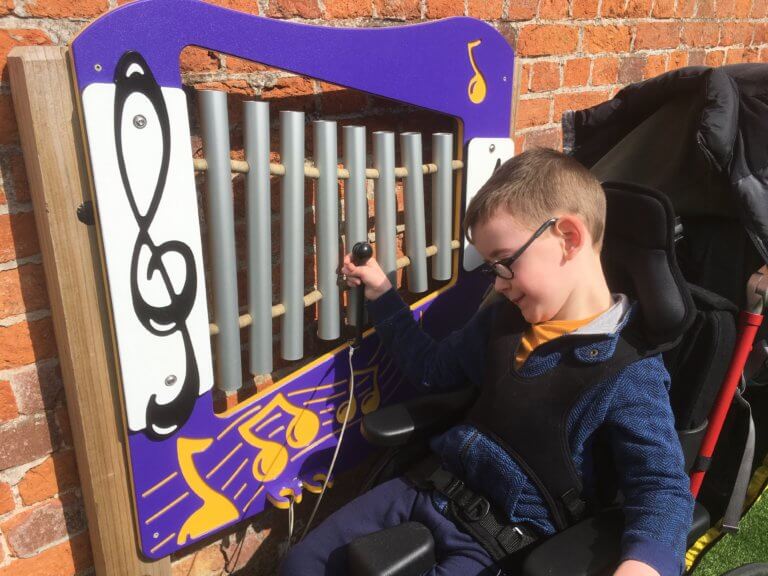
12. Adaptive instrument playing: Utilize modified instruments designed for individuals with physical disabilities or assist participants in adapting to traditional instruments as needed.

13. Music technology exploration: Engage participants in using music production software or apps to create original compositions.

14. Live music experiences: Attend live music events or invite local performers to share their talents with participants.

15. Music trivia: Test participants’ knowledge of musical facts, history, and styles with fun and engaging trivia games.

16. Song pairing: Encourage individuals to choose two songs that represent different aspects of their lives or emotions and discuss the similarities and differences between the tracks.

17. Music timeline: Use music to explore personal histories or significant life events by creating a playlist featuring pivotal songs from various time periods.

18. Mood playlists: Curate playlists tailored to specific emotions or moods, such as relaxation, motivation, or happiness.

19. Musical memory recall: Utilize familiar songs to prompt the recall of nostalgic memories or past experiences.

20. Vocal improvisation: Experiment with different vocal techniques, sounds, and tones to express emotions or convey meaningful messages.

Incorporating these 20 melodic and marvelous music therapy activities can greatly enhance a therapeutic experience, providing individuals with opportunities for emotional expression, social connection, physical coordination, and cognitive stimulation. So go ahead, explore the power of music therapy in your own life or practice!

34 Books Teaching Kids About Money

Introduction:

In today’s world, teaching kids about money is more important than ever. Financial education is essential in helping children learn the value of money, budgeting, and saving. Introducing financial concepts early can build a strong foundation for lifelong financial responsibility. To help with this crucial aspect of parenting and education, we’ve put together a list of 34 books that teach kids about money.

1. A Chair for My Mother – Vera B. Williams

2. Alexander, Who Used to Be Rich Last Sunday – Judith Viorst

3. Benny’s Pennies – Pat Brisson

4. Bunny Money – Rosemary Wells

5. The Coin Counting Book- Rozanne Lanczak Williams

6. The Hundredth Penny- LISE MEGINES

7. Dollars and Sense – Elaine Scott

8. Coin County- Jim Talbot

9. The Penny Pot- Stuart J. Murphy

10. One Cent, Two Cents, Old Cent, New Cent: All About Money – Bonnie Worth

11. You Can’t Buy A Dinosaur With A Dime – Harriet Ziefert

12. A Dollar for Penny – Julie Glass

13. Arthur’s Pet Business – Marc Brown

14. Money Madness – David A Adler

15. Roxaboxen – Alice McLerran

16. Curious George Saves His Pennies – Ray H Rey & Margret Rey

17. My Rows and Piles of Coins – Tololwa M Mollel

18. Joseph Had a Little Overcoat – Simms Taback

19. Tight Times – Barbara Shook Hazen

20. Caps for Sale – Esphyr Slobodkina

21. No Small Change: The Corporate Takeover of Childhood – Kylie Bolton & Sharon Beder

22. Money Math: Addition and Subtraction – David A Adler

23. The Case of the Shrunken Allowance – Joanne Rocklin

24. Allowance Magic: Turn Your Kids into Money Wizards – David McCurrach

25. Pigs Will Be Pigs: Fun with Math and Money – Amy Axelrod

26. National Geographic Kids Everything Money: A Wealth of Facts, Photos, and Fun! – Kathy Furgang

27. The Money We’ll Save – Brock Cole

28. Make Your Kid a Money Genius (Even If You’re Not) – Beth Kobliner

29. Practice Makes Perfect: Learning to Save – PracticeMade Perfect

30. Show Me the Money: Using Color to Create Currencies around the World- David L. Naylor

31. The Kids’ Money Book – Jamie Kyle McGillian

32. Money Skills for Kids: Learnings to Last a Lifetime – Wayne Liebzeit

33. Money Doesn’t Grow On Trees: A Parent’s Guide to Raising Financially Responsible Children – Neale Godfrey & Carolina Edwards

34. My First Book About Money – Clever Publishing

Conclusion:

These books are designed to teach children about money through age-appropriate stories, illustrations, and activities. They cover topics such as saving, spending, budgeting, investing and more. By introducing children to these concepts early on, they can develop a strong understanding and appreciation for managing their finances. Give your child a head start on their financial journey by choosing one or more of these books from our list.

25 Fun and Engaging Plant Life Cycle Activities for Kids

Introduction:

Plant life cycles are an essential topic for kids to learn about and understand in order to appreciate the beautiful world of plants around us. With that in mind, we’ve compiled a list of 25 fun and engaging plant life cycle activities that children can enjoy while learning about this fascinating topic.

1. Seed Sorting: Give kids a variety of seeds to sort by size, shape, and color.

2. Seed Toss Game: Create a seed toss game using bean bags, sunflower seeds, or other small seeds as tossing objects.

3. Seed Germination Experiment: Set up a simple seed germination experiment by planting seeds in plastic cups with damp paper towels.

4. Sprout House: Create a miniature greenhouse, also known as a sprout house, from recycled containers and grow seedlings inside.

5. Seed Bombs: Make seed bombs with soil, clay, and seeds to spread new plant life in outdoor spaces.

6. Plant Life Cycle Puzzle: Create a plant life cycle puzzle using index cards and have children put the stages in the correct order.

7. Flower Dissection: Dissect flowers to learn about their different parts and discuss their functions.

8. Plant ABCs: Teach the alphabet through plants by creating flashcards featuring each letter represented by a plant or tree.

9. Growing Grass Heads: Make grass heads using old pantyhose, soil, grass seed, and decorations to represent facial features.

10. Life Cycle Spinner: Create a spinner with plant life cycle stages allowing kids to practice identifying each stage.

11. Potato Prints: Use sliced potatoes as stamps for art projects focused on the plant life cycle theme.

12. Leaf Rubbings: Collect leaves with different textures and then do leaf rubbings using crayons or colored pencils on paper.

13. Flower Pressing: Preserve flowers through pressing to create bookmarks or other keepsakes.

14. Garden Journal: Encourage children to create a garden journal, documenting their plant observations and growth progress.

15. Nature Walk: Take a nature walk to observe plant life cycles in action and collect specimens for further study.

16. Sunflower Growth Chart: Plant sunflowers and measure their growth, creating a growth chart to track progress.

17. Edible Plant Parts: Explore which plant parts are edible by preparing simple snacks using fruits, vegetables, nuts, and seeds.

18. Terrarium Building: Use jars or fish tanks to create small terrariums with soil, rocks, and plants.

19. Roots Observation Station: Set up a root observation station by growing plants in transparent containers to observe the development of roots over time.

20. Leaf Painting: Use leaves of various shapes and sizes as natural paintbrushes for art projects about plant life cycles.

21. Plant Stethoscope: Listen to the sounds of plants using makeshift plant stethoscopes made from plastic tubes.

22. Seed Mosaics: Create seed mosaics with a variety of seeds as a way to explore different seed characteristics.

23. Compost Creation: Set up a compost bin and educate children about the importance of organic matter in the growth cycle of plants.

24. Flower Pollination Game: Design a pollination game where children play the role of bees or butterflies gathering pollen from one flower to another, simulating pollination.

25. Paper Plate Life Cycle: Using paper plates, have children draw or construct the different stages of plant life cycles and create a sequence displaying their work.

Conclusion:

These 25 fun and engaging plant life cycle activities for kids are fantastic ways for children to learn more about this fascinating process while having fun at the same time! Encouraging hands-on learning experiences will instill curiosity and environmental awareness.

Little Passports Teacher Giveaway

Introduction:

Attention all teachers! Little Passports is excited to announce their Teacher Giveaway, offering a chance to win a 6-month class subscription to their innovative and interactive educational program. This is the perfect opportunity to bring the world into your classroom, engaging your students in exciting global lessons and hands-on activities.

Why Little Passports?

Little Passports is an award-winning educational resource designed to spark children’s curiosity about the world around them. With fun and engaging material appropriate for Pre-K to age 12, Little Passports focuses on geography, history, culture, and STEM (science, technology, engineering, and mathematics) subjects. Each month, adventure awaits as students explore a new country or partake in exciting science experiments.

A Classroom Subscription:

The lucky winner of this Teacher Giveaway will receive a 6-month subscription for up to 25 students. This generous package includes monthly country-themed Explorer Kits or Science Expeditions for each registered student, which come complete with interactive materials for immersive learning experiences. Each student will have access to online resources tailored to accompany each kit’s content.

Giveaway Details:

To enter the Little Passports Teacher Giveaway:

1. Follow @LittlePassports on social media (Facebook & Instagram)

2. Tag other teachers in the giveaway post for additional entries.

3. Complete the entry form on the Little Passports website.

The winner will be selected at random and announced within two weeks after the giveaway ends.

Don’t miss this fantastic opportunity to bring joy and education into your classroom with a 6-month class subscription to Little Passports! Explore new countries or immerse your students in hands-on science activities that inspire curiosity and learning. Enter today for a chance to win that unforgettable experience for your students.

Win a New Laptop and Software for Your Classroom

In today’s fast-paced digital world, technology plays a pivotal role in education. With the advent of online classrooms, innovative teaching methods, and interactive learning platforms, it has become crucial for educators to have access to top-notch technological tools. As the demand for modern technology in the classroom rises, so does the need for schools and teachers to secure funding for these essential resources.

To address this pressing need, we are thrilled to announce an exceptional opportunity for educators: the Win a New Laptop and Software giveaway! This competition offers teachers a chance to gain access to state-of-the-art hardware and software that will enhance the student experience and empower them in their careers.

Step into the Future with Cutting-Edge Technology

The grand prize in this exciting competition includes a brand-new laptop equipped with powerful features and performance capabilities tailored specifically to cater to educational needs. Alongside this top-of-the-range device comes pre-installed software that supports lesson planning, content creation, assessment design, collaboration tools, and more. With these invaluable resources at your fingertips, teaching will be both efficient and enjoyable.

Unlocking Unlimited Potential

Winning this giveaway can have a major impact on classroom dynamics by providing access to innovative teaching methods that promote creativity and critical thinking. By utilizing the latest software, educators can create engaging multimedia presentations, immersive virtual experiences, dynamic quizzes, or even implement gamified learning strategies that cater to diverse learning styles.

Boosting Students’ Interest & Engagement

With a new laptop and cutting-edge software at their disposal, teachers can create a more captivating learning environment for their students. Rather than relying solely on traditional lecture formats or outdated textbooks, students are actively engaged through interactive learning experiences that hold their attention longer and improve long-term retention of material.

Easy Entry Process

Entering the Win a New Laptop and Software giveaway is straightforward – simply visit the website www.WinANewLaptopAndSoftware.edu and provide the necessary information, including name, contact details, and a brief description of your current teaching role. Spread the word among your colleagues, too, as the more entries the merrier.

Remember, it takes only a few minutes to participate, and the potential rewards are invaluable. Don’t miss out on this fantastic opportunity to elevate your classroom experience and provide your students with the best possible education.

The deadline for submitting entries is [insert deadline date], and winners will be announced shortly thereafter. Be sure to mark your calendars and make your submission before time runs out!

Empower yourself as an educator with a new laptop and software that will transform your classroom into an interactive learning powerhouse. Enter today for a chance to impact the lives of students and inspire them to reach their full potential!

Release of New Head Start Performance Standards

Introduction

The release of the new Head Start Performance Standards marks a significant milestone in the ongoing efforts to improve early childhood education and development. The revised standards aim to create a more effective, nurturing, and success-oriented learning environment for young children from low-income families. In this article, we will take a closer look at what these new performance standards entail and how they will impact children, families, educators, and communities across the nation.

What are Head Start Performance Standards?

Established in 1965 as part of the War on Poverty campaign, the Head Start program serves as an essential resource for children from low-income families by providing comprehensive early childhood education, health, nutrition, and parent engagement services. The Head Start Performance Standards are regulations defining the basic requirements for delivering these services to eligible participants. They encompass various aspects of program operations such as curriculum planning, teacher qualifications, family engagement strategies, fiscal management, health services provision, and more.

Changes in the New Head Start Performance Standards

The new standards have been updated to reflect advances in early childhood education research and practice that occurred since the last major revision was published in 1998. Some key changes include:

1. Improved Education Services: Enhanced focus on developing essential skills in language, literacy, math, social skills, attention management, among others. Evidence-based curricula must be implemented within flexible learning schedules.

2. Stronger Family Engagement: Strengthening relationships between families and Head Start programs by providing additional support services that help parents meet their own goals while fostering children’s development.

3. Expanded Duration of Services: Increasing minimum hours of operation for center-based programs to provide more consistent care for all children throughout the academic year.

4. Focus on Continuous Improvement: Promoting data-driven decision-making through regular evaluations that track children’s progress and identify areas in need of intervention or support.

5. Enhanced Health & Safety Practices: Updating requirements for child and staff vaccinations, nutrition guidelines, and emergency preparedness measures.

Effects on Children, Families, and Communities

The new Head Start Performance Standards have been designed to improve the overall quality of early childhood education by focusing on the whole child – addressing their cognitive, social, emotional, and physical development needs. Research has shown that early intervention programs like Head Start can have long-lasting positive effects on children’s futures and contribute to improved graduation rates, higher income levels, and reduced dependence on public assistance in adulthood.

Parents and families will be more actively involved in their children’s educational journey under these revised standards. Increased partnership with parents signifies that they will play an even more essential role in decision-making processes and participation within the Head Start program.

Finally, communities nationwide should benefit from the standards’ implementation as they lead to higher-quality early childhood education programs benefiting an increasing number of vulnerable children. This promotes a healthier, more productive society by ensuring a solid foundation for life success.

Conclusion

The release of the new Head Start Performance Standards highlights a promising future for America’s youngest learners from low-income families. As the revised standards are implemented nationwide, we can expect to see significant improvements in early childhood development outcomes for these children. Parents will play a stronger role in their children’s growth process, fostering an environment conducive to learning both within classrooms and at home. With such comprehensive improvements planned through Head Start Performance Standards, it is an exciting time for early childhood education.