Education News

In My Classroom: The Inspiring Journey of Sari Beth Rosenberg

Introduction:

In today’s rapidly changing educational landscape, it’s essential for educators to be dynamic, inspiring, and resourceful. Sari Beth Rosenberg is a prime example of such an educator. With her impact on countless students and innovative teaching methods, she has become a beacon in the world of education. In this article, we delve into the world of Sari Beth Rosenberg and her journey in her classroom.

Background:

Sari Beth Rosenberg is a dedicated high school history teacher in New York City. She obtained her Master’s degree in Education from Pace University and is also a prolific writer who has contributed numerous articles to notable publications like HuffPost and Education Week.

Teaching Philosophy:

Rosenberg’s teaching philosophy revolves around the idea of fostering an inclusive and engaging learning environment where students feel empowered to express their thoughts and opinions. She believes that when students engage with their peers in challenging intellectual conversations, they develop essential critical thinking skills needed for success in today’s interconnected world.

Innovative Strategies:

Sari Beth Rosenberg has a knack for creating thought-provoking lessons that encourage students to dive deep into historical events and examine their relevance to contemporary issues. One of her famous strategies is utilizing popular culture references, such as music or movies, to illustrate historical events. This approach enables students to connect with the material on a more personal level and fosters better understanding.

Another innovative technique Rosenberg employs is incorporating debates within her classroom. Debates help students sharpen their critical thinking skills while encouraging them to empathize with perspectives different from their own.

Rosenberg’s Impact on Students:

Students who have had the opportunity to learn under Sari Beth Rosenberg often find themselves inspired by her passion for education. They speak highly of her unwavering dedication towards fostering positive change in their lives, both academically and personally.

Through her commitment to creating an inclusive classroom environment, Rosenberg has helped many students who have previously felt marginalized or unheard in traditional classroom settings. Students gain a newfound appreciation for history and a stronger foundation in critical thinking, ready to face the future challenges that lie ahead.

Conclusion:

Sari Beth Rosenberg’s story is a testament to the power of a passionate educator. Her influence extends far beyond her classroom, inspiring others to think critically about the world around them and embrace new perspectives. As we continue to face unprecedented challenges in education, it’s essential that we celebrate those like Rosenberg, who strive to make our classrooms inclusive and engaging spaces where students can thrive.


The Most Important Thing We Teach Our Students Is Something Only Teachers Understand

In the fast-paced world we live in, educators are consistently striving to teach the next generation the skills they will need to succeed. While mathematics, science, and literacy are undoubtedly vital to a student’s academic growth, there’s a crucial lesson that transcends the boundaries of traditional subjects. It is something only teachers truly understand: the importance of fostering resilience, empathy, and self-awareness in our students.

Resilience – The Ability to Bounce Back

Life is filled with challenges and obstacles. Preparing our students for these trials is the most important task an educator faces. Teachers recognize the significance of inspiring resilience within their students. Through trial and error, facing adversity head-on, and learning from mistakes, students develop the capacity to bounce back stronger than before.

By creating a supportive environment where failure is not feared but rather embraced as part of the learning process, teachers help students understand that setbacks are not permanent. Resilience enables them to face challenges with confidence and determination while maintaining a healthy mindset.

Empathy – Understanding & Compassion for Others

In an increasingly interconnected world, empathy has emerged as a critical skill for building bridges across different cultures and perspectives. Teachers comprehend that fostering empathy within their students is just as essential as any other subject matter. By teaching students to appreciate diversity and actively listen to others, educators help develop compassionate human beings ready to contribute positively to society.

Classroom discussions on topics such as social justice issues, environmental concerns, or even addressing everyday interactions can provide opportunities for students to develop empathy. Encouraging open dialogue that promotes understanding diverse viewpoints allows for interpersonal connections and instills respect among peers.

Self-Awareness – Reflection & Personal Growth

Developing self-awareness in young minds empowers students to examine their thoughts, emotions, and behavior patterns critically. As education professionals understand the impact of self-awareness on personal growth, they incorporate practices such as mindfulness, journaling, or self-assessment exercises in their curriculum.

High levels of self-awareness lead to better emotional regulation and decision-making skills. In turn, this promotes deeper learning experiences and a more profound understanding of oneself. Students equipped with self-awareness can identify their strengths and weaknesses objectively, creating opportunities for personal growth.

The Ultimate Reward for Educators

These critical life skills – resilience, empathy, and self-awareness – make up the backbone of an individual’s character. While academic achievements are important, preparing students to face the world as well-rounded individuals ultimately carries even greater significance. It’s a lesson only teachers genuinely understand and reflects the heart of education: empowering future generations to become responsible and compassionate human beings who contribute positively to society.

Help Readers Get Back on Track With These Strategies

Introduction:

In today’s fast-paced world, it is easy for readers to lose focus and get sidetracked. To keep them engaged and on track, authors must employ specific strategies to maintain their interest. This article will discuss several effective techniques authors can use to help readers stay focused, committed, and on track.

1. Start with a compelling introduction

A captivating introduction effectively sparks curiosity and entices readers to continue reading. Use a powerful opening statement, a relatable anecdote, or an intriguing question to pique your audience’s interest from the very beginning.

2. Maintain a clear structure

An organized and easily navigable layout enables readers to follow along without losing their train of thought. Use headings and subheadings, bullet points, or numbered lists to break up large blocks of text and provide visual structure.

3. Implement engaging storytelling techniques

People connect with stories more easily than they do with data. Make the information you present relatable by using anecdotes and case studies that capture your audience’s attention.

4. Incorporate relevant visuals

Images, infographics, charts, and diagrams supplement the written content by visually illustrating important concepts. Visual aids not only break up expansive sections of text but also aid in easier understanding and retention.

5. Utilize white space effectively

Allow white space between paragraphs and sections to make your content more visually appealing and readable. White space gives the reader’s eyes a chance to rest and helps prevent overwhelm.

6. Interact with your readers

Engage your audience by directly addressing them or encouraging questions and dialogue through comments or social media channels. Interaction is crucial in fostering a sense of community and building long-lasting relationships between writer and reader.

7. Keep paragraphs concise

Long paragraphs can deter readers because they appear daunting on-screen or paper. Divide content into easily digestible chunks to maintain reader engagement throughout the entire piece.

8. Use clear and simple language

Complicated vocabulary and jargon will only distract readers from the main message. Opt for concise, straightforward language that easily conveys your thoughts without confusing or alienating your audience.

9. Summary

Conclude your content with a summary that recaps key points and resolutions offered throughout the article. This final wrap-up reinforces the information shared, increasing the likelihood of retention.

Conclusion:

Implementing these strategies in your writing process can help prevent readers from losing interest or becoming disoriented. By providing an organized, engaging, and visually appealing experience, you ensure that readers stay on track as they progress through your content.

The Influence of Teachers Goes Deeper Than We Ever Thought

For many people, a significant figure from their childhood memories is often a teacher who made an impact on their lives. Whether it’s through imparting wisdom, encouragement, or simply being a supportive figure, the role of a teacher extends far beyond the classroom. What we may have not realized, however, is just how deep their influence runs within us.

Research has shown that teachers can profoundly affect not only our academic performance but also our social and emotional development. The nature of this relationship goes beyond simply helping students excel in their studies; it encompasses guiding students through difficult times, teaching them valuable life skills, and instilling a broader sense of self-worth that lasts a lifetime.

One key factor in teacher-student relationships is empathy. A genuine understanding and concern for students’ well-being create a nurturing environment that fosters personal growth. Empathetic teachers have the ability to identify when something may be wrong with their students and take steps to offer support if needed. This kind of guidance plays a crucial role in maintaining students’ mental health and furthering both their emotional intelligence and resilience.

Moreover, teachers who are attentive to the specific needs of their students can make a significant difference in how those students perceive education for years to come. Initiating engaging activities and creating unique, personalized learning experiences can cultivate curiosity and excitement in children from an early age. Consequently, children who were once disengaged become enthusiastic learners who thrive academically.

Additionally, teachers can serve as role models for students by exemplifying key life traits such as dedication, perseverance, and patience. These qualities are often internalized by students as they grow up, ultimately helping to shape the person they become. In many cases, young people find inspiration in their teachers and later follow similar life paths or develop aspirations based on examples set by these influential figures.

Just as teachers can impact children positively, the opposite may also be true. Students who experience negative interactions with educators could potentially develop a sense of fear, low self-esteem, or disenchantment with the educational system altogether. Thus, it becomes vital for teachers to not underestimate their influence and act mindfully when guiding young minds.

In conclusion, the impact of a teacher in a student’s life reaches far beyond whether they achieve good test scores or pass their exams. Teachers have the power to mold students emotionally, socially, and academically for life. The influence of teachers goes deeper than we ever thought, highlighting the responsibility that comes with this important role. Ensuring educators are aware of their effect on their students is crucial in fostering a generation of confident learners and well-rounded individuals ready to face the challenges ahead.

In Honor of the 100th Day, Teachers Share the Things They’ve Said at Least 100 Times

As we approach the 100th day of the school year, it’s always a great time to reflect on all that has happened in education. From teaching new concepts to managing the classroom environment, teachers have certainly said and done a lot during these past months. In celebration of this milestone, we’ve asked educators across the country to share phrases or statements they’ve uttered at least 100 times during their teaching careers. Here’s what they had to say:

1. “Please raise your hand if you have a question.”

This classic statement emphasizes the value of classroom order and respect for others’ learning experiences. It is undoubtedly one of the most common things teachers have had to remind their students of throughout their careers.

2. “Make sure you write your name on your paper.”

A straightforward request, yet it seems that students frequently need reminding. Whether it’s handing in assignments or taking a test, this simple instruction is crucial to maintaining an organized and equitable grading system.

3. “Read the directions before starting.”

Too often, students rush through assignments without reading instructions thoroughly. This gentle reminder encourages students to take a moment for comprehension and helps ensure that their work is completed correctly.

4. “Check your work before submitting.”

Many mistakes can be caught and fixed by simply reexamining one’s own assignment. This reminder speaks to cultivating mindfulness among students and encouraging them to take pride in their work.

5. “No talking while others are presenting.”

A respectful learning environment is essential for successful presentations and discussions. By reminding students not to talk during others’ presentations, teachers emphasize the importance of active listening and being considerate of their peers.

6. “Use your inside voice.”

A noisy classroom can be challenging for both educators and learners alike. This phrase encourages students to monitor their volume levels during class discussions or activities to maintain a more serene environment.

7. “Remember to cite your sources.”

Academic integrity is crucial in education, and trusting students to credit the original authors of their research material is an important step towards fostering intellectual growth and honesty.

8. “Don’t forget your homework.”

Nearly every teacher has used this reminder – motivating students to stay on top of their assignments, allowing them to take responsibility for their learning experience.

9. “Don’t wait until the last minute to study or work on projects.”

Teaching students the importance of time management early on can set them up for success in future academic and career endeavors, helping them avoid undue stress and procrastination.

10. “Believe in yourself, and you will succeed.”

Of course, no list would be complete without a motivational phrase. All teachers want their students to believe in their ability to learn and achieve. Encouraging self-confidence goes beyond academics – it fosters personal growth, resilience, and a positive mindset.

In conclusion, these commonly repeated statements showcase the values most teachers want for their students: respect, organization, mindfulness, academic integrity, time management, and self-confidence. As we celebrate this 100th-day milestone, let us appreciate the wisdom imparted by educators who tirelessly strive to make a difference in the lives of their students.

Should I Switch School Districts for More Money?

Introduction

The decision to change school districts for a higher salary is a personal and, often, a complex choice that educators across the globe face. While higher pay can improve one’s financial stability, it is important to weigh the pros and cons of such a change, considering factors like job satisfaction, work environment, and quality of life. In this article, we touch on crucial aspects to analyze before switching school districts for more money.

Career Advancement and Job Satisfaction

Higher pay can be tempting, but it is essential to consider the professional growth opportunities and job satisfaction that come with changing school districts. Ask yourself whether you will be able to grow your skills and knowledge in your new workplace or if the higher pay comes at the cost of your professional development.

Work Environment and Community

The environment in which you work plays a significant role in your overall happiness and mental well-being. Take into consideration how comfortable you would feel in the new district, how welcoming its community is, and whether there’s a feeling of camaraderie among staff members. The rules, regulations, administration style, and overall philosophy might differ between districts; ensure that these differences don’t hinder your ability to teach effectively.

Impact on Students

Changing schools affects not only you but also your current students. If you have formed strong connections with them or find it difficult to leave groups you’ve been mentoring over time, weigh this emotional aspect against the potential increase in pay.

Job Security

For some educators, job security is of utmost priority when deciding on a new position. Research whether moving to another district impacts tenure and your overall job stability.

Quality of Life and Work-Life Balance

While monetary gains might boost your financial standing initially, think about how your new job affects your overall work-life balance – including commute times or potential relocations. Reflect on the implications of shifting from urban to rural environments (or vice versa), as well as the influence of differing school schedules on your personal life.

Opportunity Costs

Lastly, ponder the potential opportunity costs related to switching school districts for more money. Are there alternative income streams or future promotions within your current district you would be foregoing by making the move? What are potential extracurricular duties in the new district? Assessing these factors will further inform your decision-making process.

Conclusion

In summary, deciding to switch school districts for increased pay is a deeply personal choice that must consider various factors besides money. Thoroughly evaluate each aspect – from job satisfaction and career progression to work environments and quality of life – before making a decision that will have lasting consequences on your professional and personal life.

Teaching After Hurricane Harvey—What Comes Next for a School Hit Hard

In late August 2017, Hurricane Harvey wreaked havoc on the state of Texas, leaving a trail of devastation in its wake. Homes, businesses, and schools were all destroyed or severely damaged, with the coastal town of Rockport being one of the hardest hit areas. Among the many structures affected in Rockport was its only high school. In this article, we will discuss the challenges faced by teachers and students in the aftermath of Hurricane Harvey and explore what comes next for a school hit hard by this natural disaster.

The Immediate Aftermath

Immediately following Hurricane Harvey, Rockport’s residents faced the monumental task of rebuilding their lives, and that included their schools. Teachers and administrators across the region sprang into action, even as they coped with their own personal losses. They rapidly worked to restore a sense of normalcy for their students by providing them with much-needed stability and routine.

Online Learning as a Temporary Solution

With no physical structure to work with, teachers at Rockport High School had little choice but to turn to online learning as a temporary solution. This was a challenge for both instructors and pupils, who had to adapt quickly to new technology and processes while simultaneously dealing with the emotional fallout from the hurricane.

Many students lacked proper access to computers or other devices, making it difficult for them to fully participate in online schooling while living in temporary shelters or homes without power and connectivity. Teachers also faced difficulties transitioning their lesson plans onto an entirely digital platform.

Community Support and Resilience

Despite these challenges, Rockport’s teachers soon discovered they were not alone in their fight. Fellow educators from neighboring districts stepped in to offer support such as donated supplies or use of classrooms in unaffected areas for remote teaching.

Students, parents, and staff came together to rebuild facilities such as libraries from scratch using donated books and materials. The sense of community within the town was vital in overcoming the struggles faced by educators and students amidst the chaos.

What Comes Next

As Rockport moves forward from the disaster, long-term plans for rebuilding the school and preparing for future catastrophes are underway. Discussion around additional training in online learning for teachers is crucial, given the crucial role it played in the aftermath of Hurricane Harvey.

There’s also a recognition that schools must become more resilient to both natural disasters and other crises that could emerge. For Rockport High School, this means investing in infrastructure improvements to better withstand future storms and improving emergency preparedness plans.

Conclusion

In the face of adversity, Rockport’s teachers, students, and community members have shown an incredible ability to adapt and persevere. As they continue on their journey toward recovery and rebuilding, their experience offers invaluable lessons in resilience, community support, and innovation. Although there is still a long road ahead, one thing is certain—Rockport High School is determined to return stronger than ever before.

5 Ways Going Against the Grain Has Made Me a Better Teacher

As a teacher, I have always enjoyed finding creative ways to engage my students. But, in addition to being passionate about education, I have also learned that sometimes the best way to have the greatest impact in my students’ lives is to go against the grain and defy conventional wisdom. Here are five ways that thinking differently from my peers has made me a better teacher.

1. Embracing failure

Traditional teaching methods often place immense importance on grades and success, making students afraid to fail. By creating an environment where failure is seen as an opportunity for growth and development, I have encouraged my students to take risks and learn from their mistakes – which has ultimately led them to progress faster.

2. Focusing on individual interests

While the standardized curriculum can be a useful benchmark for overall learning, it doesn’t necessarily cater to each student’s unique interests or skills. By diversifying our lessons and integrating subjects that excite individual students, I’ve been able to better engage and motivate them in their studies.

3. Encouraging collaboration over competition

Competition can drive students to excel, but it can also foster an unhealthy obsession with outshining their peers. By shifting the classroom dynamic toward teamwork and peer support, my students have learned valuable collaboration skills and empathy towards others – qualities that will serve them well throughout their lives.

4. Prioritizing emotional health

The pressure of modern schooling can take a toll on young minds. By devoting time to discuss emotional health and offer guidance on stress management, I’ve strived to create a safe space for my students where they feel comfortable expressing themselves. This has not only improved their mental wellbeing but also enhanced their academic performance.

5. Supporting experiential learning

Learning doesn’t always happen within the four walls of a classroom or from reading textbooks. By encouraging hands-on activities, field trips, and real-world experiences, my students gain insight into new perspectives and make connections between abstract concepts and their daily lives.

In conclusion, by going against the grain and challenging conventional teaching practices, I have discovered more effective ways to engage and inspire my students while enabling them to develop important life skills. While these methods may not always align with the traditional norms, the positive impact they’ve had on my students has made the journey worth it.

Quiz: How Well Do You Know These Famous Movie Teachers?

Introduction:

Are you a movie buff who loves films featuring inspiring teachers? Put your knowledge to the test with this quiz about famous movie teachers! From the strict and serious to the unconventional and lovable, these cinematic educators have left lasting impressions and taught us important life lessons.

Question 1:

In the film “Dead Poets Society,” which famous actor plays the role of English teacher John Keating?

a. Tom Hanks

b. Robin Williams

c. Bill Murray

d. Morgan Freeman

Question 2:

In “School of Rock,” Jack Black’s character poses as a substitute teacher in order to teach students what subject?

a. Science

b. Math

c. History

d. Music

Question 3:

In “Dangerous Minds,” Michelle Pfeiffer’s character, LouAnne Johnson, is a former officer turned teacher who works with her students on what subject?

a. Literature

b. Geography

c. Chemistry

d. Physical Education

Question 4:

Which movie features Meryl Streep as an iron-fisted music teacher named Roberta Guaspari?

a. August: Osage County

b. The Iron Lady

c. Music of the Heart

d. Doubt

Question 5:

In “Stand and Deliver,” Edward James Olmos portrays Jaime Escalante, a high school teacher who prepares his students for which academic test?

a. SAT

b. ACT

c. AP Calculus Exam

d. English Literature Exam

Question 6:

Ms. Norbury, played by Tina Fey, teaches what subject in the 2004 hit movie “Mean Girls”?

a. Economics

b. Health Education

c. Journalism

d. Math

Conclusion:

How well did you know these iconic movie teachers? Whether you aced this quiz or not, their stories and dedication to their craft have left a mark on cinema history and continue to inspire generations. If you haven’t seen some of these films, consider checking them out for a dose of teacherly inspiration!

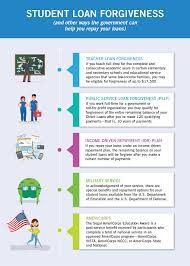
Teachers Can Get Student Loan Forgiveness Help

Introduction:

Teaching is a noble profession that shapes the future of society. Despite its importance, many teachers struggle with student loan debt that they acquired while pursuing their own education. Fortunately, there are programs available to help teachers reduce or eliminate their student loan debt. This article will discuss the various options for student loan forgiveness that teachers can explore.

Public Service Loan Forgiveness (PSLF):

PSLF is a federal program designed to encourage individuals to work in public service, which includes teaching positions at public schools. To qualify for this program, teachers must make 120 qualifying monthly payments under a qualifying repayment plan. Upon completion of these requirements, the remaining balance on their Direct Loans will be forgiven. Keep in mind that only loans from the William D. Ford Direct Loan Program are eligible for PSLF.

Teacher Loan Forgiveness Program:

This Department of Education program is specifically designed for full-time teachers working at a low-income school or an educational service agency. Eligible teachers can receive up to $17,500 in loan forgiveness on their Direct Loans and Federal Stafford Loans after five years of qualifying teaching service.

Perkins Loan Forgiveness:

Teachers with Federal Perkins Loans may be eligible to have their loans fully forgiven after five years of teaching service at a low-income school or educational service agency. This forgiveness is applied incrementally over the five-year period, with 15% of the loan balance being forgiven each year for the first two years, 20% forgiven during the third and fourth years, and the remaining 30% in the fifth year.

Income-Driven Repayment (IDR) Plans:

While not exclusive to teachers, IDR plans allow borrowers to pay a percentage of their discretionary income towards their student loans each month instead of adhering to a standard repayment plan. After 20 or 25 years of consistent payments (depending on the specific IDR plan), the remaining loan balance will be forgiven.

How to Take Advantage of These Programs:

1. Determine your eligibility: Review the requirements and guidelines for each forgiveness program to see if you qualify.

2. Choose a qualifying repayment plan: If you are pursuing PSLF, you must sign up for a qualifying income-driven repayment plan.

3. Complete and submit required forms: For both PSLF and Teacher Loan Forgiveness, teachers are required to submit an application form.

4. Continue making qualifying payments: Ensure that you are making consistent on-time payments to count towards loan forgiveness.

Conclusion:

Student loan forgiveness programs are an essential lifeline for many teachers struggling with student loan debt. By taking advantage of these options and pursuing the necessary steps, teachers can work towards eliminating their debt and focusing on what truly matters – shaping the minds of future generations!