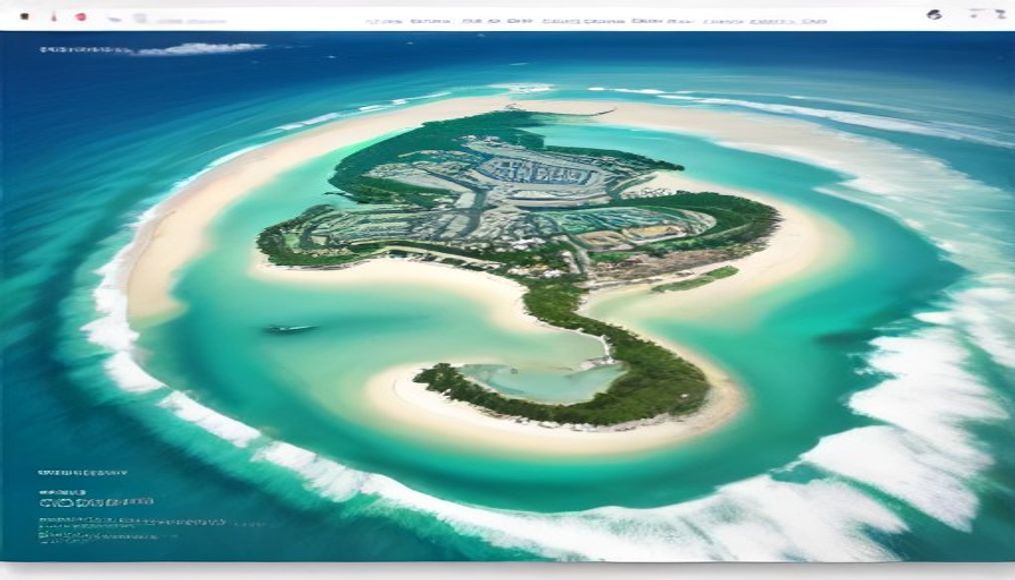
The digital nomad lifestyle, once a niche pursuit, has exploded into a global phenomenon. For many, it conjures images of working from a laptop on a pristine beach, enjoying cultural immersion, and embracing a more flexible way of life. However, a recent development in a picturesque island nation has cast a shadow on this dream, sparking a heated debate. A new ‘Golden Nomad’ visa program, targeting ultra-high-net-worth individuals, demands a minimum $2 million real estate investment in eco-luxury properties. While proponents tout economic boosts, environmental groups and local activists are slamming it for fueling gentrification and threatening delicate ecosystems.
This controversy has really opened up a conversation about what kind of digital nomadism we want to promote. Is it about exclusivity and unsustainable development, or can it be a force for positive change? If you, like many, are feeling uneasy about the ‘luxury digital nomad visa’ trend and its environmental footprint, you’re not alone. The good news is there are plenty of viable alternatives to luxury digital nomad visas that align with a more eco-conscious and inclusive philosophy. Let’s explore some fantastic options for those who want to travel, work, and make a difference, without the hefty price tag or the ethical dilemmas.
1. Portugal’s D7 Visa (Passive Income Visa): A Golden Ticket Without the “Golden” Price Tag
Portugal has long been a darling for digital nomads and expats, and its D7 Visa offers a compelling alternative to the exclusionary luxury programs. Often dubbed the ‘Passive Income Visa,’ the D7 is designed for non-EU/EEA/Swiss citizens who want to reside in Portugal and can demonstrate a stable, regular passive income. This could be from pensions, dividends, rental income, or even a remote salary, provided it’s consistent and meets the minimum threshold. Crucially, this threshold is far more accessible than the multi-million dollar investments required by ‘golden’ schemes – typically around €760 per month for a single applicant, increasing slightly for dependents.
What makes Portugal’s D7 so appealing for eco-conscious travelers? First, it encourages integration rather than isolation. You’re not required to buy into exclusive, purpose-built luxury enclaves. Instead, you can rent or purchase property in existing communities, supporting local economies directly. Portugal itself is making strides in sustainability, investing heavily in renewable energy and promoting eco-tourism initiatives. Choosing the D7 allows you to immerse yourself in a country that values its natural beauty and is actively working towards a greener future, without contributing to the kind of high-impact development that often accompanies luxury investment schemes. Plus, you get access to the Schengen Area, offering incredible travel flexibility once you’re a resident. explore digital nomad education offers useful background here.
2. Spain’s Digital Nomad Visa: Embracing a Sustainable Mediterranean Lifestyle
Spain recently launched its own dedicated Digital Nomad Visa, and it’s a breath of fresh air compared to the more opulent offerings. This visa, part of Spain’s Startup Law, is aimed at non-EU/EEA citizens who can work remotely for companies outside Spain or are self-employed with clients predominantly outside the country. The income requirement is set at 200% of the national minimum wage, making it far more attainable than the ‘Golden Nomad’ type of program. It grants residency for up to three years, with the possibility of renewal, and offers attractive tax benefits under a special regime.
For those prioritizing sustainability, Spain presents a fantastic opportunity. The country boasts diverse landscapes, from the Pyrenees to the Mediterranean coast, and many regions are actively promoting eco-tourism, agritourism, and sustainable practices. Choosing Spain means you can live in vibrant cities or tranquil rural areas, integrating into local life and minimizing your environmental footprint. Instead of contributing to isolated luxury developments, you can support existing local businesses, farmers’ markets, and public transport networks. It’s about experiencing the rich culture and natural beauty responsibly, a true alternative to luxury digital nomad visas that prioritize community and environmental stewardship. (See: Portugal's D7 Visa details.)
3. Estonia’s Digital Nomad Visa: A Tech-Forward, Eco-Minded Baltic Gem
Estonia was one of the pioneers in the digital nomad visa space, launching its program back in 2020. This innovative country, known for its e-residency program and tech-savvy population, offers a visa specifically for individuals who can work independently of location, either for an employer registered outside Estonia or as a freelancer/entrepreneur providing services to clients primarily outside Estonia. The income threshold is reasonable, currently around €3,504 per month before tax, making it accessible to a wide range of remote professionals.
Estonia’s commitment to digital transformation goes hand-in-hand with a strong focus on environmental protection. It’s one of Europe’s greenest countries, with vast expanses of forest and a genuine dedication to preserving its natural heritage. For eco-conscious nomads, this means access to stunning national parks, clean air, and a society that values sustainability. You won’t find yourself in sprawling luxury developments here; instead, you’ll discover charming medieval towns and modern, digitally-connected cities that blend seamlessly with nature. It’s a smart choice for those seeking a high quality of life and a forward-thinking, environmentally responsible environment, offering a stark contrast to the unsustainable ‘Golden Nomad’ model. There’s a fuller look at micro credentials for careers.
4. Croatia’s Digital Nomad Permit: Adriatic Beauty with a Conscience
Croatia, with its breathtaking Adriatic coastline, ancient cities, and lush national parks, has rapidly become a hotspot for remote workers. In 2021, it introduced a temporary stay permit for digital nomads, recognizing the economic and cultural benefits they bring. This permit is available to non-EU/EEA citizens who are employed or self-employed for a company not registered in Croatia, and who can prove sufficient funds (around €2,539.34 per month for a single applicant, increasing for family members). The permit is valid for one year and can be renewed.
What really stands out about Croatia for the eco-conscious traveler? Its commitment to preserving its natural wonders. The country boasts an incredible eight national parks and eleven nature parks, all meticulously protected. Choosing Croatia means you can live in close proximity to these natural treasures, engaging in sustainable tourism practices like hiking, cycling, and exploring local, organic food markets. The focus here is on experiencing authentic Croatian life and supporting local communities, rather than isolating yourself in a high-end, environmentally impactful resort. It’s an ideal alternative to luxury digital nomad visas for those who want to combine remote work with a deep appreciation for nature and responsible tourism.
5. Malta’s Nomad Residence Permit: Island Life, Sustainably Minded
Malta, a small but vibrant archipelago in the heart of the Mediterranean, offers its ‘Nomad Residence Permit’ for non-EU/EEA nationals. This program is open to individuals who can demonstrate they work remotely for an employer outside Malta, conduct business for a company registered outside Malta, or offer freelance services to clients whose permanent establishments are outside Malta. The income requirement is set at €2,700 per month gross, which is competitive and significantly lower than the investment-based schemes.
While Malta is a small island, it’s making efforts towards sustainability, particularly in renewable energy and water conservation. For a digital nomad, this means you can enjoy the unique history and culture of the islands, support local businesses, and experience a Mediterranean lifestyle without the need for large-scale, environmentally intrusive developments. Malta’s charm lies in its ancient cities, stunning coastlines, and friendly communities, not in exclusive luxury enclaves. It presents a viable and more ethical alternative to luxury digital nomad visas for those yearning for island life with a smaller footprint. (See: impact of travel on health.)
6. Mauritius’ Premium Travel Visa: Indian Ocean Paradise with a Purpose
Mauritius, a truly breathtaking island nation in the Indian Ocean, introduced its Premium Travel Visa to attract long-term visitors, including digital nomads. While not exclusively a ‘digital nomad visa’ in the strictest sense, it allows non-citizens to stay for extended periods (up to one year, renewable) provided they can prove they have sufficient funds and do not enter the Mauritius labor market. The income requirement is around $1,500 per month for a single applicant, making it quite accessible. You just need to show a clear intent to work remotely or conduct business from the island.
Mauritius is globally recognized for its commitment to conservation and sustainable tourism. The government actively promotes eco-friendly initiatives, from protecting its unique marine life and coral reefs to preserving its lush interior forests. As a digital nomad here, you can support local conservation efforts, engage with community-based tourism, and truly appreciate the island’s natural wonders responsibly. This is a far cry from luxury developments that might threaten fragile ecosystems; instead, it’s an opportunity to immerse yourself in a paradise that values its environment. It’s a wonderful alternative to luxury digital nomad visas for those seeking a tropical escape with a strong ethical backbone.
7. Colombia’s Digital Nomad Visa: Vibrant Culture, Emerging Sustainability
Colombia recently joined the growing list of countries welcoming digital nomads with a dedicated visa. Launched in October 2022, this visa allows remote workers, freelancers, and entrepreneurs from eligible countries to reside and work in Colombia for up to two years. The income requirement is set at three times the Colombian minimum wage, which is currently a very reasonable amount, making it highly accessible. This initiative signals Colombia’s commitment to diversifying its economy and embracing the global remote work trend.
For the eco-conscious traveler, Colombia offers unparalleled biodiversity, from the Amazon rainforest to the Andes mountains and Caribbean coast. While sustainability efforts are still emerging in some areas, the country has a wealth of eco-tourism opportunities, particularly in rural and indigenous communities. Choosing Colombia as your remote work base means you can support local economies directly, explore incredible natural landscapes responsibly, and witness a country in transformation. It offers a vibrant cultural experience that is genuinely rooted in local life, presenting a distinct and ethical alternative to luxury digital nomad visas focused on exclusive, high-impact developments.
8. Montenegro’s Digital Nomad Program (Upcoming): Balkan Beauty on the Horizon
While not fully launched yet, Montenegro has announced plans for its own digital nomad program, signaling its intention to attract remote workers to its stunning Balkan landscapes. The proposed framework suggests a straightforward application process and aims to be competitive, making it an exciting prospect for those looking for new, less-traveled destinations. Keep an eye on official announcements, as this could be a fantastic option in the near future. (See: sustainability in eco-tourism.)
Montenegro is a jewel of the Adriatic, boasting dramatic mountains, pristine lakes, and a beautiful coastline. Its commitment to becoming an ‘ecological state’ is enshrined in its constitution, and it’s making genuine efforts in sustainable tourism. For eco-conscious nomads, this means opportunities to explore national parks like Durmitor and Biogradska Gora, engage in responsible outdoor activities, and support local businesses in charming towns. When it launches, Montenegro’s program will likely offer a refreshing alternative to luxury digital nomad visas, focusing on integrating remote workers into a naturally rich and culturally vibrant environment without the burden of massive investments.
9. Argentina’s Digital Nomad Visa: South American Allure, Accessible Terms
Argentina introduced a digital nomad visa program in May 2022, making it easier for remote workers to experience its diverse culture and landscapes. This visa is available to non-MERCOSUR nationals who work remotely for companies or clients outside Argentina. The requirements are relatively straightforward, focusing on proof of remote employment or freelance contracts and demonstrating sufficient funds for your stay. The duration is initially for up to six months, with the possibility of extension.
Argentina, a vast country, offers incredible natural beauty, from the Patagonian glaciers to the Iguazu Falls. For eco-conscious travelers, there are numerous national parks and protected areas to explore, often with well-developed sustainable tourism initiatives. By choosing Argentina, you can immerse yourself in its rich cultural tapestry, from Buenos Aires’ vibrant city life to the tranquility of the wine regions, all while supporting local businesses and engaging with communities. It provides an authentic and accessible experience, standing as a clear alternative to luxury digital nomad visas that often create isolated bubbles of wealth. It’s about experiencing the real Argentina, responsibly.
The rise of ‘Golden Nomad’ visas certainly highlights a growing divide in the world of remote work and travel. But as you can see, the landscape is far from limited to these exclusive, often environmentally questionable, options. There’s a thriving ecosystem of alternatives to luxury digital nomad visas that prioritize accessibility, sustainability, and genuine cultural exchange. So, if your vision of remote work involves making a positive impact, exploring responsibly, and truly connecting with the places you visit, these fantastic countries are ready to welcome you with open arms – no multi-million dollar investment required.
Trending Now
- Your Data’s Last Stand: The Top 10 Services Crushing Big Tech Under California’s Delete Act
- this guide on this game-changing law lets you instantly erase your data from hundreds of brokers
- this guide on california’s delete act: your data’s new secret weapon for privacy compliance 2026
- read the full story
Frequently Asked Questions
What is a 'Golden Nomad' visa?
A 'Golden Nomad' visa is a program designed for ultra-high-net-worth individuals, typically requiring a significant investment, such as a minimum $2 million in real estate. While it aims to attract wealthy digital nomads, it has faced criticism for promoting exclusivity and environmental concerns.
Are there eco-friendly alternatives to luxury digital nomad visas?
Yes, there are several eco-friendly alternatives to luxury digital nomad visas, including Portugal's D7 Visa, which allows individuals to reside in Portugal with proof of stable passive income. These alternatives promote more inclusive and sustainable travel options.
What are the requirements for Portugal's D7 Visa?
The D7 Visa requires non-EU/EEA/Swiss citizens to demonstrate a stable, regular passive income, such as from pensions or remote work. This income must meet a minimum threshold, which is much lower than the investment required for 'golden' visas.
Why is the 'Golden Nomad' visa controversial?
The 'Golden Nomad' visa is controversial due to concerns about gentrification and environmental degradation. Critics argue that such programs prioritize wealth over sustainability and can lead to negative impacts on local communities and ecosystems.
How can digital nomads travel sustainably?
Digital nomads can travel sustainably by choosing eco-friendly visa options, like the D7 Visa, which emphasize inclusivity and environmental responsibility. Additionally, they can engage in local cultures, support sustainable businesses, and minimize their carbon footprint while traveling. This builds on tipping points in sustainability.
Agree or disagree? Drop a comment and tell us what you think.