Higher Education

Can Sixth Form Preparation Reduce University Drop-Out Rates?

Introduction:

Education is a continuous process of building knowledge and skills throughout an individual’s life. One key stage in this development is the transition from secondary school education to university. Ensuring a smooth progression through these stages, sixth form preparation is becoming more popular among students.

With rising university drop-out rates, many people are searching for methods to minimize this trend. One viable solution may lie in sixth form preparation. This article explores whether sixth form preparation can reduce university drop-out rates.

The Importance of Sixth Form Preparation

Sixth form preparation focuses on equipping students with the necessary skills and knowledge for university education. It offers A level subjects and other qualifications that permit entry to higher education while introducing a more flexible and independent learning environment.

The potential benefits of 2 years of sixth form preparation are tremendous: improved academic performance, better understanding of subject matter, greater study habits, and increased time management skills. By providing a strong foundation in these areas, sixth form education can contribute significantly to overall success at university.

Factors Contributing to University Drop-Out Rates

Several factors have been identified as contributing to the rise in university drop-out rates. These include:


1.Lack of preparedness – Many students enter universities without a full understanding of the expectations placed on them or lacking the required skills, such as research capabilities or study discipline.

2.Financial challenges – The increasing costs of higher education can force students to abandon their studies due to financial constraints or mounting debt.

3.Mental health issues – An overwhelming workload combined with adjusting to a new environment can lead students towards anxiety, stress, depression, and eventually withdrawal from their studies.

4.Lack of engagement – Students who feel disconnected from their university experience may be more inclined to discontinue their enrolment.

How Sixth Form Preparation Can Help

Sixth form institutions play a significant role in addressing some of the mentioned factors leading to university drop-outs.

1.Enhanced student preparedness – Sixth form preparation provides a platform for students to develop the required academic skills and bridge the gap between secondary school and university education. By doing so, it equips students with greater adaptability to their future higher education environment.

2.Financial planning – Some sixth form colleges offer financial advice to aid students in accessing scholarships, loans or other resources that will ensure education affordability.

3.Support networks – Sixth schools often provide support structures, including counselling services, mental health programs, and peer mentorship to help students navigate academic and personal challenges.

4.Fostering engagement – A sense of community within the sixth form fosters strong relationships among students, teachers and staff members, creating a support system that can continue once the student transitions into university life.

Conclusion

Sixth form preparation can play a pivotal role in mitigating university drop-out rates. By offering students an opportunity to develop their skills, access financial resources, maintain mental well-being, and establish lasting connections, these institutions contribute to a solid foundation for success in higher education.

While further research is necessary to quantify the direct impact of sixth form preparation on university drop-out rates accurately, there is no doubt that investing in high-quality school education ultimately benefits not just individuals but society as a whole.


Towards a New Professionalism in the Further Education Sector

Introduction:

The further education (FE) sector plays a critical role in shaping the landscape of learning and development, providing opportunities for individuals to acquire new skills, develop their careers, and contribute to social and economic growth. As the environment in which FE operates continues to evolve, it is imperative for the sector to adapt and embrace a new professionalism that addresses the challenges and maximizes the potential for success. This article will explore how adopting innovative approaches can enhance professionalism and impact within the FE sector.

Changing Landscape:

The FE sector is experiencing rapid changes driven by numerous factors, including technological advancements, changing demographics, evolving workforce demands, and an ever-shifting policy framework. These transformations require a progressive shift in the way educators approach teaching and learning. The emergence of online platforms, increased globalization, and a greater focus on lifelong learning necessitates embracing flexibility, adaptability, and forward-thinking strategies.

Professional Development:

An essential aspect of driving this new professionalism is investing in continuous professional development (CPD) opportunities for educators. A focus on tailored training programs aligned to individual needs will help build skills essential for thriving in this dynamic environment. Furthermore, by incorporating teaching methods that leverage technology for delivering content, fostering collaboration, and encouraging innovation, educators can better prepare learners for the job market of the future.

Collaboration between Stakeholders:

In order to achieve meaningful progress within the FE sector, collaboration between various stakeholders is crucial. By facilitating partnerships among educational institutions, industry experts, policymakers, and students themselves, all parties work together to align objectives and ensure outcomes meet current demands. These partnerships are particularly vital for designing curricula that are relevant not just today but in anticipation of future industry requirements.

Embedding Key Values:

To further advance this evolved professionalism in FE institutions, core values such as inclusivity, accessibility, accountability, creativity must be embedded into every aspect of institutional culture. Promoting a more inclusive environment will not only ensure that each learner is given the support they need to succeed but will also foster a sense of unity and connectedness within the academic community. By prioritizing accessibility, institutions can break down barriers to learning for individuals from diverse backgrounds and with varying needs, ensuring that everyone has an equal opportunity to pursue their aspirations.

Embracing Technology:

Technological advancements have revolutionized how we learn, teach, and interact. A key element of this new professionalism is to harness the power of digital tools and resources to develop innovative teaching methods that cater to different learning preferences. For example, incorporating virtual reality or augmented reality in the learning process can create immersive experiences that facilitate deeper understanding and engagement. Similarly, building robust online platforms will make collaboration and communication within educational communities more seamless.

Conclusion:

As the further education sector moves towards a modernized era, embracing a new professionalism is essential for success in an ever-evolving landscape. Proactive stakeholder collaboration, continuous professional development, and a commitment to utilizing technology are just a few strategies that can catapult the FE sector into its next phase of impact. This shift is not only beneficial for institutions and educators but ultimately the learners who will drive our society forward as they embark on their lifelong learning journeys.

18 Engaging Integumentary System Activities For High School Students

Introduction:

The integumentary system is a crucial part of the human body, consisting of skin, hair, nails, and glands. Understanding this complex system is essential for high school students studying biology or human anatomy. The following 18 engaging activities will spark their interest and enthusiasm while helping them learn about the integumentary system.

1. Skin Layer Model: Students can create a 3D model of the skin layers using colorful playdough to visualize the different layers like the epidermis, dermis, and hypodermis.

2. Sensory Stations: Set up various sensory stations where students have to identify objects by their texture using only tactile information.

3. UV Detectives: Demonstrate the effects of UV radiation on skin using UV-sensitive beads that change color when exposed to sunlight.

4. Nail Growth Experiment: Students can measure their nail growth over several weeks to understand the rate at which nails grow and the factors affecting them.

5. Body Painting: Encourage creativity by allowing students to paint temporary tattoos or designs on their skin with non-toxic body paint, representing an artistic interpretation of the integumentary system.

6. Gallery Walk: Display images of different skin conditions and organize a gallery walk where students can discuss and identify potential causes and treatments.

7. Sunscreen Investigation: Test the effectiveness of various sunscreens under UV light by applying them on transparent plastic sheets or chart paper, analyzing which ones block UV radiation most effectively.

8. Anatomy Puzzles: Create cross-sectional puzzles from illustrations of skin anatomy that students must assemble correctly to learn about different components and layers.

9. The Magnification Challenge: Use microscopes or magnifying glasses to examine human hair samples from various ethnic backgrounds, comparing structural differences between them.

10. Sweating Science: Conduct experiments exploring how sweat cools down our bodies by simulating the evaporation process using damp cloth and a fan.

11. Interactive Skincare Quiz: Develop an interactive quiz, where students answer questions to match common skin issues with correct treatments and preventive measures.

12. Patchwork Poems: Write short poems or verses inspired by different aspects of the integumentary system, like the texture or color of the skin.

13. Human Scavenger Hunt: Provide a list of integumentary system-related features that students need to find in their classmates, such as freckles, moles, birthmarks, etc.

14. “What If” Debates: Discuss hypothetical scenarios based on protectiveness and resilience of skin – what if humans had scales like reptiles or fur like mammals?

15. Dermatologist for a Day: Role-play as dermatologists diagnosing various skin conditions based on provided case study descriptions.

16. Henna Art Workshop: Invite an expert in henna art to showcase traditional designs and techniques, emphasizing the significance of temporary body decoration in various cultures.

17. Skin Model Dissection: Use a plastic anatomical model of the skin to explore the internal features involved in healing wounds and regulating our body temperature.

18. Myths and Facts Game: Create a game where students knock down myths about skin care, sun protection, acne, and more by providing evidence-based facts.

Conclusion:

These 18 engaging and interactive activities will make learning about the integumentary system not only informative but also fun for high school students. Given its importance in our lives, it is crucial to develop a comprehensive understanding of this complex yet fascinating biological system.

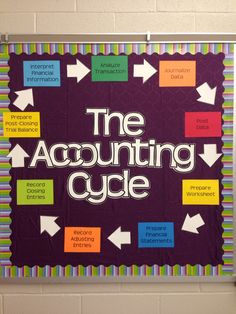
20 Insightful Accounting Activity Ideas

Accounting activities are crucial in both understanding and practicing essential financial management concepts. Incorporating engaging and insightful activities can make learning about accounting more enjoyable and practical. Here are 20 accounting activity ideas for various skill levels, from students to professionals.

1.The Lemonade Stand: Simulate a basic business by setting up a virtual lemonade stand. Track expenses, revenue, and calculate profit or loss at the end of a period.

2.Personal Budgeting: Have participants create their monthly budgets, including income, expenses, and savings goals.

3.Tax Simulation: Walk through the process of preparing a tax return using fictional information.

4.Invoice Preparation: Practice creating detailed invoices using standard formats or templates.

5.Bank Reconciliation: Conduct a bank reconciliation activity using mock banking transaction records and account balances.

6.Financial Statement Analysis: Review sample financial statements and identify areas that need improvement or potential red flags for audit.

7.Inventory Management: Simulate managing a store’s inventory using different methods such as FIFO or LIFO, tracking costs and quantities on hand.

8.Depreciation Calculation: Using given fixed assets information, participants will calculate depreciation expenses using various methods like straight-line or declining balance method.

9.Break-Even Analysis: Calculate the break-even point for a hypothetical business to determine sales volume needed to cover costs.

10.Payroll Processing: Apply payroll calculations by incorporating basic tax rates and deductions for fictional employee scenarios.

11.Cash Flow Forecasting: Create cash flow projections based on current revenue, expense data, and anticipated future changes in the business environment.

12.Ratio Analysis: Analyze financial ratios such as current ratio, debt-to-equity ratio, and return on investment (ROI), interpreting results for improved financial decision-making.

13.Credit Control Simulation: Prepare a credit control policy for a hypothetical company to manage debtors effectively.

14.Budget Vs Actual Analysis: Compare budgeted and actual expense numbers to identify discrepancies and make adjustments as needed.

15.Cost Allocation: Assign indirect costs such as rent and utilities to different departments based on a given allocation method.

16.Mock Audit: Simulate a business audit where participants act as auditors and review a company’s financial records to detect errors or discrepancies.

17.Cash vs Accrual Accounting: Discuss the differences between cash and accrual accounting systems and determine which system is more suitable for different scenarios.

18.Variance Analysis: Examine variance between budgeted and actual costs, discussing reasons behind deviations and possible corrective actions.

19.Expense Classification: Categorize expense items in given samples based on their respective accounting classifications such as operating, financing, or investing activities.

20.Annual Report Breakdown: Review an actual public company’s annual report, including understanding auditor opinions, financial statements, notes, and the MD&A section.

Incorporating these accounting activities into your learning or professional environment will enable a deeper understanding of crucial accounting concepts, organizational financial management, and decision-making skills.

A Pathway to College for High School Girls

Introduction:

For many high school girls, the pursuit of higher education can often be hindered by financial constraints and limited opportunities. Recognizing the need to pave a pathway to college for these young women, a prestigious award has been created to help talented and deserving girls achieve their academic dreams. This award not only brings recognition and visibility to young female students but also provides them with the motivation, guidance, and resources needed to attend college.

Empowering High School Girls:

The primary goal of this award is to empower high school girls and bolster their confidence in their academic pursuits. Through diligent work and constant encouragement, this award inspires young women to believe in their abilities and strive for excellence in all aspects of their lives – which inevitably leads to doors being opened for higher education.

Importance of Opportunities for Academic Growth:

For many girls from less privileged backgrounds, finding opportunities for academic growth can be challenging. The availability of scholarships, mentorship programs, or even acceptance into prestigious institutions can make all the difference when it comes to securing a spot in college.

This award aims to bridge the gap between available resources and deserving candidates by offering comprehensive support tailored specifically for female students. It does so by providing financial assistance for tuition fees, guidance on application processes, and ongoing mentorships that help hone skills, explore career options, and develop strong professional networks.

Role Models and Mentorship:

The award also focuses on connecting recipients with role models and mentors who have excelled in academia and are eager to share their knowledge and experiences. By fostering connections between young students and successful professionals or academics, these girls have the unique opportunity of gaining invaluable insights into various fields or industries they might be interested in.

Recognizing Talent and Dedication:

The selection process for this award is rigorous, involving an evaluation of applicants’ academic performance, extracurricular achievements, leadership skills, and community involvement. By identifying and recognizing the most talented and dedicated candidates, the program sends a strong message about the importance of rewarding hard work and commitment.

The Ripple Effect:

This award has the potential to create a ripple effect across communities, inspiring other girls to pursue higher education and invest in their futures. The success stories of past winners can serve as motivation for those who may have considered giving up on their dreams.

Conclusion:

By providing a pathway to college for high school girls, this award represents a crucial investment in their futures and, by extension, the world as a whole. By empowering young women with the tools they need to succeed, society as a whole benefits from their talents, innovation, and leadership. This award is more than just financial assistance – it is an opportunity to build a foundation of knowledge, self-confidence, and ambition that will serve these students throughout their lives.

Is College Right for Every Student?

The question of whether college is right for every student remains a pertinent issue in today’s fast-paced and ever-changing world. The importance of higher education is no doubt crucial, but it’s essential to evaluate if pursuing a college degree aligns with an individual’s desires, skills, and long-term goals. Let’s take a deep dive into factors that students should consider when deciding if a college education is the right path for them.

1. Career aspirations

The first question students should ask themselves is what they wish to achieve career-wise. Some professions require specific degrees and academic credentials, while others focus on demonstrable skills and experience in the relevant field. A student wanting to become a doctor or lawyer will require college education, but someone seeking creative professions such as design, photography or entrepreneurship might find success through alternative means.

2. Learning style

Not everyone learns effectively through traditional classroom settings. Many individuals flourish in hands-on environments or by acquiring skills at their own pace. It’s essential to understand one’s learning preferences before attending university, as generally, college education follows structured curriculums within classroom settings.

3. Financial stability

The cost of higher education can be significant, and not everyone is prepared to take on large amounts of student debt. Students should weigh the advantages and drawbacks of obtaining an expensive degree against their potential return on investment (ROI). In some cases, pursuing technical training or attending community college may be more financially viable options that still open doors to lucrative careers.

4. Job market conditions

Depending on the chosen field, the job market conditions can affect the need for a college degree. An oversaturated job market may make it difficult for graduates without ample experience or connections to secure employment opportunities in their industry of choice. Alternatively, industries experiencing labor shortages might encourage students to pursue varying levels of certification and vocational training rather than obtaining four-year degrees.

5. The value of networking and social connections

Social circles and networks often expand during college, providing opportunities for valuable friendships, mentors, and professional contacts. This exposure to diverse perspectives can enrich students’ lives, both personally and professionally. However, it’s worth considering that networking opportunities can be found outside college environments as well.

6. Personal growth and development

For many, college years are an opportunity to grow personally and intellectually, allowing students to explore their interests deeply. These formative experiences typically cannot be replicated elsewhere. Students seeking personal growth should carefully evaluate if the opportunities provided in a college environment align with their needs.

In conclusion, while college education is invaluable for some, it may not suit everyone’s needs, aspirations, or financial situation. Students must take the time to assess their goals, strengths, and preferences when deciding whether higher education is the right path to follow. Their decision should be an informed one based on self-awareness rather than adherence to societal expectations.

7 Lessons Learned in 30 Years of Teaching

1. Establish a Positive Classroom Environment

Creating a welcoming and positive classroom environment can make all the difference in students’ engagement, enthusiasm, and academic success. Over 30 years of teaching, I have learned that promoting a culture of respect, collaboration, and open communication fosters an ideal learning space for all.

2. Adapt to Diverse Learning Styles

Every student is unique and has different learning preferences. Over time, I’ve learned that adapting to various learning styles and using a mix of teaching methods helps engage each individual, promoting better understanding and retention of the material.

3. Develop Strong Relationships with Students

Developing strong relationships with your students is essential for an effective learning experience. Showing genuine interest in their lives, engaging with them outside the classroom, and providing personalized support can have a monumental impact on students’ motivation and self-esteem.

4. Set Clear Expectations

Setting clear expectations from day one ensures students understand what is required of them throughout the academic year. This helps prevent confusion or misunderstandings later on by establishing guidelines for behavior, academic performance, and communication between teachers and students.

5. Embrace Change and Technology

The education landscape constantly evolves with new philosophies, methodologies, and technological advancements. Embracing these changes helps teachers stay relevant in their field while also providing students with the most current educational tools to enhance their learning experience.

6. Maintain Professional Development

Learning as an educator is a lifelong process. By pursuing professional development opportunities such as conferences, workshops, and further education courses, teachers can continuously improve their skills and positively impact their students’ overall growth.

7. Encourage Student Independence

Encouraging student autonomy not only improves motivation but also prepares them for future challenges as independent learners. Once I began fostering self-directed learning by providing opportunities for my students to take responsibility for their education, they developed problem-solving skills, critical thinking abilities, and resilience that prepared them for success in the long run.

The Cost of Our College Obsession

In recent years, society has placed an ever-increasing emphasis on the importance of obtaining a college education. This push towards higher education has fueled our collective obsession with prestigious universities, rankings, and future earning potential – turning the college experience into a high-stakes competition for many. However, what is often overshadowed by this fervor is a critical evaluation of the tangible and intangible costs that our college obsession inflicts on students, families, and society at large.

Firstly, there is the immense financial burden associated with attending college. As tuition costs soar in both public and private institutions, countless students are forced to shoulder heavy amounts of student loan debt. According to the Federal Reserve, in 2021, total student loan debt in the United States reached an astounding $1.7 trillion – a crisis-level sum poised to take a massive toll on generations to come. This crippling debt not only affects individual students’ lives but also has an alarming domino effect on the broader economy.

Another cost of this college obsession is the mental health crisis among students. The pressure to meet increasingly competitive admissions standards and maintain exemplary academic records takes a toll on many young people’s emotional wellbeing. Studies have shown that anxiety and depression are on the rise among college students, leaving them vulnerable as they emerge into adult life.

Also worth mentioning is the eroding value of a college degree relative to its price tag. As more people obtain college educations with hopes for gainful employment in their desired fields, the workforce has become increasingly oversaturated with degree holders. Consequently, many graduates find themselves working in positions that do not align with their education levels or degrees—making one question if our investment in higher education provides diminishing returns over time.

Further complicating matters is the concept of “prestige” that permeates our educational beliefs. Given society’s fixation on certain respected institutions and job placements within specific companies, students often lose sight of their passions and employabilities beyond this narrowly-defined scope. This reinforces an unhealthy cultural narrative in which finding one’s way—in a manner that is self-driven and unique—is unnecessarily frowned upon or dismissed.

Additionally, there exists an alarming talent gap in vocational fields, which are often undervalued due to the college-centric mindset. Skilled trades are essential for the functioning and growth of society, but the overemphasis on traditional college pathways leaves these sectors critically underserved. Not everyone needs or desires a traditional four-year degree, and it’s crucial that we reevaluate our perception of success and academic achievement to include a variety of career paths.

In conclusion, our obsession with college education carries significant costs for individuals and society as a whole. As tuition rates skyrocket, student debt accumulates, mental health suffers, and the value of degrees diminishes, it becomes abundantly clear that our reliance on this single measure of success is misguided. It’s high time that we broaden our horizons and recognize that there are many roads to fulfilling careers, personal growth, and societal contribution – not just through a traditional college education.

7 Sites and Apps to Help Students Apply to College

Applying to college can be a daunting and time-consuming process, but with the right resources, you can streamline your search and simplify the application process. Here are seven sites and apps that will help you put your best foot forward and land a spot at your dream college.

1. Common App

The Common App is a platform that allows students to submit one application to multiple colleges without filling out multiple forms. Over 750 colleges and universities accept the Common App, making the application process efficient for both domestic and international students.

2. Naviance

Naviance is an online college planning tool designed to help students manage their career, academic, and personal goals. It walks students through the entire college application process while providing resources such as scholarship opportunities, career aptitude quizzes, and goal-setting activities.

3. BigFuture by CollegeBoard

BigFuture is a comprehensive college planning website backed by CollegeBoard. It includes resources such as a college search engine, financial aid information, SAT/ACT preparation courses, scholarship opportunities, and various tools to help with organization and planning.

4. Cappex

Cappex is another useful website that streamlines the college search process. By creating a profile, students have access to profiles of thousands of colleges, along with scholarship opportunities tailored specifically for them. Students can also explore possible majors and get personalized recommendations based on their preferences.

5. Scholly

Scholly is an app designed specifically to help students find scholarships for higher education. Entering personal details such as GPA, field of study preferences, background information, and location allows the app to generate a list of relevant scholarships for each student.

6. Niche

Niche offers comprehensive data on schools across the United States so that students can make informed decisions about where they would like to apply. The site includes reviews from real students about campus life, academics, and extracurricular activities. It also provides tools to compare schools side by side, information on tuition costs, and potential earnings after graduation.

7. My Coalition

My Coalition is another free online platform aimed at simplifying the college application process. It offers a portal to more than 150 colleges and universities’ admission applications, including the Ivy League schools. Additionally, it includes collaboration tools that allow students, counselors, and mentors to work together on application essays and materials.

In conclusion, these seven sites and apps provide invaluable resources for students navigating the college application process. By utilizing these tools, students can reduce stress and save time while exploring their options and ultimately securing a spot in their desired institution. Good luck with your college search!

17 Essential Lessons for Teaching the Holocaust

Introduction:

The Holocaust, one of the darkest chapters in human history, must be remembered and understood in order to prevent future atrocities. Educating others, especially young students, about the Holocaust can be a challenging task. In this article, we’ll explore 17 essential lessons to help teach the Holocaust in an impactful and sensitive manner.

1. Historical Context: Begin by discussing the historical context that led to the rise of Adolf Hitler and the Nazi Party. Discuss World War I, Germany’s loss, and the Treaty of Versailles.

2. Rise of Anti-Semitism: Make sure to explain the deeply rooted anti-Semitic beliefs that culminated with the Holocaust. Include an examination of anti-Semitic laws and policies put into place by the Nazi Party.

3. Propaganda Techniques: Teach students about various propaganda techniques used by the Nazis to manipulate public opinion against Jews and other groups they deemed undesirable.

4. The Ghettos: Discuss how Jewish communities were segregated into ghettos which later served as staging areas for mass deportations to concentration camps.

5. The “Final Solution”: Educate students on how Nazi leadership planned and implemented mass extermination of Jews through what they called “the final solution.”

6. Concentration Camps: Explain that several different types of concentration camps existed – work camps, extermination camps, and transit camps – each with distinct purposes related to the intended outcome.

7. Heroes and Rescuers: Share inspiring stories of courage and sacrifice exhibited by individuals who risked their lives to save others during this terrifying time.

8. Victim Groups: Though Jews were a primary target, educate students on other groups who also suffered during the Holocaust, such as Romani people, Jehovah’s Witnesses, homosexuals, disabled individuals, and political dissidents.

9. Personal Accounts: Use firsthand accounts, diaries, letters or testimonies from those who lived through the Holocaust to make the experience more vivid and relatable.

10. Resistance Movements: Despite the extreme adversity, Jewish resistance movements existed in various forms, including armed uprisings and spiritual resistance. Discuss these acts of defiance and courage.

11. The Role of Bystanders: Examine the role of bystanders who witnessed, tolerated or actively participated in the systemic destruction of innocent lives during the Holocaust.

12. The Liberation: Detail the eventual liberation of Europe from Nazi rule and outline the post-war efforts to hold Nazi leaders accountable for their war crimes.

13. Antisemitism Today: Discuss modern manifestations of antisemitism and explore methods to combat this ongoing issue.

14. Holocaust Denial: Address the problem of Holocaust denial and equip students with facts to counter denialist arguments.

15. Remembrance: Teach students about Holocaust remembrance initiatives such as museums, memorials, and commemorative days that foster continued remembrance and understanding of this tragic history.

16. Connection to Human Rights: Highlight the importance of recognizing everyone’s basic human rights as a way to prevent future atrocities like the Holocaust from happening again.

17. Critical Thinking Skills: Encourage students to question assumptions, evaluate sources, and foster critical thinking skills that empower them to take an informed stand against prejudice and discrimination in all forms.

Conclusion:

Teaching the Holocaust requires sensitivity, accuracy, and an open dialogue with students about difficult topics. These 17 essential lessons can serve as a foundation for engaging with this vital part of history, encouraging students to learn from the past and strive for a world free from hatred and prejudice.