Language Arts

Quiz: Could You Make it to the National Spelling Bee?

Introduction:

Do you have what it takes to compete with the best spellers in the country? Every year, students from all over the United States take part in the challenging and exciting National Spelling Bee. Test your spelling skills and knowledge with our quiz, and find out if you have what it takes to make it to the national stage!

Question 1:

What is the correct spelling of an instrument used to measure atmospheric pressure?

A) Barometer

B) Barometre

C) Barameter

D) Barametre

Question 2:

What is the correct spelling for a reddish-brown marsupial found in Australia?

A) Wallabee

B) Wallaby

C) Wollabee

D) Wollaby

Question 3:

Which correctly spells a word meaning a Greek sandwich made with meat, vegetables, and tzatziki sauce?

A) Jiros

B) Gyros

C) Guiros

D) Giroz

Question 4:

What is the correct spelling for a sweet pastry filled with fruit or custard, often topped with icing sugar?

A) Danisch

B) Dannish

C) Danish

D) Danesh

Question 5:

How is the term referring to the official language of ancient Rome spelled?

A) Latten

B) Latein

C) Latin

D) Latine

Question 6:

Which word correctly spells an adjective that means having great significance or causing great disturbance?

A) Momentus

B) Mommentous

C) Momentous

D) Monmentous

Conclusion:

Now that you’ve tried your hand at these trivia questions, do you think you could make it to the National Spelling Bee? With hard work, practice, and perseverance, you just might find yourself competing against some of the best spellers in the country! Keep challenging yourself and expanding your vocabulary, and you could soon be on your way to spelling bee glory.

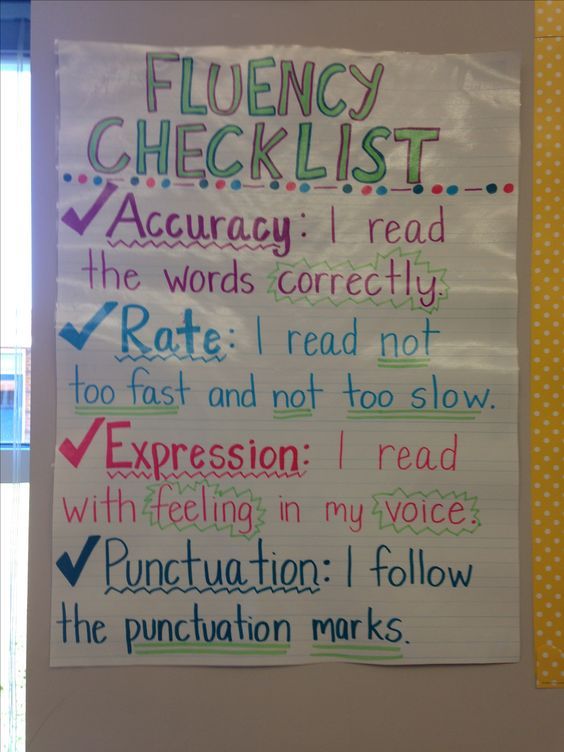
17 Fabulous Fluency Anchor Charts

In the world of education, anchor charts have become an indispensable tool for teachers to facilitate learning. Specifically, fluency anchor charts can significantly improve students’ reading abilities by focusing on the key aspects of reading fluency. In this article, we will explore 17 fabulous fluency anchor charts that teachers can incorporate as part of their teaching repertoire.

1. The Four Aspects of Fluency

This chart highlights the four components that make up fluency: accuracy, rate, expression, and comprehension. By breaking down fluency into these elements, students will better understand how to improve their overall reading skills.

2. Punctuation Rules

A chart that displays different punctuation marks and their uses helps students pause at appropriate intervals while reading. This improves not only their understanding but also their ability to read aloud with proper expressions.

3. Expression Matters

Giving examples of different tones and emotions, this chart teaches students the importance of reading with expression, allowing them to better engage with the text.

4. Phrased Reading

Dividing sentences into smaller phrases helps students maintain a natural flow while reading aloud. This chart demonstrates how breaking down sentences makes it easier to read smoothly and fluently.

5. Target Reading Rates

Having a list of recommended reading rates for each grade level allows students to set personal goals and track their progress in increasing their reading speed.

6. Prosody Pie

Prosody is related to the expressiveness in one’s tone while reading. This visually appealing pie chart includes essential elements such as pitch, volume, tempo, and phrasing.

7. Finger-Tracking Techniques

This anchor chart showcases different finger-tracking techniques for students who face challenges in following the text line-by-line.

8. Partner Reading Strategies

Encouraging collaboration among students, this chart lists various techniques they can use while practicing paired reading activities.

9. Self-Assessment Rubric

A rubric with criteria for assessing one’s fluency rate, expression, and accuracy supports students in recognizing their strengths and identifying areas for improvement.

10. Common Reading Mistakes

By pointing out the most common reading mistakes, this chart encourages students to learn from their errors and enhance their reading abilities.

11. Fluency Strategies

This instruction-oriented chart outlines specific strategies students can apply to improve their reading fluency, such as rereading sentences and focusing on individual words.

12. Readers’ Theatre Tips

Readers’ theatre is an excellent tool for promoting fluency development. This chart offers practical tips for executing a successful readers’ theatre session within classrooms.

13. Visualization Techniques

Visualization can have a substantial impact on comprehension and fluency. This chart lists various techniques that enable more vivid and thorough understanding of texts.

14. Choral Reading Activities

Choral reading is another effective method for fostering fluency. This anchor chart provides engaging activities that teachers can use to facilitate choral reading within their classrooms.

15. Poetry and Fluency

Poems are inherently versatile resources for teaching fluency. Introducing an anchor chart focuses on the connection between poetry and fluency, offering various poetry-based activities for students to practice.

16. Cross-Curricular Fluency Connections

By showcasing how fluency applies across various subjects, this anchor chart emphasizes the importance of fluency in all aspects of education.

17. Celebrate Progress!

This final anchor chart underpins the significance of acknowledging growth and milestones within each student’s journey towards improved reading proficiency.

In summary, these 17 fabulous fluency anchor charts serve as essential tools to promote comprehensive reading skills in students. By integrating these charts into their classrooms, teachers can provide insightful guidance and effectively address each aspect of reading fluency.

15 Great Anchor Charts for Teaching Adjectives

Introduction:

Adjectives can transform dull, lackluster sentences into lively and engaging ones. Introducing adjectives into a language learning journey can make all the difference. Here are 15 incredible anchor charts to use when teaching adjectives to your students.

1. Adjectives List:

Create an anchor chart listing a variety of adjectives grouped by categories such as size, shape, color, and feelings, making it easy for students to refer to when they need some ideas.

2. The Five Senses:

Design an anchor chart depicting the five senses and associate each sense with corresponding adjectives. This will help students create vivid descriptions based on sensory details.

3. Adjective Degrees:

Develop an anchor chart illustrating the three degrees of adjectives – positive, comparative, and superlative forms – along with examples, rules and common exceptions.

4. Order of Adjectives:

Craft an anchor chart showing the correct order of adjectives in a sentence (quantity, quality, size, age, shape, color, origin, material, purpose) to clarify proper sentence structure.

5. Synonyms & Antonyms:

Create a chart displaying common adjectives with their synonyms and antonyms to build students’ vocabulary and improve their writing skills.

6. Describing Characters:

Design an anchor chart focusing on character traits and emotions with corresponding adjectives to help students develop rich character descriptions in their writing.

7. Opposites Attract:

Develop an interactive chart containing pairs of opposite adjectives for students to practice using antonyms effectively.

8. Shades of Meaning:

Illustrate subtle differences between similar adjectives using a color gradient chart that links closely related words along the spectrum from mild to intense.

9. Adjective Word Bank:

Compile a comprehensive word bank of descriptive terms categorized by topic to provide a helpful resource for student writing assignments.

10. Adjective Detectives:

Incorporate a detective-themed chart which encourages students to “solve the case” by finding adjectives in books, articles, or their own writings.

11. Adjective Mad Libs:

Design a fun, interactive mad libs anchor chart using blanks for adjectives, allowing students to practice using a variety of descriptive words in unique and entertaining ways.

12. How Does It Feel?:

Create an emoji-themed chart featuring differing emotions and associated adjectives to enhance students’ understanding of feelings-based descriptive words.

13. Describing Settings:

Craft a visually appealing anchor chart with images of various settings, each accompanied by fitting adjectives to inspire students when describing environments in their writing.

14. Adjective Collage:

Encourage students to create a colorful collage of adjectives cut from magazines or printed materials that demonstrate an understanding of diverse descriptive terms.

15. Adjective Pictionary:

Develop an engaging activity where students draw pictures using assigned adjectives, and classmates guess the descriptors based on the illustrations.

Conclusion:

These 15 great anchor charts can effectively support your lessons on adjectives and help students build a solid foundation in grammar, vocabulary, and creative writing. Diversify your teaching approach with these visual aids to create an engaging learning environment that fosters improved language proficiency.

15 Hands-on Grammar Games That Make Learning Fun

Introduction:

Grammar can often seem like a daunting subject, particularly for students who are just starting to learn the nuances of language. Many traditional teaching methods may not resonate with all students, leaving them disengaged and uninterested. However, incorporating hands-on grammar games into your lesson plans is an effective way to make learning grammar fun and enjoyable. Here are 15 engaging grammar games that will help students grasp language concepts in an interactive and entertaining manner.

1. Grammar Bingo:

Create bingo cards with various grammar concepts (nouns, verbs, adjectives, etc.) written in each square. As you call out examples that fit the criteria, students will mark their squares until someone gets a bingo.

2. Noun/Verb Charades:

Have students act out different nouns or verbs while the rest of the class tries to guess what word they are portraying.

3. Mad Libs:

This classic game can be adapted for grammar learning by having students identify and fill in the blanks with the appropriate parts of speech.

4. Sentence Scramble:

Cut up sentences into individual words and have students race to put them back together in a grammatically correct order.

5. Punctuation Paintball:

On a whiteboard or large sheet of paper, write sentences without punctuation marks. Arm your students with markers (or paintballs if you’re outdoors) and let them add the correct punctuation marks.

6. Preposition Obstacle Course:

Set up an obstacle course and have students navigate through it while using prepositions to describe their actions (e.g., “I’m going under the table” or “I’m going between the cones”).

7. Contraction Concentration:

Create a memory game where students need to match contractions with their full forms (e.g., “it’s” matched with “it is”).

8. Adjective Art:

Have students draw pictures of various adjectives, such as colors or emotions, and share their creations with classmates who must identify the adjective depicted.

9. Synonym and Antonym Match:

Create matching cards of synonyms and antonyms and have students race to connect them correctly.

10. Prefix/Suffix Detective:

Give your students a list of words and let them identify the prefixes and suffixes used, as well as determine their meanings.

11. Possessive Puzzle:

Write possessive noun phrases on puzzle pieces and have students match the correct possessive form with the appropriate noun (e.g., “the dog’s bone” matched with “dog”).

12. Collective Noun Gallery Walk:

Display sentences that contain collective nouns around the classroom. Students walk around, reading the sentences and identifying the collective nouns as they go.

13. The Adverb Acting Challenge:

Have students act out adverbs while their classmates try to guess the specific adverb portrayed.

14. Grammar Jenga:

Label individual Jenga blocks with parts of speech or grammar rules, and have students practice those concepts as they play the traditional game.

15. Verb Tense Timeline:

Using a long strip of paper, create a timeline with past, present, and future markers. Students place provided verbs in their correct tense positions on the timeline.

Conclusion:

Harnessing play, creativity, and competition in these hands-on grammar games can create an enjoyable learning environment for students. Not only will they be more engaged in learning grammar principles, but they will also develop a better understanding of language concepts while having fun.

The Best YouTube Videos for Teaching Parts of Speech

Introduction:

Mastering the parts of speech is essential to understanding and communicating effectively in the English language. Fortunately, YouTube offers an abundance of videos to help learners of all levels grasp this crucial concept. We’ve compiled a list of the best YouTube videos that effectively teach the parts of speech, making it easier for students, teachers, and parents to access quality educational content.

1. Parts of Speech by EnglishClass101:

This comprehensive video by EnglishClass101 covers all eight parts of speech in just under 7 minutes. The animated visual aids and concise explanations make it an ideal video for beginners and intermediate learners alike.

URL: https://www.youtube.com/watch?v=xuXaKyxd5LU

2. Schoolhouse Rock: Grammar – Unpack Your Adjectives:

This classic Schoolhouse Rock video features a catchy song that helps children remember how adjectives function in a sentence. With over 1 million views, the short animated video is perfect for engaging young learners.

URL: https://www.youtube.com/watch?v=AQKydjqHp5U

3. Grammaropolis – “Nouns”:

Grammaropolis’ “Nouns” video presents the concept through creative storytelling and vibrant animation. The memorable song and engaging content make it easy for young learners to understand this essential part of speech.

URL: https://www.youtube.com/watch?v=F3jxrRpG7DY

4. TED-Ed – How to use a semicolon by Emma Bryce:

While not strictly about parts of speech, this informative TED-Ed video illustrates how to use semicolons effectively, encouraging advanced learners to refine their writing skills.

URL: https://www.youtube.com/watch?v=M94_rmALrWs

5. Flocabulary – The 9 Parts of Speech – Hip-Hop Style:

This Flocabulary video explains each part of speech in a creative, hip-hop style that appeals to all ages. The captivating beats and engaging lyrics provide an entertaining yet educational learning experience.

URL: https://www.youtube.com/watch?v=zO_rBGKp7E4

Conclusion:

These YouTube videos offer accessible and engaging ways to teach and learn the parts of speech. By incorporating various teaching methods, from catchy songs to thorough explanations, these videos can help students effectively grasp this essential language concept. Whether you’re a student trying to improve your language skills or a teacher searching for a fun way to explain parts of speech, these videos cover everything you need to know.

Bug Puns You Can “Bee” Sure Your Students Will Love

For those who love teaching and have an affinity for puns, incorporating bug puns into your classroom routine can be a fun and engaging way for students to loosen up and enjoy their lessons. Here are some of our best bug puns that your students will adore!

1. Why did the bee go to the dermatologist? Because it had hives!

2. What do you call a mosquito who won’t stop talking? An un”fly”latable chatterbox!

3. What do spiders use to decorate their homes? Webbing, of course!

4. What’s a caterpillar’s idea of a perfect day? Chillaxing on a leaf with its mane-tenna up!

5. Did you hear about the cockroach stand-up comedian? He’s always cracking up bugs!

6. Why did the fly join the basketball team? It was a natural at buzzing around the court!

7. What do you call a fashionable beetle? Dressed to ant-press!

8. Who is an ant’s favorite music artist? Ant-yoncé, who else?

9. What’s an insect’s favorite sport? Cricket, no doubt about it!

10. What do bugs order when they go out for fast food? Hive ‘n’ seek’n nuggets!

There are so many incredible bug-related puns that range from silly to educational. It’s important to remember that humor is an essential component of the learning process – and often one that provides those lightbulb moments when everything clicks into place.

Incorporate these bug puns into science lessons, spelling bees, or even on classroom signs and posters! You can also challenge your students to come up with their own insect-inspired puns or host a “pun day” where everyone shares their favorites.

We hope these delightful entomological witticisms have given you some inspiration for adding a touch of humor to your lesson plans. You can “bee” sure that these clever jokes will “mite” just be the trick to keeping your students engaged and smiling throughout the day!

So go ahead, sprinkle some of these pun-tastic gems in your teaching toolkit and watch as your students light up with laughter – because nothing brings out the best in young minds more than learning combined with plenty of giggles. Happy punning!

Your Language Arts Block is the Best Time to Teach SEL

The importance of social-emotional learning (SEL) in today’s educational landscape cannot be overstated. While many teachers and schools rightfully prioritize academics, it’s essential not to neglect our students’ mental well-being and interpersonal skills. One way to integrate SEL into the daily classroom routine is during language arts block. Here are ten innovative ideas to incorporate social-emotional learning into your language arts curriculum:

1. Reading Corner Reflections: Set up a reading corner in your classroom where students can engage with books dealing with various emotions, relationships, and experiences. After reading, ask them to share their thoughts and feelings, fostering empathy and self-awareness.

2. Creative Storytelling: Encourage students to create stories that revolve around interpersonal challenges or personal growth. Allow them the space to explore different emotions and scenarios that foster discussions around self-management and relationship skills.

3. Emotion Vocabulary: Introduce emotions-based words during spelling exercises or vocabulary lessons, helping students expand their emotional vocabulary. Discuss the meanings of these words in relation to students’ own experiences.

4. Role-play Activities: Use role-play scenarios during language arts activities as a means of cultivating empathy, perspective-taking, and assertiveness skills.

5. Literature Circles: Implement literature circles, focusing on age-appropriate texts that address characters grappling with social issues, emotional challenges, or moral dilemmas. Encourage reflective questions during discussions.

6. Letter Writing: Request students to write letters expressing gratitude, seeking forgiveness, or offering a supportive message for a struggling friend or family member. This activity teaches self-awareness and social awareness.

7. Script Writing: Invite students to collaboratively create a script that emphasizes empathy and problem-solving skills while challenging them with grammar and sentence structure development.

8. Conflict Resolution Scenarios: Develop critical thinking skills in your students by presenting conflict resolution scenarios. Have them write or draw possible solutions and consider multiple perspectives, allowing them to practice healthy communication and negotiation techniques.

9. Perspective Taking: Use texts written in the first-person narrative to discuss how different people can perceive the same situation differently. Helping students recognize these different perspectives will facilitate empathy and encourage open-mindedness.

10. Emotional Journaling: Integrate journal writing as a reflective practice where students can express their thoughts, feelings, and emotions without fear of judgment. This simple yet powerful tool promotes self-awareness and encourages emotional intelligence.

Language arts block offers ample opportunities for teachers to seamlessly integrate SEL into their existing curriculum. With intentionality and creativity, activities that foster emotional intelligence and social skills can coexist beautifully with language arts, making for a well-rounded education that benefits both the minds and hearts of our students.

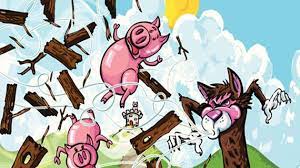
The Best Fractured Fairy Tales: The Three Little Pigs

Once upon a time, in the realm of fractured fairy tales, The Three Little Pigs took center stage as one of the most beloved and retold stories. These retellings, also known as fractured fairy tales, provide fresh and exciting perspectives on this classic tale, incorporating new elements while maintaining the essence of the original story. Let’s dive into some of the best fractured versions of The Three Little Pigs.

1. “The True Story of the Three Little Pigs” by Jon Scieszka

In this clever rendition, the story is narrated by none other than the Big Bad Wolf himself. According to Mr. Wolf, he was simply trying to borrow sugar from his pig neighbors when a series of unfortunate and misunderstood events led to him being labeled as “big” and “bad.” This book explores themes such as differing perspectives and misunderstandings while humorously twisting a classic tale.

2. “The Three Little Wolves and the Big Bad Pig” by Eugene Trivizas

This delightful reversal of roles sees the three little wolves building defenses against an intimidating and menacing Big Bad Pig. With each home they build having stronger materials and better security features than the last, they soon realize that sometimes the best defense is a little kindness and friendship.

3. “The Three Ninja Pigs” by Corey Rosen Schwartz

In this action-packed retelling, the three pigs learn martial arts to face their foe, the fearsome wolf! Infused with humor and excitement through energetic illustrations and engaging storytelling, The Three Ninja Pigs brings a new dimension to a classic story.

4. “The Fourth Little Pig” by Teresa Celsi

Ever wondered if there were more siblings in the pig family? This story introduces a remarkable fourth sibling who is clumsy but endearing. When she saves her siblings with her incredible ingenuity amid potential disasters, readers are reminded of the power of family bonds and the importance of embracing one’s unique abilities.

5. “Taliyah, Dexter & Riley: The Unorthodox Three Little Pigs” by Siovonne Wagner

In this modern and inclusive version of the story, Taliyah, Dexter, and Riley aren’t your ordinary pigs. Each pig possesses their own unique talents and interests, such as painting, music, and sports. When the Big Bad Wolf comes a-knocking, they use their individual skills to build the perfect family home that’s wolf-proof!

These imaginative versions of The Three Little Pigs offer new insights and perspectives to a familiar tale while providing entertainment for readers of all ages. So, curl up with a good book and enjoy these fractured fairy tales that breathe new life into the classic story we all know and love.

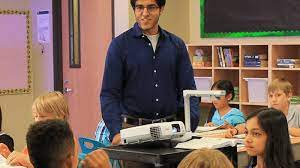
10 Smart Ideas for a Document Camera in Language Arts Class

1. Analyzing Texts

Using a document camera, project a page from a novel or a poem onto the screen and conduct real-time analysis of the text. This allows students to visually follow along as you dissect themes, unravel metaphors, and discuss various literary devices.

2. Interactive Editing

Project a student’s written work onto the screen and provide live feedback on their grammar, punctuation, spelling, and overall structure. Encourage students to participate in the editing process by proposing changes and discussing possible improvements.

3. Visual Storytelling

Incorporate visual elements into your language arts lessons by displaying illustrated books or graphic novels on the document camera. This enables you to discuss both the written content and visuals simultaneously, fostering multifaceted learning experiences.

4. Spotlighting Handwriting

Teach proper handwriting techniques by demonstrating them under the document camera. Students can follow along as you form each letter or practice cursive writing, allowing them to easily replicate what they see.

5. Vocabulary Building

Project vocabulary flashcards or word lists onto the screen and engage students in interactive exercises such as word associations or creating sentences using new words. This fosters vocabulary memorization and idiom understanding.

6. Sentence Diagramming

Show live examples of how to diagram sentences by displaying them under the camera while explaining each element of sentence structure. Students can actively participate by proposing ideas and analyzing complex sentences together.

7. Presenting Student Work

Encourage students to take pride in their work by periodically showcasing exceptional submissions (with permission) using the document camera. This promotes motivation, self-confidence, and peer appreciation for diverse writing styles.

8. Acting Out Scenes

During literature studies, have your students act out scenes or passages from the book while displaying dialogue onscreen with the document camera—allowing performers and other students to follow along easily with lines or stage directions provided.

9. Collaborative Writing

Work together as a class to create a story, poem, or script by projecting the document onscreen while students take turns offering suggestions and additions. This fosters teamwork, creativity, and an appreciation for the writing process.

10. Learning from Mistakes

Turn common mistakes into teaching moments by displaying incorrect examples under the document camera and discussing why they are incorrect. This not only helps clarify misconceptions but also encourages students to learn from each other’s errors.

In conclusion, incorporating a document camera in your language arts classroom can greatly enhance the learning experience for your students—from analyzing texts in detail and improving writing skills to fostering teamwork and creativity. These ten ideas provide just a glimpse of how technology can effectively elevate Language Arts education.

Pairing Fiction and Nonfiction in the High School Classroom: A Powerful Approach to Enhance Learning

In today’s diverse and ever-evolving educational landscape, it is vital for teachers to explore creative and effective instructional approaches that engage students in meaningful learning experiences. One such approach is pairing fiction and nonfiction texts in the high school classroom—an innovative strategy that can lead to significant gains in critical thinking, comprehension, and motivation for students. This article explores the benefits of this approach and offers some practical suggestions for successful implementation.

The Benefits of Pairing Fiction and Nonfiction

1. Promotes Critical Thinking: One of the most immediate benefits of pairing fiction with nonfiction texts is the opportunity to foster critical thinking among students. Fictional works often deal with themes and ideas that can be further explored through related nonfiction materials, encouraging students to analyze, evaluate, and synthesize information from multiple sources.

2. Enhances Reading Comprehension: Teachers who pair fiction and nonfiction texts ask students to identify similarities and differences between the two works, thus honing their abilities to compare and contrast different types of content. This practice not only supports reading comprehension but also helps students become more discerning readers who can navigate various forms of written material.

3. Encourages Cross-Curricular Connections: Combining fiction with nonfiction allows educators to create interdisciplinary lessons that integrate various subject areas such as history, science, or social studies into a single activity. In doing so, teachers enable students to see connections between different domains of knowledge— a skill that is crucial for success in higher education and the workplace.

4. Increases Student Engagement: Students are more likely to be engaged when exploring topics they find personally relevant, interesting or enjoyable. By selecting paired texts on subjects that appeal to their interests and align with their curriculum goals, teachers can maintain student motivation while also strengthening cognitive skills.

Implementing Pairing Fiction and Nonfiction in the Classroom

1. Select Texts with Parallel Themes: Begin by identifying fiction and nonfiction texts that share similar themes or topic areas. For example, a novel dealing with racial injustice, such as “To Kill a Mockingbird,” could be paired with historical accounts of civil rights movement events or biographies of key figures involved in the struggle.

2. Scaffold Instruction: When introducing paired texts, consider starting with the fictional work to build students’ interest and curiosity about the topic. Follow up with related nonfiction materials that provide factual and contextual information to deepen understanding.

3. Encourage Analysis: Provide students with guiding questions or activities that prompt them to compare and contrast the themes, content, or style of the two texts. Encourage discussions in small groups or as a whole class to share insights and perspectives on the material.

4. Assess Learning Outcomes: Use assessments that require students to demonstrate their understanding of both texts and their capacity to draw connections between them. This can take the form of essays, presentations, debates or other creative assignments that promote higher-order thinking.

In conclusion, pairing fiction and nonfiction texts in the high school classroom proves to be an effective way to foster critical thinking skills, enhance reading comprehension, encourage cross-curricular connections, and increase student engagement. By thoughtfully selecting materials and scaffolding instruction such a strategy can have profound benefits on overall student achievement and enjoyment of learning.