School Discipline

Should Schools Put Surveillance Cameras in Classrooms? Pros and Cons

Introduction

In recent years, the idea of installing surveillance cameras in classrooms has sparked a heated debate among educators, parents, students, and stakeholders. While some argue that installing cameras enhances safety and encourages better behavior, others believe it is an invasion of privacy and a sign of mistrust. This article aims to examine the pros and cons of having surveillance cameras in classrooms.

Pros

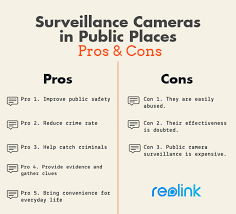
1. Improved safety: Surveillance cameras can help monitor the school premises and identify suspicious activity or potential dangers. In case of emergencies like a fire or an active shooter, video footage can provide valuable information to first responders and law enforcement personnel.

2. Deterrent for misbehavior: Cameras may deter student misconduct such as bullying, cheating, or vandalism. Having a visible deterrent might encourage students to think twice before engaging in undesirable activities.

3. Protecting teachers: Teachers sometimes face false accusations regarding their conduct or behavior towards their students. Video evidence from surveillance cameras can protect teachers by providing an unbiased account of events.

4. Increased accountability: Surveillance cameras can hold both students and teachers accountable for their actions inside the classroom. If any issues arise, administrators can review the footage and take appropriate action based on the evidence.

5. Parental involvement: Parents who have concerns about their child’s progress or well-being may benefit from being able to observe classroom activities through surveillance footage.

Cons

1. Invasion of privacy: Critics argue that surveillance cameras infringe on the privacy rights of students and teachers. Constant monitoring can create an uncomfortable environment where individuals are continuously being watched and judged.

2. Misuse of information: There’s a potential risk that camera footage could be used inappropriately or maliciously, such as for bullying or other nefarious purposes.

3. Technical issues and costs: Installing and maintaining a surveillance camera system requires financial resources that schools might struggle to find. Technical issues, such as malfunctioning cameras or a lack of storage, could also hinder the system’s effectiveness.

4. A sense of mistrust: Having surveillance cameras in classrooms could convey a message of distrust among teachers and students. This sentiment could have a negative impact on the learning environment, relationships, and open communication within the school community.

5. The illusion of safety: While surveillance cameras might create a perception of safety, they may not actually prevent incidents from occurring. Schools should consider other strategies or measures to address safety concerns.

Conclusion

The decision to install surveillance cameras in classrooms should be made after carefully weighing the pros and cons mentioned above. It is essential for schools to involve all relevant stakeholders in this decision-making process to ensure an outcome that best meets the needs of their community while safeguarding the privacy and fundamental rights of both students and teachers.

Some Schools Are Holding Zoom Detention And Twitter Is Not Having It

In the wake of the COVID-19 pandemic, schools and institutions around the world were forced to adapt to remote learning, incorporating technology like Zoom to bridge the gap. However, with this new virtual learning environment came a few hiccups, one of which is “Zoom detention.” As it turns out, Twitter users are not thrilled about this digital disciplinary approach.

The concept of Zoom detention is fairly straightforward: students who have misbehaved during online classes are required to log in and sit through a virtual detention session. Educators argue that it is an essential tool to restore order in an otherwise chaotic virtual learning environment.

However, Twitter users did not hold back on their opinions on the matter. Many have questioned the efficacy of such an approach and labeled it as ‘overkill,’ believing that students should be given some leniency considering how stressful remote learning has been for both educators and students alike. Others see it as representatives of an outdated institution attempting to assert control where it may not be practical.

Some tweets highlighted that Zoom detention might not be as effective as its in-person counterpart. One user noted that while sitting in a virtual room for an hour or two might be boring, it certainly doesn’t carry the same weight as physical confinement within school premises during a traditional detention session. The deterrent effect may simply not be there.

Others on Twitter pointed out that there might be more appropriate methods of disciplining students while still valuing the challenges they face during remote learning. Some suggested offering constructive feedback on their work, engaging parents more actively in addressing behavioral issues, or utilizing alternative consequences such as temporary restrictions from extracurricular activities during in-person sessions.

While schools set up Zoom detention intending to maintain a semblance of authority and reinforce rules, it’s clear that Twitter users see things differently. The consensus suggests reevaluating these disciplinary efforts and finding ways that support the emotional wellbeing of students while still addressing the issue at hand.

It remains to be seen whether Zoom detention will become a permanent fixture in educational institutions as they continue to grapple with the challenges presented by remote learning. However, one thing is for sure: Twitter users will continue to express their opinions and engage in open dialogue as the subject evolves.

Help! My Student Cheated—Why Am I the One in Trouble?

In today’s highly competitive academic environment, cheating is unfortunately all too common. While educators and institutions have a responsibility to discourage cheating and punish those caught, it’s disheartening when the blame gets shifted onto the teacher instead.

So, why does this happen? And what can teachers do to protect themselves and maintain ethical teaching environments?

The Pressure to Succeed

One factor driving the increase in cheating is the intense pressure students face to succeed academically. They often view good grades as a ticket to acceptance at a top-tier college, a lucrative career, and ultimately a successful life. This pressure can come from peers or families, pushing students to take shortcuts to achieve their goals.

When a student gets caught cheating, some parents may defend their child’s actions and shift the blame onto the teacher claiming that they didn’t properly prepare their student or used ineffective teaching methods. In this scenario, the teacher suddenly finds themselves on trial instead of focusing on the student’s unethical behavior.

 The Role of Educators

Educators have an essential role in preventing cheating. Teachers must create an atmosphere where academic integrity is valued and enforced. This involves setting clear expectations for student behavior, regularly discussing ethical principles and staying vigilant for signs of cheating.

One could argue that managing a classroom effectively will prevent most instances of cheating. Still, when students find ways to break rules despite such efforts, teachers shouldn’t be held responsible for individual choices made by students who blatantly disregard these guidelines.

Protecting Yourself as an Educator

Here are several things you can do if you are an educator accused of being negligent after catching a student cheating:

1. Document Everything: Keep detailed records of each student’s academic performance and behavior throughout the course. In case any allegations arise, you’ll have substantial evidence to back up your version of events.

2. Communicate with Your Administration: Maintain open communication with your administration and make them aware of any suspicious behavior, cheating incidents, and actions you’ve taken to address the issue.

3. Enforce a Strict Academic Integrity Policy: Develop and consistently enforce a clear academic integrity policy in your classroom ensuring all students are aware of the consequences of cheating.

4. Be Proactive in Preventing Cheating: Utilize various assessment methods and tools to detect plagiarism or other forms of cheating.

Conclusion

It’s frustrating when teachers become the scapegoats for their students’ unethical actions. However, educators must rise above these challenges and continue to foster an environment built on learning, critical thinking, and academic integrity.

By implementing effective teaching strategies and enforcing strict academic policies, teachers can protect themselves from unjust accusations while upholding ethical standards within their classrooms. Ultimately, the focus should return to supporting student growth while maintaining an honest educational environment.