

School Readiness

What Do You Tell Kids to Prepare for a Lockdown Drill?

Introduction:

Lockdown drills are becoming increasingly common in schools across the world, and while they are necessary for safety, they can also be anxiety-provoking for children. As a parent or educator, it’s crucial to discuss lockdown drills with kids in an age-appropriate way that alleviates their fears while emphasizing the importance of staying safe. This article will provide some guidance on initiating this important conversation.

Section 1: Understanding Lockdown Drills

A lockdown drill is meant to protect students and staff from an immediate danger or threat to their safety. It helps school communities practice their response and update plans to keep everyone secure in emergencies.

Highlight the primary purpose of these drills without focusing on specific threats or getting into graphic details. Explain that lockdown drills are similar to fire and earthquake drills, where everyone works together to stay safe during practice runs.

Section 2: Addressing Children’s Fears

Children may find the idea of a lockdown drill scary. Be prepared to address their fears and concerns by using age-appropriate language.

For younger children, use simple explanations that focus on staying safe and following teacher instructions. For example, “It’s like when we practice going outside during a fire drill – we listen carefully and follow our teacher.”

For older children, have an open discussion about their concerns and reassure them that the drills help everyone learn how to stay safe if there is an emergency.

Section 3: Preparing Kids for Lockdown Drills

There are several ways parents and educators can prepare children for a lockdown drill:

1. Talk about the importance of staying quiet: Children need to understand the importance of remaining silent during a lockdown. Without causing panic, explain why it’s essential for everyone to stay as quiet as possible, so those in charge can hear if there’s any important information.

2. Familiarize children with school procedures: Walk through the lockdown process with your child, pointing out where they should go and how they should behave. Offer them reassurance by reminding them of their teacher’s role in keeping them safe.

3. Teach children to follow instructions: Make sure your child knows the importance of following their teacher or the adult in charge during a lockdown drill and feels comfortable doing so.

4. Roleplay situations: You can practice lockdown drills at home or engage in role-playing exercises to help children become familiar with the process and feel prepared. This will help make the situation less intimidating for them.

Section 4: Reducing Anxiety

Some kids might experience anxiety leading up to or after a lockdown drill. Here are some tips to calm their nerves:

1. Limiting exposure to news: This is especially important for younger children who may not fully understand what they’re seeing.

2. Talk about their feelings: Encourage open conversations about anxieties, fears, and concerns related to lockdown drills.

3. Offer extra support: Parents should provide comfort and reassurance that the school has plans in place to keep everyone safe.

Closing Thoughts:

Lockdown drills are essential for school safety, but they can be stressful for students. By talking openly with kids using age-appropriate language, addressing their fears, and offering support, both parents and educators can help ensure that children feel prepared for these important safety proceduresª

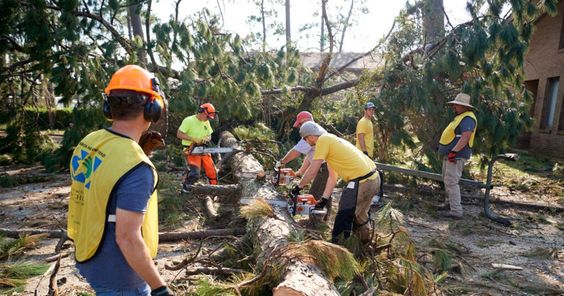
8 Ways to Help Schools Affected by Hurricane Harvey

1. Donations of School Supplies: One of the most immediate ways to help schools affected by Hurricane Harvey is to donate school supplies. Many schools lost vital materials during the disaster, so providing items like notebooks, pens, pencils, binders, and more can make a significant difference in rebuilding their resources.

2. Support a Library Reconstruction: Libraries are essential to schools and communities. Supporting the reconstruction of libraries damaged by Hurricane Harvey is an excellent way to assist schools and ensure that students have access to literature, educational resources, and safe spaces to study.

3. Provide Technology Assistance: Providing new or refurbished laptops, tablets, or desktop computers can significantly aid schools in restoring their technology capacity. You can reach out to local businesses or tech companies to source these items, contributing significantly towards helping students learn in a digital world.

4. Fundraise for School Renovations: Organizing a fundraising campaign for schools damaged by Hurricane Harvey is an effective way to contribute monetary support for rebuilding efforts. Funding for renovations can help replace lost or damaged furniture, flooring, or other essential school components.

5. Offer Emotional Support: The aftermath of such a disastrous event takes a significant emotional toll on students and staff. Offering counseling services or sponsoring programs that promote mental health and trauma recovery can make a real difference in their lives.

6. Volunteer Your Time: If you are located nearby affected areas, consider volunteering your time to help with clean-up efforts or organizing events benefiting affected schools. Local support is invaluable during difficult times like these.

7. Sponsor Extracurricular Activities: Extracurricular activities contribute positively to the growth and development of a child. Sponsoring clubs like sports teams, music programs, or art classes can help students regain some normalcy after their traumatic experiences.

8. Spread Awareness: Sharing information about the plight of affected schools via social media or through news outlets can help raise awareness and generate more support from different communities around the world. One person can likely only do so much, but a large group of people, galvanized by information, can make a considerable difference together.

Each of these eight ways to help schools affected by Hurricane Harvey can have a significant impact on the communities trying to recover from this disaster. Your contributions, whether they are donations of time or money, will contribute positively towards rebuilding efforts, helping students and schools succeed in spite of the challenges they faced.

5 Reasons to Upload Your School Supply List Right Now

Are you preparing for the upcoming school year? One of the best ways to get ahead is by uploading your school supply list as soon as possible. Here are five compelling reasons why you should take action right now and upload your list.

1. Stay Organized and Save Time

Uploading your school supply list will help you stay organized throughout the year. Having a digital copy of your supply list makes it easy to keep track of what items you have already purchased, need to buy, or need to replace. Additionally, it saves time when shopping, as there’s no need to dig through crumpled papers or search email chains for needed items.

2. Get Ahead of Back-to-School Shopping Rush

Uploading your school supply list now allows you to plan and shop for supplies at your own pace before the back-to-school shopping rush hits. This means less stress, fewer missed items, and better deals by having more time to look for discounts and promotions.

3. Foster Classroom Collaboration

Sharing your uploaded supply list with other parents can lead to a collaborative environment where families can share resources and information easily. It also helps create a sense of community among families because they can work together and see what supplies are needed across classrooms or grade levels.

4. Facilitate Teacher Communication

Uploading your school supply list facilitates better communication with teachers as they can provide valuable feedback regarding specific requirements. For example, if certain brands or models of items are preferred, teachers can easily access the digital list and suggest changes or even directly provide alternate product information.

5. Promote Environmental Awareness

In today’s digitally-driven world, uploading your school supply list is an eco-friendly alternative to printing out paper copies. The digital file eliminates unnecessary paper waste and keeps our environment cleaner and greener.

By uploading your school supply list right now, not only do you stay organized, but you also save time and money, foster classroom collaboration, facilitate teacher communication, and promote environmental awareness. All compelling reasons to get started today!

Easing the Transition Back to School After Break

The excitement of going back to school after a break can be both thrilling and daunting for students. While some can’t wait to return, others may feel anxious about resuming classes and reestablishing routines. Here are a few practical tips for making the transition back to school smoother and more enjoyable for everyone involved.

1. Gradually Adjust Sleep Schedules

Students often have later bedtimes and wake-up times during breaks. To help them adapt to school schedules, begin adjusting sleep routines at least one week before classes resume. Gradually move bedtime up by 15-30 minutes each night, while setting morning alarms earlier as well.

2. Prepare Supplies And Organize Space

Being well-prepared eases anxiety and sets students up for success. Make a list of necessary supplies and let your child participate in gathering or shopping for them. Then, work together to create organized spaces both at home and in their backpacks or lockers.

3. Foster Open Communication

Talk openly about the upcoming transition, addressing any concerns or fears your child may have. Discuss ways they can cope with stress or challenges they might face during the semester. Encourage ongoing communication throughout the school year.

4. Set Goals For The Semester

Help your child set realistic goals for the upcoming semester in terms of academics, extracurricular activities, or personal development. Remember to offer support while keeping expectations reasonable.

5. Re-establish Routines

Start re-introducing school-related routines a few days before classes begin, such as designated homework times and morning preparations. Maintaining consistent patterns helps ease anxiety and establish stability.

6. Encourage A Healthy Lifestyle

Healthy habits play a critical role in students’ overall well-being and academic performance. Encourage regular exercise, proper nutrition, and sufficient sleep for optimal functioning during the school year.

7. Reach Out To Teachers And School Staff

Stay connected with teachers and school staff, keeping them informed about your child’s well-being and addressing any challenges that may arise during the transition.

8. Supervise Homework And Study Habits

Help your child designate a quiet, clutter-free space for homework and studying. Support their efforts with clear expectations and guidance while also offering praise for hard work and accomplishments.

9. Plan Social Activities

Reconnecting with friends can make the return to school more enjoyable. Plan playdates or group outings, allowing kids to socialize and strengthen bonds that may have weakened during the break.

10. Celebrate Achievements And Progress

Acknowledge and celebrate your child’s achievements throughout the semester, including academic milestones, personal growth, or overcoming obstacles. This helps build confidence and serves as an incentive for continued success.

By implementing these strategies, students and parents can ensure a smoother, more enjoyable transition back to the school environment after any break. The support of family, friends, teachers, and the school community is essential in helping students navigate this challenging time.

10 Fundraising Ideas Your Whole School Will Love

1. Themed Dress-up Day

Organize a themed dress-up day where students can come to school in costumes that fit a chosen theme, such as superheroes or book characters. Encourage participating students to contribute a small donation to take part in the fun.

2. Talent Show

Host a school-wide talent show where students can sing, dance, perform skits, or showcase any special skills they may have. Charge a small admission fee for audience members and sell refreshments during the event to raise funds.

3. Penny Wars

Create friendly competition between classrooms or grade levels by collecting pennies in jars placed around the school. Each team attempts to have the most number of pennies in their jar over a week-long period, while also seeking to fill competing jars with non-penny coins and bills. The total sum is then donated.

4. Bake Sale

Organize a bake sale featuring delicious homemade treats made by students, parents, and staff. Have volunteers run the sale during lunch periods or at after-school events as a way for the whole school community to participate.

5. Art Auction

Ask students and teachers to create original artwork that can be auctioned off at a special event, either live or online. Invite parents, friends, and community members to place bids on the unique pieces while raising money for your cause.

6. Read-a-thon

Encourage students of all ages to participate in a read-a-thon where they secure pledges from family and friends based on the number of books or pages they read within a designated time frame. This not only raises funds but also helps improve literacy.

7. Car Wash

Host a school-sponsored car wash on a weekend day, utilizing student and parent volunteers to clean vehicles in exchange for donations. Make it more enticing by adding bake sales or lemonade stands alongside.

8. Movie Night

Turn your school gym or auditorium into a movie theater for an evening. Charge admission, provide snacks for purchase, and screen family-friendly films that will appeal to students of all ages.

9. Color Run

Organize a school-wide color run where participants register for a fee to complete a predetermined course with designated color stations. Volunteers throw colorful powder at the runners as they pass by, creating a fun and vibrant atmosphere.

10. Trivia Night

Host a trivia night at your school and invite students, parents, and teachers to form teams. Charge entry fees for teams and sell refreshments during the event. Offer prizes or trophies for the winning team while testing everyone’s general knowledge.

These fundraising ideas can foster school spirit, encourage creativity, and bring together the entire school community for a common cause. Enjoy exploring these options and watch as your school thrives in its fundraising efforts!

Staff Countdown to Holiday Break

Introduction:

As the holiday season approaches, staff members in various organizations are eagerly awaiting their well-deserved break. The countdown to the holiday break is a time that brings excitement and anticipation to the workplace, as employees look forward to spending quality time with loved ones and rejuvenating away from the daily grind. This article explores the countdown dynamic, its significance, and provides tips on how to make the most of this exciting period.

The Significance of the Countdown:

Counting down the days to the holiday break serves as a motivator for staff, providing them with a tangible goal and deadline. The idea of much-needed rest and relaxation often drives an extra burst of productivity in these final days, as employees aim to wrap up work before the break. Moreover, discussing holiday plans with colleagues helps foster a sense of camaraderie and bonding within the workplace.

Enhancing Workplace Vibes:

To make the most out of this countdown period, consider implementing festive decorations and music around the office. Such measures can boost morale and help elevate spirits in anticipation of the upcoming holidays. Additionally, organizing team outings or hosting potlucks can bring people together and create long-lasting memories.

Managing Stress During Countdown:

While it may be an exciting time for all staff members, it’s important for employees not to get overwhelmed by last-minute assignments or pressure to complete projects on time. Taking regular breaks, getting enough sleep, maintaining a healthy diet, and practicing stress management techniques like meditation can help ensure a smooth path toward these final project days.

Preparations Before the Break:

During countdown periods, employees should prioritize setting clear expectations regarding outstanding work tasks. To avoid unnecessary complications or misunderstandings, communication about deadlines and completion statuses will be essential among project stakeholders. Moreover, setting an effective Out-of-Office (OOO) notification with proper contact details during the holiday break will ensure seamless handling of inquiries in staff’s absence.

In Conclusion:

The staff countdown to the holiday break is a significant time that can motivate employees to complete various projects, as well as offer them opportunities to bond with colleagues. Effective communication, taking care of one’s mental health, and implementing festive activities in the office are all crucial aspects of utilizing this period effectively. As the festive season rolls in and office doors close for the break, it’s crucial for employees to recharge and come back even stronger for a productive new year.

A Guide to Student-Led Conferences

This typically refers to a form of parent-teacher meeting where students take the floor, giving vivid updates to their parents on their learning process and progress. The reports tell the kind of learner each child is and how personalized learning has worked for each of them.

Student-led conferences offer several benefits. First, this kind of meeting format promotes collaboration between school and home. When a student explains what has occurred by way of academic success or lack thereof, it minimizes the opportunity to assign the responsibility to teachers or parents if the student isn’t succeeding. Also, placing the onus on a student to explain their progress helps build the accountability and responsibility necessary for them to sustain or improve academic success.

The student needs to reflect on what is required to achieve academic success or discuss what they need or must do to improve. Another key benefit of these conferences is the skill of goal development that a student must employ to start the process. When the student sets goals, they likely take a personal interest in monitoring and achieving them.

Educators can institute student-led conferences in different ways depending on the class size, layout, and structure of the school. However, regardless of the format used, there’re two key elements that should always be present.

All participants (student, teacher, and parents) need to understand their roles clearly for these conferences to be effective. Students need to facilitate the discussion, demonstrate their work, and communicate their learning objectives with parents. Teachers act as a mediator between students and parents. They also need to take some time out to prepare students for these conferences. Parents should come prepared to talk with and listen to their children. Schools can use newsletters to inform parents about student-led conferences in detail and their role.

The student portfolio is a key component of effective student-led conferences. Portfolios might vary depending on the format of a conference, but they generally include a selection of a student’s work from throughout the year, sheets for setting academic and social goals, and an agenda for the conference. Students should also be encouraged to present sample work they aren’t satisfied with and explain how they might have done better. They can also find examples of areas where they improved their performance during an individual project or unit. Teachers can set aside time regularly throughout the year to help students select the work they’d like to present at the conference.
