Social Studies Education

How to Deal With Student Racism  

Introduction

In today’s diverse and multicultural world, it is essential for educators and students to promote tolerance, understanding, and respect. One of the challenges faced in schools is student racism, which can create a hostile environment, damage relationships, and negatively affect learning opportunities. This article explores effective ways to deal with student racism in educational settings.

1. Be Informed and Educate Yourself

To address student racism effectively, you must first educate yourself about different cultures, races, and religions. This understanding will enable you to recognize racist behaviors and intervene in an informed manner when incidents occur. Participate in cultural sensitivity training programs or workshops that provide information on embracing diversity in schools.

2. Set Clear Expectations and Policies

Establish clear expectations for acceptable behavior within your school or classroom. Make sure that students understand that any form of racism will not be tolerated. Hold discussions about respect, empathy, and understanding with your class regularly so that everyone is on the same page.

3. Encourage Open Dialogue

Foster an inclusive environment by encouraging open discussions about race and diversity. By doing so, you can help students understand each other’s backgrounds better and develop empathy towards people from different cultures.

4. Respond Promptly and Appropriately to Incidents

When incidents of student racism occur, it is crucial to address them promptly. Ignoring or downplaying such events will only serve to encourage further discrimination or even normalize intolerance. Follow your school’s policies on handling such situations, consulting with administrators as necessary.

5. Engage Parents

Involve parents in the process of dealing with student racism by discussing their child’s behavior in a confidential manner. Share information about the incident(s) with them and work together to address the issue at home as well as in the classroom.

6. Educate Students about Stereotypes

Teach your students about stereotypes and their impact on their perceptions and attitudes. Through illustrations and discussions, help them understand that stereotypes can lead to discrimination and hate, which are detrimental to a healthy classroom environment.

7. Empower Bystanders

Equip bystanders with tools to address racism in schools proactively. Educate them about the importance of supporting victims of discrimination and speaking up against offensive remarks. Encourage them to report incidents to school administrators or teachers when they observe racism.

8. Offer Support to the Victims

Ensure that your students who have experienced racism are given the necessary emotional support, resources, and care they need. Acknowledge their feelings and offer guidance on how to handle similar situations in the future.

9. Incorporate Multicultural Education into your Teaching Practices

Promote cultural understanding by incorporating multicultural elements into your curriculum. This can include learning about different cultures, exploring their traditions, foods, music, art, or literature. When students are exposed to a diverse set of perspectives, they are more likely to appreciate racial and cultural differences.

Conclusion

Addressing student racism is a crucial aspect of creating an inclusive and tolerant learning environment where all students feel welcome and valued. By taking concrete steps such as educating oneself, setting clear expectations and policies, engaging parents, offering support to victims, and practicing multicultural education in the classroom, we can effectively combat student racism and promote harmony in our educational institutions.

15 Engaging Social Studies Preschool Activities

Introduction

Social studies is an essential subject in early childhood education, helping children understand the world around them. These 15 engaging social studies activities for preschoolers will encourage young learners to explore various topics such as communities, cultures, and history while having fun!

1. Exploring Family Trees

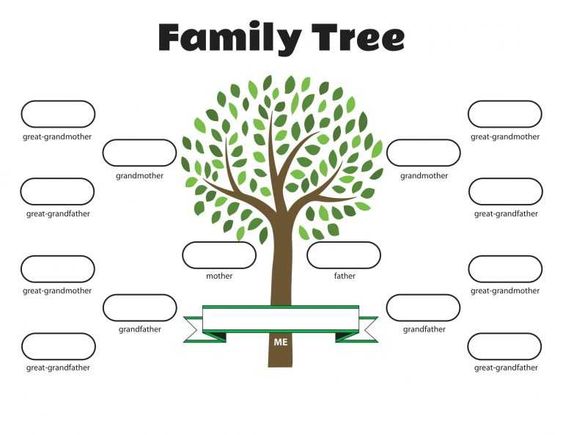
Introduce your preschoolers to the concept of family history by creating individual family trees. Using photos and anecdotes, let children explore the different branches of their family and learn about their ancestors.

2. Creating World Maps

Gather world maps or printouts of the continents and let children color the map, identifying different countries. Encourage them to discover more about each country’s culture, landmarks, and animals.

3. Community Helpers

Introduce kids to various community helpers such as firefighters, police officers, doctors, and teachers. Set up mini-scenarios where they can role-play these jobs and understand their importance in society.

4. Neighborhood Walks

Take your students for a walk around the neighborhood to show them different buildings and places, such as grocery stores, schools, parks, and post offices. Discuss their functions within the community.

5. Cultural Celebrations

Teach preschoolers about various cultural celebrations such as Diwali, Christmas, Hanukkah, or Chinese New Year. Emphasize the similarities and differences between these celebrations by organizing themed activities.

6. National Symbols

Help children identify and learn more about national symbols such as flags and monuments from around the world.

7. Landmark Building Blocks

Make landmark building blocks using printed images of famous landmarks like the Eiffel Tower or Great Wall of China. Allow children to build structures with these blocks while discussing their historical significance.

8. Global Cuisine Tasting Party

Organize a tasting party featuring dishes from various countries to help children explore different cultures through food. Share simple recipes so they can recreate the dishes at home with their parents.

9. Time Capsule

Create a time capsule with your students, filling it with items that represent current events or local happenings. Open the capsule in a year or two to discuss how things have changed.

10. Historical Storytelling Sessions

Read aloud age-appropriate books about historical events and people, encouraging discussion among your preschoolers about the significance of these stories.

11. Exploring Native Cultures

Introduce children to the customs and traditions of indigenous groups around the world, highlighting their unique practices and demonstrating the richness of cultural diversity.

12. Money Matters

Teach preschoolers about basic monetary concepts like currency and value using play money and pretend shopping scenarios.

13. Sorting Transportation Vehicles

Collect toy cars, airplanes, trains, and boats for children to categorize by land, air, or water transportation. Discuss the importance of different transportation modes for travel and trade.

14. DIY Passports

Create personalized passports for each child, allowing them to collect “visas” as they learn about different countries through classroom activities.

15. Farm to Table Activity

Discuss the journey of food from farms to our tables. This can include a visit to a local farm or a gardening activity in the school.

Conclusion

Infusing these engaging social studies activities into your preschool curriculum can not only enhance your students’ understanding of the world but also spark curiosity and promote cultural awareness. Remember to adapt the activities to suit the interests and individual needs of your students for maximum learning potential.

26 Fascinating Facts About Abraham Lincoln for Kids

1. Abraham Lincoln was the 16th President of the United States, serving from March 1861 until his assassination in April 1865.

2. Lincoln was born on February 12, 1809, in a one-room log cabin in Hardin County, Kentucky.

3. He was largely self-educated, and became a lawyer, a Whig Party politician, and a member of the Illinois State Legislature.

4. Abraham Lincoln married Mary Todd on November 4, 1842, and they had four sons together: Robert, Edward, William, and Thomas.

5. Lincoln is best known for leading the country during the Civil War and working to end slavery through the Emancipation Proclamation and the Thirteenth Amendment.

6. He was an excellent wrestler in his youth and was only defeated once out of roughly 300 matches.

7. Abraham Lincoln was very tall; he stood at 6 feet, 4 inches (193 centimeters) – making him the tallest U.S. president.

8. He loved animals and had several pets during his time in the White House, including dogs, cats, goats, and even a turkey.

9. The famous Gettysburg Address speech by Lincoln took place on November 19, 1863 in Gettysburg Pennsylvania.

10. Lincoln is well-known for wearing a tall top hat – it was said that he kept important papers tucked inside it!

11. He was an accomplished musician and could play several instruments like violin and the jaw harp.

12. Lincoln was an avid reader who would often stay up late at night reading a variety of books and literature.

13. As a child, he chopped wood with an axe to help support his family and earn money for their needs.

14. The nickname “Honest Abe” came from his early days as a storekeeper when he would walk for miles to return a few cents if he accidentally overcharged a customer.

15. He didn’t grow a beard until 1860, after an 11-year-old girl named Grace Bedell wrote to him suggesting that it would make him more appealing to voters.

16. Abraham Lincoln was the first president to be born outside of the original 13 colonies.

17. He was the first president to have a patent, which was for a device to help boats pass over sandbars and shallow water.

18. Lincoln’s face is on both the U.S. penny and the $5 bill.

19. He had a strong sense of humor and loved telling jokes, funny stories, and riddles.

20. President Lincoln established the United States Secret Service on April 14, 1865 – the day he was assassinated by John Wilkes Booth while attending a play at Ford’s Theatre in Washington, D.C.

21. His leadership and speeches are often regarded as some of the finest moments in American history.

22. Before becoming president, Lincoln only had one year of formal education as a child.

23. He is known for keeping his cool in difficult situations and for his thoughtfulness when making decisions.

24. Lincoln was an abolitionist and strongly opposed the spread of slavery into new territories and states in the USA.

25. The famous Lincoln Memorial statue in Washington D.C., which was dedicated in 1922, has 36 columns representing each state in the Union at the time of his death.

26. In addition to being one of America’s most beloved presidents, Abraham Lincoln is often considered a symbol of freedom, equality, and justice throughout history.

These are just some fascinating facts about Abraham Lincoln’s life that kids can enjoy learning about!

23 Fun Social Studies Activities for Middle School

Introduction:

Middle school is a time when students begin to develop a greater understanding of the world around them. Social studies is an essential subject for expanding their knowledge of history, geography, and culture. Here are 23 fun and engaging social studies activities that can make learning enjoyable and memorable for middle school students.

1. Mock United Nations:

Simulate the United Nations meetings by assigning different countries to groups of students. They will research their assigned country’s stance on global issues, create position statements, and debate in a UN-style conference setting.

2. Historical Dinner Party:

Have students research historical figures they find interesting, then invite them to a class dinner party where everyone dresses up and acts as their chosen figure.

3. Create a Culture:

In groups, students can create their own civilizations complete with distinct governments, economies, religions, and social structures.

4. Time Traveler Journal:

For this activity, students choose an event or time period different from their own to research. They write journal entries as if they are actually experiencing that time period or event.

5. History Scavenger Hunt:

Create a scavenger hunt with historical facts and artifacts hidden around the school or classroom.

6. Cultural Food Day:

Students bring in dishes from various cultures and share them with their classmates as they learn about different culinary traditions.

7. Collaborative World Map:

Have students design large world maps that include geographic features such as continents, oceans, and major cities, focusing on the importance of intercontinental connections.

8. Create a Newspaper:

As a class project, create a newspaper based on actual historical events or political systems during specific time periods.

9. Country Research Presentation:

Assign each student a country to research and have them present their findings to the class.

10. Geographical Pictionary:

This twist on the classic game requires students to draw geographical landmarks or features while others guess what they represent.

11. Historical Document Analysis:

Have students analyze primary sources such as diary entries, letters, or government documents to better understand the thoughts and perspectives of people living during specific time periods.

12. Election Simulation:

Simulate an election by choosing real or imagined candidates and having the students research, campaign, and vote for their preferred choice.

13. Interactive Timeline:

Create an interactive class timeline on which students can post events from history as they learn about them.

14. International Fair:

Hold an international fair in which students research and present information about various cultures in a creative format.

15. Museum Walk:

Transform your classroom into a museum with informative displays about famous historical figures, events, or locations.

16. Current Events Discussion:

Regularly discuss current events in your classroom to help students understand how contemporary issues relate to social studies.

17. Virtual Field Trips:

Take advantage of technology by taking virtual field trips to important historical sites or cultural landmarks, such as the Great Wall of China or the Pyramids of Giza.

18. Geocaching for History:

Organize a geocaching activity that teaches students about significant historical events through GPS-navigated scavenger hunts.

19. Human Timeline:

Create a visual timeline where students stand in order as representatives of important moments in history.

20. Geography Bingo:

This classic game is adapted to include geographical terms and locations that are learned throughout the year.

21. Oral History Project:

Students interview community members about their personal histories or experiences with specific events to document local history and culture.

22. Create a Podcast:

Have students create podcasts that discuss important social studies concepts, historical events, or debates on contemporary issues.

23. Historical Fiction Writing:

Encourage creative writing by having students write historical fiction stories set in time periods they have studied or researched.

15 Worldly Geography Activities That Will Inspire Your Students to Explore

Are you an educator looking to inspire your students to learn more about geography? Look no further! These 15 worldly geography activities will spark their interest and motivate them to explore the globe.

1. Create a Country: Encourage students to use their imagination and create their own country, complete with maps, flags, languages, and cultures. This activity fosters creativity while teaching important geography concepts.

2. Virtual Exploration: Use online resources like Google Earth or virtual reality tools to take students on virtual field trips to different continents, countries, and landmarks around the world.

3. Map Skills Scavenger Hunt: Give students a list of items to find on a map (e.g., mountain ranges, rivers, cities). This activity helps develop essential map reading and navigation skills.

4. Culture Day: Have students research a country’s culture and host a day of festivities celebrating its customs, food, clothing, music, and traditions.

5. Postcard Pen Pals: Facilitate a pen pal exchange with students from another country. This teaches geography through real-world connections and communication.

6. Geographic Bee: Host a geographic bee competition in the classroom! Students can showcase their knowledge of world geography in an engaging contest format.

7. Latitude & Longitude Battleship: Turn the classic game of Battleship into a geography lesson by using coordinates on maps instead of traditional grids.

8. Puzzle Maps: Provide students with jigsaw puzzles that represent various world maps as a fun way to teach geography concepts.

9. Virtual Geocaching: Create hidden caches containing geographical facts around the classroom or school grounds for students to find using GPS coordinates or clues provided by you.

10. Cartography Crash Course: Teach basic cartography skills so that students can make their own hand-drawn maps representing physical features, political boundaries, or custom information.

11. Flag Identifier Game: Challenge students to identify the flags of different countries while learning about each nation’s history and significance.

12. Passport to the World: Create a mock passport for students where they can collect stamps from various countries after completing a research assignment on that specific country.

13. Storytelling through Maps: Have students create a story or comic strip that centers around traveling across borders, using maps as a visual aid and plot point.

14. World Cuisine Cooking Class: Encourage students to research and cook dishes from cultures around the world, providing them with a taste of different regions while igniting an interest in global geography.

15. Geography Art Project: Inspire creativity by asking students to design original artwork based on specific geographic locations or concepts (e.g., landforms, ecosystems, climates).

With these 15 engaging geography activities, you’re sure to inspire your students’ curiosity and help them develop a love for exploring the world around them. Happy exploring!

A Lesson on Hunger: The Great Depression to Today

The Great Depression was an era of economic struggle that lasted from 1929 to 1939. It was a time of unparalleled hardship for millions of people across the United States and around the world. High unemployment rates, business failures, farm foreclosures, and a collapse in consumer spending caused widespread poverty and hunger. This dark chapter in history offers important lessons on hunger and economic instability that can still be applied to today’s society.

During the Great Depression, jobs were scarce, and men and women faced intense competition for even the most basic labor opportunities. With few jobs available, many families were unable to afford food or other essential items. Soup kitchens, bread lines, and makeshift tent cities became the daily reality for many Americans who had once enjoyed comfortable middle-class lives.

Despite government intervention through programs such as the New Deal, the problem of hunger persisted throughout the Great Depression. Efforts to alleviate this suffering included work programs that provided wages to unemployed workers and federal initiatives to support farmers. However, without a vibrant economy to fuel consistent growth, these tactics only managed to dull the edge of misery rather than truly eradicate it.

The lesson that the Great Depression teaches us about hunger is abundantly clear: we must strive for economic stability and financial security for all individuals in society. Hunger is not simply an issue of supply or logistics but rather one rooted in socioeconomic systems. The past can serve as a reminder of what can happen when inequality becomes too great or when an economic disaster like a stock market crash occurs.

Today, despite advances in technology and an ostensibly stronger global economy, hunger remains a pressing issue worldwide. Millions of people still suffer from malnourishment or food insecurity due to economic hardship, conflict, or environmental factors such as droughts and crop failures.

Yet there is hope. By learning from the past, implementing effective policies aimed at eliminating poverty and addressing income inequality, we can move closer to a world where hunger is no longer a reality for so many. Initiatives like universal basic income, access to affordable and nutritious food, and improved educational opportunities can go a long way in ensuring financial stability for all members of society.

In conclusion, the Great Depression provides a sobering reminder of how quickly economic stability can unravel, leaving countless individuals in the grip of hunger and need. As we work towards creating a more equitable world, it is essential to learn from history’s mistakes and invest in policies that promote greater financial security and less vulnerability to economic shocks. Only then can we hope to truly eradicate hunger and ensure that the horrors of the Great Depression remain a distant memory.

What My Students Don’t Understand About Martin Luther King Jr.

Every year, when Martin Luther King Jr. Day approaches, I find myself facing a classroom of students who are eager to learn about this iconic figure in history. But as we delve deeper into the life and legacy of Dr. King, I’ve noticed that there are many misconceptions and misunderstandings about the man, his ideals, and his fight for civil rights.

One of the most common misconceptions is that Dr. King was solely responsible for the Civil Rights Movement. While it’s true that he played a pivotal role in orchestrating several key events, such as the Montgomery Bus Boycott and the March on Washington, Dr. King was part of a much larger movement that involved countless activists who fought valiantly for racial equality.

Another misunderstanding lies in viewing Dr. King as a one-dimensional saint-like character who championed an entirely nonviolent strategy. Though it’s clear that nonviolent resistance was central to his views on social change, many students fail to understand the complexities of his philosophy.

My students often oversimplify Dr. King’s stance on nonviolence by boiling it down to the idea that people should always turn the other cheek and “love their enemies.” While these concepts were indeed part of his message, they weren’t his only tools for pushing back against an oppressive system. He understood that nonviolence could be a strategic means to an end – and sometimes even a way to assert power.

In addition to misunderstanding his philosophy on nonviolence, my students tend to reduce Dr. King’s entire life’s work to his famous “I Have a Dream” speech. While this watershed moment undoubtedly left an indelible mark on history, it’s crucial to highlight other aspects of his work and ideas – such as economic justice and eradication of poverty.

Dr. King was a staunch advocate for dismantling systemic poverty plaguing American society – and that fight has yet to be won. Many students are unaware of his Poor People’s Campaign, which sought to bring about comprehensive economic and social change. By solely focusing on the “I Have a Dream” speech, we run the risk of ignoring his wider vision for justice and equality.

Lastly, my students frequently overlook the fact that Dr. King was passionate about fighting global injustice. He spoke adamantly against the Vietnam War, critiquing America’s role in it, and advocating for peace and diplomacy. In today’s world of impending crises and rising inequalities across the globe, revisiting Dr. King’s approach to international affairs is a necessary exercise.

So, as we prepare to celebrate Martin Luther King Jr. Day once again, let us remember not just the myths we’ve been taught but, more importantly, the deeper truths behind Dr. King’s life and work. Breaking free from these misconceptions enables us to have an honest conversation about racism, poverty, and injustice – ultimately helping us carry on his legacy for generations to come.

20 Interactive Social Studies Activities for the Classroom

Introduction:

Engaging students in social studies can be challenging at times. However, with the use of interactive activities, educators can bring history, geography, and culture to life. Here are 20 interactive social studies activities that will captivate and educate your students.

1. Exploring Google Earth:

Have students navigate to different countries or historical landmarks using Google Earth to learn about geographical features and significant locations.

2. Historical Interviews:

Students research a historical figure and prepare questions for a mock interview, then pair up and roleplay as interviewer and historical figure.

3. Time Capsule Creation:

As a class, create a time capsule filled with artifacts, letters, or drawings that represent current events or cultural trends. Plan to open it in a future school year.

4. News Broadcast Reenactment:

Have students reenact a pivotal moment from history as if they were news broadcasters reporting live on the scene.

5. Map-Reading Scavenger Hunt:

Create an in-class scavenger hunt using maps of various scales, where students must identify geographical features or locations to solve clues.

6. Cultural Food Day:

Assign each student a different country and have them research traditional dishes from that nation. Host a food day where everyone brings a dish from their assigned country to share.

7. Political Cartoon Analysis:

Choose recent or historical political cartoons for students to analyze and discuss the message being conveyed by the cartoonist.

8. Current Events Debates:

Select various current events topics and have students participate in organized debates representing different sides of the issue.

9. Virtual Field Trips:

Take advantage of various online resources to arrange virtual field trips to important cultural or historical sites around the world.

10. State Fair Showcase:

Assign each student a US state, and have them create posters with key facts about their assigned state’s history, geography, economy, etc., for display during a class “state fair.”

11. Create a Classroom Museum:

Students bring in artifacts or create replicas of artifacts related to the current social studies topic and host a classroom museum exhibit.

12. Historical Reenactments:

Assign students roles in reenacting important historical events, such as signing the Declaration of Independence or participating in the Boston Tea Party.

13. Create a Civilization:

In groups, students develop their own civilization, complete with a unique government, culture, economy, and geography.

14. Mock Trial:

Have students participate in a mock trial based on a historical event or legal case.

15. Student-Led Podcasts:

Students create and produce podcasts discussing various social studies topics they’ve researched.

16. Analyzing Primary Sources:

Select primary documents (e.g., letters, speeches) for students to analyze and draw conclusions from to deepen their understanding of historical events.

17. Human Timeline:

Line up chairs representing different time periods or historical events, then have students arrange themselves by chronological order based on individual research projects.

18. Cultural Exchange Pen Pals:

Connect with schools in another country and foster cultural exchange through correspondence between students.

19. Election Simulation:

Simulate an upcoming election by having students campaign for various political candidates and participate in a mock vote.

20. Family History Project:

Have students explore their family history and heritage by conducting interviews with family members and creating a family tree or biography presentation.

Conclusion:

The key to engaging students in social studies is making the subject matter come alive through interactive activities that encourage participation and critical thinking. Try introducing these 20 activities into your classroom to enrich your social studies curriculum and create an exciting learning environment for all students.

14 Websites to Teach Kids About The Civil War

Introduction:

The Civil War was a pivotal moment in American history, and it’s essential for kids to learn about this significant period. With technology at our fingertips, it’s easier than ever to keep young minds engaged while learning about the Civil War. Here are 14 fantastic websites that provide comprehensive lessons, quizzes, videos, and interactive content for kids about the Civil War.

1. National Park Service: Civil War Series (www.nps.gov)

The National Park Service offers educational materials and resources covering various aspects of the Civil War, including various battles and military strategies.

2. History.com (www.history.com)

History.com provides a wealth of information, educational videos, and interactive quizzes focused on the Civil War, perfect for engaging children in their learning process.

3. American Battlefield Trust (www.battlefields.org)

This website offers interactive maps and battlefield virtual tours to help kids visualize important events from the Civil War.

4. PBS Learning Media (www.pbslearningmedia.org)

PBS Learning Media features multiple videos, lesson plans, and interactive games that focus on different aspects of the Civil War.

5. MrNussbaum.com (www.mrnussbaum.com)

MrNussbaum.com has a dedicated section for the American Civil War with learning resources on key events, figures, timelines, and battles.

6. Smithsonian Education (www.smithsonianeducation.org)

Discover extensive educational resources from Smithsonian Education on the Civil War era, including maps, artifacts, and classroom activities tailored for kids.

7. Scholastic Teachables (www.scholastic.com/teachables)

Scholastic Teachables provides reputable lesson plans and printables on various subjects related to the Civil War for students of different age groups.

8. Library of Congress (www.loc.gov)

Explore primary sources related to the Civil War from the Library of Congress that will introduce students to authentic historical documents, images, and archives.

9. Civil War Trust (www.civilwar.org)

The Civil War Trust offers interactive maps, photographs, and educational videos to provide engaging insights into Civil War events and battles.

10. Teaching American History (www.teachingamericanhistory.org)

Teaching American History features a Civil War section complete with primary sources, lesson plans, videos, and podcasts for a comprehensive learning experience.

11. Ducksters (www.ducksters.com)

Ducksters is an educational site focused on history and other subjects for kids. The website includes information on the Civil War useful for students and young learners interested in this topic.

12. Education.com (www.education.com)

Education.com offers a wide range of learning resources related to the Civil War, including interactive worksheets, reading materials, and hands-on activities.

13. Lesson Planet (www.lessonplanet.com)

Lesson Planet features an abundance of lesson plans and resources focusing on different aspects of the American Civil War for various age groups.

14. Time4Learning (www.time4learning.com)

Time4Learning provides an extensive online curriculum that covers the American Civil War in detail with engaging multimedia lessons designed for kids.

Conclusion:

These 14 websites offer a wealth of information that will help children learn about the American Civil War in an engaging way. With multimedia content, interactive games, quizzes, and more at their disposal, these resources are perfect for introducing kids to this vital chapter in American history.

Why It’s Time to Rethink Family Tree Assignments

Every student has memories of creating a family tree project in their school years. While the intention is to encourage students to explore their ancestry and learn about their heritage, these assignments may inadvertently create challenges and discomfort for some students. It’s time to rethink the traditional family tree assignment – a shift that focuses on inclusivity and adaptability for all family backgrounds.

1. Non-traditional Families Are Increasing:

In today’s world, families come in all shapes and sizes, including single-parent households, adoptive families, blended families, and those who are raised by relatives other than their biological parents. The classic nuclear family is no longer the norm. Family tree assignments designed around the assumption of a singular “standard” family can make students from non-traditional households feel excluded or stigmatized.

2. Recognizing Privacy Concerns:

Family matters might involve sensitive information that children or teenagers might not be comfortable sharing in a public setting. Whether it’s dealing with divorce, adoption, or estrangement, forcing students to provide specifics about family relationships may lead to increased stress levels and anxiety.

3. Embracing Cultural Differences:

Assignments centered around biological lineage might not work for all cultural backgrounds or traditions. Some cultures prioritize extended family connections or community-based familial structures over biological ancestry. By rethinking the family tree assignment as more inclusive, we foster a greater appreciation of cultural diversity among students.

4. Acknowledging Adoptees and Foster Children:

For those who have been adopted or are part of the foster care system, the traditional family tree project could highlight gaps in their knowledge about their birth parents or biological family history. This has the potential to amplify feelings of sadness, confusion, or anger – especially if they don’t have access to details about their background.

5. Encouraging Creativity and Variety:

Rather than sticking to an outdated template based on assumptions, educators should embrace more flexible, customizable approaches. This might involve asking students to create a creative project that represents their own personal understanding and experience of “family.” In this way, students will be encouraged to think about the people who have played significant roles in their lives, regardless of whether they share a biological connection.

In conclusion, rethinking the traditional family tree assignment is a necessary step to ensure that all students feel included and respected. By acknowledging the diversity of family structures and offering more inclusive alternatives,educators can create a positive learning environment where everyone’s story is valued and heard.