Teacher Education

Meet Our Teacher – Natalie Brown

Natalie Brown stands at the front of the classroom, her presence a blend of warm approachability and undeniable expertise. With over a decade of experience in educating young minds, she has become a beloved figure in the corridors of Lincoln High School. Her students describe her as not just an educator, but a mentor and friend who goes above and beyond to ensure every individual under her tutelage thrives both academically and personally.

Ms. Brown’s journey into education began at the University of Education where she graduated with honors in English Literature and Education. Her passion for Shakespeare and Bronte is matched only by her dedication to student literacy, driving her to develop innovative curriculum strategies that engage students across varying levels of ability and interest.

Beyond simply imparting knowledge, Natalie believes in fostering a culture of continuous learning and curiosity. She employs a range of teaching methods, including interactive discussions, technology integration, and group projects designed to encourage critical thinking and the confidence to explore ideas independently.

Her classroom is often described as energetic and inclusive – a reflection of her teaching philosophy that every student has potential waiting to be unlocked. It is not uncommon to see her spending extra time after school, offering additional support to those who need it or leading extracurricular workshops for those who wish to delve deeper into their literary pursuits.

Year after year, students leave Ms. Brown’s classroom with more than just an understanding of literature; they carry with them skills that prepare them for future challenges: clear communication, analytical thinking, and an appreciation for diverse perspectives.

Natalie also serves as a chairperson on the school’s Literary Festival committee, using her industry connections to bring in authors and poets from around the country for inspiring talks and workshops. Her tireless efforts ensure that the event remains a highlight on the academic calendar.

For Natalie Brown, teaching is a calling that transcends beyond traditional boundaries. It is about nurturing minds prepared for the complexities of the world while instilling a lifelong love for learning. Meet our teacher—Ms. Natalie Brown—and witness the embodiment of educational passion coupled with practical prowess.

It’s educators like Ms. Brown that remind us why dedicated teachers are invaluable assets to our schools and communities. As she often tells her students, “The pursuit of knowledge is a journey without end,” and clearly, Natalie Brown is both an exceptional guide and companion on that journey.

Tips For Tight Teachers | Money-Saving Classroom Hacks

Teachers often face the challenge of managing their classroom on a tight budget. With a little creativity and resourcefulness, however, it’s possible to make the most of limited funds without compromising the quality of education. Here are some money-saving hacks that can help teachers stretch their dollars further:

1.Utilize Free Resources: There is a plethora of free educational resources available online. Sites like Teachers Pay Teachers offer free downloads, while other platforms provide complimentary access to textbooks, lesson plans, and activity ideas.

2.Get Crafty with DIY Projects: Instead of purchasing expensive classroom decor or learning aids, consider making them yourself. Use everyday items to create bulletin boards, educational games, and storage solutions.

3.Incorporate Digital Tools: Save on paper and printing costs by using digital tools for assignments and note-taking. Tools such as Google Classroom can be used to distribute and collect assignments electronically at no cost.

4.Embrace Second-Hand Finds: Thrift stores and garage sales can be treasure troves for books, furniture, and other classroom necessities. With a bit of cleaning or a fresh coat of paint, second-hand items can become valuable classroom assets.

5.Optimize School Supply Purchases: Buy school supplies in bulk during back-to-school sales or use price-matching policies at retail stores to get the best deals. Encourage parents to take advantage of these sales as well.

6.Collaborate with Colleagues: Pool resources with other teachers to share materials and supplies. This can reduce waste and ensure that all purchased items are fully utilized.

7.Seek Out Grants and Donations: Many organizations offer grants specifically for educators looking to fund classroom projects or purchase specialized equipment. Additionally, local businesses may be willing to donate materials or sponsor classroom needs.

8.Repurpose and Reuse: Before throwing anything away, consider if it can be repurposed. Containers can turn into storage bins, while scraps of paper can be used for art projects or informal note-taking.

9.Involve the Community: Reach out to parents and community members for donations of supplies or their time to assist with classroom activities or events.

10.Energy-Saving Strategies: Cut down on electricity use by maximizing natural light during the day and unplugging devices when they’re not in use.

By implementing these cost-effective strategies, teachers can alleviate some financial pressure while creating an engaging and supportive learning environment for their students.

20 Practical Graduate Teacher Tips

Being a graduate teacher can be both exhilarating and challenging. Here are 20 practical tips to help you navigate your new role and make the most of your teaching experience:

1. Develop a Mentor Relationship: Find an experienced teacher to mentor you. They can offer invaluable advice, support, and insights into the teaching profession.

2. Plan Ahead: Ensure that you have a clear plan for each lesson, but also be flexible enough to adapt when necessary.

3. Be Organized: Keep your materials, grades, and lesson plans well-organized. This reduces stress and helps you stay focused on teaching.

4. Establish Classroom Rules: Set clear expectations from day one. Involve your students in the process to encourage buy-in.

5. Build Relationships with Students: Get to know your students as individuals. Build rapport to foster a positive learning environment.

6. Foster an Inclusive Environment: Be aware of different learning styles and cultural backgrounds in your classroom; adapt your approach accordingly.

7. Incorporate Different Teaching Styles: Vary your teaching methods to include lectures, discussions, hands-on activities, and multimedia resources.

8. Encourage Critical Thinking: Challenge students with open-ended questions and encourage them to think critically about the material.

9. Be Patient With Yourself: Remember that it’s okay to make mistakes; learn from them rather than being hard on yourself.

10. Use Assessment Wisely: Use assessments not just to grade but also to understand where students may need additional help or enrichment.

11. Seek Feedback: Regularly ask for feedback from both students and fellow teachers to improve your teaching practices.

12. Stay Current: Keep up with the latest educational research and trends in your subject area to ensure you are providing relevant information.

13. Take Care of Yourself: Make sure to set aside time for yourself—personal well-being is crucial for maintaining energy and enthusiasm in the classroom.

14. Communicate Effectively: Whether you’re speaking with students or parents, clear communication is key.

15. Use Technology Wisely: Integrate technology into the classroom in meaningful ways that enhance learning rather than distract from it.

16. Collaborate with Colleagues: Share ideas with other teachers; collaborative planning can lead to innovative teaching strategies.

17. Set Professional Goals: Identify what you want to accomplish in your teaching career; continuous professional development is essential.

18. Understand Your School’s Culture: Each school has its unique culture; understand it so that you can navigate it effectively within it.

19. Manage Your Time Effectively: Prioritize tasks and avoid procrastination; good time management is crucial for balancing the demands of teaching.

20. Reflect Regularly on Your Practice: Take time each week to reflect on what worked well in your classes and what could be improved upon.

Back to School 2024: Essential Resources, Activities & Worksheets for Teachers

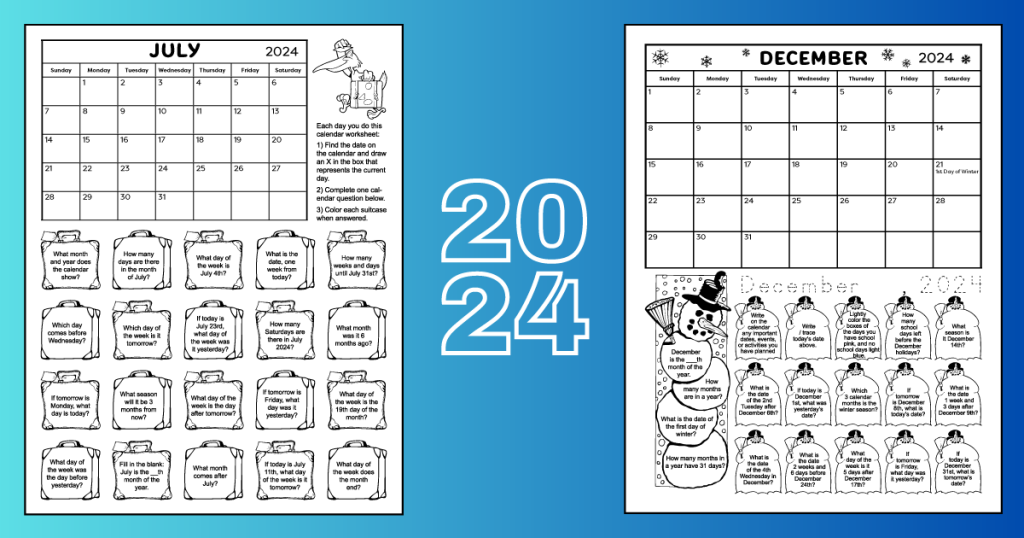
As the new academic year approaches, educators are on the lookout for fresh resources, activities, and worksheets to kick-start their curriculums and energize their classrooms. Back to School 2024 is no different, and in anticipation of welcoming students back, we’ve curated a list of innovative and engaging materials to ensure teachers are more than ready for the challenges ahead.

 Resources for Teachers

1. Digital Platforms for Classroom Management: Utilize modern platforms like Google Classroom or Edmodo to assign work, track progress, and manage communication. These tools facilitate a blended learning approach that can cater to individual student needs.

2. Professional Development Webinars: Engage in webinars from educational leaders focused on the latest teaching strategies and technological advancements in education. This could include topics like “Incorporating AI in Lesson Planning” or “Mindfulness Techniques for Student Wellness”.

3. Educational Apps: Equip your classroom with educational apps such as Khan Academy or Quizlet that support various subjects and customized learning experiences. These apps often offer interactive content that keeps students intrigued.

 Activities for the Classroom

1. Interactive Ice-Breakers: Start the year with activities that encourage students to get to know each other better through cooperative games. Some examples are “Two Truths and a Lie” or “Find Someone Who.”

2. STEM Challenges: Engage students with hands-on STEM (Science, Technology, Engineering, Mathematics) challenges like designing a simple machine from recyclables or coding a basic program.

3. Cultural Exchange Projects: Encourage global awareness by pairing up with schools from different countries for cultural exchange projects using video conferencing tools like Zoom.

 Worksheets

1. Math Problem Solving Sheets: Prepare worksheets with real-world math problems that require critical thinking and creativity to solve.

2. Literature Analysis Templates: Create literature circle sheets with guided questions encouraging deeper analysis of texts.

3. Historical Inquiry Projects: Design worksheets for historical inquiry projects, where students must research a given event or figure and present their findings.

Remember that the key to an energized start of the school year is variety and engagement. By incorporating these resources, activities, and worksheets into your planning, you’ll be ready to embark on an inspired teaching journey this Back to School 2024 season!

How to Handle Teacher Burnout: What the Experts Say Actually Works

Handling teacher burnout is a pervasive issue in the education sector that affects not only teachers but also the quality of education students receive. To tackle this immense challenge effectively, educational experts have weighed in and presented practical strategies to manage and mitigate the impact of burnout.

One of the key pieces of advice from experts is the importance of self-care. Teachers are encouraged to prioritize their wellbeing by setting aside time for relaxation and activities they enjoy outside work. Whether it’s engaging in a hobby, exercising, or simply resting, disconnecting from work-related stressors can replenish a teacher’s energy and morale.

Another recommendation is for schools to foster a supportive work environment. Administrative support can manifest in various forms, such as providing professional development opportunities, facilitating mentorship programs where experienced teachers can guide newcomers, and ensuring workload is balanced. Recognizing and celebrating accomplishments also goes a long way to boost morale.

Effective communication channels within the school can alleviate feelings of isolation and help share the load. Teachers should be encouraged to seek help when overwhelmed and collaborate with their colleagues on shared challenges.

Mindfulness and stress management techniques such as meditation, deep breathing exercises, or yoga can also help teachers maintain emotional balance. Such practices have been shown to reduce symptoms of anxiety and depression associated with burnout.

Furthermore, advocating for systemic changes can have a significant impact. Educators should feel empowered to voice their concerns about policies that contribute to increased stress and workload without fear of retribution. Policy change is often necessary for long-term solutions to teacher burnout.

Lastly, setting professional boundaries is essential. Teachers often go above and beyond for their students; however, it’s important they recognize when extended hours and additional tasks begin to detrimentally affect their personal life and health.

Overall, experts agree that addressing teacher burnout requires both personal strategies for self-care and systemic approaches that recognize and aim to rectify organizational issues causing undue stress among educators. By implementing these measures, teachers can find a more sustainable balance between their professional responsibilities and personal wellbeing.

4 Simple Steps to Stress Free Relief Teaching

Relief teaching can be a rewarding yet challenging experience. To ensure it is more stress-free, follow these four simple steps:

1. Preparation is Key: Before stepping into the classroom, prepare yourself with teaching materials and familiarize yourself with the school’s policies and procedures. Having a well-prepared lesson plan and backup activities can make all the difference.

2. Build Rapport Quickly: Start by learning a few names and establishing ground rules. Engage with the students by showing genuine interest in their learning. A positive student-teacher relationship can lead to better classroom management.

3. Flexibility and Adaptability: Be prepared to modify your lesson plans according to the class’s dynamics and educational needs. Adaptability is crucial since relief teaching often involves dealing with unpredictable situations.

4. Reflect and Learn: After each session, take some time to reflect on what worked well and what could be improved for next time. This reflection will contribute to your professional growth and readiness for future relief teaching opportunities.

By implementing these steps, relief teaching can become a less stressful and more enjoyable part of your educational career.

How to Get a Teaching Job: Expert Tips From Teachers Who Got the Gig

Finding success in the competitive arena of teaching requires more than just a strong educational background and a passion for enlightening young minds. Here are expert tips from teachers who have successfully navigated the path to securing their desired positions:

Understanding the Landscape: Before you even begin applying for jobs, it’s crucial to have a thorough understanding of the current educational landscape. Research the districts or institutions you’re interested in, their curricula, and their community involvement.

Tailoring Your Application: Customize your resume and cover letter for each application. Highlight your relevant experience and skills that align with the job description and the school’s philosophy. Be specific about how your unique qualities make you an excellent fit for that particular teaching position.

Gathering Robust Recommendations: Strong letters of recommendation are indispensable. Approach mentors or colleagues you’ve worked with closely who can vouch for your teaching ability and character. Ensure they can provide specific anecdotes that demonstrate your skills and successes in education.

Showcasing Technology Proficiency: With classrooms becoming increasingly digital, showcasing your proficiency with tech tools used in education can set you apart. Familiarize yourself with popular educational software and platforms used by schools and mention your ability to integrate technology into lesson plans.

Preparing for Interviews: Interviews can be daunting, but preparation is key. Practice answering common interview questions, and prepare some questions of your own to demonstrate your interest in the position. During the interview, be prepared to discuss specific educational strategies and philosophies.

Building Your Network: Networking can provide valuable insights and opportunities in the education sector. Attend job fairs, education conferences, and seminars to connect with professionals in the field. A recommendation from someone within a school or district can often carry significant weight.

Gaining Diverse Experience: Varied experience within different educational settings can enhance your resume. Consider substitute teaching, volunteering, or working in extracurricular programs to broaden your skill set and gain a better understanding of different student needs.

Continuing Professional Development: Show potential employers that you are committed to lifelong learning by engaging in professional development activities like workshops, courses, or certifications relevant to education.

By following these expert tips from teachers who got the gig, aspiring educators can improve their chances of getting a teaching job that not only fulfills them professionally but also allows them to make a lasting impact on their students’ lives. Remember to stay patient, persistent, and open to feedback throughout this challenging yet rewarding journey.

End of Year Activities & More for 2024 Teaching Resources

As the end of the 2024 school year approaches, educators are busy planning activities to ensure that their students have a meaningful and enjoyable conclusion to their academic year. These activities not only help recap the year’s learning but also reinforce skills and celebrate achievements. Here is a guide to creating engaging end-of-year activities and where to find the best teaching resources for 2024.

1. Thematic Field Days: Organize field days with learning stations based on different themes related to the subjects taught during the year. For instance, science stations involving simple experiments, math relay races with problem-solving challenges, and history scavenger hunts incorporating significant events learned.

2. Creative Arts Showcase: Host an event where students can display their artistic skills. This can include art exhibitions, music performances, or drama skits based on literature they’ve read over the year.

3. Reflection Journals: Encourage students to create journals summarizing what they’ve learned, their successes and challenges, and setting goals for the next year. This activity promotes introspection and growth mindset.

4. Academic Carnivals: Combine fun and learning by setting up carnival games revised into educational activities: vocabulary ring toss, fraction pie eating contest, or geography map race.

5. Community Service Projects: Engage students with community service projects that relate back to your curriculum. This may include environmental clean-ups linked to science lessons or book drives connected to literacy goals.

6. Tech-Driven Presentations: Have students utilize digital tools to create presentations about their favorite project or subject of the year. Use this opportunity to incorporate lessons about digital literacy and responsible media use.

7. Awards Ceremonies: Recognize each student’s achievements with a personalized award ceremony that highlights their unique contributions and growth throughout the school year.

8. Memory Books: Create memory books that include class photos, autographs from classmates, teacher notes, and space for students’ own memories from the year.

9. Cultural Exchange Days: Celebrate diversity by allowing students to present about their cultural traditions or heritage, learn from each other, and participate in a potluck of international foods.

10. Time Capsules: Have students fill a time capsule with mementos from the year which can be opened in future reunion events — a fun way to look back on their journey!

To support these activities, there are numerous online resources available:

– Teachers Pay Teachers offers a plethora of lesson plans and activity ideas tailored by grade level.

– Edutopia provides innovative strategies for end-of-year learning experiences.

– Pinterest is brimming with DIY projects and creative ideas for classroom events.

– Scholastic provides printable resources and workbooks suitable for wrapping up the curriculum.

– Education.com offers worksheets and online games aligned with educational standards.

With creativity, planning, and these fabulous resources, your end-of-year activities will not only wrap up this academic term successfully but also leave lasting memories as your students transition into summer break – ready for further learning adventures ahead!

Mindfulness Teaching Resources

In a world buzzing with distractions and stress, the art of mindfulness stands as a beacon of tranquility—offering techniques to help individuals find peace within the chaos. As educators and mentors, imparting this valuable skill can be transformative for students, guiding them towards enhanced focus, emotional regulation, and well-being. To integrate mindfulness effectively into educational frameworks, teachers require robust resources. Here’s an overview of mindfulness teaching resources that can help foster a mindful learning environment.

Books and Curriculums:

“The Mindful Education Workbook” by Daniel Rechtschaffen provides lessons, activities, and play-based strategies that teachers can use to incorporate mindfulness into their classrooms.

“Mindful Schools” curriculum is designed for K-12 classrooms, offering a step-by-step guide to teaching mindfulness to children and young adults.

“The Way of Mindful Education: Cultivating Well-being in Teachers and Students” by Daniel Rechtschaffen also offers insights and strategies for educators to weave mindfulness into their teaching approach.

Online Platforms and Apps:

The “Calm” app features a range of guided meditations on topics relevant for children and adolescents, as well as resources specifically crafted for use in educational settings.

“Headspace for Educators” provides free access to Headspace’s meditation content for all K-12 teachers, school administrators, and supporting staff in the US, UK, Canada, and Australia.

The “Smiling Mind” app includes a dedicated program designed for classrooms that focuses on developing children’s social and emotional learning through mindfulness practices.

Professional Development Workshops:

Mindful Schools offer online courses and workshops aimed at training educators in the fundamentals of mindfulness so they can embody the practice themselves before teaching it to students.

The Garrison Institute offers retreats and training programs focused on contemplative teaching approaches that integrate mindfulness into education.

Interactive Tools:

Pear Deck offers interactive slides with mindful activities like breathing exercises or gratitude reflections that can be incorporated into online classroom sessions or remote learning environments.

Koru Mindfulness program develops an evidence-based curriculum specifically targeted at young adults and college students.

Free Resources:

The Greater Good Science Center at UC Berkeley offers free research-based strategies for fostering social and emotional well-being in students and educators alike.

The “A Still Quiet Place” offers free downloadable mindfulness exercises on its website ideal for incorporating into classroom routines.

Mindfulness Teaching Resources offer an invaluable compass in guiding the next generation through the jungle of modern-day stressors. By leveraging these tools, educators can gift students not just with academic knowledge but also with the profound life skill of present-moment awareness—the roots from which all learning can flourish.

Relief Teacher Forms Teaching Resources

In the educational domain, relief teachers, also known as substitute teachers, play a critical role in maintaining the continuum of instruction when regular teachers are unavailable. To ensure that this transition is smooth and effective, relief teacher forms and teaching resources are indispensable tools that facilitate communication, instruction, and classroom management.

Relief teacher forms are specifically designed to provide subs with a comprehensive overview of the day-to-day classroom procedures, student information, lesson plans, and administrative necessities. These forms assist substitutes in stepping into the shoes of the regular teacher with greater ease and confidence.

One of the primary resources is the ‘Substitute Teacher Information Form’. This document typically outlines key details such as classroom rules, emergency procedures, important locations like the nurse’s office or faculty room, and a detailed schedule for the day. It may also include student seating charts, which can drastically reduce classroom management issues by helping the substitute learn names quickly.

Another crucial document is the ‘Lesson Plan Form.’ Lesson plans provided to relief teachers should be clear and detailed but also allow for some flexibility. They need to include information on lesson objectives, materials required, activities planned, and assessment methods to measure student understanding.

In addition to these primary forms, effective communication tools like a ‘Classroom Incident Report’ can be vital for documenting any issues that occur during the teacher’s absence. Moreover, a ‘Teacher Feedback Form’ completed by the relief teacher provides valuable insights into how the day went and suggests possible improvements for future occasions.

Having a well-organized ‘Relief Teacher Binder’ or digital resource repository can make all the difference. This binder could contain all relevant forms, additional teaching resources such as worksheets or multimedia materials to enrich lessons, as well as general information on school policies and teacher contacts.

Properly utilizing relief teacher forms not only helps maintain educational consistency but also supports substitute teachers in performing at their best. By investing in these teaching resources and keeping them up-to-date and easily accessible, schools can foster a positive learning environment even in the absence of regular staff members.

The successful integration of relief teachers into classrooms is therefore contingent upon providing them with structured guidance through these teaching resources—a truly shared responsibility among educators to ensure seamless educational delivery.