
“`html
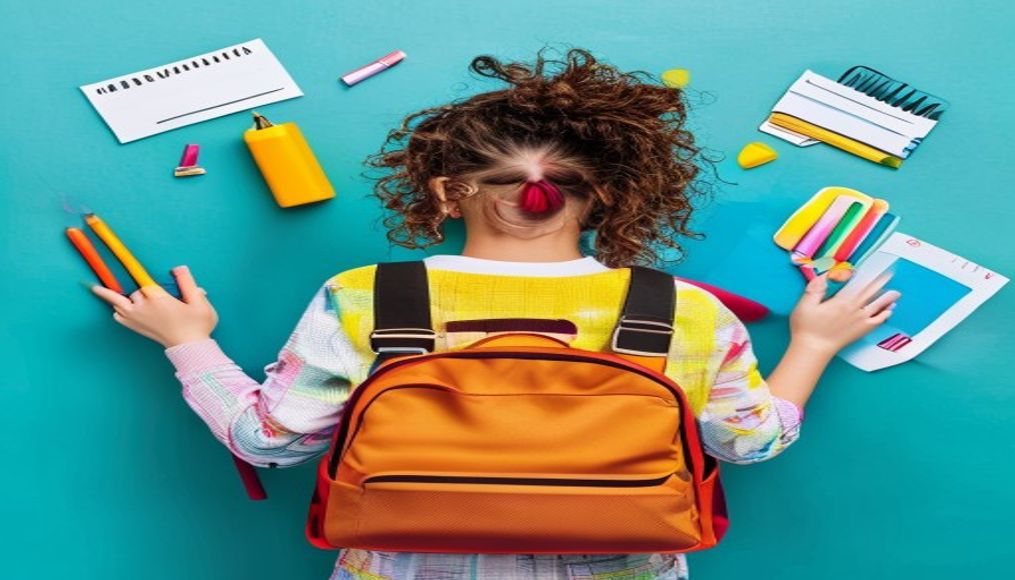
As summer winds down and the excitement of a new school year begins, many parents find themselves preparing for that crucial back to school shopping list 1st grade. It’s an important time not just for the kids, who are gearing up to meet new classmates and teachers, but also for parents who want to ensure their little ones are well-equipped for the academic year ahead. This article provides a comprehensive list of essential items, practical insights, and tips to streamline the back-to-school shopping experience.
Understanding the 1st Grade Curriculum
Before diving into the specifics of what to buy, it’s helpful to understand what first graders will be learning. Typically, the curriculum revolves around foundational skills in areas such as:
- Reading and Writing: Students will learn to read simple texts, recognize sight words, and write complete sentences.
- Mathematics: Basic addition and subtraction, understanding numbers, and simple geometry concepts.
- Science and Social Studies: Introduction to basic scientific principles, as well as an understanding of community and family roles.
- Art and Physical Education: Encouraging creativity and physical activity through various projects and games.
With this in mind, the items on your back to school shopping list 1st grade can be tailored to support these learning objectives.
Essential School Supplies
No back-to-school shopping list would be complete without the basic necessities. Here’s what you should consider including:
- Pencils: Start with a good supply of #2 pencils, which are standard for school use. Consider getting a pencil case for organization.
- Notebooks: Single subject notebooks in various colors can help kids keep subjects organized. Look for ones with wide-ruled paper that’s easier for young writers.
- Binders: A 1-inch binder can be useful for storing handouts, completed assignments, and important papers.
- Crayons and Markers: Crayons for coloring and markers for drawing can be both educational and fun, encouraging creativity.
- Glue Sticks and Scissors: A good glue stick is a must for projects, and safety scissors will allow first graders to work on cutting skills.
- Folders: Have a couple of plastic folders to keep important papers safe and organized. Choose different colors for easy identification.
- Erasers: Don’t forget a good supply of erasers, since mistakes are a natural part of learning.
Many schools provide a specific list of supplies, so check in with your child’s teacher to see if there are any additional items required.
Apparel and Accessories
In addition to school supplies, it’s crucial to prepare your child’s wardrobe for the school year. Here are some clothing essentials to consider: (successful back to school strategies)
- Uniforms or Dress Code Items: If your child’s school has a dress code or uniform policy, make sure to include those specific items on your list.
- Shoes: A comfortable pair of sneakers is essential for daily wear, especially for recess and physical education classes.
- Outerwear: Depending on the climate, a good jacket or sweater is a must-have for colder months.
- Backpack: Choose a sturdy, age-appropriate backpack that can hold all of the school supplies. Consider one with padded straps for comfort.
- Lunch Box: If your child will be bringing lunch from home, a durable lunch box that’s easy to clean is important.
Ensuring your child has the right apparel not only helps them feel prepared, but also boosts their confidence as they meet new peers. (See: First Grade Curriculum Overview.)
Lunch and Snack Essentials
Healthy eating is a significant part of your child’s growth and learning. Packing nutritious lunches and snacks can help maintain their energy levels throughout the day. Here’s what to consider:
- Reusable Containers: Invest in various sizes of reusable containers to pack fruits, vegetables, and other snacks. This is both eco-friendly and cost-effective.
- Insulated Lunch Bag: An insulated lunch bag will keep perishable items fresh until lunchtime.
- Water Bottle: Encourage hydration by providing a reusable water bottle, making it easy for your child to drink throughout the school day.
- Healthy Snacks: Consider packing a variety of healthy snacks such as granola bars, yogurt, or cut-up fruits and veggies.
Engaging your child in the lunch packing process can also help them feel ownership over their choices, encouraging healthier eating habits.
Technology Considerations
As technology continues to play a crucial role in education, it’s important to incorporate it into your back to school shopping list 1st grade as well. Here’s what you might need:
- Tablet or Laptop: Some schools are now incorporating technology into the curriculum. If your child’s school uses digital learning tools, consider whether they need a device.
- Headphones: A good pair of headphones can help your child focus during online lessons or while working on educational apps.
- Educational Apps: Research and download apps that support learning in reading and math. Many are designed specifically for first graders.
Before making any tech purchases, verify with your child’s school regarding their specific requirements and recommendations.
Budgeting for Back-to-School Shopping
As you prepare your back to school shopping list 1st grade, budget considerations are crucial to avoid overspending. Here are some tips to keep in mind:
- Create a List: Stick to your list to avoid impulse buys. Write down specific items you need, breaking them into categories.
- Shop Sales: Take advantage of sales promotions and coupons. Retailers often offer back-to-school discounts, so plan your shopping trips accordingly.
- Buy in Bulk: For items like pencils, notebooks, and other supplies, buying in bulk can be more cost-effective.
- Consider Secondhand: Don’t shy away from gently used items. Thrift stores often have great deals on backpacks, clothing, and other supplies.
Budgeting effectively not only makes the shopping experience less stressful but also teaches your child valuable financial skills.
Involving Your Child in the Process
Back-to-school shopping can also be an excellent opportunity to involve your child in decision-making. Here’s how you can make it a fun and educational experience: We covered creative 1st grade art projects in more detail.
- Let Them Choose: Allow your child to select a few items from the list. This helps them feel empowered and excited about starting school.
- Discuss Needs vs. Wants: Teach your child about prioritizing essentials over non-essentials by discussing needs versus wants.
- Plan a Shopping Day: Make a fun day out of shopping by turning it into an adventure. After shopping, consider a small treat such as ice cream or a visit to a park.
Involving your child fosters a sense of responsibility and helps them appreciate the value of what they’re getting. (See: Importance of Physical Activity.) For more on this, see engaging stem learning through animation.
Extra Items for 1st Graders
In addition to the basics, consider adding a few more items that can enhance your child’s school experience:
- Art Supplies: In addition to crayons and markers, you might want to include colored pencils, sketchbooks, or paint sets. These can help foster your child’s creative skills.
- Books for Home Reading: Stocking up on a few age-appropriate books for your child to read at home can help reinforce their reading skills outside of school.
- Games and Puzzles: Educational games and puzzles can provide fun ways to engage with math and literacy concepts while also encouraging family bonding time.
Expert Tips for Effective Shopping
Getting insights from educators and school counselors can provide additional strategies for making the back-to-school shopping experience smooth:
- Set a Budget Early: Experts recommend determining a budget before you start shopping to prevent overspending. Discuss this with your child to instill financial awareness early on.
- Check School Policies: Always verify with your school about specific needs or restrictions to ensure you’re not purchasing unnecessary items.
- Incorporate Learning: Turn shopping into a learning opportunity. For example, practice math skills by adding up costs or comparing prices.
Common Questions About Back-to-School Shopping for 1st Grade
What supplies do I need for my 1st grader?
Aside from the essentials listed above, it’s good to have a variety of art supplies, books for home reading, and educational games to support your child’s learning.
How can I save money on school supplies?
Look for sales, use coupons, and consider buying in bulk. Thrift stores can also be great places to find gently used items at a fraction of the cost.
Should I buy brand-name supplies or generic ones?
It often depends on the item. While some things, like notebooks and folders, may not differ in quality, others, such as crayons and markers, can have varying performance. It’s worthwhile to read reviews if you’re unsure.
How can I make sure my child is prepared for school?
In addition to having supplies, create a routine for school days, practice some reading and math skills at home, and ensure your child understands what to expect as they start the new year.
High-Quality vs. Budget-Friendly Supplies
When shopping for school supplies, you’ll often face the choice between high-quality brands and more budget-friendly options. High-quality supplies, such as branded markers and notebooks, can sometimes offer better performance and durability. For instance, some parents have noticed that Crayola markers last longer and provide richer colors compared to generic brands. (See: Learning to Read Resources.)
On the other hand, budget-friendly items can still serve their purpose effectively. Many parents find that generic folders and binders do the job just fine. It’s essential to balance quality and cost, especially if you need to buy multiple items. You might consider investing a bit more in items that will see heavy use, like backpacks or art supplies, while opting for budget-friendly options for items that won’t wear out quickly.
Preparing for the Transition to 1st Grade
Transitioning to 1st grade can be a significant change for young children. To help ease this transition, consider a few key strategies: literacy development with cartoons offers useful background here.
- Visit the School: If possible, take your child to the school before the first day. Familiarizing them with the environment can help reduce anxiety.
- Meet the Teacher: Attend any back-to-school events to meet the teacher. A friendly introduction can make your child feel more comfortable.
- Set a Routine: Start practicing a school-day routine a week or two before school begins. This can include wake-up times, meal times, and prepping for school.
- Discuss Expectations: Talk about what they can expect in 1st grade. Discuss subjects they’ll learn, activities they’ll do, and the fun of making new friends.
Tips for Organizing School Supplies
Once you have gathered all the items on your back to school shopping list 1st grade, organization is key. Here are some effective strategies:
- Color-Coding: Use different colors for different subjects. For example, use blue folders for math and red for reading. This visual cue helps children quickly identify their materials.
- Storage Solutions: Invest in a storage bin or designated area in your home where all school supplies are kept. This makes it easy for your child to find what they need each morning.
- Daily Checklists: Create a checklist for your child to follow each morning. This can include items like their backpack, lunch, water bottle, and homework.
Conclusion: Preparing for a Successful School Year
As the countdown to the first day of school begins, having a well-thought-out back to school shopping list 1st grade can alleviate stress for both parents and children. From essential school supplies to clothing and lunch necessities, each item plays a role in supporting your child’s learning and development. By involving your child in the shopping process and being mindful of budgeting, you’ll not only prepare them for success in school but also create lasting memories during this important transition.
Remember, the goal is not just to check off boxes on a list, but to equip your child for a meaningful and enjoyable educational experience. With the right tools, your first grader will be ready to thrive in their new classroom environment.
“`
Trending Now
Frequently Asked Questions
What supplies do I need for 1st grade?
Essential supplies for 1st grade include #2 pencils, single subject notebooks, a 1-inch binder, crayons, and markers. These items help support the foundational skills in reading, writing, mathematics, and art that first graders will be learning.
How can I prepare my child for 1st grade?
To prepare your child for 1st grade, familiarize them with basic reading and math skills. Engage in fun learning activities, encourage creativity through art, and ensure they have the necessary school supplies to support their learning.
What is included in a back-to-school shopping list for 1st graders?
A back-to-school shopping list for 1st graders typically includes pencils, notebooks, binders, crayons, markers, glue sticks, and scissors. These items are essential for supporting the curriculum and helping children stay organized.
What subjects do first graders learn?
First graders learn foundational skills in reading, writing, mathematics, science, social studies, art, and physical education. The curriculum focuses on developing basic literacy and numeracy skills while encouraging creativity and physical activity.
How can I make back-to-school shopping easier?
To streamline back-to-school shopping, create a detailed list of required supplies based on your child's school guidelines. Shop early to avoid crowds, and consider using online shopping options for convenience. Involve your child in choosing their supplies to make it fun.
What did we miss? Let us know in the comments and join the conversation.