
“`html
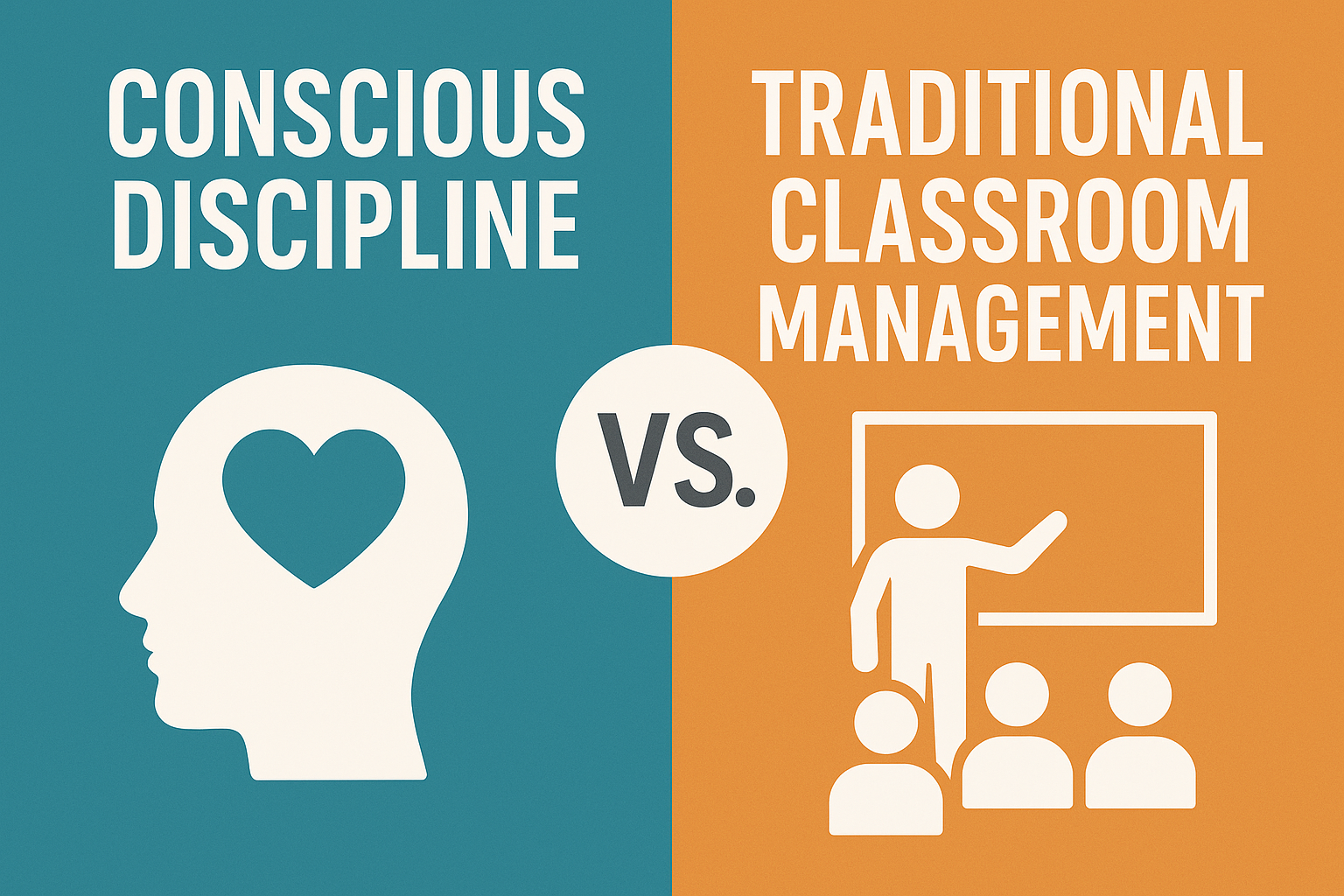
In the world of education, the battle between different management techniques is ongoing. Among the most talked-about frameworks today is Conscious Discipline, a comprehensive, trauma-informed approach that emphasizes social-emotional learning and self-regulation. In contrast, traditional classroom management often relies on behaviorist strategies that focus on rules and consequences. This article delves into the key differences between these two paradigms and explores how they shape the learning environment for students and teachers alike.
1. Understanding Conscious Discipline
Conscious Discipline is more than just a set of techniques; it’s a transformational philosophy developed by Dr. Becky Bailey. Rooted in neuroscience and psychology, this approach encourages educators to create safe, connected, and problem-solving classrooms. The goal is to foster an environment where children can learn to manage their emotions and build healthy relationships.
Unlike traditional methods that often focus on compliance, Conscious Discipline promotes self-regulation by teaching children to recognize their feelings, express them appropriately, and develop empathy. By integrating these emotional skills into daily routines, this approach aims to reduce behavior problems and enhance academic performance. Moreover, it empowers teachers to model emotional intelligence, setting a powerful example for their students.
2. The Foundations of Traditional Classroom Management
Traditional classroom management techniques usually hinge on behaviorist principles, which are grounded in the belief that behavior can be shaped through reinforcement and punishment. Educators using these methods typically establish a set of rules and consequences, expecting students to comply in exchange for rewards or to avoid punishment.
Such strategies can include token economies, time-outs, or loss of privileges. While these techniques may lead to immediate compliance, critics argue that they often fail to address the underlying causes of misbehavior. Students may learn to behave out of fear of consequences rather than developing genuine self-discipline or understanding the impact of their actions on others.
3. Key Differences: Philosophy and Implementation
At their core, the philosophies underlying Conscious Discipline and traditional management are fundamentally different. Conscious Discipline emphasizes emotional awareness, communication, and building relationships, while traditional methods often focus on control and compliance. This results in distinct implementation strategies in the classroom.
In a Conscious Discipline classroom, teachers cultivate a supportive environment where students feel safe to express their emotions. Techniques such as “The Safe Place,” a designated area for self-regulation, allow students to take a break and calm down before re-engaging with their peers. Conversely, traditional classrooms may resort to time-outs or isolation as forms of punishment, which can exacerbate feelings of shame and disconnectedness.
4. Social-Emotional Learning: A Core Component of Conscious Discipline
One of the hallmarks of Conscious Discipline is its deep integration of social-emotional learning (SEL). SEL is recognized as crucial for student success, as it helps children develop skills like empathy, emotional regulation, and interpersonal communication. In fact, the Collaborative for Academic, Social, and Emotional Learning (CASEL) reports that SEL programs significantly improve students’ academic performance, behavior, and mental health.
By incorporating SEL into daily routines, Conscious Discipline teaches children to recognize their emotions and those of others, fostering a culture of empathy and collaboration. This contrasts sharply with traditional approaches, which typically prioritize academic achievement at the expense of emotional development, potentially neglecting the holistic needs of students. (See: Social and Emotional Learning Resources.)
5. Impact on Teacher-Student Relationships
The teacher-student relationship plays a critical role in students’ academic and emotional success. Conscious Discipline encourages educators to form strong connections with their students, fostering trust and respect. Techniques such as morning meetings or daily check-ins provide opportunities for teachers to engage with their students, allowing them to create a supportive classroom community.
On the other hand, traditional classroom management can inadvertently create a power dynamic that positions teachers as enforcers of rules rather than mentors. This often leads to a transactional relationship based on compliance, where students may feel resentful or disengaged. By prioritizing emotional intelligence and connection, Conscious Discipline cultivates a more positive and collaborative learning environment.
6. Practical Insights: Implementing Conscious Discipline
For educators looking to shift from traditional management to Conscious Discipline, several practical steps can facilitate this transition. First, understanding the underlying principles of the approach is crucial. Educators can engage in professional development workshops or read literature on the subject to deepen their knowledge and skills.
Second, starting small is key. Teachers can begin by integrating simple strategies, such as using calming techniques like deep breathing or mindfulness exercises, into their routines. Over time, these practices can evolve into a more comprehensive implementation of Conscious Discipline throughout the classroom.
Additionally, collaboration with colleagues can enhance the process. By sharing experiences and strategies, teachers can support each other in creating a unified approach to discipline within their school. Ultimately, a school-wide commitment to Conscious Discipline can lead to transformative changes in the overall culture of learning.
7. Current Relevance and Future Trends
As we navigate an increasingly complex educational landscape, the relevance of Conscious Discipline continues to grow. The importance of mental health, trauma-informed practices, and emotional resilience has become more apparent, especially in the wake of global challenges that have affected students and educators alike.
Research supporting SEL and Conscious Discipline is on the rise, highlighting the need for educational systems that prioritize emotional well-being. Schools that adopt these frameworks are likely to see not only improved behavior but also enhanced academic outcomes, as students become more engaged and motivated to learn.
Moreover, as discussions about equity and inclusion gain traction, Conscious Discipline provides a meaningful framework for addressing the diverse needs of students. By fostering self-awareness and empathy, educators can create classrooms that embrace all students, regardless of their background or experiences.
8. Challenges and Considerations
While the benefits of Conscious Discipline are compelling, transitioning from traditional management methods can pose challenges. Educators accustomed to strict behavioral control may struggle with the shift towards a more relational and emotionally-centered approach. Additionally, resistance from some staff members or parents who favor conventional methods can hinder progress.
To address these challenges, ongoing professional development and open dialogue within schools are essential. Engaging stakeholders, including parents and community members, in discussions about the benefits of Conscious Discipline can help build buy-in and support for the initiative. Change is rarely easy, but with commitment and collaboration, positive transformations are achievable.
9. Real-Life Examples of Success
Numerous schools have successfully implemented Conscious Discipline, leading to significant improvements in student behavior and academic performance. For instance, a study conducted in a Florida school district revealed that schools adopting Conscious Discipline experienced a notable decrease in suspensions and disciplinary referrals. Students reported feeling more connected to their teachers and peers, fostering a supportive school culture.
These success stories are not just anecdotal; they are backed by research that highlights the positive impact of SEL programs, including Conscious Discipline, on student outcomes. Schools that prioritize emotional intelligence not only create a better learning environment but also equip students with the skills needed to thrive in life beyond the classroom.
10. Final Thoughts
The ongoing comparison between Conscious Discipline and traditional classroom management techniques reveals a significant shift in educational philosophy. As educators seek to address the emotional and social needs of their students, Conscious Discipline offers a hopeful and effective alternative to time-worn methods that often fall short.
By prioritizing emotional awareness and connection, this approach empowers both students and teachers to build a supportive learning environment where everyone can thrive. The future of education lies in embracing these innovative frameworks that recognize the importance of social-emotional skills alongside academic achievements. Ultimately, the success of our students rests not only on the knowledge they acquire but also on their ability to navigate the complexities of life with emotional intelligence and resilience.
11. Statistics on the Effectiveness of Conscious Discipline
Research has shown that implementing Conscious Discipline leads to measurable improvements in student outcomes. For example, a study from the University of Virginia found that schools utilizing Conscious Discipline reported a 20% reduction in disruptive behavior incidents. Furthermore, 75% of teachers noted an increase in student engagement and participation compared to previous years.
In another study, schools that adopted SEL frameworks, including Conscious Discipline, saw a 22% increase in students’ ability to manage their emotions effectively, which translates to better classroom interactions and less conflict. Such statistics reinforce the idea that when students feel safe and understood, they are more likely to engage fully in their learning.
12. Expert Perspectives on Conscious Discipline
Many experts support the implementation of Conscious Discipline in educational settings due to its holistic approach. Dr. Daniel Siegel, a prominent psychiatrist and author, emphasizes the importance of emotional regulation in children’s development. He acknowledges that Conscious Discipline aligns well with current neuroscience findings, which highlight the importance of emotional and social skills in fostering resilience.
Additionally, Dr. Linda Darling-Hammond, an education researcher, points out that schools focusing on emotional intelligence, like those using Conscious Discipline, not only prepare students for academic success but also equip them with crucial life skills. According to her research, students who develop emotional skills are more likely to succeed in their careers and personal lives.
13. Frequently Asked Questions about Conscious Discipline
What age group is Conscious Discipline suitable for?
Conscious Discipline can be implemented across various age groups, from preschool through high school. Its principles can be adapted to suit the developmental stages of students, making it a versatile approach for different educational settings.
How does Conscious Discipline differ from other SEL programs?
While many SEL programs focus primarily on teaching emotional skills, Conscious Discipline integrates those skills into a comprehensive framework that includes discipline practices, relationship building, and trauma-informed care. This approach makes it distinctively holistic.
Can parents use Conscious Discipline at home?
Absolutely! The principles of Conscious Discipline can be effectively applied at home. Parents can use techniques such as modeling emotional regulation, providing safe spaces for expression, and encouraging problem-solving discussions, which can enhance family dynamics and emotional well-being.
Is there any training required to implement Conscious Discipline?
While formal training is beneficial for teachers and educators, many resources, including books, online courses, and workshops, are available for those interested in learning about Conscious Discipline. Implementing even a few of its principles can lead to significant positive changes.
How can schools measure the impact of Conscious Discipline?
Schools can assess the effectiveness of Conscious Discipline through various methods, such as tracking disciplinary incidents, student engagement levels, and conducting surveys among students, teachers, and parents about their experiences and perceptions of the classroom environment.
“`
Trending Now
Frequently Asked Questions
What is Conscious Discipline in education?
Conscious Discipline is a comprehensive, trauma-informed approach developed by Dr. Becky Bailey. It emphasizes social-emotional learning and self-regulation, focusing on creating safe and connected classrooms where students learn to manage their emotions and build healthy relationships.
How does Conscious Discipline differ from traditional classroom management?
Unlike traditional classroom management, which relies on behaviorist strategies like rules and consequences, Conscious Discipline promotes self-regulation and emotional intelligence. It encourages students to recognize and express their feelings, fostering a supportive learning environment.
What are the benefits of using Conscious Discipline?
The benefits of Conscious Discipline include reduced behavior problems, enhanced academic performance, and improved emotional skills among students. It also empowers teachers to model emotional intelligence, creating a more positive and connected classroom atmosphere.
What techniques are used in traditional classroom management?
Traditional classroom management techniques often include behaviorist strategies such as token economies, time-outs, and loss of privileges. These methods focus on establishing rules and consequences to achieve immediate compliance from students.
Can Conscious Discipline improve student behavior?
Yes, Conscious Discipline aims to improve student behavior by teaching emotional regulation and empathy. By fostering a safe and supportive environment, it helps students manage their emotions better, which can lead to a reduction in disruptive behavior.
What’s your take on this? Share your thoughts in the comments below — we read every one.