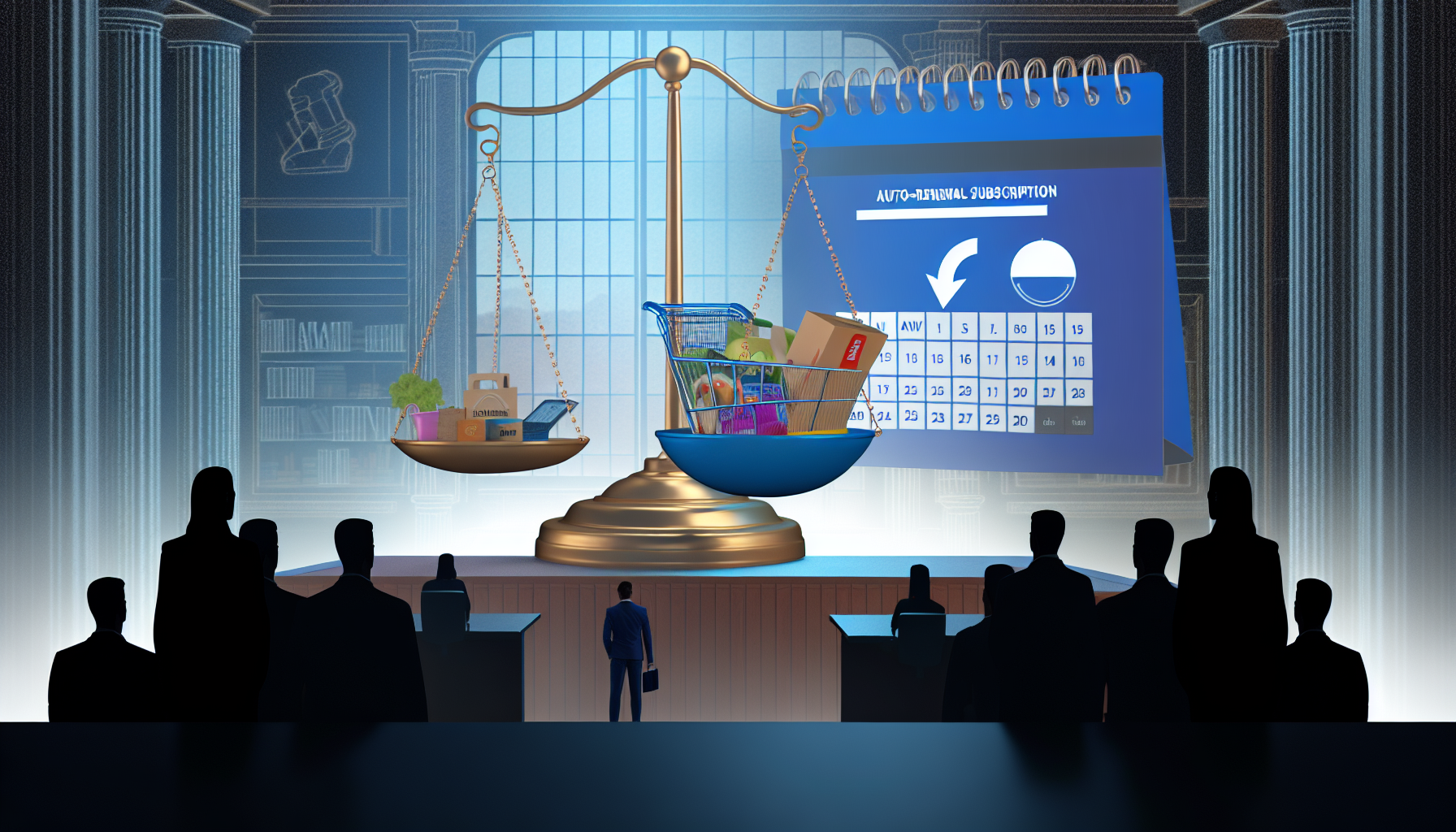

In an era where subscription services have become a staple in consumer spending, a proposed class-action lawsuit against Costco is shining a spotlight on the intricacies of California’s Automatic Renewal Law (ARL). This legal challenge raises critical questions about compliance and the practices of businesses utilizing auto-renewal models, potentially setting the stage for significant changes in how companies operate their subscription services.
The Lawsuit: Allegations and Implications
Filed recently, the lawsuit against Costco alleges that the retail giant has failed to adhere to the stringent requirements set forth by California’s ARL. This law mandates that businesses engaging in auto-renewal practices must provide clear disclosures regarding the terms of the renewal, including information on cancellation policies and the renewal process itself. The lawsuit suggests that Costco’s practices may not meet these legal standards, thereby putting the company at risk of facing substantial financial penalties.
Understanding California’s Automatic Renewal Law
Enacted to protect consumers from unexpected charges and complicated cancellation processes, California’s ARL requires businesses to:
- Obtain the consumer’s affirmative consent to the auto-renewal terms before charging their payment method.
- Provide a clear and conspicuous disclosure of the auto-renewal terms, including how to cancel the subscription.
- Send a confirmation of the auto-renewal to the consumer.
- Have an easy method for consumers to cancel the service.
The ARL reflects a growing concern among consumers regarding the transparency of subscription services. With many businesses shifting towards subscription-based models, compliance with such regulations has become paramount.
The Rise of Class Action Lawsuits in Subscription Models
This lawsuit against Costco is not an isolated incident. It is part of a broader trend where class action lawsuits are increasingly targeting companies that utilize auto-renewal practices. As consumers become more aware of their rights and the legal frameworks designed to protect them, businesses may find themselves facing significant class action risks.
Consumer Awareness and Legal Scrutiny
The general public’s awareness regarding subscription services and their associated legal rights has been on the rise. Many consumers have expressed frustration over auto-renewal practices that often lead to unintentional charges. This growing awareness has resulted in an uptick in lawsuits against companies perceived to be exploiting these practices.
Legal experts note that the enforcement of the ARL is becoming more stringent, as courts have begun to scrutinize the compliance of businesses in this sector closely. This heightened focus gives rise to a layered legal landscape for businesses that rely on subscription models.
Potential Consequences for Costco
If the lawsuit against Costco proceeds and the court finds in favor of the plaintiffs, the implications could be far-reaching. Potential consequences include:
- Financial Penalties: Costco could face substantial fines and damages if found guilty of violating the ARL.
- Operational Changes: The company may need to revise its auto-renewal practices to ensure compliance with the law, leading to changes in how it communicates with its members.
- Reputation Damage: Legal challenges can tarnish a company’s brand image, potentially leading to a loss of customer trust.
- Increased Legal Scrutiny: A ruling against Costco could encourage further legal challenges by consumers against other companies with similar practices.
The Broader Impact on Subscription-Based Businesses
The implications of this lawsuit extend beyond Costco. As more businesses adopt subscription models, they must understand the legal landscape surrounding auto-renewals. The potential for class action lawsuits highlights the need for companies to proactively ensure compliance with state laws like California’s ARL.
Best Practices for Compliance
To mitigate the risks associated with auto-renewal practices, businesses can adopt several best practices:
- Clear Communication: Ensure that all terms and conditions related to auto-renewals are communicated transparently to consumers.
- Obtain Consent: Companies should implement processes to obtain clear and affirmative consent from consumers before enrolling them in auto-renewal programs.
- Easy Cancellation: Provide consumers with easy-to-follow instructions on how to cancel their subscriptions to avoid unintentional renewals.
- Regular Audits: Conduct regular compliance audits to ensure that all aspects of the auto-renewal process align with legal requirements.
Conclusion: Navigating the Future of Auto-Renewal Practices
The lawsuit against Costco serves as a critical reminder of the evolving legal landscape surrounding auto-renewal practices. As consumer awareness increases and legal scrutiny intensifies, businesses must prioritize compliance with laws like California’s ARL. By adopting best practices and ensuring clear communication with consumers, companies can navigate the complexities of subscription models while protecting themselves from potential legal repercussions.
As the case unfolds, it will undoubtedly have a lasting impact on not only Costco but also the broader industry landscape surrounding subscription services. The outcome may well dictate how businesses approach auto-renewal practices in the future, marking a pivotal moment in the ongoing dialogue between consumer rights and business practices.