
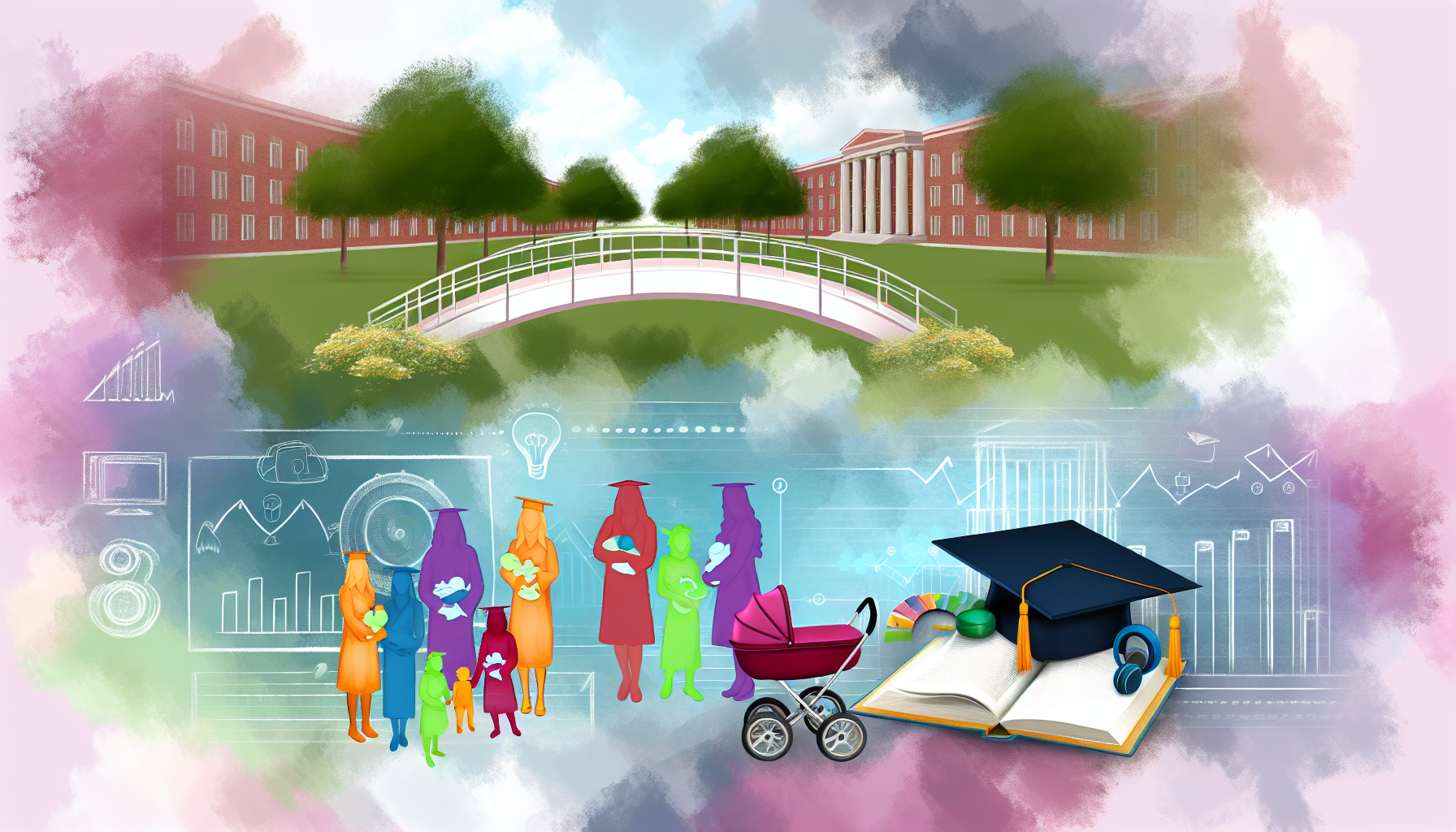

The landscape of higher education is evolving, yet it continues to present unique challenges for a significant demographic: student parents. A recent examination of the hurdles faced by these individuals reveals alarming statistics and a pressing need for institutional reform. Published on March 18, 2026, the discussion highlights the disproportionate struggles endured by single mothers, who often bear the brunt of poverty, pay equity gaps, and caregiving responsibilities. Moreover, the conversation surrounding parenthood in academia frequently overlooks the role of fathers, indicating a need for a more inclusive approach to support.
The Struggles of Student Parents
According to data, student parents constitute a notable percentage of the college population, with estimates suggesting that between 15% to 20% of students are also raising children. These individuals face a unique set of obstacles that can hinder their educational pursuits, including:
- Poverty: Many student parents are living below the poverty line, making it challenging to afford tuition, textbooks, and other essential expenses.
- Pay Equity Gaps: Women, particularly single mothers, often experience significant wage disparities that can limit their ability to finance their education.
- Caregiving Burdens: Balancing academic responsibilities with the demands of parenting can lead to increased stress and time constraints, making it difficult to succeed in both domains.
The Erasure of Fathers from the Conversation
While much of the dialogue surrounding student parents focuses on mothers, it is crucial to recognize the contributions and challenges faced by fathers as well. The prevailing narrative often sidelines fathers in discussions about caregiving, which can perpetuate stereotypes and limit the support available to them. Programs aimed at helping student parents should not only prioritize mothers but also actively seek to engage fathers in the conversation.
The Importance of Inclusive Programming
Organizations like Generation Hope are pioneering efforts to address the specific needs of student parents, yet there remains a significant gap in data collection regarding parenting status on college campuses. Without this critical information, institutions struggle to identify the unique challenges faced by their student parent populations. Here are some recommendations for enhancing support for all student parents:
- Data Collection: Colleges should prioritize gathering data on students’ parenting status to better understand their needs and tailor resources accordingly.
- After-Hours Childcare: Providing affordable childcare options during evening hours could significantly alleviate the burden on parents who are attending classes or studying late.
- Flexible Scheduling: Institutions should consider offering more flexible class schedules and online learning options to accommodate the diverse needs of student parents.
- Support Networks: Creating peer support groups for student parents can foster a sense of community and provide valuable resources for navigating the challenges of balancing education and parenthood.
Understanding the Broader Impact
The challenges faced by student parents are not just personal; they have broader implications for society as a whole. When parents struggle to access higher education, it perpetuates cycles of poverty and limits social mobility. Supporting student parents is not merely a matter of equity; it is an investment in the future workforce and the overall well-being of communities.
Policy Initiatives and Institutional Responsibility
Higher education institutions must take an active role in addressing these challenges through policy initiatives and dedicated programming. This includes advocating for:
- Financial Aid: Increased financial support tailored specifically for student parents can alleviate some of the economic pressures they face.
- Work-Study Opportunities: Expanding work-study programs to include flexible hours and childcare provisions can help student parents balance work and academic responsibilities.
- Awareness Campaigns: Raising awareness about the unique challenges faced by student parents can foster a more supportive campus culture.
Conclusion: A Call to Action
The fight for better access to higher education for student parents is ongoing, and it requires a concerted effort from educators, policymakers, and community organizations. By prioritizing the needs of both mothers and fathers, institutions can create a more equitable educational environment. As we move forward, it is essential that we acknowledge the complex realities of student parents and work collectively to dismantle the barriers that hinder their success.
Ultimately, empowering student parents is not just about providing resources; it’s about recognizing their vital role in shaping the future of our society. By fostering an inclusive and supportive atmosphere, we can ensure that all students have the opportunity to thrive in higher education, regardless of their parenting status.






