The call for equity in education is not a new one, but it’s a call that continues to resonate with urgency. We talk about education being the great equalizer, but in reality, the playing field is far from level. Students from marginalized backgrounds face a multitude of barriers to accessing quality education, from lack of resources to systemic biases.
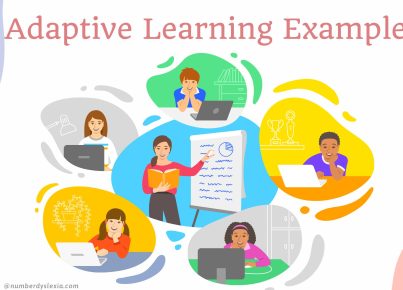
Equity in education means ensuring all students, regardless of their background, have the opportunity to learn and thrive. It requires acknowledging and addressing the unique needs and challenges faced by diverse learners. This goes beyond simply providing equal access; it means tailoring support to meet individual needs.
Achieving equity necessitates a multifaceted approach. We must invest in culturally responsive curriculum that reflects the experiences and perspectives of all students. Teachers need ongoing professional development to equip them with the skills to teach diverse learners effectively. Additionally, tackling socioeconomic disparities, including access to food, housing, and healthcare, is crucial.
The benefits of an equitable education system are undeniable. It fosters a more inclusive society, cultivates critical thinking, and empowers individuals to reach their full potential. Ultimately, investing in equity is investing in a brighter future for all. It’s not just a moral imperative; it’s a strategic necessity for a thriving society.