
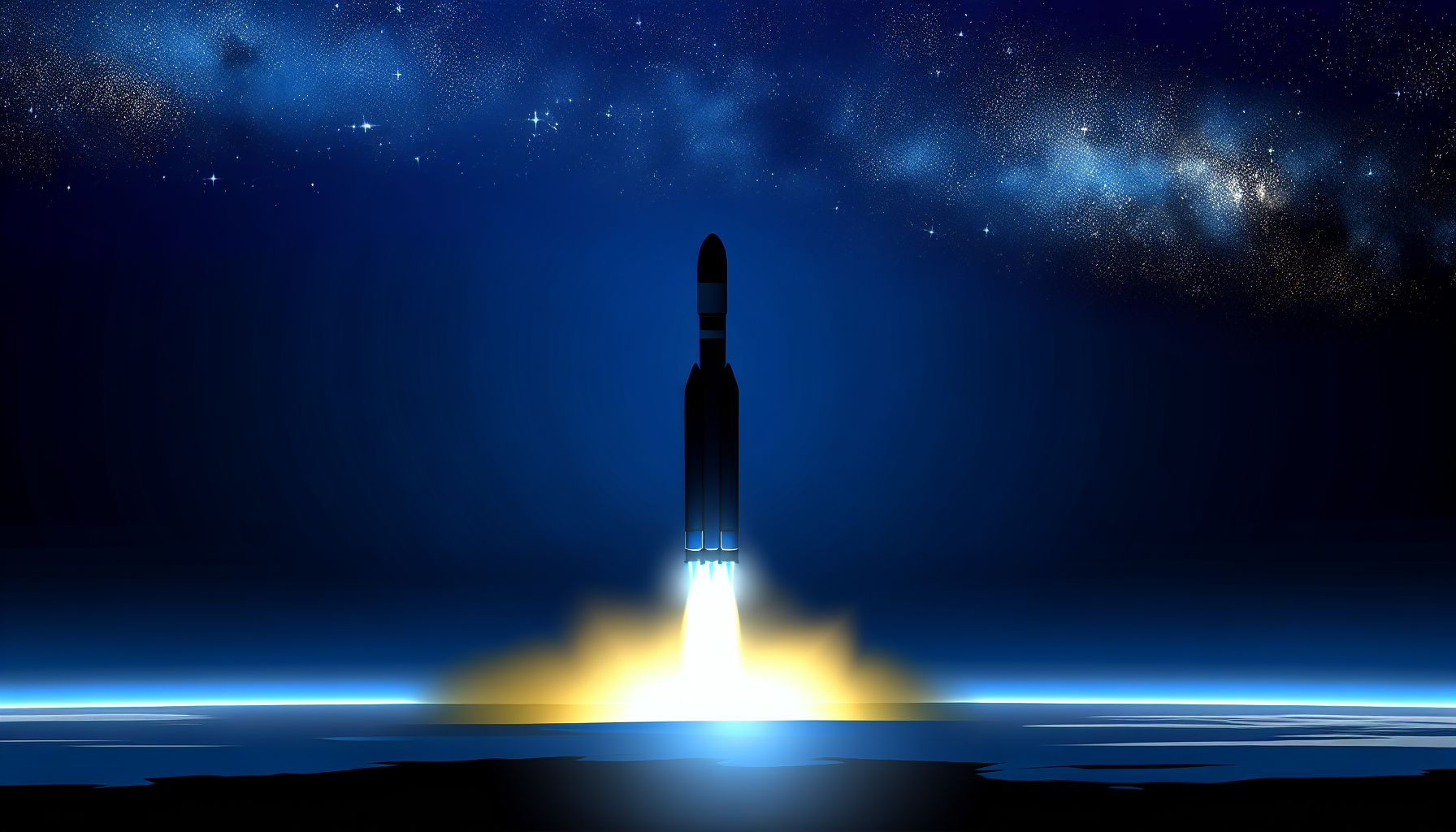

On April 1, 2026, at 6:35 p.m. EDT, a significant chapter in space exploration was written as NASA successfully launched its Artemis II mission from the Kennedy Space Center in Florida. This mission not only represents a remarkable achievement after over half a century of lunar exploration but also sets the stage for humanity’s return to the Moon and beyond.
The Launch of Artemis II
The Artemis II mission is powered by the impressive Space Launch System (SLS) rocket, a vehicle designed specifically to carry astronauts into deep space. This launch marks a pivotal moment for NASA, serving as a follow-up to the Artemis I mission, which was an uncrewed flight that tested the spacecraft’s capabilities. The successful Artemis II launch is a testament to the extensive planning, innovation, and collaboration that have gone into the Artemis program.
Meet the Crew
Artemis II carries a crew of four distinguished astronauts:
- Commander Reid Wiseman
- Pilot Victor Glover
- Mission Specialist Jeremy Hansen
- Mission Specialist Christina H. Koch
Each member of this crew brings a wealth of experience and expertise to the mission. Commander Reid Wiseman is a veteran astronaut who has previously flown on the International Space Station (ISS). Pilot Victor Glover also has experience aboard the ISS and is known for his work in advancing space exploration technologies. Meanwhile, Christina H. Koch holds the record for the longest single spaceflight by a woman, and Jeremy Hansen is a Canadian astronaut who is making his first flight into space.
Mission Objectives
The primary objective of Artemis II is to facilitate a crewed lunar flyby, allowing astronauts to experience the unique environment of deep space and conduct scientific experiments. This mission will:
- Test the Orion spacecraft’s systems with astronauts on board.
- Gather crucial data to prepare for future lunar landings.
- Demonstrate new technologies essential for long-duration space missions.
- Enhance our understanding of deep space travel, which is vital for future missions to Mars and beyond.
By venturing to the Moon, Artemis II aims not only to expand our understanding of lunar science but also to refine the technology and strategies needed for upcoming interplanetary missions.
Significance of Artemis II
After more than 50 years since the last human footsteps were left on the Moon, the Artemis program symbolizes a renewed commitment to lunar exploration. The Artemis II mission is a crucial step towards establishing a sustainable human presence on the Moon. This mission is part of a broader vision that includes:
- Creating a lunar base camp for long-term exploration.
- Developing technologies for sustainable living on other celestial bodies.
- Preparing for human missions to Mars in the 2030s.
The Artemis program is not just about returning to the Moon; it’s about paving the way for future generations of explorers, scientists, and innovators who will continue to push the boundaries of human knowledge and capability.
The Technological Innovations
The Artemis II mission will showcase several groundbreaking technologies, including:
- Advanced Life Support Systems: These systems will ensure that astronauts have the necessary conditions for survival during their journey.
- Navigation and Communication Systems: Enhanced navigation tools will support deep space travel and improve communication with mission control.
- Robotic Assistance: Robotics will play an essential role in assisting astronauts in various tasks, thereby increasing efficiency and safety.
These innovations not only enhance the safety and success of the Artemis missions but also lay the groundwork for future human endeavors in space exploration.
Looking Toward the Future
As the Artemis II mission prepares for its historic flight, it serves as a reminder of humanity’s enduring quest to explore the unknown. The mission reflects a collective effort involving engineers, scientists, and astronauts dedicated to advancing space exploration. The Artemis program aims to inspire the next generation of explorers, emphasizing the importance of education and innovation in STEM (science, technology, engineering, and mathematics) fields.
In conclusion, the Artemis II mission represents a significant leap towards humanity’s return to the Moon and beyond. With a dedicated crew, advanced technology, and ambitious goals, NASA is poised to not only unlock the mysteries of our lunar neighbor but also prepare for the next giant leap—sending humans to Mars. As we look to the stars, the Artemis program stands as a beacon of hope and possibility for our future in space.






