
“`html
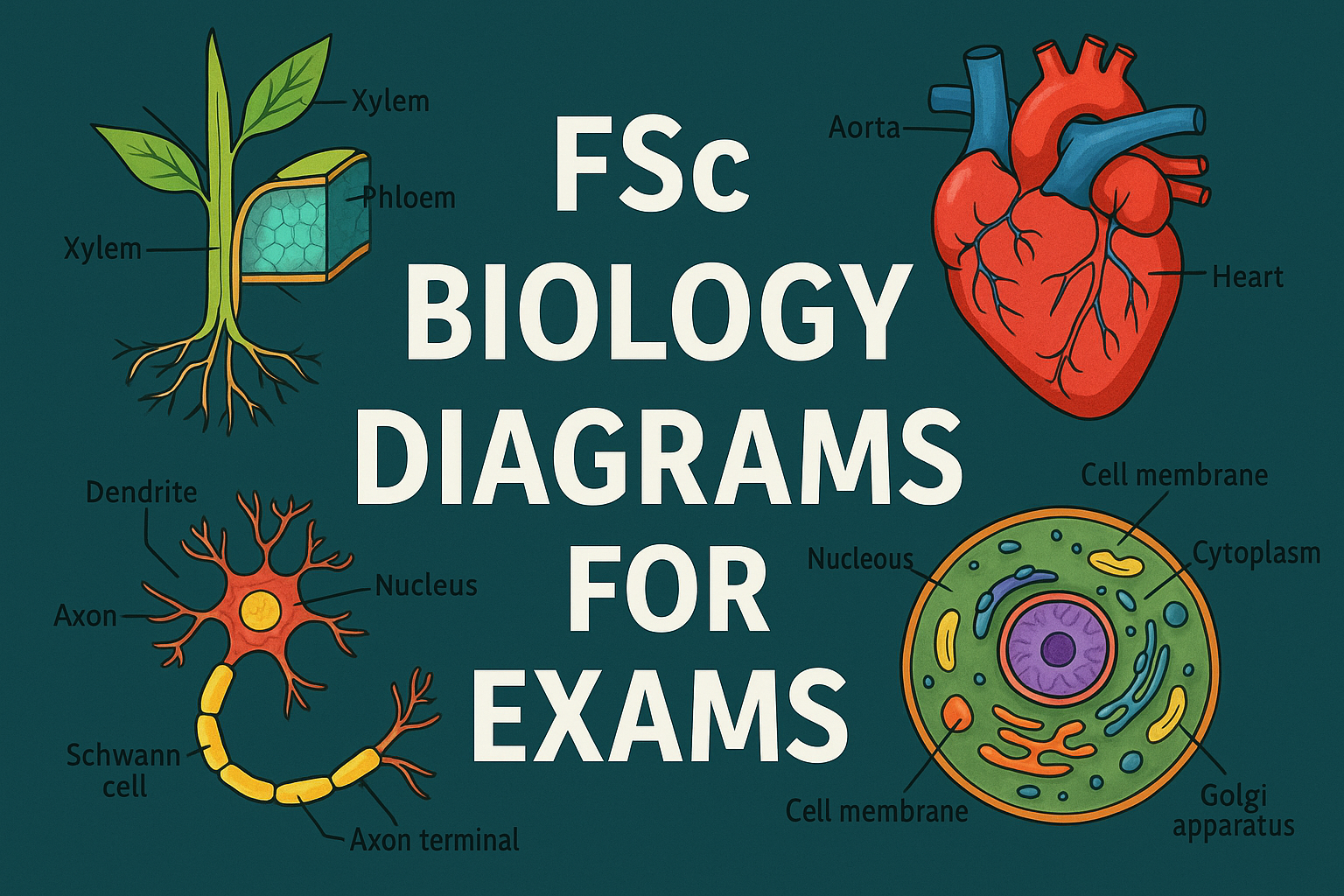
Preparing for exams can be a daunting task, especially when it comes to subjects like biology, where visual understanding plays a crucial role. For students embarking on their FSc (Intermediate in Science) Biology journey, diagrams are not just helpful; they are essential. These diagrams serve as visual aids that help clarify complex concepts, making them easier to grasp and recall during exams. In this article, we delve into the importance of FSc Biology diagrams, provide insights on the best practices for using them effectively, and discuss how they can influence your exam performance.
Understanding the Role of Diagrams in Biology
Biology is inherently a visual science. From the microscopic structures of cells to the vast ecosystems of the planet, many concepts can be better understood through diagrams. They allow students to visualize relationships, processes, and structures that are otherwise challenging to comprehend through text alone. In the context of the FSc curriculum, diagrams often illustrate key topics such as:
- Cell structure and function
- Human anatomy
- Plant anatomy
- Ecological systems
- Genetics and inheritance patterns
- Biological processes like photosynthesis and respiration
Each of these areas benefits significantly from diagrams, which can effectively convey complex information in a digestible format.
Key Diagrams Every FSc Biology Student Should Master
While the FSc Biology syllabus is extensive, there are a few diagrams that stand out as essential for exam success. Here’s a look at some of the most important diagrams you should be proficient in:
1. Cell Structure Diagrams
Understanding the components of a cell is fundamental to biology. Diagrams of both plant and animal cells should include labels for organelles such as the nucleus, mitochondria, ribosomes, and cell membrane. Identifying the differences between plant and animal cells, including cell walls and chloroplasts, can also be crucial for exam questions.
2. Human Anatomy Charts
Human biology is another critical aspect of the FSc syllabus. Mastery of diagrams depicting the human skeletal system, muscular system, and organ systems (like the circulatory and respiratory systems) is vital. These diagrams should include labels for major bones, muscles, and organs, which could be the difference between a good and great exam answer.
3. Photosynthesis and Cellular Respiration Flowcharts
These two processes are foundational to understanding energy transfer in biological systems. Diagrams illustrating the chemical equations, inputs, and outputs of photosynthesis and cellular respiration can help students visualize how these processes are interconnected.
4. Ecological Pyramid Diagrams
Ecological pyramids show the relationships between different trophic levels in an ecosystem. Understanding these diagrams can help students explain concepts like energy flow, biomass, and species interactions, which are often assessed in exams.
5. Genetic Cross Diagrams
In genetics, Punnett squares are vital for predicting the genotype and phenotype of offspring from parental crosses. Being comfortable with these diagrams is essential for tackling questions related to inheritance patterns.
Best Practices for Studying with Diagrams
Now that we’ve highlighted some key diagrams, it’s crucial to discuss how students can effectively use them in their study routines. Here are some best practices: (See: Biology visual aids and diagrams.)
1. Active Learning through Drawing
Rather than just passively reviewing diagrams, try drawing them from memory. This technique not only reinforces your understanding but also helps you identify areas where you might need to focus more attention. You can start by outlining the main structures and gradually add details until you can recreate the entire diagram accurately.
2. Create Flashcards
Flashcards can be an excellent tool for memorizing diagrams. On one side, draw or print the diagram, and on the other, write key labels and functions. This method not only aids in memorization but also allows for quick revision sessions.
3. Group Study Sessions
Engaging in group study can be beneficial. Discussing diagrams with peers can reveal different perspectives and enhance understanding. You can quiz each other on the details of diagrams, further reinforcing your knowledge.
4. Use Online Resources
Several online platforms offer interactive diagrams and animations that can make learning more engaging. Websites like Khan Academy and educational YouTube channels provide visual resources that can simplify complex concepts.
Current Relevance of FSc Biology Diagrams
The importance of FSc Biology diagrams transcends mere exam preparation. In today’s rapidly evolving scientific landscape, a solid foundation in biology is increasingly vital. With advancements in biotechnology, environmental science, and medicine, understanding the basic principles of biology can empower students to engage with contemporary issues, such as climate change, public health, and genetic engineering.
Moreover, diagrams are becoming integral to the way biology is taught and learned. With the rise of digital education tools, interactive diagrams and virtual labs are making it easier than ever for students to grasp complex biological concepts. This shift emphasizes the relevance of being proficient in interpreting and creating diagrams.
Tips for Exam Day: Making Diagrams Work for You
When exam day arrives, the pressure can be intense. Knowing how to effectively utilize your diagram knowledge can help alleviate some of that stress. Here are a few tips:
1. Read Questions Carefully
Often, exam questions will refer to specific diagrams. Make sure to read the question thoroughly to understand what is being asked. This can help you avoid unnecessary mistakes.
2. Refer to Diagrams in Your Answers
When writing responses, don’t hesitate to reference diagrams. This shows the examiner that you can apply your knowledge effectively. If a question relates to a specific diagram, make sure to highlight key aspects of it in your answer.
3. Manage Your Time
Diagrams can often require detailed explanations, so be mindful of how much time you spend on them. Allocate time wisely to ensure you can answer all questions thoroughly.
The Future of Biology Education
Looking ahead, the role of diagrams in biology education is likely to expand further. As technology continues to evolve, the integration of augmented reality (AR) and virtual reality (VR) into biology education could transform how students interact with complex biological systems. Imagine being able to explore a 3D model of a human cell or a virtual ecosystem — such innovations could revolutionize understanding and retention. (See: Understanding biological processes.)
Additionally, as education shifts towards personalized learning experiences, diagrams may become tailored to individual learning styles and preferences. This adaptability could make learning more effective and engaging for students across the board.
Common Challenges Students Face with Diagrams
While diagrams are incredibly helpful, students may encounter several challenges when learning to use them effectively. Recognizing these challenges can help you develop strategies to overcome them.
1. Difficulty in Retaining Information
Some students find it hard to remember what each part of a diagram represents. This can lead to confusion during exams. To combat this, use mnemonic devices or create stories around the diagrams to make the information stick. Associating a diagram with a familiar scenario can aid in retention.
2. Misinterpretation of Diagrams
Without proper practice, students might misinterpret the information presented in diagrams. This can lead to errors in exams. It’s essential to practice interpreting different diagrams and discussing them in study groups to ensure you’re on the right track.
3. Over-reliance on Diagrams
While diagrams are valuable, relying solely on them can be a pitfall. It’s important to understand the underlying concepts that diagrams represent. Use diagrams as a supplement to your studies, not as a replacement for reading and understanding the accompanying text.
FAQs about FSc Biology Diagrams
Here are some frequently asked questions about FSc Biology diagrams that might help clarify their importance and utility:
1. Why are diagrams important in biology?
Diagrams are crucial because they provide a visual representation of complex biological concepts, making them easier to understand and remember. They help to illustrate relationships, processes, and components that would be challenging to convey through text alone.
2. How can I improve my diagram-drawing skills?
Practice is key! Start by copying existing diagrams, then try drawing them from memory. You can also use online resources for guided drawing exercises. The more you practice, the better your skills will become.
3. Are there specific types of diagrams that I should focus on for exams?
Yes, focus on the most commonly tested diagrams such as cell structures, human anatomy, ecological pyramids, and flowcharts for processes like photosynthesis and respiration. These topics often appear in exam questions.
4. How can I effectively incorporate diagrams into my study routine?
Incorporate diagrams by drawing them, creating flashcards, and using interactive resources. Regularly quiz yourself on the details and connections represented in the diagrams to reinforce your learning. (See: Role of diagrams in learning biology.)
5. Can digital tools help with learning diagrams?
Absolutely! Digital tools, including apps and websites, provide interactive diagrams that can enhance understanding. They often include animations and quizzes that make the learning process more engaging.
Advanced Techniques for Mastering Diagrams
As you become more comfortable with the basic diagrams, you can explore advanced techniques to deepen your understanding. Here are a few strategies:
1. Concept Mapping
Create concept maps that incorporate multiple diagrams. This technique will help you see the connections between different biological processes and systems. For example, link the cellular respiration diagram to the photosynthesis flowchart to understand their interdependence.
2. Use of Color Coding
In your diagrams, use different colors to represent various functions or categories. For instance, in a human anatomy diagram, use one color for muscles and another for bones. This visual differentiation can make it easier to recall information during exams.
3. Integrate Real-World Examples
When studying diagrams, think about real-world applications. For example, consider how understanding the ecological pyramid can relate to wildlife conservation efforts. This application of knowledge not only enhances retention but also makes the information more relevant.
Statistics on Diagram Use in Education
Recent studies indicate that incorporating diagrams in the learning process can significantly enhance retention and understanding. Research shows that students who engage with visual aids such as diagrams outperform their peers by up to 40% in recall tests. This statistic highlights the importance of integrating visual learning tools into your study routine, especially in complex subjects like biology.
Conclusion
FSc Biology diagrams are not just a study tool; they are a gateway to deeper understanding and application of biological concepts. By mastering key diagrams, employing effective study techniques, and being prepared to utilize this knowledge during exams, students can significantly enhance their performance. In a world where biological literacy is becoming increasingly important, these diagrams serve as an essential component of your educational toolkit. Embrace them, and watch your understanding of biology flourish.
“`
Trending Now
Frequently Asked Questions
What are the key diagrams in FSc Biology?
Key diagrams in FSc Biology include cell structure diagrams, human anatomy, plant anatomy, ecological systems, genetics and inheritance patterns, and biological processes like photosynthesis and respiration. Mastering these diagrams is essential for visualizing complex concepts and enhancing understanding for exams.
How do diagrams help in understanding biology?
Diagrams play a crucial role in biology by providing visual representations of complex concepts. They help students visualize relationships, processes, and structures, making it easier to grasp and recall information during exams. This visual aid is particularly important for subjects like cell structure and ecological systems.
Why are diagrams important for FSc Biology exams?
Diagrams are vital for FSc Biology exams as they simplify complex information, making it easier to understand and remember. They serve as effective study tools that can enhance exam performance by helping students visualize and organize biological concepts clearly.
What should I include in a cell structure diagram?
A cell structure diagram should include labeled organelles such as the nucleus, mitochondria, ribosomes, and cell membrane. It’s important to differentiate between plant and animal cells by including features like cell walls and chloroplasts, as these distinctions may be crucial for exam questions.
How can I effectively use diagrams to study for biology exams?
To use diagrams effectively for biology exams, practice drawing and labeling them from memory. Focus on understanding the relationships and functions of each component. Additionally, use these diagrams as study aids to visualize and reinforce your understanding of key biological concepts.
Have you experienced this yourself? We'd love to hear your story in the comments.