

“`html
Introduction: The Changing Landscape of Gaming Retail
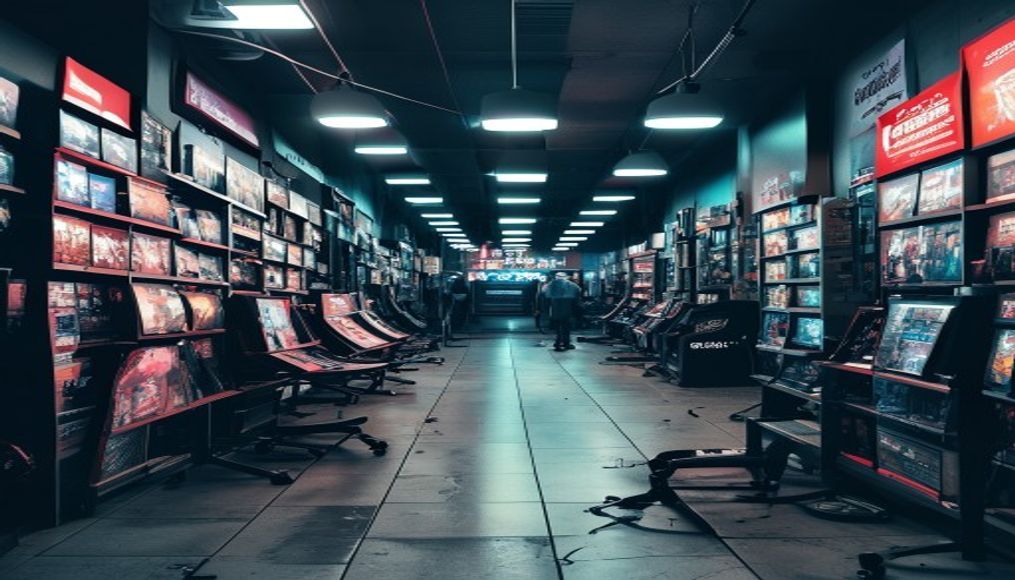
The gaming world is in constant flux, with new technologies and trends reshaping how players engage with their favorite titles. Recently, UK gaming retailer GAME found itself in dire straits, entering administration with debts totaling a staggering £15.8 million. This event has sparked conversations about the impact of digital games on physical retail, particularly as the industry grapples with the dual challenges of economic pressures and evolving consumer preferences.
GAME’s Downfall: A Case Study
GAME’s decline is emblematic of broader shifts in the gaming landscape. Accumulating debts, which include £3.5 million owed to secured creditors and £12 million to unsecured ones, have forced the retailer into a precarious position. Administrators have pointed to the increasing popularity of digital gaming as a significant factor contributing to GAME’s downfall. With a growing number of gamers opting to purchase and play games online rather than in-store, physical retailers like GAME have struggled to maintain relevance.
The ramifications of this trend extend beyond GAME itself; they reflect a seismic shift in consumer behavior. Gamers today are more inclined to download titles directly to their consoles or PCs, bypassing traditional retail altogether. This convenience, combined with competitive pricing and frequent sales on digital platforms, has made it increasingly difficult for brick-and-mortar stores to compete.
The Rise of Digital Gaming
Digital gaming has surged in popularity over the past decade, fundamentally altering how games are distributed and consumed. Services like Steam, the PlayStation Store, and Xbox Live have democratized access, allowing players to purchase games from the comfort of their homes. This shift not only eliminates the need for physical storage but also streamlines the purchasing process, making it quicker and more efficient.
Statistics reveal a staggering growth in the digital gaming sector. According to industry reports, digital sales accounted for 80% of the total video game revenue in 2022. As digital sales continue to climb, traditional retailers like GAME are left grappling with stagnant sales and reduced foot traffic. The convenience of digital downloads and the appeal of purchasing games at a lower price have made it hard for physical stores to attract customers.
The Economic Impact of Brexit
While the rise of digital gaming plays a crucial role in GAME’s struggles, it’s impossible to overlook the economic impact of Brexit on the UK retail market. With the country’s exit from the European Union came new regulations, tariffs, and uncertainties that have affected countless businesses. Retailers like GAME have felt the pinch, with increased costs and a less predictable supply chain making it harder to operate profitably. For more on this, see games and online learning.
The combination of rising inflation and weakened consumer spending further exacerbates the situation. With gamers tightening their wallets, many are opting for the cost-effective option of digital titles, leading to a decline in foot traffic at physical stores. The fallout from Brexit has made survival even more challenging for a company like GAME, which was already under strain from digital competition.
Consumer Preferences: Shifting Tides
Today’s gamers have different expectations and preferences compared to previous generations. They prioritize convenience, value, and immediate access to games, which digital platforms deliver seamlessly. Moreover, the rise of subscription services like Xbox Game Pass and PlayStation Plus has changed how players approach purchases. Instead of spending £60 on a single title, many gamers now prefer to pay a monthly fee for access to a library of games.
This shift has significant implications for physical retail stores. The emotional responses from fans about GAME’s administration illustrate a deep connection to the brand and its physical locations. Many gamers cherish the experience of browsing aisles, attending launch events, and engaging with fellow enthusiasts. However, that emotional tie isn’t enough to combat the allure of buttons and screens, where instant gratification reigns supreme. (See: impact of digital gaming on retail.)
The Future of Brick-and-Mortar Stores
What does the future hold for physical gaming retail? The recent collapse of GAME raises critical questions about the sustainability of traditional retail models, particularly as digital gaming continues to dominate. As more gamers gravitate towards digital purchases, the ability for physical stores to adapt and attract customers becomes increasingly vital.
Retailers will need to rethink their strategies to survive. One potential avenue is to focus on experience-based shopping. Instead of merely selling games, stores could become community hubs, hosting events, tournaments, and exclusive product launches. Creating a space where gamers can come together, share experiences, and enjoy a sense of belonging could breathe new life into physical locations.
Furthermore, forging partnerships with digital platforms may also offer a way forward. By providing exclusive in-store content or pre-order bonuses tied to digital downloads, retailers can attract customers who would otherwise shop online. This hybrid model could capitalize on both the physical and digital realms, potentially revitalizing the retail landscape.
Emotional Reactions and the Legacy of GAME
The emotional response to GAME’s administration underscores the brand’s deep-rooted history within the gaming community. For many, GAME was more than just a place to purchase games; it was a cultural institution. Memories of late-night launches, browsing through shelves of new releases, and interacting with passionate staff shaped the experience for countless gamers.
Social media has been abuzz with reactions from fans, ranging from nostalgia to anger over the retailer’s demise. This outpouring of emotion highlights the relationship between gamers and the physical stores they frequented. Despite the convenience of digital gaming, many still long for the tangible aspects of gaming culture that physical stores provided. This bittersweet irony illustrates a unique aspect of the gaming community; while technology progresses, the love for shared experiences remains strong.
The Broader Implications for the Gaming Industry
GAME’s administration serves as a cautionary tale for other retailers in the gaming sector. As digital gaming becomes increasingly dominant, the consequences extend beyond one company. The impact of digital games on physical retail forces all businesses to confront the harsh realities of an evolving market. Retailers must adapt or risk facing the same fate as GAME.
Industry stakeholders must also consider the implications of this shift. Developers and publishers need to acknowledge the changing landscape and find innovative ways to engage with both physical and digital audiences. The rise of esports and streaming platforms creates new opportunities for revenue and community engagement that can complement both physical and digital sales.
Comparative Analysis: Digital vs. Physical Sales
To better understand the impact of digital games on physical retail, it’s useful to compare sales trends between the two. Digital game sales have seen exponential growth, while physical sales have stagnated. In a recent report by NPD Group, digital game sales were projected to reach $120 billion globally in 2023, while physical sales were estimated at just $20 billion.
Additionally, the demographic of gamers is evolving. Younger generations are more comfortable with digital transactions and less attached to physical copies of games. A 2023 survey indicated that 75% of gamers aged 18-34 prefer digital downloads over physical copies, a trend that suggests physical retailers may continue to face significant challenges. (See: shifts in the gaming landscape.)
Retailers need to recognize this shift and adapt their strategies. By aligning themselves more closely with digital platforms, offering exclusive merchandise or bundling digital purchases with physical goods, they can create a more appealing shopping experience that caters to this growing demographic.
Frequently Asked Questions (FAQs)
What led to the decline of GAME?
GAME’s decline was primarily driven by the rise of digital gaming, which has made it easier for consumers to purchase and play games online. The company also faced significant financial challenges, including debts and the economic impact of Brexit, which complicated their operational costs.
How has the rise of digital gaming affected other retailers?
Many physical retailers have struggled to adapt to the digital landscape. Some have closed stores, while others are rethinking their business models to focus on experiential retail, community building, and partnerships with digital platforms to remain relevant.
Can physical gaming retailers survive in a digital world?
While challenging, it’s possible for physical gaming retailers to survive by embracing change. They can offer unique experiences, host events, and provide exclusive content that digital platforms cannot. Building a community around the gaming experience may attract customers back to brick-and-mortar stores.
What role do subscription services play in this transition?
Subscription services like Xbox Game Pass and PlayStation Plus are shifting how gamers purchase and experience games. These services allow users access to a library of games for a monthly fee, which reduces the need for physical purchases and may further impact physical retailers’ sales.
What’s next for the gaming retail industry?
The future of the gaming retail industry will rely on innovation and adaptation. Retailers will need to explore hybrid models that incorporate both digital and physical sales, as well as engage customers through unique experiences that online shopping cannot provide.
A Closer Look at Consumer Engagement
Understanding consumer engagement is crucial for physical gaming retailers trying to stay relevant in a digital age. Many customers seek not just a product but an experience. Retailers can tap into this by creating environments that foster connection and excitement around gaming.
For instance, hosting gaming tournaments or community events can create buzz and draw in crowds. A successful example of this is the recent resurgence of LAN parties where gamers come together to compete in a local environment. Stores can also partner with indie game developers for exclusive demos or offer early access to new titles. These kinds of initiatives can bring in foot traffic and encourage social interactions that online platforms cannot replicate. (See: consumer behavior in digital gaming.)
Statistics on Retail Foot Traffic
Recent studies show that while foot traffic to physical stores has generally decreased, certain types of events can dramatically increase attendance. According to a report by Statista, gaming events held in stores increased foot traffic by an average of 35%. Such statistics highlight the importance of creating engaging activities to bring consumers back into physical locations.
Additionally, when surveyed, 60% of customers indicated that if they knew a store was hosting an event, they would be more likely to visit, regardless of whether they planned to make a purchase. This indicates that the right engagement strategies can yield positive returns for physical retailers.
Expert Perspectives on Future Retail Strategies
Industry experts suggest that physical gaming retailers need to pivot towards a more integrated approach. Retail analyst Jennifer Hsu emphasizes that “the future of gaming retail lies in blending the digital and physical worlds.” She suggests that collaborating with online platforms can enhance customer experience, providing a more cohesive and enriched shopping experience. This could include offering exclusive downloadable content in-store or running promotions that reward customers for shopping in both realms.
Furthermore, Michael Thompson, a retail strategist, reinforces the idea that “community building is essential.” He advises retailers to leverage their physical presence to create immersive experiences. This could range from themed nights to meet-and-greets with game developers. By fostering a sense of community, retailers can cultivate loyal customers who value more than just the transaction.
Conclusion: The Road Ahead
The story of GAME’s collapse is emblematic of a broader trend that’s reshaping the gaming industry. The impact of digital games on physical retail is profound, and as consumer preferences shift, the pressure mounts for traditional retailers to innovate. While nostalgia for legacy stores remains strong, the industry must embrace change to thrive in the digital age.
As we watch the evolution of gaming retail, it’s crucial for retailers to be proactive, embracing both their heritage and the new realities of a digital-first world. The road ahead may be filled with challenges, but it also offers opportunities for those willing to adapt and find new ways to connect with an ever-evolving audience.
“`
Trending Now
Frequently Asked Questions
Why did GAME go into administration?
GAME entered administration primarily due to accumulating debts totaling £15.8 million, with significant losses attributed to the shift towards digital gaming. The increasing consumer preference for purchasing games online has made it challenging for physical retailers to remain competitive.
How is digital gaming affecting physical retail stores?
Digital gaming is reshaping physical retail by offering gamers the convenience of purchasing and downloading titles from home. This trend has led to declining foot traffic in stores and has made it difficult for brick-and-mortar retailers like GAME to sustain their business.
What are the main challenges facing physical gaming retailers?
Physical gaming retailers face numerous challenges, including rising debts, competition from digital platforms, and changing consumer preferences. The convenience and pricing advantages of online purchases are significantly impacting their sales and relevance in the market.
What factors contributed to the decline of GAME?
GAME's decline can be attributed to a combination of factors, including mounting debts to creditors, a significant shift towards digital gaming, and changing consumer habits that favor online purchases over traditional retail shopping.
What is the future of physical gaming retail?
The future of physical gaming retail appears challenging, as the trend towards digital gaming continues to grow. Retailers must adapt by enhancing in-store experiences or exploring new business models to remain relevant in an increasingly digital landscape.
What's your take on this? Share your thoughts in the comments below — we read every one.






