
“`html
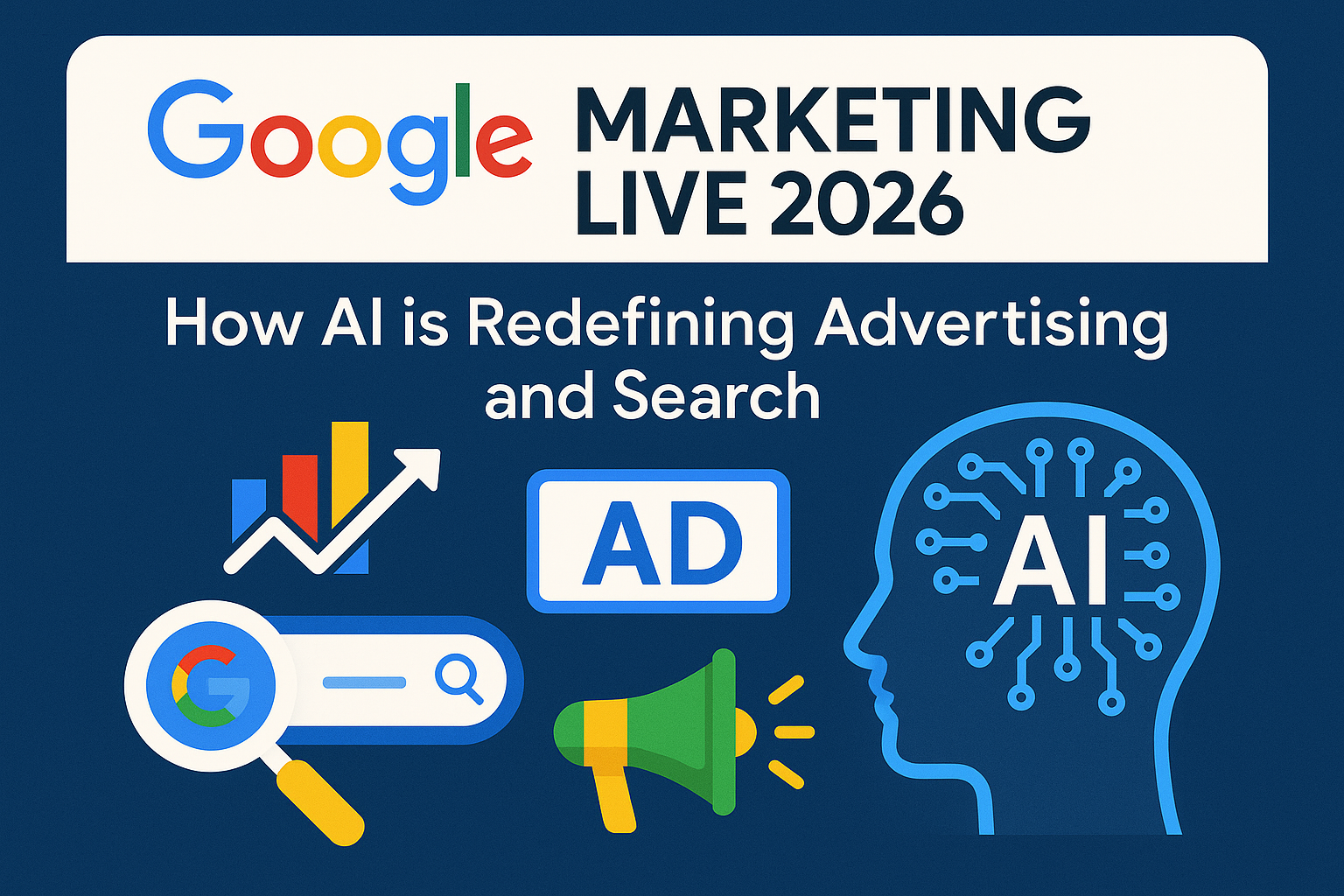
The recent Google Marketing Live 2026 event has sent shockwaves through the marketing community, primarily due to its announcement of a significant shift towards AI-driven advertising. As AI Mode boasts over 1 billion monthly active users, Google is not just sitting back and watching this trend unfold; it’s actively leaning into it, introducing new ad placements that are redefining the very nature of search and commerce.
The Rise of AI Mode
For those who may not be familiar, Google’s AI Mode has rapidly gained traction, hitting an impressive milestone of 1 billion monthly active users. This staggering number reflects the growing acceptance and reliance on AI technologies in everyday life. But what does this mean for marketers? First and foremost, the proliferation of AI Mode is pushing Google to expand its monetization strategies, integrating more sophisticated advertising options directly into conversational search results.
The new ads will be designed to blend seamlessly with AI-generated responses. Each sponsored result will carry a clear “Sponsored” tag, ensuring transparency for users while providing advertisers with a dynamic platform for reaching potential customers. It speaks to a larger trend where user interaction with search engines is shifting from traditional keyword-based queries to more nuanced conversational engagements. This transition could transform how brands connect with consumers and how they shape their messaging.
Introducing Gemini: The Backbone of Google’s New Ad Strategy
At the heart of this innovative ad landscape is Google’s Gemini. This advanced AI system is engineered to create long-tail answers derived from brand assets and guidelines. So, what does this mean for advertisers? Essentially, Gemini allows brands to leverage their existing content and materials, ensuring that their messaging remains consistent while still being tailored to individual user queries.
With Gemini, brands can expect a more personalized approach to advertising. Imagine a user asking a voice assistant about a specific product, and instead of a generic answer, they receive a tailored response that highlights the unique features of that product along with a direct link to purchase. This kind of conversational commerce isn’t just a buzzword; it’s a revolutionary shift in how transactions could occur online.
Key Tools for AI-Driven Advertising
Google is rolling out several tools designed explicitly to push advertisers toward this new AI-driven paradigm. Among these, AI Brief, Asset Studio, and AI Max for Shopping stand out as game-changers.
- AI Brief: This tool simplifies the campaign creation process by utilizing AI to generate campaign briefs based on brand goals and user data.
- Asset Studio: Here, advertisers can easily manage and optimize their assets, ensuring that all content is aligned with the latest AI recommendations.
- AI Max for Shopping: This feature allows advertisers to refine their shopping ads to be more engaging and effective, leveraging AI to optimize performance continuously.
These tools not only streamline the advertising process but also enhance the overall effectiveness of marketing campaigns. By integrating AI into the core of advertising strategies, Google is encouraging brands to rethink how they approach campaigns, focusing more on personalized and contextually relevant messaging.
The Shift to Conversational Commerce
As Google moves toward this agentic AI ecosystem, the implications for conversational commerce are profound. Traditional search results are quickly becoming a thing of the past. Instead of sifting through pages of links, users will now receive tailored responses that directly address their queries, making the buying process more intuitive and efficient. (See: Google's AI-driven marketing strategies.)
This transition raises important questions for marketers: How can you adapt your strategy to fit this new model? What does it mean for your brand’s visibility and engagement? The answers lie in embracing AI and focusing on creating high-quality, relevant content that resonates with users in a conversational format.
In this new landscape, brands that prioritize understanding the nuances of conversational queries will stand to gain a significant competitive advantage. With AI handling the heavy lifting of data analysis and user engagement, marketers can focus on crafting compelling narratives that attract and retain consumers.
Reactions from the Marketing Community
The announcement of these changes at Google Marketing Live 2026 has sparked a wide array of reactions among marketers. Many are excited about the potential for more personalized and effective advertising, while others express concern about the implications of a heavily AI-driven ecosystem.
One major concern revolves around the transparency of AI-generated ads. With the lines between organic and paid content becoming increasingly blurred, how can consumers trust what they see? Advertisers will need to navigate this landscape carefully, ensuring that their messaging is not only effective but also ethical and clear.
Additionally, there’s the challenge of keeping up with rapid technological advancements. As Google continues to evolve its platform, marketers must remain agile, adapting their strategies to align with emerging trends and tools. Staying informed and proactive will be crucial in this fast-paced environment.
The Future of Search and Advertising
The evolution of Google’s search capabilities and advertising strategies is undeniably fascinating. As the platform transitions into an agentic AI ecosystem, the implications for businesses and consumers alike are profound. Brands that can harness the power of AI to create engaging, relevant content will thrive, while those that cling to outdated strategies may find themselves left behind.
Looking ahead, we can expect to see a continued emphasis on personalization and user experience. Google’s trajectory suggests that future advertising will be less about traditional strategies and more about creating meaningful connections between brands and consumers. This shift could redefine the boundaries of marketing as we know it.
As marketers gear up to navigate this new landscape, the key will be to stay informed and adaptable. Embracing AI tools like Gemini and the new features introduced at Google Marketing Live 2026 can provide brands with the leverage they need in this competitive environment.
Common Questions about Google Marketing Live 2026
What is Google Marketing Live 2026?
Google Marketing Live 2026 is an annual event where Google unveils new products, features, and strategies in digital marketing and advertising. This year, the focus was on AI-driven advertising innovations and tools that marketers can utilize to enhance their campaigns.
How can businesses benefit from the changes introduced at this event?
Businesses can leverage the new AI tools and personalized advertising strategies introduced at Google Marketing Live 2026 to reach their target audiences more effectively. By utilizing capabilities like Gemini and AI-driven ad placements, brands can create more relevant and engaging ad experiences. (See: The impact of marketing on health.)
Is this shift towards AI a threat to human marketers?
While AI is indeed transforming the marketing landscape, it is not necessarily a threat to human marketers. Instead, it serves as a tool that can enhance their capabilities. Marketers who learn to integrate AI into their strategies will likely find that it allows them to focus on more creative and strategic tasks rather than routine processes.
What types of businesses are best suited for AI-driven advertising?
Any business that seeks to engage with consumers in a personalized manner can benefit from AI-driven advertising. However, industries such as e-commerce, travel, and entertainment—where personalized recommendations can significantly influence purchasing decisions—are particularly well-suited for these innovations.
How should brands prepare for the changes brought by AI-driven advertising?
Brands should start by investing in understanding AI technologies and how they can be incorporated into their marketing strategies. This includes training teams to use new tools like AI Max for Shopping or Asset Studio and focusing on creating high-quality, engaging content that resonates with users’ conversational queries.
Exploring the Ethical Implications of AI in Advertising
As we embrace the advancements in AI-driven advertising, it’s essential to address the ethical implications that accompany these technologies. Concerns about consumer privacy, data security, and the potential for biased algorithms are at the forefront of discussions among marketers and technologists alike.
For instance, as AI systems analyze vast amounts of user data to target ads more effectively, questions arise about how this data is collected and used. Consumers are becoming increasingly aware of their digital footprints, prompting marketers to ensure that their practices are transparent and that they respect user privacy. This is where the importance of ethical marketing practices comes into play. Brands must establish clear guidelines on data usage and ensure that their AI systems are designed to avoid biases that could lead to unfair targeting practices.
Statistics That Matter: The Impact of AI on Marketing
Understanding the statistics behind AI in advertising provides a clearer picture of its impact. According to a recent survey by eMarketer, 64% of marketing professionals believe that AI will significantly change the industry within the next five years. Furthermore, businesses that leverage AI in their marketing strategies have reported an average increase of 30% in campaign efficiency.
Another study by McKinsey indicates that companies using AI for marketing analytics can see up to a 20% increase in revenue through better targeting and personalization. These figures highlight not only the opportunities that AI presents but also the urgency for marketers to adapt to these changes swiftly. (See: AI in advertising and consumer behavior.)
Real-World Examples of AI-Driven Advertising Success
Several brands have already begun to successfully implement AI-driven advertising strategies. For instance, Coca-Cola has utilized AI to analyze consumer preferences and tailor its advertising messages accordingly. By leveraging AI insights, Coca-Cola was able to create targeted campaigns that resonated with specific demographics, leading to increased engagement and sales.
Similarly, the fashion retailer ASOS employs AI to personalize the shopping experience for its customers. By analyzing browsing behavior and purchase history, ASOS can recommend products that align with individual tastes, effectively increasing conversion rates and customer satisfaction.
Preparing for a New Era of Marketing
As we stand on the brink of this AI-driven marketing revolution, preparation is key. Marketers must familiarize themselves with emerging technologies, invest in training, and rethink their strategies to align with the new AI-centric world. Collaboration with data scientists and AI specialists will also be crucial to harness the full potential of these innovations.
Ultimately, the brands that succeed in this evolving landscape will be those that are willing to innovate, prioritize ethical practices, and adapt to the changing expectations of consumers in an increasingly digital world.
Conclusion: Embrace the Change
The Google Marketing Live 2026 event underscores a significant turning point in digital marketing and advertising. The integration of AI into the core of search and advertising is not just a temporary trend; it’s a fundamental shift in how businesses will interact with consumers.
As marketers, the responsibility to adapt to these advancements falls squarely on our shoulders. The tools to succeed are at our fingertips; it’s up to us to leverage them effectively. By embracing this agentic shift and focusing on personalized, AI-driven strategies, businesses can not only survive but thrive in this new era of marketing.
“`
Trending Now
Frequently Asked Questions
What is Google Marketing Live 2026 about?
Google Marketing Live 2026 focuses on the significant shift towards AI-driven advertising. The event highlights new ad placements and features introduced by Google to enhance user engagement and redefine search and commerce through AI technologies.
How is AI changing advertising on Google?
AI is transforming advertising on Google by integrating sophisticated ad placements within conversational search results. This allows ads to blend seamlessly with AI-generated responses, making user interactions more dynamic and personalized.
What is Google’s AI Mode?
Google's AI Mode is an advanced feature that has gained over 1 billion monthly active users. It emphasizes conversational engagement over traditional keyword searches, pushing Google to innovate its advertising strategies to monetize this growing trend.
What role does Gemini play in Google’s advertising strategy?
Gemini is the backbone of Google’s new ad strategy, designed to create long-tail answers from brand assets. It helps advertisers leverage existing content to ensure consistent messaging while personalizing responses to user queries.
What does the new ad placement look like in Google’s AI Mode?
The new ad placements in Google’s AI Mode are designed to integrate with AI-generated responses, featuring a clear 'Sponsored' tag. This ensures transparency for users while offering advertisers a platform to reach potential customers effectively.
What’s your take on this? Share your thoughts in the comments below — we read every one.