
Introduction
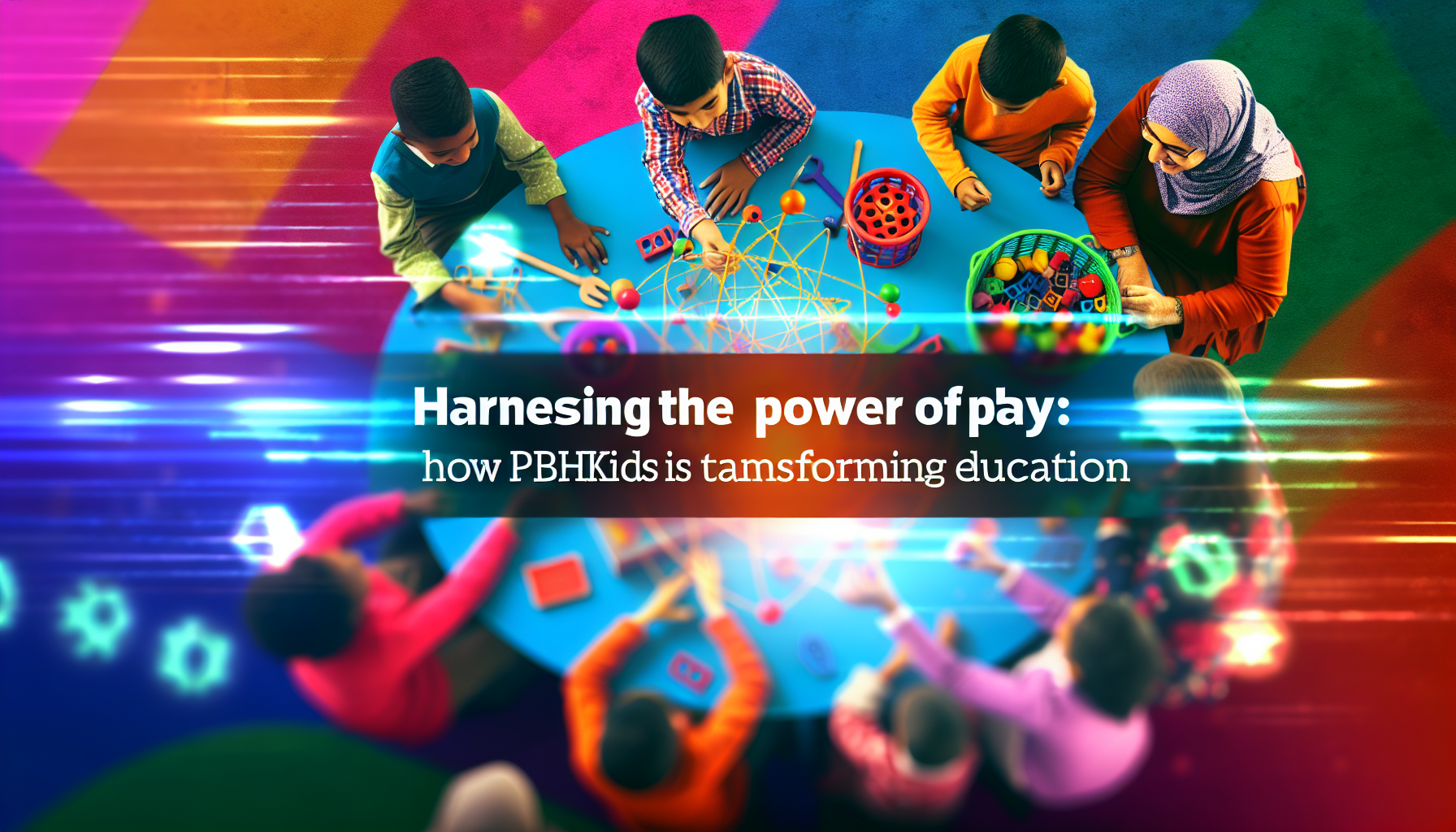
In the ever-evolving landscape of education, innovative methods are reshaping how children learn and interact with the world around them. One such method that has gained significant traction is play-based learning, a pedagogical approach that emphasizes the importance of play in fostering essential skills and knowledge in young learners. Pbhkids, a pioneering organization in this field, has emerged as a key catalyst in promoting and implementing play-based learning strategies across educational settings.
The Role of Play in Learning
Research has consistently shown that play is not merely a leisure activity for children; it is a crucial component of their development. According to experts, play facilitates cognitive, social, and emotional growth, enabling children to explore their environment, experiment with new ideas, and develop critical thinking skills. This understanding has led to a growing recognition of the need for educational frameworks that integrate play into the learning process.
What is Play-Based Learning?
Play-based learning is an educational approach that encourages children to learn through play. This method allows children to engage in hands-on experiences that promote creativity, problem-solving, and collaboration. By providing opportunities for exploration and discovery, play-based learning helps children develop a deeper understanding of concepts and enhances their ability to apply knowledge in real-world situations.
Pbhkids: A Leader in Play-Based Learning
On April 19, 2026, Michael Brown highlighted the transformative impact of Pbhkids in his article, which garnered an impressive 3,663 views. Pbhkids is at the forefront of the movement to incorporate play-based learning into educational curricula, providing resources, training, and support for educators and parents alike. Their mission is to unlock the educational potential of children by harnessing the power of play.
Innovative Learning Methods
Pbhkids has developed a range of innovative learning methods that align with the principles of play-based education. These methods prioritize engagement and interaction, allowing children to take an active role in their learning journey. Some of the key features of Pbhkids’ approach include:
- Hands-On Activities: Learning through tangible experiences helps solidify concepts and encourages exploration.
- Collaborative Play: Group activities foster teamwork and communication skills, essential for future success.
- Creativity and Imagination: Encouraging imaginative play nurtures creativity, allowing children to think outside the box.
- Flexible Learning Environments: Creating adaptable spaces where children can freely explore and engage with materials enhances their learning experience.
Benefits of Play-Based Learning
The benefits of play-based learning are extensive, with research supporting its positive impact on various aspects of child development. Some of the most notable advantages include:
- Enhanced Cognitive Development: Engaging in play helps improve critical thinking, problem-solving, and decision-making skills.
- Improved Social Skills: Play encourages interaction with peers, helping children develop essential social competencies.
- Emotional Growth: Through play, children learn to express their emotions, regulate their feelings, and cultivate empathy.
- Increased Motivation: Play-based learning fosters intrinsic motivation, encouraging children to pursue knowledge and skills willingly.
Implementing Play-Based Learning in Schools
As educational institutions recognize the importance of play in learning, many are beginning to implement play-based strategies within their curricula. Pbhkids has been instrumental in guiding schools through this transition, providing training programs and resources for educators. To successfully integrate play-based learning, schools must consider the following:
- Teacher Training: Educators need to be equipped with the knowledge and tools to facilitate play-based learning effectively.
- Curriculum Development: Schools should design curricula that incorporate play as a fundamental component of the learning process.
- Parental Involvement: Engaging parents in the educational process can enhance the effectiveness of play-based learning at home and in school.
- Assessment Methods: Developing new assessment techniques that evaluate children’s learning through play is essential for measuring progress and efficacy.
The Future of Education with Pbhkids
The growing interest in innovative learning methods, such as play-based education, signifies a shift in how we view teaching and learning. Pbhkids stands at the forefront of this movement, advocating for a more holistic approach to education that prioritizes the developmental needs of children. As they continue to expand their reach and influence, the organization is poised to play a significant role in shaping the future of education.
Community Impact
Pbhkids is not only transforming individual classrooms but also making a broader impact on communities. By engaging with local organizations and stakeholders, Pbhkids promotes the importance of play in education on a larger scale. Their initiatives aim to:
- Raise Awareness: Educating parents and community members about the benefits of play-based learning.
- Support Local Educators: Offering resources and professional development opportunities for teachers in the community.
- Advocate for Policy Changes: Lobbying for educational policies that support play-based learning initiatives.
Conclusion
The transformative power of play-based learning cannot be overstated. Organizations like Pbhkids are leading the charge in revolutionizing education, unlocking the potential of children through innovative, engaging, and effective learning methods. As more educators, parents, and communities embrace the principles of play, the future of education looks promising. By prioritizing play, we are not just teaching children; we are nurturing their curiosity, creativity, and capacity to learn, ultimately preparing them for a world that values innovation and collaboration.
Call to Action
As we move forward, it is crucial for educators, parents, and policymakers to recognize the importance of play in education. Support organizations like Pbhkids in their mission to promote play-based learning, and advocate for changes in educational practices that prioritize the holistic development of children. Together, we can create a brighter future for the next generation of learners.