
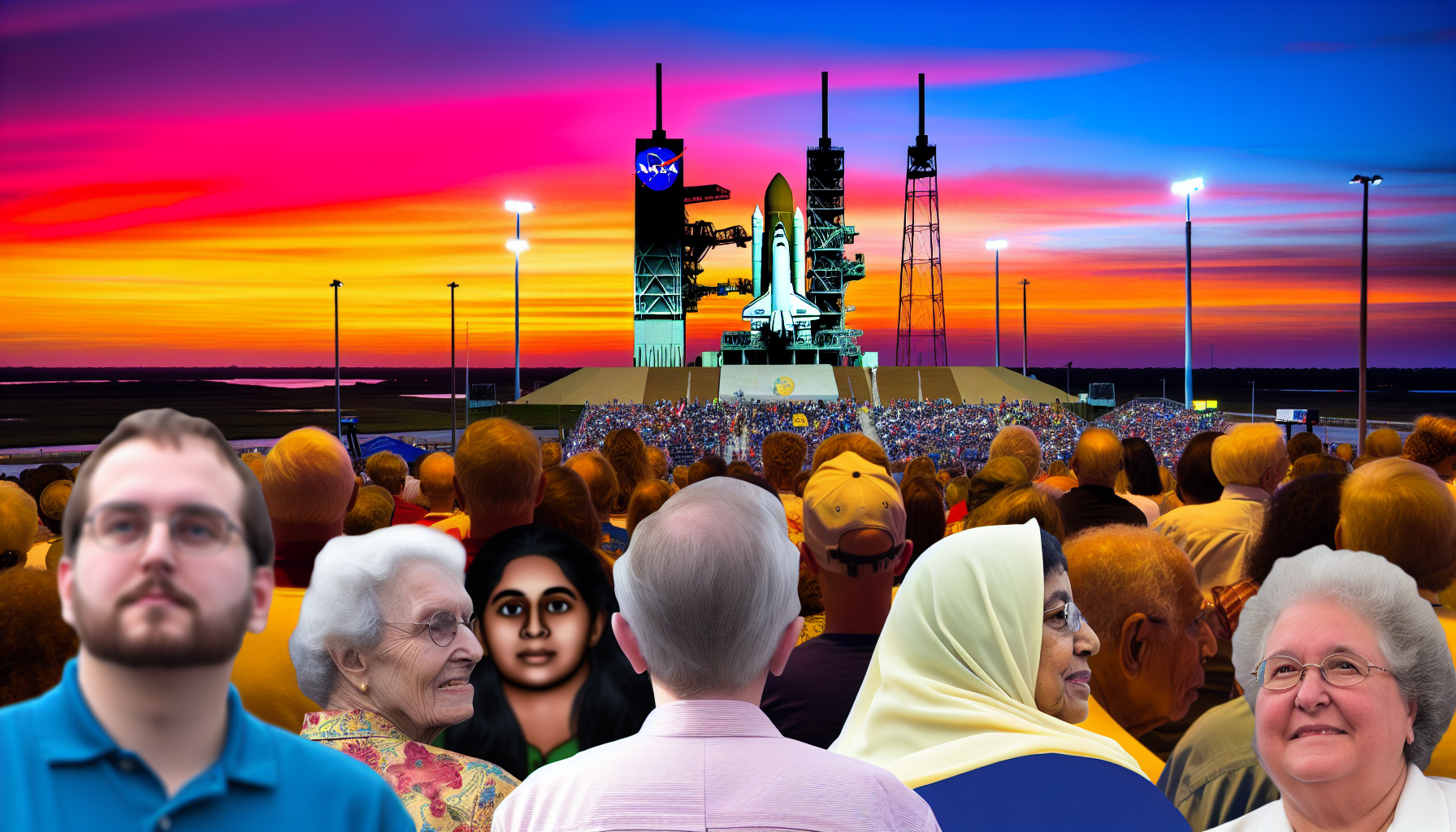

On April 1, 2026, the Space Coast of Florida transformed into a vibrant hub of excitement and anticipation as thousands of spectators gathered to witness the launch of NASA’s highly anticipated Artemis II mission. This moment marked a significant milestone in humanity’s return to lunar exploration, 50 years after the last crewed mission to the Moon. The event not only showcased cutting-edge technology but also reignited public interest in space travel and exploration.
The Significance of Artemis II
NASA’s Artemis II mission serves as a crucial step in the Artemis program, which aims to return humans to the Moon and establish a sustainable presence there by the end of the decade. The mission is designed to carry astronauts around the Moon, paving the way for future exploration and potential habitation.
Artemis II follows the successful uncrewed Artemis I mission, which was launched in late 2021. While Artemis I tested the Space Launch System (SLS) and the Orion spacecraft’s capabilities, Artemis II is set to take the next giant leap by sending astronauts beyond low Earth orbit.
A Day of Celebration
The atmosphere on the Space Coast was electric as families, space enthusiasts, and media flocked to the Kennedy Space Center for the launch. The event was not just a spectacle; it was a celebration of human ingenuity and a collective aspiration to push the boundaries of exploration.
Visitors arrived early, setting up viewing spots along the iconic Launch Complex 39B. Many attendees wore NASA gear, showcasing their support for the space agency and its mission to inspire the next generation of explorers. Local businesses also capitalized on the event, with shops and restaurants buzzing with activity as they catered to the influx of visitors.
A Community United by Space Exploration
The launch resonated deeply with the local community, which has long been associated with space exploration. For many residents, witnessing a launch is a rite of passage, a chance to be part of history in the making. As the countdown progressed, cheers erupted from the crowd, creating a sense of unity among the diverse group of onlookers.
- Families with children: Many brought their kids, eager to inspire the next generation of scientists and engineers.
- Space enthusiasts: Lifelong fans of NASA and space exploration shared their knowledge and passion with fellow spectators.
- Local leaders: Dignitaries and local officials emphasized the importance of space exploration for the community and the nation.
The Launch: A Spectacle to Remember
As the clock ticked down to liftoff, the tension in the air was palpable. At 7:30 PM EDT, the SLS rocket ignited, sending a plume of flame and smoke into the sky as it lifted off the launch pad. The roar of the engines was met with thunderous applause and cheers from the crowd, a testament to the excitement and hope that this mission represented.
The Orion spacecraft, which will carry the Artemis II crew, is designed for deep-space missions and is equipped with advanced technology to support human life during the journey. This mission is expected to last approximately ten days, during which the crew will orbit the Moon, conduct tests, and prepare for future missions that will land astronauts on the lunar surface.
Looking Ahead: The Future of Lunar Exploration
The Artemis program is not just about returning to the Moon; it is also about establishing a sustainable presence that could serve as a launchpad for future missions to Mars and beyond. NASA’s plans include the development of the Lunar Gateway, a space station that will orbit the Moon and support crewed and uncrewed missions.
Furthermore, Artemis II will help NASA gather vital data about the Moon’s environment, which is crucial for planning future lunar landings. The insights gained from this mission will inform designs for lunar habitats and resource utilization, making long-term human presence on the Moon a reality.
Community Impact and Inspiration
The Artemis II launch not only represents a scientific and technological achievement but also serves as an inspiration for the community and the world. The gathering of thousands at the Space Coast exemplifies how space exploration can unite people from all walks of life, igniting a shared passion for discovery and innovation.
In the days leading up to the launch, local schools organized educational programs to teach students about the importance of space exploration, further engaging the younger generation. Events like this can spark interest in STEM (science, technology, engineering, and mathematics) fields, nurturing future leaders and innovators.
Global Interest in Artemis
The Artemis program has garnered international attention, with many countries expressing interest in collaborating with NASA. As nations around the world recognize the importance of space exploration, partnerships can lead to shared knowledge, resources, and capabilities, ultimately benefiting humanity as a whole.
Space enthusiasts worldwide tuned in to watch the launch, showcasing the global interest in humanity’s quest for knowledge beyond our planet. The excitement surrounding Artemis II is a reminder that space exploration is a unifying endeavor that transcends borders.
Conclusion: A New Era of Exploration
The launch of Artemis II on April 1, 2026, signifies the dawn of a new era in space exploration, one that promises to take humans further than ever before. As we stand on the brink of returning to the Moon and beyond, the enthusiasm of the crowds at the Space Coast serves as a powerful reminder of our collective dreams and aspirations. The success of Artemis II will pave the way for future missions that could eventually lead to the colonization of other worlds. With each launch, we are reminded that the sky is not the limit; it is just the beginning.






