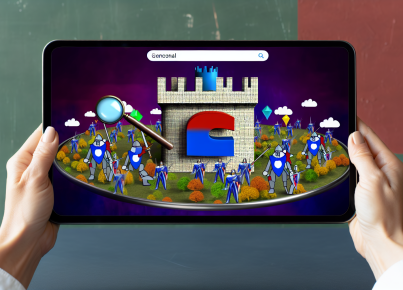

The software development industry is undergoing a seismic shift, one that has the potential to reshape not just how software is created, but who creates it. The advent of AI coding agents poses a significant threat to traditional software businesses that have thrived on low-cost labor. As these intelligent systems become increasingly capable, the nature of coding and programming itself is about to change, and many are left wondering what this means for the future landscape of the tech industry.
The Rise of AI Coding Agents
Over the past few years, AI has made remarkable strides in various fields, and software development is no exception. AI coding agents are advanced systems designed to automate coding tasks, allowing them to perform complex programming duties traditionally carried out by human developers. Unlike traditional coding tools that offer assistance, these AI agents can independently write, test, and debug code, reducing the need for human intervention.
This shift is a direct challenge to established software development practices, as AI agents can handle intricate coding tasks at a fraction of the cost of hiring human developers. For startups and firms relying on affordable labor, this presents a dire threat. The transition towards AI-driven solutions is not just about increasing efficiency; it also signals a potential end to the entry-level programming jobs that have long been a gateway into the tech industry.
Disruption of Traditional Business Models
For decades, businesses in the software industry have thrived on low-cost labor models, often outsourcing programming tasks to regions where labor is cheaper. This model has allowed companies to keep their operational costs low while still delivering software solutions to clients. However, with the introduction of AI coding agents, these traditional models are now under siege.
- Automation of Coding Tasks: AI agents can automate repetitive coding tasks, freeing up human developers to focus on more creative problem-solving and innovation.
- Cost Efficiency: The use of AI coding agents can significantly reduce the cost of software development, making it difficult for businesses that rely on cheap labor to compete.
- Job Displacement: As AI systems become more proficient, the risk of job displacement becomes a real concern, particularly for entry-level positions.
These factors create a perfect storm for traditional software businesses. As AI coding agents evolve, they not only threaten job security for developers but also challenge the very foundation upon which many software companies have built their success.
The Shift from Search Dominance to AI Solutions
Another significant aspect of this disruption is the shift from traditional search dominance—entities like Google, Amazon, and Facebook—to AI-driven solutions. Previously, developers relied on search engines to find coding resources, tutorials, and documentation to solve problems. However, as AI coding agents become more sophisticated, they offer a more streamlined and efficient means of acquiring knowledge and skills necessary for coding.
Instead of sifting through countless results and documentation, developers can interact directly with these AI systems. They can ask questions, request code snippets, and receive instant feedback, all of which accelerates the learning process and enhances productivity. This transformation marks a departure from the reliance on traditional search engines, positioning AI coding agents as the go-to source for coding assistance.
The Economic Implications for Startups
As the landscape of software development continues to evolve, startups must adapt to remain competitive. The emergence of AI coding agents has dire implications for companies built on low-cost labor models, as they will need to rethink their strategies to survive in an AI-dominated environment.
- Increased Competition: Startups that fail to adopt AI solutions risk being outpaced by competitors who leverage these technologies for faster and cheaper development.
- Rethinking Talent Acquisition: With the decline of entry-level positions, startups may need to focus on hiring developers with advanced skills who can effectively work alongside AI systems.
- Adaptation of Business Models: Companies may need to pivot their business models entirely, moving away from labor-intensive processes and embracing AI as a core component of their operations.
The economic pressure created by AI coding agents is palpable, and startups that do not recognize this shift may find themselves fighting to stay relevant in a rapidly changing marketplace.
FOMO: The Fear of Missing Out
The disruptive nature of AI coding agents is generating massive engagement and conversation within tech communities and social media platforms. Entrepreneurs, developers, and investors are acutely aware of the risks and opportunities presented by this technology, leading to a sense of urgency to adapt and innovate.
Fear of missing out (FOMO) is a powerful driver, prompting many individuals and organizations to seek answers and strategies to harness the potential of AI coding agents. As stories circulate about companies that successfully integrate AI into their workflows, others are left wondering how they can avoid being left behind.
Ethical Considerations and the Future of Work
As with any technological advancement, the rise of AI coding agents raises ethical questions about the future of work. The potential for job displacement is a significant concern, particularly in an industry that thrives on innovation and creativity.
- Job Creation vs. Job Loss: While AI may replace some jobs, it can also create new roles that focus on managing and developing AI systems.
- Skill Development: The need for a workforce equipped with advanced technical skills will become increasingly important, necessitating a shift in how educational institutions prepare students for the future.
- Human-AI Collaboration: Fostering a collaborative relationship between humans and AI can enhance productivity while preserving valuable human input in the development process.
As we look to the future, it is essential to engage in conversations about the ethical implications of AI in our workplaces. Understanding how to balance technology with human ingenuity will be key to navigating the complexities of the evolving software industry.
Conclusion
The emergence of AI coding agents presents both challenges and opportunities for the software development industry. While the potential for job displacement and disruption of traditional business models is alarming, it also opens the door for innovation and efficiency. Companies must remain vigilant and adaptable in the face of these changes, leveraging AI technologies while preserving the human elements that drive creativity and problem-solving.
As the industry continues to evolve, it is clear that AI coding agents will play a pivotal role in shaping the future of software development. The choice to embrace this technology will determine the success of businesses in the coming years, making it imperative for entrepreneurs and developers to stay informed and proactive in this rapidly changing landscape.