
“`html
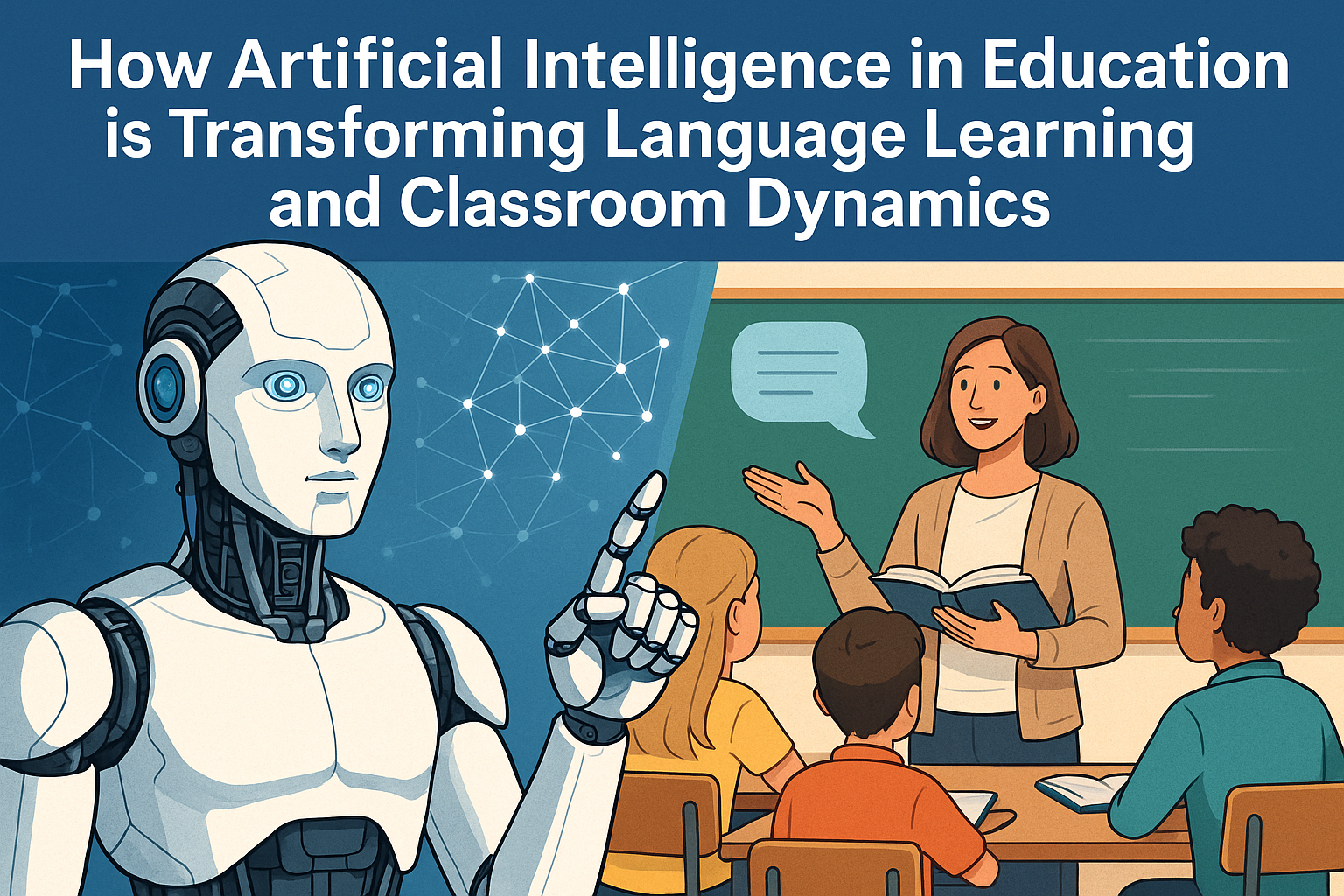
Artificial intelligence in education is no longer a distant concept; it’s an active participant in our classrooms today. The integration of AI is particularly notable in the realm of language teaching, where it is reshaping classroom practices and providing new opportunities for both students and educators. But with these advancements come significant challenges and concerns that spark debate among teachers, parents, and policymakers alike.
1. The Promise of Personalized Learning:
One of the most exciting prospects of artificial intelligence in education is its ability to personalize learning experiences. Traditional teaching methods often struggle to meet the diverse needs of learners, especially in language acquisition. AI, however, can analyze individual student performance in real time, allowing for tailored instruction that caters to each student’s unique pace and style of learning.
For instance, platforms powered by AI can provide customized exercises, suggest resources based on a student’s progress, and even adapt the difficulty of tasks to ensure optimal challenge without causing frustration. This individualized approach not only promotes engagement but also helps students to become more autonomous learners. As research continues to show, such personalized instruction can significantly enhance language acquisition and retention.
2. Support for Multilingual Learners:
In a globalized world where multilingualism is increasingly common, the role of artificial intelligence in education becomes even more vital. AI tools can bridge language gaps by providing instant translation and real-time feedback, thus aiding multilingual learners. For example, AI-driven applications can analyze a student’s first language and offer resources that support their learning in a new language.
Moreover, AI can assist in fostering a more inclusive environment by recognizing and celebrating linguistic diversity. Instead of viewing students’ multiple languages as a barrier, educators can utilize AI to enhance students’ linguistic skills across different languages. This creates a richer, more supportive learning atmosphere where all students feel valued and understood.
3. Authentic Language Practice Opportunities:
Another major advantage of integrating artificial intelligence in education is the provision of authentic practice opportunities. Students can engage in conversational AI platforms that simulate real-world interactions, allowing them to practice language skills in a safe environment. This type of practice is invaluable because it mirrors real-life scenarios, enabling learners to gain confidence and fluency.
Furthermore, AI can facilitate writing assistance, helping students refine their writing skills through instant feedback on grammar, structure, and coherence. Such tools can guide learners through the writing process, encouraging them to express their thoughts in their target language while honing their skills in a meaningful way.
4. Concerns Over Algorithmic Bias:
Despite the numerous benefits, the use of artificial intelligence in education is not without its pitfalls. A significant concern is the potential for algorithmic bias, particularly against non-native speakers or those from different cultural backgrounds. For instance, studies have pointed out that some AI language tools may struggle with Arabic-speaking learners, leading to unequal access to resources and support.
This bias can stem from the datasets used to train AI models, which may not adequately represent all languages and dialects. As educators, it’s crucial to remain vigilant and advocate for transparency in AI algorithms to ensure that all students receive equitable opportunities to succeed in language learning.
5. Threats to Authorship and Intellectual Integrity:
As AI technologies advance, they raise important questions about authorship and the integrity of student work. With AI-generated writing tools readily available, students might be tempted to rely on these resources instead of developing their own writing skills. This raises ethical questions: at what point does using AI become a form of academic dishonesty? (See: Using Artificial Intelligence to Personalize Learning.)
Educators must navigate these challenges by incorporating discussions around intellectual integrity into their curriculum. Teaching students the value of original thought and the importance of developing their own voice in writing can help mitigate the risks posed by AI tools in the education system. It’s about finding a balance where AI complements the learning process rather than undermines it.
6. Data Privacy Concerns:
Another serious issue surrounding artificial intelligence in education is the protection of student data. As AI systems often require access to vast amounts of personal information to function effectively, concerns about data privacy and security emerge. Parents and educators alike worry about how this data is collected, stored, and utilized.
In many cases, educational institutions may not have adequate safeguards to protect against data breaches or misuse of information. It’s essential for schools to establish comprehensive data privacy policies that ensure compliance with regulations such as GDPR or FERPA. Students should feel confident that their personal information is safe while using AI-driven tools in their learning processes.
7. The Risk of Over-Automation:
While the use of artificial intelligence in education can streamline many processes, there’s a growing fear that we might be moving too far toward automation. The concern here is that an over-reliance on AI could diminish the role of human educators, leading to a mechanical learning environment devoid of the personal touch that is crucial in teaching.
Teachers play a vital role in fostering relationships, understanding student emotions, and providing mentorship that AI simply cannot replicate. As we integrate AI tools, it’s essential to maintain a balance between technology and human interaction, ensuring that educators remain at the forefront of the learning experience.
8. Balancing Benefits and Risks:
The multifaceted relationship between artificial intelligence and education calls for careful consideration. While AI presents innovative solutions for language learning and classroom management, we must also confront the associated challenges head-on. Engaging in dialogue among educators, policymakers, and technology developers is crucial to create a holistic approach that maximizes benefits while addressing concerns.
As we continue to explore the role of artificial intelligence in education, it’s worth recognizing that these technologies are tools designed to enhance the learning experience. The focus should remain on using them to support, rather than overshadow, the integral human elements that define effective education.
9. The Future of AI in Education:
Looking ahead, the evolution of artificial intelligence in education appears promising but complex. Ongoing research and development will undoubtedly lead to more sophisticated AI applications tailored for diverse educational settings. However, it’s essential to prioritize ethical considerations, equitable access, and the safeguarding of student data.
As educators and stakeholders navigate this new terrain, maintaining a student-centered approach will be paramount. By leveraging the strengths of AI while remaining vigilant to its challenges, we can shape a future where both technology and traditional teaching methods coexist in harmony. The goal is to create an education system that is not only innovative but truly inclusive and effective for all learners.
10. Case Studies: Successful AI Integration in Education
Examining real-world implementations of artificial intelligence in education can provide valuable insights into its efficacy and impact. For instance, a notable case is the use of AI at Carnegie Learning, which employs intelligent tutoring systems for mathematics instruction. Their platform adapts to student responses, offering immediate feedback and tailored problem sets that reflect a student’s understanding level.
Another example comes from Duolingo, which utilizes AI to personalize language learning. The app analyzes user progression and engagement patterns to adjust difficulty levels and recommend relevant exercises, making the language acquisition process both enjoyable and effective. Such case studies highlight how AI can enhance educational outcomes when integrated thoughtfully into curricula. (See: AI's Role in Education and Learning.)
11. Statistics on AI in Education
Recent statistics underscore the growing prevalence and influence of artificial intelligence in education. According to a report from HolonIQ, the global AI in education market is expected to reach $6 billion by 2025, reflecting an annual growth rate of over 47%. This surge indicates a broad recognition of AI’s potential to transform educational practices.
Additionally, a survey conducted by McKinsey revealed that 73% of teachers believe that AI can enhance their teaching effectiveness. This sentiment demonstrates a willingness among educators to embrace technology that supports their pedagogical efforts. As AI tools continue to evolve, their integration into classrooms will likely expand, paving the way for innovative learning experiences.
12. Expert Perspectives on AI in Education
Experts in the field of education technology offer valuable insights into the implications of AI integration. Dr. Richard Culatta, CEO of the International Society for Technology in Education, emphasizes that while AI can support personalized learning, it is essential to cultivate critical thinking skills among students to ensure they can navigate an AI-driven world.
Similarly, Dr. Rose Luckin, a professor of Learner Centered Design at the UCL Knowledge Lab, argues for the importance of designing AI systems that are transparent and that promote equitable access. She asserts that educators must be at the helm of AI integration, guiding its use to serve educational goals rather than simply adopting technology for technology’s sake.
13. FAQs about Artificial Intelligence in Education
What is the role of AI in the classroom?
AI can assist teachers by providing personalized learning experiences, offering immediate feedback to students, and automating administrative tasks. It enhances engagement and allows educators to focus on more individualized instruction.
How can AI help language learners?
AI tools can provide real-time translation, personalized learning paths, and authentic practice scenarios that simulate real-world interactions, making language acquisition more effective and enjoyable.
Are there risks associated with using AI in education?
Yes, there are several risks including algorithmic bias, data privacy concerns, and the potential for over-reliance on technology, which may undermine the role of human educators.
How can educators ensure ethical AI use?
Educators should advocate for transparency in AI algorithms, engage in discussions about intellectual integrity, and establish data privacy policies to protect student information while promoting equitable access to AI resources.
What is the future of AI in education?
The future holds promise for increasingly sophisticated and tailored AI applications in education. It will be crucial to address the ethical implications and ensure that the benefits of AI are accessible to all learners while preserving the essential human elements of teaching. (See: Personalized Learning through AI in Education.)
14. Challenges of Implementing AI in Schools
Implementing artificial intelligence in education can be challenging. Schools often lack the necessary infrastructure and training. Teachers may feel overwhelmed by the prospect of integrating new technologies into their existing curricula. Proper training and ongoing support are essential for successful implementation. For example, many institutions have started offering professional development workshops specifically focused on using AI tools effectively.
Moreover, the financial aspect of adopting AI technology can be a hurdle for many schools, especially those in underfunded districts. Budget constraints might prevent them from accessing advanced AI tools that could greatly benefit their students. Creative solutions, such as partnerships with tech companies or leveraging grants, can help alleviate these financial burdens and support AI integration.
15. AI and Special Education
Artificial intelligence can also play a crucial role in special education, providing tailored support to students with disabilities. AI tools can help identify students’ specific needs and adapt learning materials accordingly. For example, speech recognition software can assist students with speech impairments, allowing them to communicate more effectively.
Additionally, AI can facilitate differentiated instruction, enabling educators to cater to students’ varying levels of ability. By providing customized learning options, AI can enhance the educational experience for students with special needs, ensuring they receive the support necessary to thrive in a mainstream education environment.
16. Future Trends in AI and Education
The future of artificial intelligence in education looks bright, with several emerging trends on the horizon. One trend is the increased use of adaptive learning technology, which continuously assesses student performance and adjusts curriculum in real-time. This allows for a dynamic learning environment where students can progress at their own pace.
Another trend is the rise of virtual and augmented reality tools powered by AI, which can create immersive learning experiences. Imagine a language learner being able to practice their skills in a virtual world where they can interact with AI-driven characters and scenarios, enhancing their conversational skills in an engaging manner.
Lastly, as AI continues to develop, there will be a stronger emphasis on ethical AI education. Teaching students about the implications of AI, such as bias and privacy, will be essential in preparing them to navigate an increasingly AI-driven world responsibly.
“`
Trending Now
Frequently Asked Questions
How is artificial intelligence changing language learning?
Artificial intelligence is transforming language learning by personalizing instruction, allowing for tailored educational experiences that cater to individual student needs. AI analyzes performance in real time, providing customized exercises and resources to enhance engagement and retention.
What are the benefits of AI in education for multilingual learners?
AI benefits multilingual learners by offering instant translation and real-time feedback, helping to bridge language gaps. It can analyze a student's first language and suggest appropriate resources, fostering an inclusive environment that celebrates linguistic diversity.
What challenges does AI in education present?
While AI offers numerous advantages, it also presents challenges such as concerns over data privacy, the potential for over-reliance on technology, and the need for teacher training to effectively integrate AI tools in the classroom.
Can AI improve student engagement in language learning?
Yes, AI can significantly improve student engagement by providing personalized learning experiences that adapt to each student's pace and style. This tailored approach helps maintain optimal challenge levels, preventing frustration and promoting autonomy.
How does AI support teachers in the classroom?
AI supports teachers by automating administrative tasks, providing insights into student performance, and offering resources for personalized instruction. This allows educators to focus more on teaching and less on routine tasks, enhancing classroom dynamics.
Have you experienced this yourself? We’d love to hear your story in the comments.