
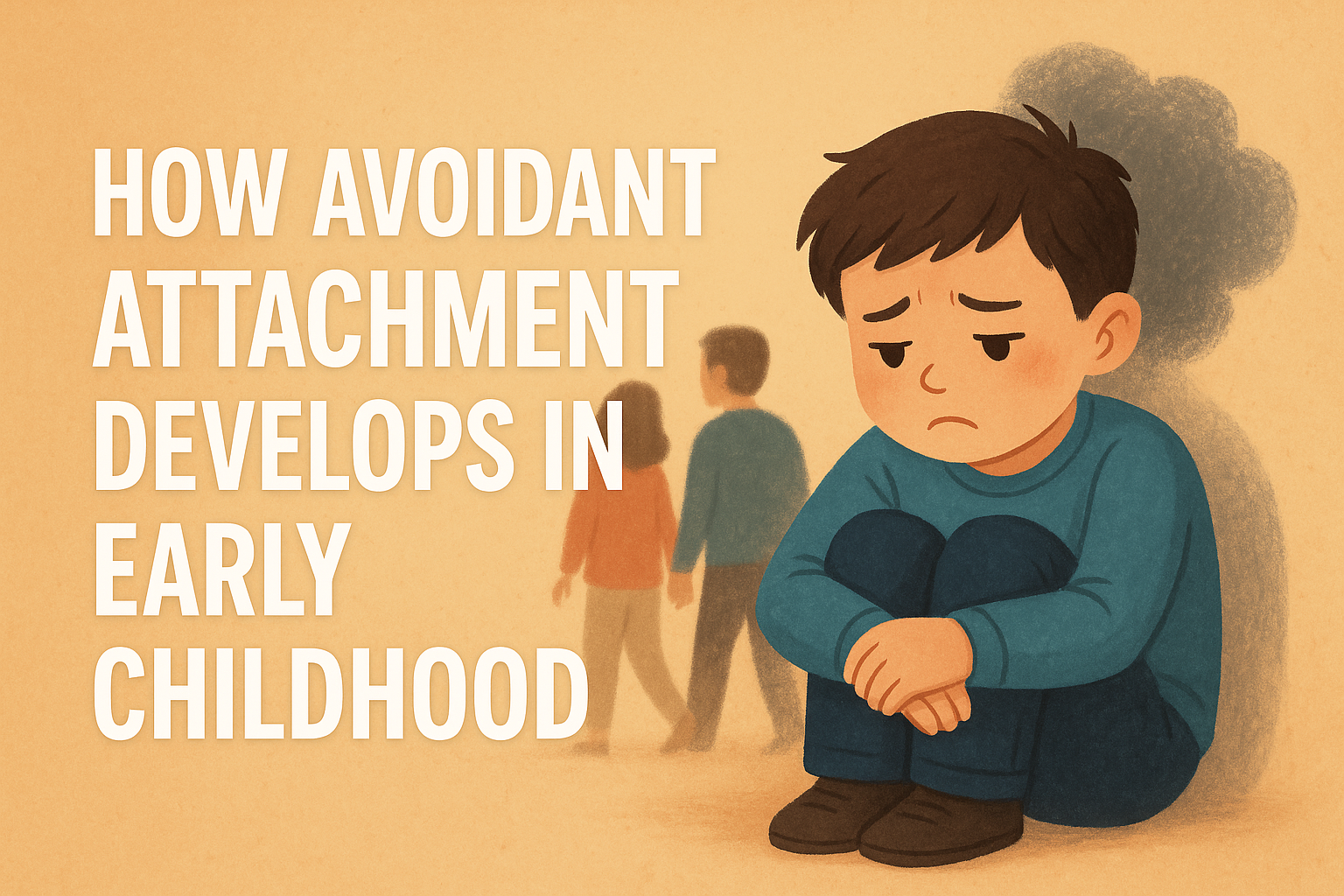

“`html
Understanding Attachment Theory
Attachment theory, pioneered by psychologist John Bowlby in the mid-20th century, explores the bonds formed between infants and their primary caregivers. This theory posits that the early relationships a child has significantly influence their emotional and social development throughout life. Bowlby suggested that these attachments are crucial for a child’s survival, as they provide safety and security.
In essence, attachment styles can be categorized into four types: secure, anxious, ambivalent, and avoidant. Avoidant attachment in childhood is particularly noteworthy because it often leads to difficulties in relationships later in life. Children with avoidant attachment tend to distance themselves from others, struggle with emotional intimacy, and may exhibit self-reliance to an unhealthy extent. To understand how this attachment style develops, it’s essential to examine the early experiences that contribute to it.
The Roots of Avoidant Attachment
Avoidant attachment typically emerges when caregivers are consistently unresponsive or emotionally unavailable. For instance, a child who seeks comfort during times of distress but receives little to no response may learn to suppress their need for closeness. Over time, this leads to a pattern of avoidance in relationships.
According to research, children with avoidant attachment learn that expressing their feelings or seeking help is futile. As a result, they may adopt a self-sufficient attitude, believing that they should handle their emotions on their own. This can manifest as a reluctance to share their feelings, an aversion to physical closeness, and an overall discomfort with vulnerability.
Key Factors Influencing Avoidant Attachment
Several factors contribute to the development of avoidant attachment in childhood. These include:
- Parental Behavior: Caregivers who prioritize their own needs over their child’s emotional expressions can hinder healthy attachment. If a parent consistently dismisses a child’s need for comfort, the child learns to cope independently.
- Environmental Context: A chaotic or unpredictable home environment can lead to stress for children. If parents are dealing with their own emotional issues, they may be less capable of providing the responsive care that fosters secure attachments.
- Cultural Influences: In some cultures, independence is highly valued. Children raised in environments that emphasize self-sufficiency over emotional expression may be more likely to develop an avoidant attachment style.
Research highlights that avoidant attachment is often a learned behavior, with children adapting to their caregivers’ emotional availability. Instead of seeking connection, they may withdraw and put up walls, a coping mechanism that can follow them into adulthood.
The Long-Term Effects of Avoidant Attachment
The implications of avoidant attachment in childhood can be profound and long-lasting. Individuals with this attachment style often struggle with relationships as they reach adulthood. Here are some common challenges faced by those who developed avoidant attachment in childhood:
- Difficulty in Relationships: Adults with avoidant attachment may find it challenging to establish close relationships. They often fear intimacy and may sabotage connections by withdrawing or acting aloof.
- Emotional Suppression: People with this attachment style often have a hard time expressing emotions. They may view emotional vulnerability as a weakness, leading to further isolation.
- Trust Issues: Trusting others can be a significant hurdle. Adults with avoidant attachment may have a deep-seated belief that others will not meet their emotional needs, leading to a lack of faith in relationships.
These challenges underline the importance of addressing avoidant attachment in therapy or personal development. Recognizing and understanding these patterns can pave the way toward healthier relationships. (See: Attachment theory overview.)
Recognizing Signs of Avoidant Attachment in Children
Understanding the signs of avoidant attachment in childhood is crucial for parents, educators, and caregivers. Early detection can help guide interventions that foster secure attachments. Signs may include:
- Avoidance of Physical Closeness: Children with avoidant attachment may resist hugs or physical affection, preferring to keep their distance.
- Lack of Emotional Expression: They may show little response to emotional situations, either positive or negative, often appearing detached.
- Self-Sufficiency: Children may insist on doing things themselves, rejecting help from caregivers, reflecting their learned belief that reliance on others is unsafe.
- Difficulty with Peer Relationships: They may struggle to make friends or engage in social activities, often preferring solitude.
By recognizing these signs, caregivers can begin to create environments that encourage emotional expression and security, breaking the cycle of avoidant attachment.
Creating Secure Attachments: Practical Insights
For caregivers looking to cultivate secure attachments in their children, there are several strategies that can be beneficial:
- Be Emotionally Available: Respond to your child’s needs promptly and consistently. Validating their feelings helps them feel understood and valued.
- Encourage Emotional Expression: Create a safe space for your child to express their emotions without judgment. Encourage open discussions about feelings, teaching them that it’s okay to be vulnerable.
- Model Healthy Relationships: Demonstrate healthy relationship behaviors, such as conflict resolution and emotional support. Children learn by observing their caregivers.
- Provide Stability: Consistency and predictability in caregiving can help children feel secure. Establish routines and be reliable in your responses.
By implementing these strategies, caregivers can help children develop a secure attachment style, ultimately leading to healthier relationships in adulthood.
The Role of Therapy in Addressing Avoidant Attachment
If you or someone you know struggles with avoidant attachment in childhood, therapy can be a powerful tool for healing. Cognitive Behavioral Therapy (CBT), for instance, can assist individuals in recognizing and challenging maladaptive thought patterns and behaviors associated with avoidant attachment.
Attachment-focused therapy is another effective approach. This type of therapy specifically targets attachment issues, helping individuals explore their early relationships and how they shape current behaviors and feelings. Through the therapeutic process, clients can learn to develop healthier attachment styles and improve their relationships.
Moreover, group therapy can provide a supportive environment where individuals can share their experiences and learn from one another. Engaging with others who have similar challenges can foster a sense of belonging and diminish feelings of isolation.
How Avoidant Attachment Affects Adult Relationships
As individuals with avoidant attachment transition into adulthood, the patterns established during childhood can significantly impact their romantic and social relationships. For example, they might find themselves gravitating towards partners who also have avoidant tendencies, leading to a cycle of emotional distance. In romantic relationships, avoidant individuals may struggle with commitment, often feeling overwhelmed by a partner’s emotional needs. (See: CDC on child attachment.)
Research indicates that about 25% of adults exhibit avoidant attachment styles, which can lead to conflict. A study published in the “Journal of Personality and Social Psychology” suggests that avoidant individuals often misinterpret their partner’s attempts at intimacy as threats to their autonomy, prompting them to withdraw further.
This withdrawal can create a toxic cycle, where the partner feels rejected and responds with increased attempts to connect, which further pushes the avoidant individual away. Such dynamics can lead to dissatisfaction and even relationship breakdowns if not addressed. We covered attachment theory explained in more detail.
Expert Perspectives on Avoidant Attachment
Many psychologists emphasize the importance of recognizing avoidant attachment as a legitimate and challenging emotional landscape. Dr. Lisa Firestone, an expert in emotional attachment, asserts that individuals with avoidant attachment need to learn to embrace vulnerability gradually. “It’s about creating safety within oneself to begin to open up to others,” she states. Dr. Firestone advocates for small steps towards emotional openness, suggesting individuals journal their feelings or share them with trusted friends to build comfort with intimacy.
Dr. Amir Levine, author of “Attached,” highlights the significance of communication. He notes that avoidant individuals can benefit from expressing their needs clearly, even if it feels uncomfortable. “Learning to articulate what one needs from a partner is crucial for fostering connection,” Dr. Levine explains. By practicing communication skills, those with avoidant attachment can gradually navigate feelings of discomfort associated with emotional closeness.
Common Misconceptions About Avoidant Attachment
There are several misconceptions about avoidant attachment that can hinder understanding and support for those affected by it. One common myth is that individuals with avoidant attachment do not want relationships. In reality, many desire connection but struggle to express their needs and emotions due to fear of vulnerability.
Another misconception is that avoidant individuals are entirely emotionally unavailable. While they may appear distant, this behavior often stems from learned protective mechanisms rather than a lack of desire for intimacy. Understanding these nuances is key to supporting loved ones who may exhibit avoidant traits.
FAQ: Common Questions About Avoidant Attachment in Childhood
What is avoidant attachment in childhood?
Avoidant attachment in childhood refers to a style of attachment characterized by emotional distance from caregivers. Children with this attachment style often suppress their emotional needs and avoid seeking comfort from others.
How can I tell if my child has avoidant attachment?
Signs include reluctance to show affection, difficulty expressing emotions, and a strong preference for solitude over social interactions. Additionally, they may insist on doing tasks independently, avoiding help from caregivers.
Can avoidant attachment be changed in adulthood?
Yes, with the right support, individuals can work to change their attachment style. Therapy, mindfulness practices, and building healthy relationships can help foster emotional openness and connection. There’s a fuller look at signs of avoidant attachment.
Are there any long-term effects of avoidant attachment?
Yes, individuals with avoidant attachment may face challenges in forming close relationships, struggle with emotional expression, and have trouble trusting others, impacting their romantic and social lives.
What role do caregivers play in the development of avoidant attachment?
Caregivers who are emotionally unavailable or dismissive can foster avoidant attachment in children. Their responsiveness and ability to validate a child’s feelings are crucial for developing secure attachment styles.
Conclusion: The Path Forward
Avoidant attachment in childhood is a complex issue, often stemming from early experiences that shape emotional development. By understanding the roots of this attachment style, recognizing its signs, and implementing strategies to foster secure attachments, caregivers can help children navigate their emotional landscapes more effectively.
As adults, those with avoidant attachment can find paths toward healing and transformation. With the right support and understanding, it’s possible to break free from the patterns that have restricted emotional connection and intimacy. By fostering awareness and open communication, we can create a world where healthy attachments flourish, ultimately leading to stronger, more fulfilling relationships.
“`
Trending Now
Frequently Asked Questions
What is avoidant attachment in childhood?
Avoidant attachment in childhood is a style where children distance themselves from others and struggle with emotional intimacy. This often arises from caregivers who are unresponsive or emotionally unavailable, leading children to suppress their need for closeness and adopt a self-sufficient attitude.
How does avoidant attachment develop?
Avoidant attachment develops when caregivers consistently fail to respond to a child's emotional needs. Children learn that seeking comfort is futile, leading them to avoid expressing feelings and becoming uncomfortable with vulnerability in relationships.
What are the effects of avoidant attachment later in life?
Children with avoidant attachment often face difficulties in relationships as adults. They may struggle with intimacy, prefer emotional distance, and exhibit self-reliance to an unhealthy extent, making it challenging to connect deeply with others.
What factors influence the development of avoidant attachment?
Key factors include caregiver behavior, where prioritizing personal needs over the child's emotional expressions can hinder healthy attachment. Consistent unavailability or lack of responsiveness from parents contributes to the formation of avoidant attachment.
How can avoidant attachment be addressed in therapy?
Therapy can help individuals with avoidant attachment by fostering emotional awareness and encouraging vulnerability. Techniques may include building trust, practicing intimacy, and gradually challenging avoidance behaviors to promote healthier relational patterns.
What’s your take on this? Share your thoughts in the comments below — we read every one.



