

“`html
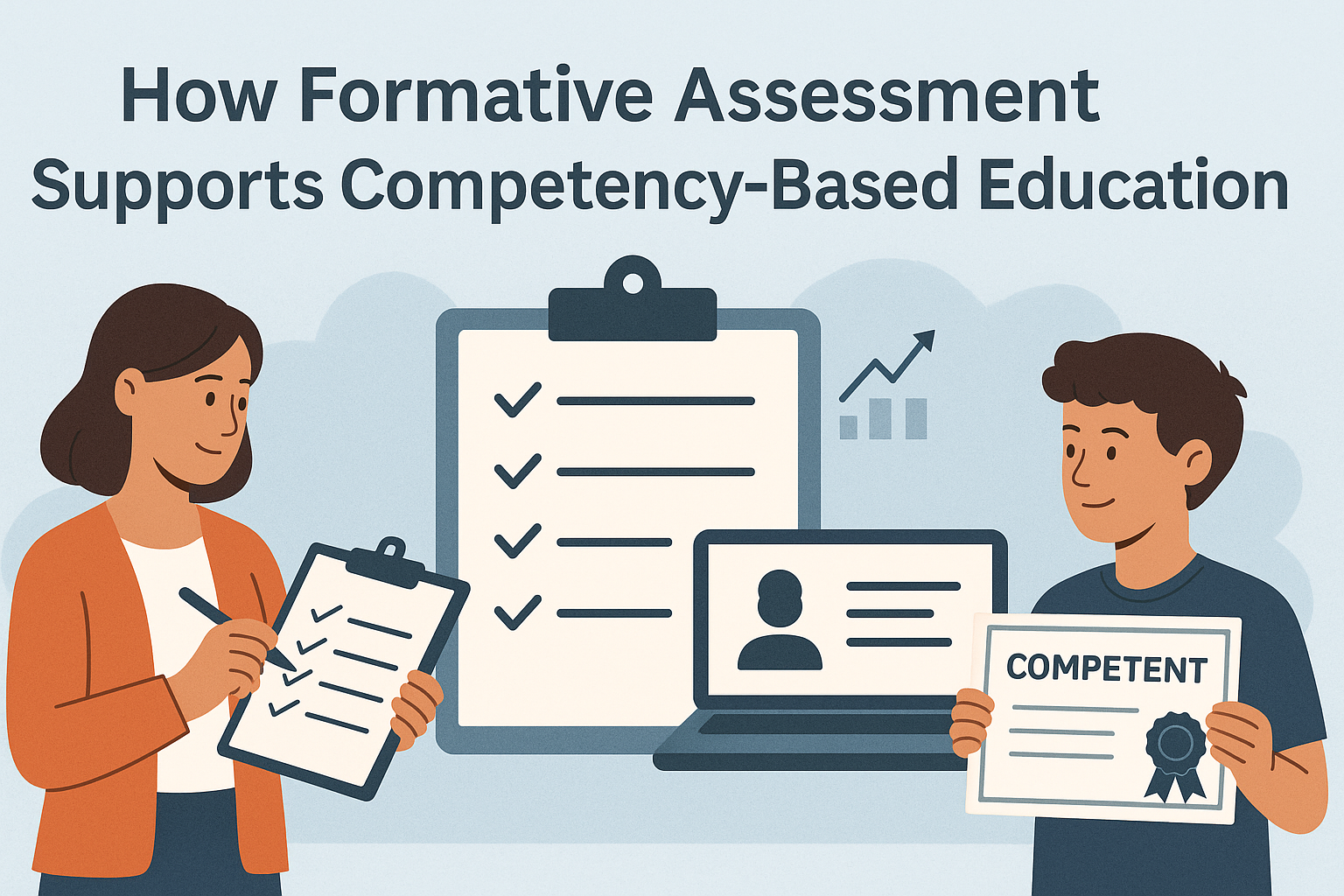
In the landscape of modern education, formative assessment in competency-based education plays a crucial role in reshaping how learning is approached. This innovative model is designed to focus on students’ mastery of specific competencies rather than traditional time-bound approaches. By integrating formative assessments, educators can provide continuous feedback and adjust their teaching methods, leading to improved student outcomes.
Understanding Competency-Based Education
Competency-based education (CBE) is a teaching and learning strategy that prioritizes student learning over time spent in a classroom. It allows students to progress through their educational journey at their own pace, as long as they demonstrate mastery of the required skills and knowledge. This approach is gaining momentum in various educational settings, from K-12 systems to higher education institutions.
The foundational principle of CBE is the focus on specific competencies—defined as the knowledge, skills, and abilities that students must possess to successfully perform tasks in real-world situations. This model is particularly effective in preparing students for the workforce, as it aligns educational outcomes with industry needs.
The Role of Formative Assessment in CBE
Formative assessments are tools used to gather information about student learning and understanding during the instructional process. Unlike summative assessments, which evaluate student learning at the end of an instructional unit, formative assessments are ongoing and help identify areas where students may need additional support or adjustments in their learning pathways.
In the context of competency-based education, formative assessments serve several key purposes:
- Continuous Feedback: They provide timely feedback to students, enabling them to understand their progress and areas needing improvement.
- Tailored Instruction: Formative assessments allow educators to adjust their teaching strategies based on student performance, ensuring that instruction meets individual learning needs.
- Motivation and Engagement: By fostering a growth mindset, formative assessments encourage students to take ownership of their learning, leading to increased motivation and engagement.
Types of Formative Assessments
Formative assessments can take various forms, and choosing the right type can significantly impact the effectiveness of teaching strategies in a competency-based framework. Here are some common types:
- Quizzes and Polls: Quick quizzes or interactive polls can provide immediate insights into student understanding and help identify misconceptions.
- Peer Reviews: Engaging students in peer assessment allows them to learn from one another, fostering collaboration and critical thinking.
- Observations: Teachers can observe student interactions and participation during lessons to gauge comprehension and engagement.
- Self-Assessment: Encouraging students to assess their own understanding promotes reflection and ownership of their learning journey.
Implementing Formative Assessments in CBE
To effectively implement formative assessment in a competency-based education framework, educators need to adopt intentional strategies. Here are some practical insights:
Develop Clear Learning Objectives
Before employing formative assessments, it’s essential to establish clear learning objectives aligned with the competencies being taught. These objectives serve as a roadmap for both educators and students, ensuring that everyone is on the same page regarding expected outcomes. (See: Competency-Based Education Overview.)
Integrate Technology
In today’s digital age, technology can enhance the formative assessment process. Tools such as online quizzes, learning management systems, and real-time feedback applications can streamline data collection and provide instant insights. For instance, platforms like Google Forms and Kahoot! allow teachers to create interactive assessments that engage students while gathering valuable data.
Foster a Supportive Learning Environment
Creating a classroom culture that values growth and improvement is crucial. Educators should emphasize that formative assessments are not punitive but rather opportunities for learning. Encouraging a safe space for students to express their thoughts and concerns about their learning journey can lead to more honest self-assessments and peer reviews.
Challenges of Formative Assessment in CBE
While the benefits of integrating formative assessment in competency-based education are significant, some challenges can arise:
- Instructor Training: Educators may require training to effectively utilize formative assessments and interpret the data. Without proper understanding, the potential of formative assessments may not be fully realized.
- Time Constraints: The continuous nature of formative assessments can be time-consuming, potentially overwhelming teachers who already face heavy workloads.
- Student Resistance: Some students may view formative assessments as additional pressure rather than as supportive tools. Overcoming this resistance requires careful communication and encouragement.
Current Relevance and Future Implications
The relevance of formative assessment in competency-based education has been particularly highlighted during times of crisis, such as the COVID-19 pandemic. As education shifted to remote learning, the need for effective assessment strategies became more pronounced. Educators had to adapt quickly to ensure that students continued to receive meaningful feedback on their learning.
Looking ahead, the integration of formative assessment in CBE is likely to grow even more significant. Education systems are increasingly recognizing the importance of personalized learning pathways, and formative assessments are critical to this approach. As more institutions adopt CBE models, developing robust formative assessment practices will be essential for ensuring student success.
Integrating Formative Assessment for Lifelong Learning
Ultimately, formative assessment in competency-based education is not just about passing tests; it’s about fostering a deep understanding and application of knowledge. This approach prepares students for lifelong learning by equipping them with the tools to self-assess, seek feedback, and adjust their strategies as needed.
This shift towards competency-based education, supported by effective formative assessments, encourages a culture where learning is central, and mastery is the goal. In doing so, educators can inspire students to become proactive learners, ready to tackle the challenges of the workforce and beyond.
FAQs about Formative Assessment in Competency-Based Education
What is the primary purpose of formative assessments in CBE?
The main purpose is to provide ongoing feedback to students and educators, helping identify areas for improvement and guiding adjustments in instruction to meet student needs effectively. (See: Education and Learning – WHO.)
How does formative assessment differ from summative assessment?
Formative assessment takes place throughout the learning process and aims to improve learning, while summative assessment evaluates student learning at the end of an instructional unit, usually for the purpose of assigning grades.
Can formative assessments be used in remote learning environments?
Absolutely! Many digital tools and platforms facilitate formative assessments in remote settings. Educators can use online quizzes, discussion forums, and virtual peer reviews to engage students effectively.
What are some effective strategies for using formative assessments?
Effective strategies include integrating technology for real-time feedback, fostering a classroom culture of growth, and utilizing diverse assessment types tailored to student needs.
How can teachers overcome student resistance to formative assessments?
Teachers can address resistance by clearly communicating the purpose of formative assessments, emphasizing their role in promoting personal growth and learning, and creating a supportive environment where mistakes are seen as part of the learning journey.
What role does student self-assessment play in CBE?
Student self-assessment is vital in CBE as it encourages learners to reflect on their understanding, take responsibility for their learning, and set personal goals for improvement. This self-awareness fosters a deeper engagement in the learning process.
Examples of Successful Implementation of Formative Assessment in CBE
Several educational institutions have successfully integrated formative assessment within competency-based education frameworks. For instance, Western Governors University (WGU) utilizes a fully online model where competency assessments are continuously integrated. Students complete assessments at their own pace, receiving feedback immediately, which helps them adjust their learning strategies on the fly.
In K-12 education, New Hampshire’s PACE initiative exemplifies how formative assessments can drive personalized learning. Schools within this initiative focus on competency-based education and use ongoing assessments to tailor instruction to meet individual student needs, resulting in improved student engagement and performance.
The Importance of Professional Development for Educators
For the successful implementation of formative assessments in competency-based education, professional development is paramount. Educators must have a solid understanding of how to create effective formative assessments and analyze the data collected from them. (See: Teaching Strategies for Learning.)
Workshops and training sessions that focus on formative assessment strategies can equip teachers with the necessary skills. Additionally, collaborative communities of practice can foster a supportive environment where educators can share best practices and learn from one another’s experiences.
Building a Culture of Continuous Improvement
Integrating formative assessments in CBE also helps build a culture of continuous improvement within educational institutions. This culture emphasizes the importance of reflection, adaptability, and ongoing learning among both students and educators. Institutions can implement regular check-ins, where teachers discuss assessment data and share insights about student progress. This collaboration not only strengthens teaching practices but also enhances student learning experiences.
Statistics Highlighting the Impact of Formative Assessment
Research highlights the positive impact of formative assessments on student achievement. According to a meta-analysis by Black and Wiliam (1998), formative assessment can lead to an average increase of nearly 15 percentile points in student performance. Furthermore, a study conducted by the Institute for Student-Centered Education reported that schools utilizing formative assessments effectively within a competency-based framework saw an increase in student engagement by over 25%.
Future Trends in Formative Assessment and CBE
As education continues to evolve, new trends in formative assessment are emerging. The integration of artificial intelligence (AI) and machine learning is expected to play a significant role in shaping formative assessments. These technologies can analyze student data in real-time, providing educators with deeper insights and allowing for even more personalized instruction. Additionally, the use of gamification in assessments can increase student motivation, making learning more engaging and enjoyable.
In summary, formative assessment in competency-based education is a transformative practice that not only enhances student engagement but also promotes personalized learning. It prepares students to excel in their educational journeys and future careers by emphasizing mastery and adaptability.
“`
Trending Now
Frequently Asked Questions
What is formative assessment in education?
Formative assessment is a continuous evaluation method used during the instructional process to gather information about student learning. Unlike summative assessments, which occur at the end of a unit, formative assessments provide ongoing feedback, helping educators identify areas where students need additional support or adjustments in their learning pathways.
How does competency-based education work?
Competency-based education (CBE) focuses on students mastering specific skills and knowledge rather than adhering to traditional time constraints. This approach allows students to progress at their own pace as long as they demonstrate proficiency in required competencies, aligning educational outcomes with real-world demands.
What are the benefits of formative assessment?
Formative assessments offer several benefits, including providing timely feedback, allowing educators to tailor instruction to meet individual student needs, and enabling continuous monitoring of student progress. This approach fosters a supportive learning environment that can lead to improved student outcomes.
Why is formative assessment important in competency-based education?
In competency-based education, formative assessments are crucial as they help educators monitor student progress in real-time, provide immediate feedback, and adjust teaching methods accordingly. This ensures that students receive the support they need to master competencies effectively.
How does competency-based education prepare students for the workforce?
Competency-based education prepares students for the workforce by aligning educational outcomes with industry needs. By focusing on specific competencies—knowledge, skills, and abilities—students gain practical skills that are directly applicable in real-world job situations, enhancing their employability.
What did we miss? Let us know in the comments and join the conversation.


