

“`html
The early years of childhood are foundational for a myriad of developmental milestones, and one of the most crucial is gross motor development. This aspect of physical growth involves the use of large muscles to perform significant movements, such as running, jumping, and climbing. But what many people may overlook is the vital role that gross motor skills play not just in physical activity, but in academic learning and school readiness. In this article, we will explore how gross motor development supports cognitive functions, enhances social skills, and contributes to overall school readiness.
Understanding Gross Motor Development
Before delving into its implications for academic learning, it’s essential to define what gross motor development encompasses. Gross motor skills are primarily developed through engaging in physical activities that require coordination, strength, balance, and endurance. These skills typically start to emerge in infancy and continue to develop as children grow. For instance, a baby might first learn to lift its head, then roll over, sit up, crawl, and eventually walk and run.
These milestones are typically reached in a predictable sequence and are influenced by various factors, including genetics, environment, and opportunities for physical activity. It’s vital for parents and educators to provide children with ample opportunities to practice these skills, as they are not just important for physical health but also have far-reaching implications on cognitive and emotional development. importance of recess offers useful background here.
The Connection Between Gross Motor Skills and Cognitive Development
Research reveals a strong correlation between gross motor development and cognitive skills. Studies have shown that children who engage in regular physical activity demonstrate improved attention spans, problem-solving abilities, and academic performance. For example, a study published in the journal Child Development found that increased physical activity is positively associated with enhanced cognitive functioning in children.
One reason for this connection lies in how movement affects brain development. Physical activity increases blood flow to the brain, which delivers essential nutrients and oxygen while also fostering the growth of new neural connections. This growth is vital for cognitive tasks such as concentration, memory, and executive functioning. Additionally, activities that involve coordination and balance often require children to strategize and make quick decisions, further enhancing their cognitive skills.
Social Skills and Emotional Regulation
Beyond cognitive benefits, gross motor development also significantly impacts social skills and emotional regulation. Engaging in group activities, such as playing tag or participating in team sports, provides children with opportunities to interact with peers, learn cooperation, and develop communication skills. These interactions are crucial for social development, as they help children understand social cues, teamwork, and empathy. (See: CDC on child development milestones.)
Additionally, physical activity is known to reduce anxiety and depression in children, promoting emotional well-being. When children engage in play, they not only release endorphins but also gain confidence in their physical capabilities. This boost in self-esteem translates into better interactions with peers and adults, which is essential for school readiness.
School Readiness and Gross Motor Development
The importance of gross motor development extends into the realm of school readiness. Children with well-developed gross motor skills are better equipped to transition into structured educational environments. Skills such as running, jumping, and climbing contribute to a child’s ability to navigate the school environment, such as moving around the classroom or participating in recess activities.
Moreover, many early learning programs emphasize the need for physical activity as part of their curriculum. This not only helps develop gross motor skills but also facilitates learning in other areas. For instance, a child who can hop on one foot may find it easier to write or engage in other fine motor tasks, as both types of skills rely on coordination and control. Consequently, schools that incorporate gross motor activities into their daily routines often see improved academic outcomes.
Practical Insights for Parents and Educators
Recognizing the significance of gross motor development is only the first step. Parents and educators can actively support this critical aspect of growth through various practical strategies. Here are some actionable insights:
- Encourage Outdoor Play: Ensure children spend plenty of time outdoors where they can run, jump, climb, and explore. Nature trails, parks, and playgrounds provide excellent venues for gross motor practice.
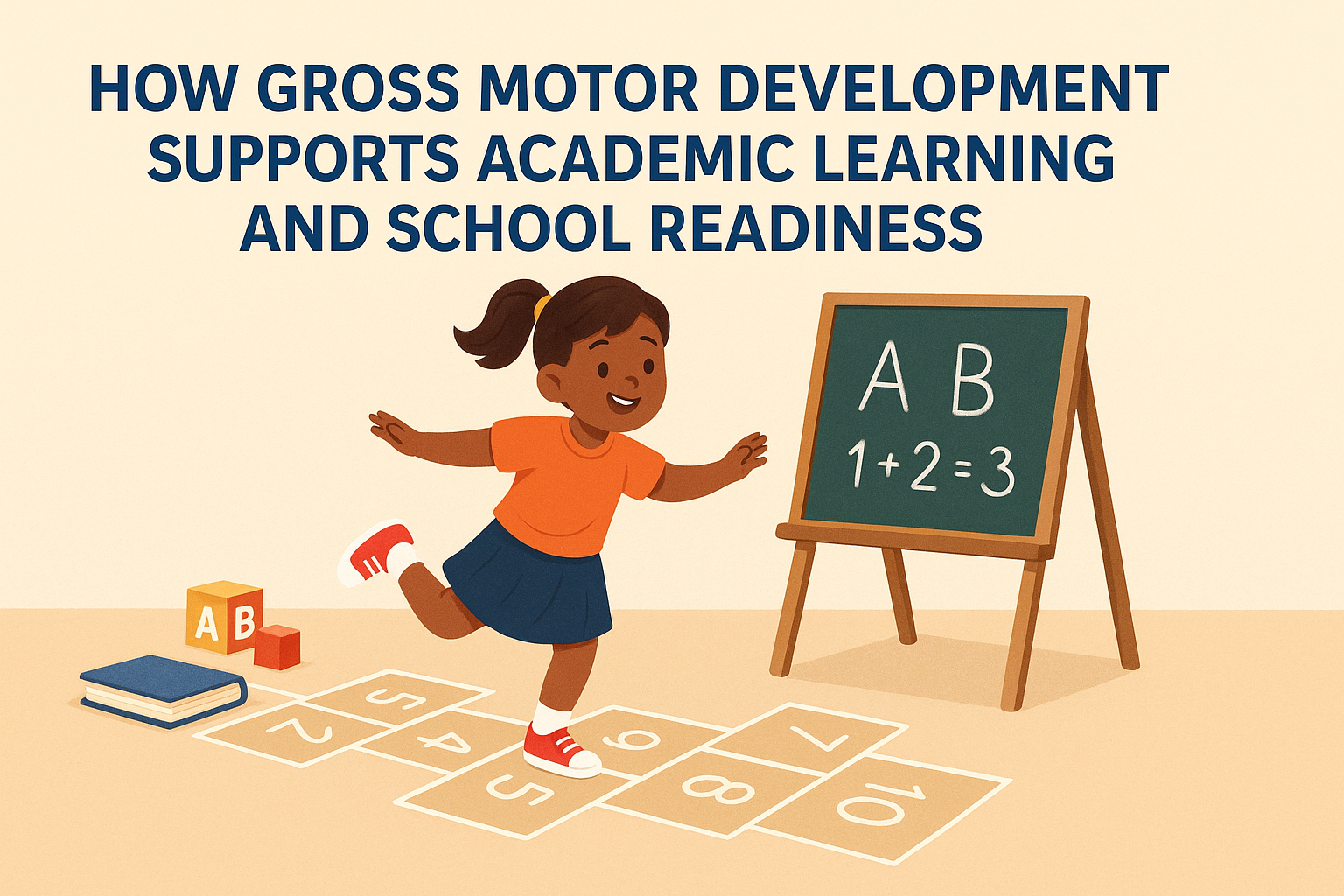
- Incorporate Movement into Learning: Use games that require physical activity to teach academic concepts. For example, use hopscotch to practice counting or have children jump to different letters of the alphabet.
- Promote Structured Activities: Enroll children in sports or dance classes, which not only develop gross motor skills but also foster teamwork and discipline.
- Limit Screen Time: Reducing the time children spend on screens encourages them to engage in more physical play, which is vital for gross motor skill development.
- Model Active Behavior: Children learn by watching adults. Engaging in physical activities yourself sets a positive example for children to follow.
The Role of Educators in Supporting Gross Motor Development
Educators play a pivotal role in nurturing gross motor development in the classroom setting. Creating an environment that encourages movement is essential for young learners. Here are some strategies educators can implement:
- Design Movement-Friendly Classrooms: Arrange classroom layouts that allow for movement. Include open spaces for activities and flexible seating arrangements that promote active learning.
- Integrate Movement into the Curriculum: Incorporate physical activities into lessons, such as using movement-based games to reinforce math skills or reading comprehension.
- Facilitate Outdoor Learning: Utilize playgrounds, fields, or even the schoolyard for lessons, providing students with the chance to move and learn simultaneously.
- Recognize Individual Needs: Be aware that not all children develop gross motor skills at the same rate. Providing tailored support for those who may struggle is crucial for their confidence and growth.
Current Trends and Research in Gross Motor Development
The growing body of research increasingly emphasizes the link between physical activity and academic success, leading to a shift in how schools approach physical education. Recent trends have shown that educational institutions are beginning to integrate more movement-based learning opportunities, recognizing the benefits for both cognitive and emotional development. (See: WHO on physical activity benefits.)
Furthermore, health organizations and educational authorities are advocating for policies that promote physical activity among children. For instance, the Centers for Disease Control and Prevention (CDC) recommends that children engage in at least 60 minutes of physical activity each day. By prioritizing gross motor development, schools and parents can foster better academic performance, social skills, and emotional health in children.
Common Challenges in Gross Motor Development
Despite the clear benefits of gross motor development, several challenges may hinder a child’s progress. Awareness of these challenges can help parents and educators create effective strategies to overcome them. Some common obstacles include:
- Lack of Opportunities: In urban environments, limited access to safe outdoor spaces can restrict children’s physical activity. Parents and educators should seek creative solutions, such as community programs or indoor play spaces, to ensure children have opportunities to move.
- Excessive Screen Time: With the rise of digital devices, children may be spending more time on screens than engaging in physical play. Setting strict limits on screen time can encourage more active play and help develop gross motor skills.
- Physical Limitations: Some children may have physical disabilities or developmental delays that affect their gross motor skills. Tailored interventions from physical therapists or occupational therapists can provide targeted support to help these children develop their skills effectively.
- Parental Attitudes: Parents who prioritize academic achievement over physical activity may unintentionally discourage their children from engaging in play. Educating parents on the importance of gross motor skills can help shift their focus toward a balanced approach to development.
Promoting Gross Motor Development Through Play
Play is often considered the best teacher for children, and it is especially true for gross motor development. Through play, children can engage their bodies and minds in ways that support their growth. Here are some effective play-based activities that foster gross motor skills:
- Obstacle Courses: Set up an obstacle course in the backyard or a spacious room. Use items like cushions, ropes, and boxes for children to climb over, crawl under, and navigate around.
- Ball Games: Playing catch, kicking a soccer ball, or tossing a frisbee helps develop coordination, balance, and strength. These activities can be easily adapted for varying skill levels.
- Dance Parties: Turn on some music and encourage children to dance freely. This not only develops gross motor skills but also promotes creativity and self-expression.
- Animal Movements: Engage children in activities that mimic animal movements, such as hopping like a frog, crawling like a bear, or slithering like a snake. These fun movements help improve strength and coordination.
FAQ About Gross Motor Development
What age does gross motor development begin?
Gross motor development begins in infancy, with milestones such as lifting the head, rolling over, and eventually walking occurring within the first year.
How can I assess my child’s gross motor skills?
You can assess gross motor skills by observing your child’s ability to perform activities like running, jumping, climbing, and throwing. If you’re concerned about their development, consult a pediatrician or a child development specialist for a professional evaluation.
Are there specific activities to enhance gross motor skills?
Yes! Activities like climbing, jumping, running, biking, and playing sports are all excellent ways to enhance gross motor skills. Creative play, such as building forts or navigating obstacle courses, also promotes physical development.
How do gross motor skills relate to fine motor skills?
Gross motor skills and fine motor skills are interconnected. For instance, activities that require coordination and balance (gross motor) often set the stage for more precise movements like writing or using scissors (fine motor).
What if my child is behind in gross motor development?
If you feel your child is behind, it’s important to consult with a pediatrician or an occupational therapist who specializes in child development. They can provide targeted activities and interventions to support your child’s progress. There’s a fuller look at top gross motor apps.
A Final Thought on Gross Motor Development
In an age where screen time dominates and sedentary lifestyles are on the rise, understanding the importance of gross motor development has never been more critical. It’s not just about physical fitness; it’s about laying a strong foundation for a child’s academic journey and emotional well-being. By actively supporting this facet of development through play, structured activities, and a movement-friendly environment, we can prepare our children not only for school but for lifelong success.
“`
Trending Now
Frequently Asked Questions
How does gross motor development affect academic learning?
Gross motor development plays a crucial role in academic learning by enhancing cognitive functions such as attention, problem-solving, and memory. Children who engage in regular physical activities tend to perform better academically due to improved focus and mental agility.
What are some examples of gross motor skills?
Gross motor skills include significant movements that require the use of large muscles, such as running, jumping, climbing, throwing, and balancing. These skills begin to develop in infancy and are essential for physical health and overall development.
Why is gross motor development important for school readiness?
Gross motor development is vital for school readiness as it supports children's physical health, social skills, and cognitive abilities. Children with well-developed gross motor skills are often more confident and better able to engage in classroom activities and peer interactions.
How can parents support gross motor development in children?
Parents can support gross motor development by providing opportunities for physical play, such as outdoor activities, sports, and games that encourage running, jumping, and climbing. Ensuring a safe environment and encouraging active playtime is key to developing these essential skills.
What are the milestones of gross motor development in early childhood?
Gross motor development milestones typically include lifting the head, rolling over, sitting up, crawling, walking, and running. These milestones are generally achieved in a predictable sequence and are influenced by various factors, including genetics and opportunities for physical activity.
Agree or disagree? Drop a comment and tell us what you think.






