
“`html
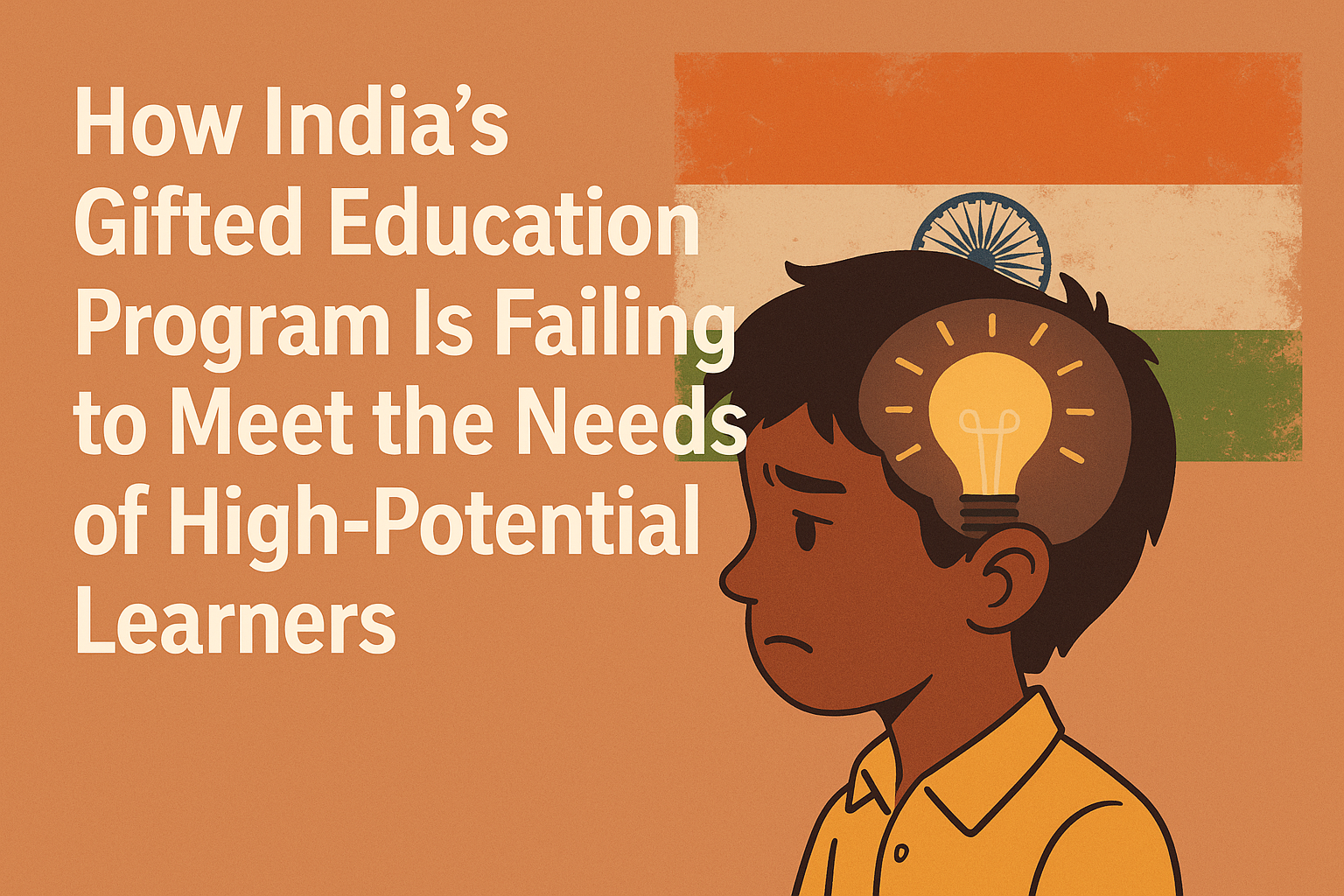
The landscape of gifted education in India is evolving, yet it faces significant challenges that impede its effectiveness. A recent study sheds light on the disconnect between robust cultural support for gifted learners and the glaring gaps in economic and infrastructural resources. This mismatch has profound implications for students, particularly for girls, those in rural areas, and learners from non-English-medium schools. In this article, we delve deeper into the issues and potential solutions surrounding gifted education in India, drawing from the findings of the study.
The Cultural vs. Economic Divide
India presents a paradox when it comes to gifted education. On one hand, there exists a vibrant culture that values academic excellence and intellectual achievement, often fueled by family expectations and societal norms. On the other hand, there is a critical lack of economic support and infrastructure needed to cultivate and nurture high-potential learners effectively. The study highlights that despite the presence of strong cultural backing, many gifted students are stifled by financial limitations, inadequate facilities, and insufficient access to quality educational resources.
This economic disparity is particularly pronounced for disadvantaged groups, including girls and students from rural backgrounds. The barriers they face are not merely logistical; they are entrenched in systemic inequalities that perpetuate a cycle of educational disadvantage. For instance, rural schools often lack the necessary tools and trained educators to support gifted education effectively, leaving high-potential students without the appropriate stimulation and encouragement.
The Impact of Exam Pressure and Digital Distraction
One of the pressing issues highlighted in the research is the impact of exam-related pressure on gifted learners. Students in India often find themselves in an intense competitive environment, where academic performance is perceived as the primary measure of success. This environment can lead to stress, anxiety, and a detrimental focus on rote learning rather than critical thinking and creativity.
Moreover, the rise of digital technology has introduced an additional layer of distraction. While the internet can be a powerful tool for learning, excessive screen time can hinder students’ ability to concentrate and engage deeply with their studies. The study calls for a more balanced approach to technology use in education that promotes responsible digital habits, allowing gifted students to harness the benefits of technology without succumbing to its distractions.
The Role of Mental Health in Gifted Education
Mental health is a crucial aspect often overlooked in discussions about gifted education in India. The pressures faced by high-achieving students can lead to significant mental health challenges, including anxiety, depression, and burnout. The study emphasizes the need for educational policies and practices that prioritize mental well-being alongside academic achievement.
Creating supportive environments where students can discuss their mental health challenges openly is essential. Schools need to implement programs that not only recognize and nurture academic talent but also provide mental health resources, counseling services, and stress management techniques. Initiatives such as yoga and pranayama, which promote mindfulness and relaxation, can be particularly beneficial in helping students manage anxiety and maintain a healthy balance in their academic pursuits.
The Importance of Mentorship and Community Support
In the context of gifted education in India, mentorship plays a pivotal role. The study underscores the value of established mentoring traditions in Indian society, where experienced individuals guide and nurture the potential of gifted learners. However, there is a need for structured mentorship programs that facilitate these relationships more formally. (See: Challenges in education for girls in India.)
By connecting students with mentors in their field of interest, schools can help them navigate their academic journeys more effectively. Mentorship can provide not only academic guidance but also emotional support, encouragement, and real-world perspectives that enrich students’ learning experiences. Furthermore, involving families in the educational process helps align expectations, respect cultural values, and create a more holistic support system for gifted learners.
National Education Policy 2020: A Path Forward
The National Education Policy (NEP) 2020 serves as a significant policy lever in reshaping gifted education in India. It advocates for a more inclusive and flexible educational framework that recognizes the diverse needs of learners. The NEP envisions a system that emphasizes holistic development, critical thinking, and creativity, aligning well with the demands of gifted education.
However, for the NEP to be fully effective, it is essential to implement practical strategies that translate its vision into actionable change. This includes expanding access to gifted education programs, particularly for marginalized communities, and ensuring that training for educators focuses on identifying and nurturing giftedness in all its forms.
Recommendations for Strengthening Gifted Education
To bolster the effectiveness of gifted education in India, several actionable recommendations emerge from the study’s findings:
- Expand Mentorship Opportunities: Schools should establish structured mentorship programs that connect students with experienced mentors in their fields of interest.
- Integrate Mental Health Support: Educational institutions need to prioritize mental health by offering counseling services and programs that promote well-being.
- Promote Responsible Digital Habits: Schools should educate students about the healthy use of technology to minimize distractions and enhance learning.
- Encourage Holistic Learning Experiences: Education should focus on activities that develop creativity, critical thinking, and problem-solving skills beyond traditional academics.
- Utilize the NEP 2020 Framework: Implement the recommendations of the National Education Policy 2020 to create inclusive and adaptable education systems.
- Community Engagement: Engage families and communities in the educational process to align values and expectations.
Gifted Education Models Around the World
To understand and improve gifted education in India, it can be insightful to look at successful models from other countries. For instance, in the United States, specialized schools and programs are designed to cater to gifted learners, providing tailored curricula that challenge their potential. These programs often include advanced placement courses, gifted magnet schools, and extracurricular activities focused on science, technology, engineering, arts, and mathematics (STEAM).
Similarly, countries like Finland emphasize individualized instruction and flexible educational approaches to serve gifted students effectively. Their education system prioritizes the well-being of students alongside academic success, ensuring that all learners, including gifted ones, receive the support they need to thrive.
In contrast, Singapore’s education system emphasizes rigorous curriculum tracks for academically gifted students, allowing them to excel in a competitive environment while also incorporating life skills and emotional intelligence development into their education.
By studying these international examples, Indian policymakers and educators can glean valuable insights on implementing effective strategies that cater to the needs of gifted students, tailoring them to fit local cultural contexts and educational infrastructure.
Statistics and Research on Gifted Education in India
Current statistics reveal significant disparities in gifted education across various demographics in India. According to a report by the National Council of Educational Research and Training (NCERT), only about 2% of government schools in India have dedicated programs for gifted students. In contrast, private institutions are more likely to offer enrichment programs, indicating a considerable gap in access based on economic status.
Moreover, a survey conducted by the Gifted Education Research and Resource Institute found that parents of gifted children in urban areas have higher awareness and access to resources compared to those in rural regions. This suggests that geographic and socio-economic factors play a crucial role in the availability and effectiveness of gifted education. (See: Economic disparities in Indian education.)
Furthermore, research indicates that girls in gifted programs tend to drop out at higher rates than boys, often due to societal pressures and expectations. Addressing these disparities is critical to ensuring that all gifted children, regardless of gender or background, receive the educational support they deserve.
Expert Perspectives on Gifted Education
Experts in the field of education emphasize that simply identifying gifted students is not enough; the focus must shift toward creating sustainable systems that nurture their talents. Dr. Rajesh Kumar, an educational psychologist, states, “Gifted education in India needs a radical transformation that prioritizes equity and accessibility. We should be focusing not just on IQ but on fostering diverse talents in various domains.”
Furthermore, Dr. Meera Nair, a renowned educator and author, suggests that incorporating social-emotional learning into the gifted education framework can help in mitigating some of the pressures faced by these students, thereby enhancing their overall learning experience. She advocates for “a holistic approach that nurtures not just the minds but the hearts of gifted learners.”
Frequently Asked Questions (FAQ)
What defines gifted education in India?
Gifted education in India refers to specialized educational programs and practices aimed at meeting the unique needs of gifted and talented students. These programs often focus on acceleration, enrichment, and fostering creativity and critical thinking skills.
How can parents identify giftedness in their children?
Parents can look for signs of giftedness in various ways, including advanced problem-solving abilities, exceptional verbal skills, or intense curiosity. Standardized testing and assessments by educational professionals can also help in identifying gifted traits.
What are some common challenges faced by gifted students in India?
Gifted students in India often face challenges such as immense academic pressure, lack of appropriate resources, mental health issues, and limited access to mentorship and enrichment programs. Additionally, socio-economic disparities can further complicate their educational journey.
How can schools support gifted students more effectively?
Schools can support gifted students by implementing differentiated instruction, offering mentorship programs, and fostering an inclusive environment that values diverse talents. Professional development for teachers on gifted education is also crucial.
What role do extracurricular activities play in gifted education?
Extracurricular activities are vital for gifted education, providing students with opportunities to explore their interests beyond the academic curriculum. These activities can help develop skills in leadership, teamwork, and creativity, which are essential for holistic development.
How can technology be harnessed for gifted education?
Technology can serve as a powerful tool for enhancing gifted education by providing access to online resources, virtual mentorship, and collaborative projects. Utilizing platforms that promote creative expression and critical thinking can help gifted learners engage more deeply with their interests and talents.
Are there any government initiatives for gifted education in India?
Yes, the Indian government has initiated several programs aimed at identifying and nurturing gifted students. This includes scholarships, specialized schools, and partnerships with NGOs to enhance access to resources and training for educators. However, the implementation and reach of these initiatives vary widely across regions.
What is the significance of international collaboration in gifted education?
International collaboration can play a pivotal role in advancing gifted education by allowing countries to share best practices, resources, and research findings. Such partnerships can foster innovation in educational methods and curriculum development tailored to meet the diverse needs of gifted learners in different cultural contexts.
Conclusion: Bridging the Gap
The future of gifted education in India hinges on bridging the gaps between cultural expectations and economic realities. Addressing the challenges faced by high-potential learners is not merely a matter of policy; it is a societal imperative. By fostering robust support systems, enhancing mental health resources, and nurturing a culture of mentorship, India can cultivate the talents of its gifted students more effectively.
Ultimately, realizing the potential of gifted learners will require collective action from parents, educators, policymakers, and the community at large. Together, they can create a more equitable and supportive educational environment that empowers all students to thrive and succeed.
“`
Trending Now
- this guide on unlocking success: 7 essential emotional intelligence skills every high school student needs before college
- this guide on unlocking the secrets to emotional intelligence in preschoolers: a parent’s essential guide
- the complete explanation
- 7 Engaging Emotional Intelligence Activities for Kindergarten That Transform Classrooms
Frequently Asked Questions
Why is India's gifted education program failing?
India's gifted education program is struggling due to a significant disconnect between cultural support for gifted learners and a lack of necessary economic and infrastructural resources. This results in many high-potential students, particularly girls and those from rural areas, lacking access to quality education and adequate facilities.
What challenges do gifted learners face in India?
Gifted learners in India face numerous challenges, including financial limitations, inadequate facilities, and systemic inequalities. These issues are particularly pronounced for disadvantaged groups, who often lack access to trained educators and necessary educational tools, hindering their potential.
How does exam pressure affect gifted students in India?
Exam pressure significantly impacts gifted students in India, creating a highly competitive environment that can stifle their intellectual growth. The intense focus on academic performance often detracts from their ability to explore their interests and talents fully.
What role does culture play in gifted education in India?
Culture plays a dual role in India's gifted education. While there is a strong cultural emphasis on academic excellence and achievement, this is undermined by economic disparities and lack of resources, which prevent many gifted learners from receiving the support they need.
Are girls disadvantaged in India's gifted education system?
Yes, girls are particularly disadvantaged in India's gifted education system. Economic and systemic inequalities often limit their access to quality education and support, exacerbating the challenges they face compared to their male counterparts.
What’s your take on this? Share your thoughts in the comments below — we read every one.