

“`html
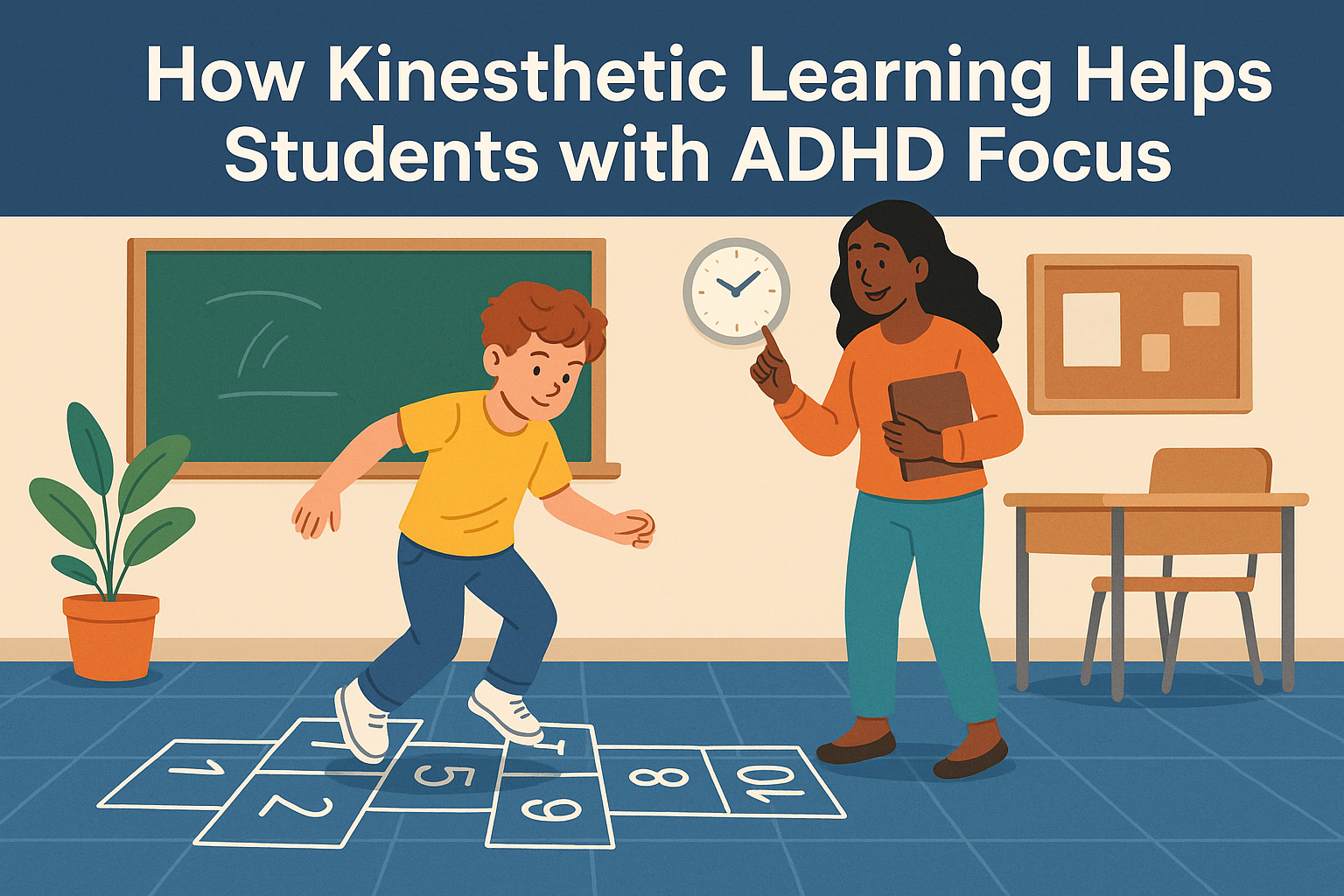
The educational landscape is shifting, especially when it comes to understanding the diverse needs of students. One significant area of focus is how kinesthetic learning can help students with ADHD (Attention-Deficit/Hyperactivity Disorder) improve their focus and engagement in academic settings. Unlike traditional learning styles that often lean heavily on auditory and visual methods, kinesthetic learning emphasizes the importance of movement and hands-on activities. In this article, we will explore how kinesthetic learning helps students with ADHD focus, providing insights into the practical applications, benefits, and current relevance of this approach.
Understanding Kinesthetic Learning
Kinesthetic learning, often referred to as tactile learning, is an educational approach that integrates physical activity into the learning process. It posits that students learn best when they can engage their bodies alongside their minds. This can include activities such as role-playing, building models, conducting experiments, or even simple gestures to aid memory retention.
Research indicates that approximately 15% to 20% of the population are kinesthetic learners. For these students, traditional methods like lectures or reading assignments may not suffice. Instead, they thrive in environments where they can physically participate in their learning. This is particularly relevant for students with ADHD, who typically struggle with attention regulation, impulse control, and hyperactivity.
The ADHD Learning Challenge
Students with ADHD face unique challenges in the classroom. They often find it hard to focus on tasks for extended periods, which may lead to frustration, decreased motivation, and poor academic performance. The symptoms of ADHD can manifest differently for each student, but common characteristics include:
- Inattention and difficulty sustaining focus on tasks.
- Impulsivity that can lead to disruptive behavior.
- Hyperactivity that makes sitting still for long periods nearly impossible.
These obstacles can create a cycle of negative reinforcement where struggling students increasingly disengage from the learning process. Traditional educational settings that prioritize lectures and standardized tests may inadvertently alienate these learners, compounding their challenges.
How Kinesthetic Learning Supports Focus
Integrating kinesthetic learning into the educational experience can provide multiple benefits for students with ADHD. Here are several key ways in which this approach fosters better focus:
1. Engaging Multiple Senses
Kinesthetic learning inherently appeals to students’ multiple senses — sight, sound, touch, and movement. By engaging these senses, students are more likely to retain information and stay focused on tasks. For instance, a science lesson that includes experiments allows students to physically manipulate materials, thus deepening their understanding and keeping them engaged. This tactile experience can break the monotony of traditional learning, making the classroom environment more stimulating.
2. Enhancing Motor Skills
Physical involvement in learning activities helps enhance motor skills, which can be particularly beneficial for students with ADHD. Activities that involve movement not only keep students engaged but also help them develop coordination and physical literacy. For example, incorporating games that require movement to answer questions or participate in discussions can build a fun and interactive learning environment.
3. Reducing Stress and Anxiety
Students with ADHD frequently experience anxiety related to academic tasks. Kinesthetic learning offers an outlet for energy and anxiety through movement, thus alleviating stress. By allowing students to engage physically, the pressure of sitting still and quietly can be lifted. This reduction in stress can lead to improved focus and less disruptive behavior, creating a more conducive learning environment. (See: CDC ADHD guidelines.)
4. Building Motivation and Interest
Interested students are engaged students. Kinesthetic learning has the potential to make lessons more appealing by incorporating hands-on activities that spark curiosity. When students are actively participating and enjoying the learning process, their intrinsic motivation increases. This is especially true for students with ADHD, who may often struggle with motivation. For instance, a math lesson that involves measuring ingredients for a recipe can turn an abstract concept into a tangible task that excites students.
Strategies for Implementing Kinesthetic Learning
To effectively implement kinesthetic learning strategies in classrooms, educators can adopt several practical approaches. Here are a few ideas that can make a real difference:
1. Movement Breaks
Short movement breaks can be integrated into the daily schedule. For instance, teachers can encourage students to stand up, stretch, or even take a short walk around the classroom after a 20 to 30-minute lesson. These breaks can help refocus attention and re-energize students, enabling them to return to their work with renewed vigor.
2. Hands-On Activities and Projects
Incorporating hands-on activities into the curriculum helps reinforce concepts through physical involvement. For example, science experiments, art projects, and role-playing exercises can make learning more interactive. By transforming lessons into activities that require participation, teachers allow students to explore and understand their subjects more deeply.
3. Flexible Seating Arrangements
Flexible seating arrangements, like standing desks, wobble stools, or bean bags, can cater to kinesthetic learners. Allowing students the option to choose how they sit or stand while they work can lead to increased comfort and concentration. In addition, such arrangements can facilitate movement, encouraging students to shift positions as needed. There’s a fuller look at the science of kinesthetic learning.
4. Integrating Technology
Technology can also play a significant role in promoting kinesthetic learning. Interactive apps and educational games can provide students with engaging ways to learn while on the move. For instance, augmented reality applications can allow students to visualize complex concepts in a dynamic format, combining digital learning with physical interaction.
Real-Life Examples of Kinesthetic Learning in Action
Success stories abound in schools that have embraced kinesthetic learning strategies. A notable example is the use of outdoor classrooms, where students learn about biology and ecology in a natural setting. This real-world context leads to deeper understanding and retention of knowledge.
Another illustrative case comes from a middle school in Chicago that implemented a kinesthetic approach in its science curriculum. Teachers introduced a hands-on gardening project where students planted and cared for plants. This not only taught them about biology but also instilled a sense of responsibility and teamwork. The students exhibited improved attention and engagement during lessons, demonstrating how movement and hands-on experiences can lead to better focus.
Current Relevance and Future Directions
As educational institutions increasingly recognize the importance of accommodating varied learning styles, the relevance of kinesthetic learning continues to grow. With the rise of personalized learning and inclusive education, there’s a compelling need to advocate for methods that support the diverse needs of all students, especially those with ADHD.
Future trends may include the incorporation of more adaptive learning technologies that respond to students’ needs in real-time. Virtual reality (VR) and gamification could also provide avenues for experiential learning that resonate with kinesthetic learners. These technologies hold the promise of creating immersive environments where students can learn through doing, thus fostering engagement and concentration. (See: NIH ADHD treatment resources.)
The Role of Educators in Kinesthetic Learning
Teachers play a pivotal role in facilitating kinesthetic learning experiences. By being aware of the unique needs of their students, educators can create tailored lesson plans that emphasize movement and engagement. Professional development opportunities focusing on active learning strategies can equip teachers with the tools they need to implement these methods effectively.
Collaboration among educators is also essential. Sharing successful kinesthetic learning activities and strategies can create a reservoir of resources that all teachers can benefit from. Additionally, seeking input from special education professionals can provide insights into how to best support students with ADHD through kinesthetic learning.
Statistics and Research Supporting Kinesthetic Learning
Several studies underline the effectiveness of kinesthetic learning, particularly for students with ADHD. According to a 2017 study published in the journal “Educational Psychology,” students who engaged in kinesthetic activities showed a significant increase in attention span and overall academic performance compared to those who followed traditional learning methods.
Another research effort from the University of Illinois found that students who participated in physical activity during school hours had a 20% increase in attention compared to their less active peers. These findings suggest that schools should consider incorporating regular movement into their curriculums to maximize student potential and enhance learning outcomes.
Frequently Asked Questions About Kinesthetic Learning and ADHD
1. What are some examples of kinesthetic learning activities for students with ADHD?
Examples include interactive science experiments, role-playing historical events, using building blocks to demonstrate math concepts, or engaging in physical games that incorporate learning objectives.
2. How can parents support kinesthetic learning at home?
Parents can create an enriching environment by incorporating hands-on activities, such as cooking together to teach math, setting up science experiments, or encouraging outdoor play that involves physical challenges and problem-solving.
3. Are there specific subjects where kinesthetic learning is especially beneficial?
Kinesthetic learning is especially beneficial in subjects like science, math, and physical education. Subjects that lend themselves to movement and hands-on activities, such as art and music, can also leverage kinesthetic principles effectively.
4. What if my child prefers visual or auditory learning styles?
While your child may have a primary learning style, incorporating kinesthetic activities can enhance their overall learning experience. Many students benefit from a multi-sensory learning approach that combines elements from all styles.
5. Can kinesthetic learning be used in standardized testing preparation?
Absolutely! Integrating movement and kinesthetic elements into test prep can make the process less daunting and more engaging. For example, using flashcards in a game format where students must move to different stations can help reinforce learning in a fun way.
Additional Insights on Kinesthetic Learning and ADHD
It’s worth noting that kinesthetic learning isn’t just beneficial for students with ADHD; it can enhance the learning experiences of all students. Research shows that when movement is integrated into learning, retention rates can improve significantly. The Brain Gym program, for instance, emphasizes movement-based activities that can lead to enhanced cognitive function and learning capacity across various subjects.
Additionally, studies have indicated that when students engage in physical activities before taking tests, their performance often improves. This can be particularly crucial for students with ADHD, struggling with anxiety or stress surrounding testing scenarios. Simple activities such as stretching or light exercises can prepare their minds for better focus.
Creating a Kinesthetic Learning-Friendly Environment
Creating a classroom environment conducive to kinesthetic learning involves more than just implementing activities. It requires a cultural shift where movement is normalized and seen as an integral part of the learning process. Teachers can display posters encouraging movement, create designated areas for active learning, and utilize resources like yoga balls or balance boards that allow students to move while they learn. Such changes can drastically alter how students interact with their environment, leading to improved focus and productivity.
Incorporating Kinesthetic Learning into Daily Routines
To make kinesthetic learning a part of everyday life, educators and parents can encourage students to participate in activities that blend learning with movement. Incorporating educational walks, where students discuss concepts while moving through the school grounds or neighborhood, can be highly effective. Setting up scavenger hunts or treasure hunts that require students to seek out information while moving can also reinforce their learning experiences in a fun and engaging way.
Conclusion: Creating Inclusive Learning Environments
Kinesthetic learning offers a vital avenue for supporting students with ADHD in their educational journeys. By engaging them in hands-on activities, reducing stress, and enhancing motivation, educators can help these students focus and thrive. As we move toward more inclusive education systems, understanding and implementing kinesthetic learning strategies will be crucial. Ultimately, creating environments that respect and nurture different learning styles not only benefits students with ADHD but enriches the educational experience for every learner.
“`
Trending Now
Frequently Asked Questions
How does kinesthetic learning help students with ADHD?
Kinesthetic learning helps students with ADHD by incorporating movement and hands-on activities into the learning process. This approach aligns with their need for physical engagement, which can enhance focus, reduce impulsivity, and improve overall academic performance.
What are the benefits of kinesthetic learning for ADHD students?
The benefits of kinesthetic learning for ADHD students include improved attention span, increased motivation, and better retention of information. Engaging physically with learning materials helps these students stay focused and actively participate in their education.
What types of activities support kinesthetic learning?
Activities that support kinesthetic learning include role-playing, building models, conducting experiments, and using gestures to aid memory. These hands-on experiences allow students to learn through movement, making the process more engaging and effective.
Why do kinesthetic learners struggle with traditional education methods?
Kinesthetic learners often struggle with traditional education methods because they rely heavily on auditory and visual instruction. For these students, passive learning environments can lead to disengagement and frustration, as they require active participation to thrive.
What challenges do students with ADHD face in the classroom?
Students with ADHD face challenges such as difficulty sustaining focus, impulsivity that can disrupt learning, and hyperactivity that makes it hard to sit still. These symptoms can hinder their academic performance and overall classroom experience.
Agree or disagree? Drop a comment and tell us what you think. This builds on top fidget toys for concentration.



