

“`html
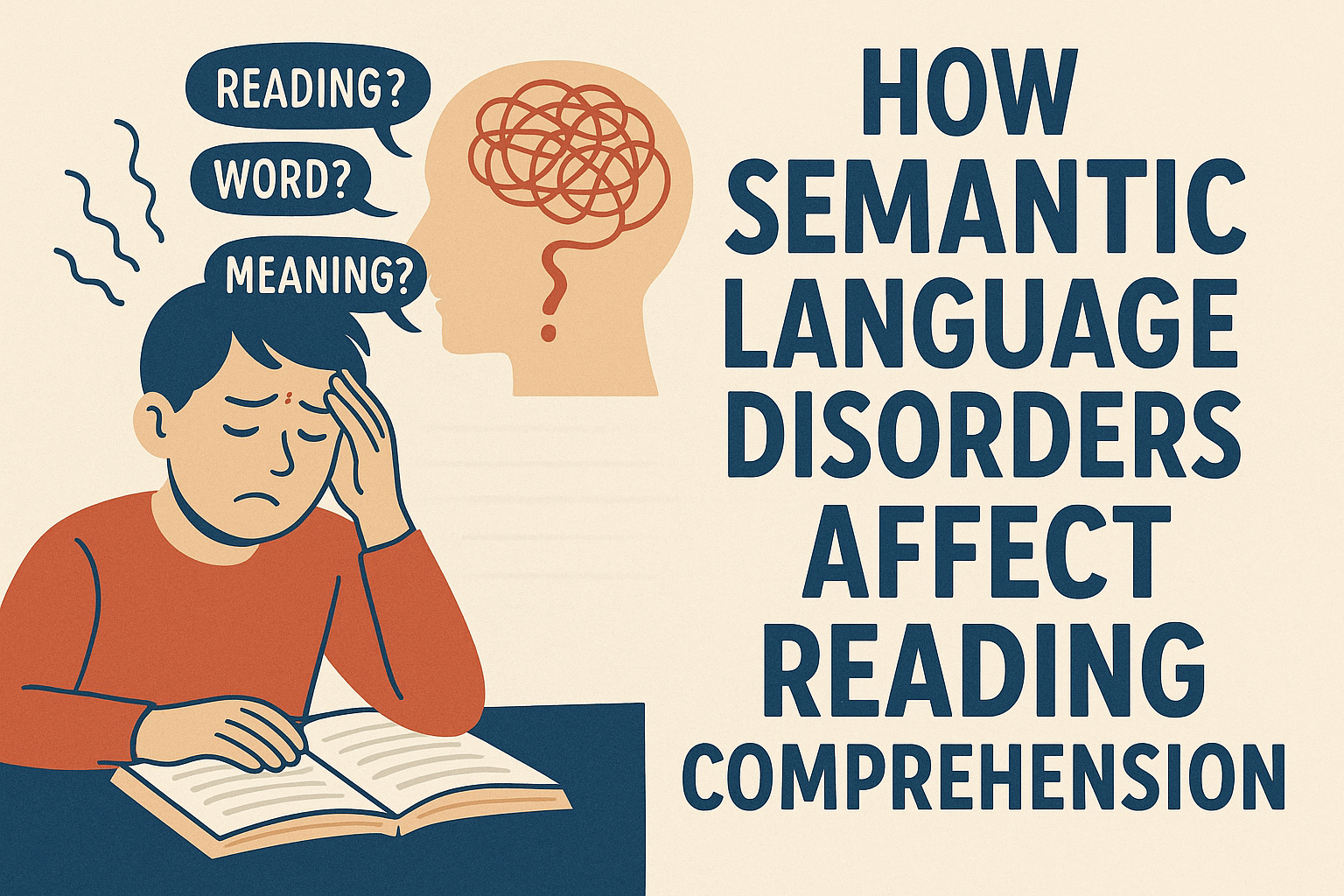
Reading comprehension is a vital skill that allows individuals to understand, interpret, and engage with written text. However, for some, this skill is significantly impaired due to various language disorders. One of the most impactful among these is semantic language disorders, a condition that can disrupt not just language production but also the ability to grasp the meanings behind the words. Understanding how semantic language disorders affect reading comprehension is crucial for educators, parents, and clinicians alike. This article explores the intricacies of semantic language disorders, their effects on reading comprehension, and strategies to support individuals facing these challenges.
Understanding Semantic Language Disorders
Semantic language disorders are characterized by difficulties in understanding and using words and sentences appropriately. These challenges can manifest in a variety of ways, including trouble defining words, understanding nuances, and grasping complex sentence structures. Unlike phonological disorders, which primarily affect the sounds of words, semantic disorders impact the meanings attached to those words. Related reading: effective strategies for reading.
The roots of semantic language disorders can vary widely. They may arise from developmental issues, neurological conditions, or social factors that inhibit language exposure. Children with these disorders often struggle to connect concepts, which can lead to difficulties in both spoken and written communication.
The Link Between Semantic Language Disorders and Reading Comprehension
To fully grasp how semantic language disorders affect reading comprehension, it’s essential to understand the cognitive processes involved in reading. Comprehension requires not only decoding words but also connecting them to form meaningful concepts. When individuals struggle with semantics, their ability to comprehend text diminishes significantly.
Research indicates that children with semantic language disorders often face challenges in several key areas when it comes to reading:
- Vocabulary Knowledge: A limited vocabulary directly impacts comprehension. If a child does not understand the meanings of words, they cannot grasp the overall message of the text.
- Inference Skills: Many texts require readers to make inferences based on what is written. Children with semantic issues might struggle to read between the lines, missing subtleties that are critical for understanding the narrative.
- Contextual Understanding: Reading involves understanding context. Children with semantic language disorders may find it difficult to interpret nuances that rely on contextual clues, affecting their overall interpretation.
Real-World Implications of Semantic Language Disorders
The effects of semantic language disorders extend beyond academic settings. Children who struggle with reading comprehension due to semantic issues may face social challenges as well. Language is a crucial component of social interaction, and those with semantic difficulties may find it hard to engage in conversations or understand social cues.
Furthermore, poor reading skills can lead to a cycle of frustration and disinterest in reading. As children struggle to keep up with their peers academically, they may develop a negative self-image related to their abilities. This can discourage them from participating in reading activities, further exacerbating their difficulties.
To illustrate, consider a third grader named Sarah. Although she is bright and enthusiastic, her semantic language disorder makes it hard for her to understand stories. When asked to read a book aloud, she stumbles over unfamiliar words and often misses the plot’s main ideas. Consequently, her classmates begin to excel in reading groups while she feels left behind, leading to withdrawal and anxiety around reading tasks.
Assessment and Identification of Semantic Language Disorders
Identifying semantic language disorders can be challenging, particularly because they often coexist with other language or learning disabilities. Comprehensive assessment is crucial for proper diagnosis and intervention. Speech-language pathologists typically utilize a combination of standardized tests, observational assessments, and parent or teacher reports to evaluate a child’s language abilities. (See: Understanding semantic language disorders.)
Key indicators of semantic language disorders include:
- Difficulty recalling word meanings or definitions
- Challenges in understanding figurative language or idioms
- Poor performance on vocabulary assessments
- Struggles with reading comprehension tasks
Once identified, it’s vital to implement targeted interventions that focus on improving vocabulary, enhancing comprehension skills, and fostering a love for reading.
Effective Strategies for Supporting Reading Comprehension
Addressing the challenges posed by semantic language disorders involves a multi-faceted approach. Here are several effective strategies that educators and parents can adopt to support children with these disorders:
- Building Vocabulary: Introduce new words in context. Use thematic units where words are integrated into discussions, reading materials, and real-life experiences. Encourage children to explore synonyms and antonyms to expand their understanding of word meanings.
- Explicit Instruction in Pragmatics: Teach students how to use language effectively in social interactions. Role-playing can help them practice understanding and using language within various contexts.
- Utilizing Visual Supports: Incorporate visual aids like graphic organizers, charts, and illustrations to help children map out their understanding of texts. Visual supports can reinforce connections between words and their meanings.
- Encouraging Active Reading: Teach strategies like summarizing, questioning, and predicting. Engaging with the text actively can help students focus on understanding rather than just decoding words.
- Fostering a Love for Reading: Create a positive reading environment at home and in the classroom. Allow children to choose their reading materials, and celebrate their reading milestones. This encouragement can help build confidence and a lifelong love of reading.
Current Research and Future Directions
Recent studies have begun to shed light on effective interventions for semantic language disorders, particularly in enhancing reading comprehension. One area of focus has been the use of technology in language learning. Apps and online programs designed to improve vocabulary and comprehension skills are gaining traction.
Additionally, researchers are exploring the role of collaboration between speech-language pathologists and classroom teachers. This partnership can create a more cohesive strategy for supporting students with semantic language disorders. By working together, educators can align curriculum goals with therapeutic interventions, ensuring that children receive consistent support in both settings.
Furthermore, ongoing research into the brain’s processing of language is paving the way for new therapeutic techniques. Understanding how semantic processing occurs can lead to innovative methods for intervention and training that are tailored to individual needs.
Challenges in Addressing Semantic Language Disorders
While there are many effective strategies to support individuals with semantic language disorders, several challenges persist. One significant hurdle is the variability in how these disorders manifest among individuals. What works for one child may not be as effective for another, making it essential for interventions to be customized.
Additionally, there is often a stigma associated with language disorders that can discourage children from seeking help. Misunderstandings about the nature of these disorders can lead to labeling, which can impact self-esteem and willingness to engage in interventions. Educators and parents play a critical role in fostering a supportive environment where children feel safe to express their challenges and seek assistance.
Expert Perspectives on Semantic Language Disorders
Experts in the field of speech-language pathology emphasize the importance of early intervention. Dr. Linda Smith, a renowned speech-language pathologist, notes, “Identifying semantic language disorders as early as possible is crucial. The sooner we can implement targeted strategies, the better the outcomes for children in terms of both language skills and overall academic achievement.” (See: Developmental milestones and language disorders.)
Furthermore, professionals advocate for ongoing training for teachers and caregivers to recognize the signs of semantic language disorders. Dr. James Turner, an educational psychologist, states, “Understanding these disorders is essential for educators. They need the tools to support students effectively, which includes training in specialized teaching techniques and awareness of the emotional aspects of language disorders.”
Common Misconceptions about Semantic Language Disorders
There are several misconceptions surrounding semantic language disorders that can hinder effective support for affected individuals. Here are some of the most common misconceptions:
- Misconception 1: Semantic language disorders only affect children.
- Misconception 2: Children with semantic language disorders are just not trying hard enough.
- Misconception 3: Semantic language disorders are the same as speech disorders.
While these disorders are often diagnosed in childhood, they can persist into adolescence and adulthood. Many adults with undiagnosed semantic language disorders struggle with communication in both personal and professional settings.
This misconception fails to recognize that semantic disorders are rooted in cognitive processing challenges. Individuals often want to understand and communicate effectively but require specialized support to do so.
While there can be some overlap, semantic language disorders primarily affect meaning and comprehension, whereas speech disorders focus on the mechanics of producing sounds.
FAQs about Semantic Language Disorders
What are the signs of semantic language disorders?
Signs include difficulty understanding word meanings, issues with following directions, challenges with interpreting figurative language, and poor reading comprehension. Observing how a child interacts in conversation can also provide insights into their semantic understanding.
How are semantic language disorders treated?
Treatment typically involves speech and language therapy that focuses on vocabulary building, comprehension strategies, and social communication skills. Individualized education plans (IEPs) may also be developed to tailor educational strategies to the child’s specific needs.
Can semantic language disorders be outgrown?
While some children may show significant improvement as they develop and receive targeted support, others may continue to experience challenges into adulthood. Early intervention is key to improving long-term outcomes.
Are there any resources available for parents or educators?
Yes, many organizations provide resources, including the American Speech-Language-Hearing Association (ASHA) and the National Center for Learning Disabilities (NCLD). These organizations offer guidance on understanding language disorders and practical strategies for support.
Understanding the Long-Term Effects of Semantic Language Disorders
It’s important to consider the lasting impact of semantic language disorders on individuals beyond their early years. Research shows that children with untreated semantic disorders may experience ongoing difficulties in academic settings, social interactions, and career opportunities. A longitudinal study published in the “Journal of Speech, Language, and Hearing Research” found that children with semantic deficits were at a higher risk for underachievement in school and later in professional life. For instance, they may struggle with job interviews, engage in misunderstandings in the workplace, or fail to express their ideas clearly, hindering career advancement.
Additional Support Strategies at Home and in School
Beyond instructional strategies, creating a supportive environment at home can also significantly aid children with semantic language disorders. Parents can foster language development by engaging their children in discussions about books, asking open-ended questions, and encouraging storytelling. In schools, teachers can incorporate more collaborative learning experiences, where students work together on reading tasks, allowing peer support and modeling of appropriate language use. Such environments can enhance understanding and provide additional opportunities to practice language skills in a social context. Watchthistv's programs offers useful background here.
Advocating for Policy Changes to Support Affected Individuals
As awareness of semantic language disorders grows, there is a pressing need for policies that support early diagnosis and intervention. Advocacy groups can play an important role in pushing for educational reforms that ensure comprehensive screenings for language disorders in schools. These policies can facilitate better resource allocation for speech-language pathology services, ensuring that every child has access to the support they need. It’s essential for parents, educators, and professionals to voice the necessity of these changes, as they can create a positive ripple effect in the lives of those affected.
Conclusion: A Call for Awareness and Action
Semantic language disorders pose significant challenges for reading comprehension, affecting not just academic performance but also social interactions and self-esteem. By recognizing the signs and implementing effective strategies, educators, parents, and clinicians can make a meaningful difference in the lives of affected individuals.
Awareness is key. The more we understand semantic language disorders, the better equipped we are to support those facing these challenges. Whether through targeted interventions, collaborative efforts, or simply fostering a love for reading, there are many ways to empower individuals to overcome the obstacles that semantic language disorders present. As we continue to advance our knowledge and tools, we can pave the way for more inclusive and supportive educational environments for all children.
“`
Trending Now
Frequently Asked Questions
What are semantic language disorders?
Semantic language disorders are characterized by difficulties in understanding and using words and sentences appropriately. Individuals may struggle with defining words, understanding nuances, and grasping complex sentence structures, which significantly impacts their communication skills.
How do semantic language disorders affect reading comprehension?
Semantic language disorders hinder the ability to connect words to their meanings, making it challenging for individuals to decode text and form meaningful concepts. This disruption in understanding can lead to significant difficulties in reading comprehension.
What causes semantic language disorders?
The causes of semantic language disorders can vary widely, including developmental issues, neurological conditions, and social factors that limit language exposure. These factors can inhibit a child's ability to connect concepts, affecting both spoken and written communication.
What are the signs of semantic language disorders?
Signs of semantic language disorders include difficulty defining words, trouble understanding nuances, and challenges with complex sentence structures. Children may also struggle to connect ideas, impacting their overall communication and comprehension skills.
How can educators support students with semantic language disorders?
Educators can support students with semantic language disorders by implementing strategies that enhance vocabulary development, provide context for word meanings, and encourage interactive reading practices. Tailoring instruction to meet individual needs is crucial for improving comprehension.
Have you experienced this yourself? We’d love to hear your story in the comments.



