
“`html
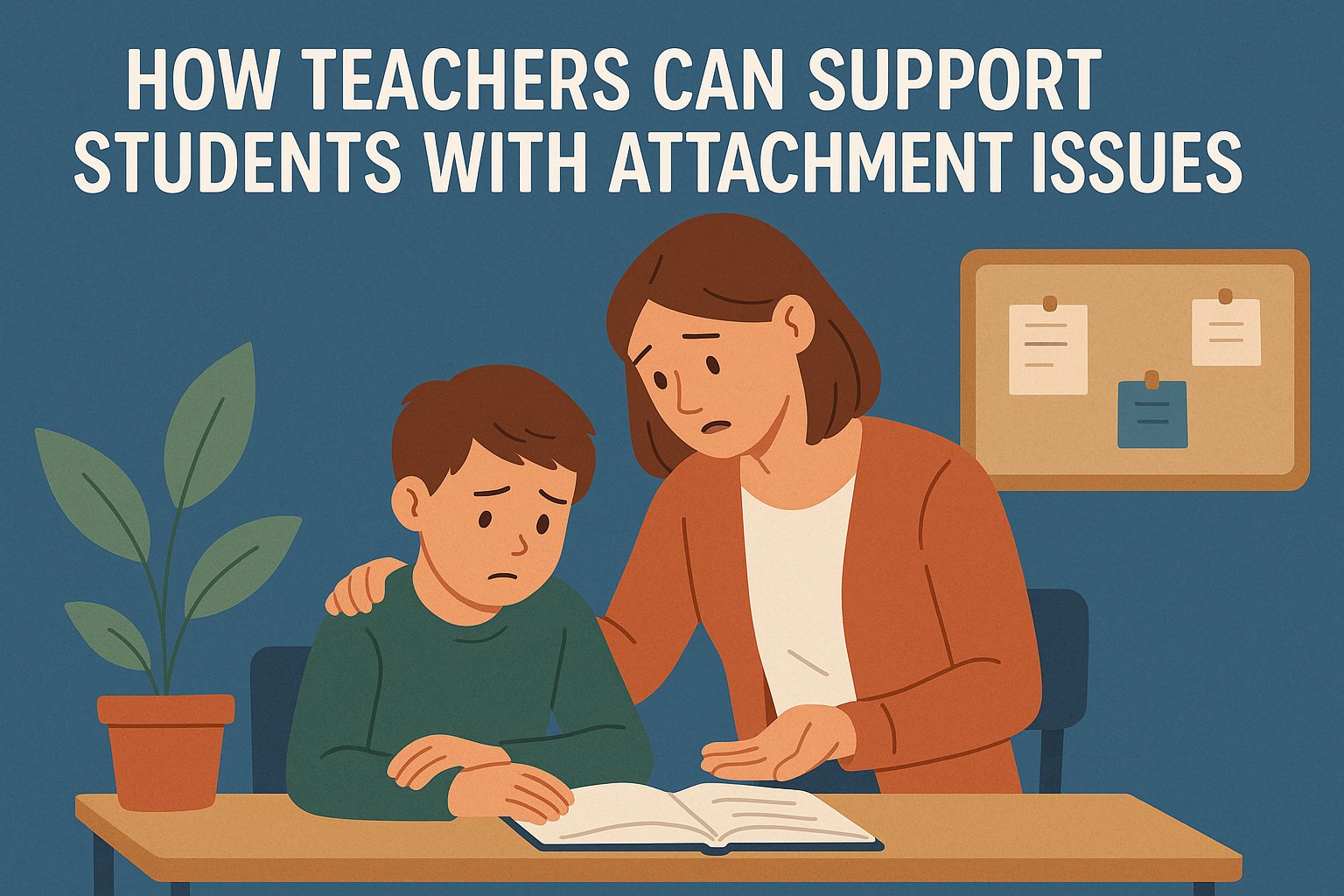
Students with attachment issues face unique challenges in the classroom. These challenges often stem from early relationships with caregivers that impact emotional regulation, social skills, and learning engagement. As educators, understanding and addressing these issues is essential for fostering a supportive environment. Here’s how you can effectively support students with attachment issues in your classroom.
Understanding Attachment Issues
Attachment theory, developed by John Bowlby and Mary Ainsworth, explains how early relationships with caregivers shape a child’s emotional and social development. Children who have formed secure attachments typically feel safe and supported, allowing them to explore their environment and develop healthy relationships. However, those with insecure or disorganized attachments may struggle with trust, anxiety, and emotional dysregulation.
For students with attachment issues, everyday classroom interactions can be overwhelming. They may exhibit behaviors such as withdrawal, tantrums, or defiance, which can be misinterpreted as disruptive or resistant. Understanding the root of these behaviors as a reflection of their attachment styles can help teachers respond more compassionately and effectively.
Recognizing the Signs
Before formulating strategies to support these students, it’s crucial to recognize the signs of attachment issues. Some common indicators include:
- Difficulty forming relationships: Students may struggle to connect with peers or adults, often keeping their distance or showing reluctance to engage.
- Emotional outbursts: These students might experience intense emotions that can lead to disruptive behavior, often as a means of seeking attention or expressing distress.
- Difficulty with authority: They may exhibit resistance to authority figures, leading to conflicts with teachers that can disrupt the learning environment.
- Low self-esteem: Many students with attachment issues lack confidence, often doubting their abilities and feeling unworthy of positive attention.
Noticing these signs can help educators tailor their approaches to individual needs, creating a more inclusive and understanding classroom atmosphere.
Creating a Safe Environment
One of the most effective ways to support students with attachment issues is to cultivate a safe and nurturing classroom environment. This requires creating predictable routines, consistent expectations, and a strong sense of community. Here’s how you can achieve this:
- Establish routines: Structuring the day with clear routines helps students feel secure. When students know what to expect, they can better manage their anxieties and focus on learning.
- Promote inclusivity: Foster a classroom culture where every student feels valued. Encourage teamwork and group activities that build peer connections, allowing students with attachment issues to practice social skills in a supportive setting.
- Be consistent: Consistency in rules and consequences helps students understand boundaries. This predictability can reduce anxiety, allowing them to feel safe in their surroundings.
By building a foundation of safety, teachers can create an environment where students with attachment issues can thrive.
Implementing Trauma-Informed Practices
Understanding the impact of trauma on learning is crucial for supporting students with attachment issues. Trauma-informed practices prioritize understanding the effects of trauma on behavior and learning and responding accordingly. Here’s how teachers can implement these practices: (See: Attachment theory overview.)
- Build relationships: Establish trusting relationships with students. Show genuine interest in their lives, listen actively, and validate their feelings. This approach helps students feel seen and understood.
- Teach emotional regulation: Help students identify and manage their emotions. Implementing strategies such as mindfulness, deep breathing exercises, or journaling can empower students to express their feelings in healthier ways.
- Provide choices: Offering choices in learning activities allows students to feel a sense of control over their education. This autonomy can significantly decrease feelings of helplessness and anxiety.
By adopting trauma-informed practices, educators can better support students with attachment issues, fostering resilience and emotional growth.
Utilizing Individualized Instruction
Recognizing that every student has unique needs is key when supporting students with attachment issues. Individualized instruction can cater to these diverse needs and promote success. Here are some strategies:
- Set achievable goals: Work with students to establish realistic, attainable goals. Celebrating small victories can boost their self-esteem and motivation.
- Provide tailored support: Consider small group or one-on-one instruction for students who may struggle in traditional settings. This personalized attention can help them gain confidence and improve their academic skills.
- Adapt teaching methods: Use varied teaching techniques to cater to different learning styles. Visual aids, hands-on activities, and collaborative projects can engage students more effectively.
By focusing on individualized instruction, teachers can meet the specific needs of students with attachment issues, enhancing their learning experience.
Incorporating Social-Emotional Learning (SEL)
Social-emotional learning (SEL) is a vital component in supporting students with attachment issues. This approach fosters emotional intelligence, social skills, and self-awareness. Here’s how you can integrate SEL into your classroom:
- Teach empathy: Encourage students to understand and respect the feelings of others. Activities like role-playing or group discussions can help students develop empathy and compassion.
- Model appropriate behavior: Exhibit positive emotional regulation and interpersonal skills in your own interactions. Students learn by observing their teachers, so demonstrating healthy coping mechanisms can have a lasting impact.
- Provide opportunities for reflection: Encourage students to reflect on their actions and emotions regularly. Journaling or sharing experiences in a safe space can help them process their feelings.
Embedding SEL in the curriculum not only supports students with attachment issues but also enriches the overall classroom atmosphere, benefiting all students.
Engaging with Families
Collaboration with families is essential when supporting students with attachment issues. Parents and caregivers hold valuable insights into their child’s behavior and history, which can guide educators in their approach. Here are ways to strengthen the home-school connection:
- Communicate regularly: Maintain open lines of communication with families. Regular check-ins can help you stay informed about any changes in the child’s home environment that might affect their behavior at school.
- Offer resources: Share resources and support services available for families dealing with attachment issues. This might include counseling services, parenting workshops, or community organizations.
- Host workshops: Organize workshops for parents on supporting children with attachment issues. This can foster a shared understanding and create a sense of community among families.
When families and educators work together, they create a cohesive support system that can significantly benefit students with attachment issues.
Implementing Peer Support Programs
Peer support can be incredibly beneficial for students with attachment issues. By fostering connections among classmates, educators can help create an environment where students feel less isolated. Here are some ways to implement peer support programs: (See: CDC on children's attachment.)
- Buddy systems: Pair students with attachment issues with empathetic peers who can provide support. These buddies can help facilitate social interactions and provide guidance during challenging situations.
- Group activities: Organize structured group activities that promote teamwork and collaboration. These can be academic projects or even extracurricular activities, allowing students to forge connections in a less pressured environment.
- Peer mentoring: Train older students or more experienced peers to serve as mentors. This mentorship can provide students with role models who demonstrate healthy relationship-building behaviors.
Peer support not only aids students with attachment issues but also encourages a culture of empathy and understanding throughout the classroom.
Tracking Progress and Adjusting Strategies
Supporting students with attachment issues is not a one-size-fits-all approach. Regularly tracking progress and adjusting strategies is vital for continued growth and support. Here’s how educators can do this:
- Monitor behavioral changes: Keep track of any changes in behavior, academic performance, or social interactions. Regular assessments can help identify what strategies are working and what needs adjustment.
- Reflect on teaching practices: Make it a habit to reflect on your teaching practices. Are they meeting the needs of all students? Being open to changing your methods based on outcomes can enhance the learning experience.
- Engage with specialists: Consult with school counselors, psychologists, or special education professionals for insights and strategies tailored to individual students’ needs.
Being attentive to each student’s progress allows for timely interventions and support, creating a better learning environment for everyone.
Frequently Asked Questions (FAQ)
What are attachment issues?
Attachment issues refer to difficulties in forming healthy emotional bonds with caregivers, which can result from negative experiences in early childhood. These issues may manifest as anxiety, trust problems, or challenges in social situations.
How can I tell if a student has attachment issues?
Signs may include difficulty forming relationships, intense emotional outbursts, resistance to authority, and low self-esteem. Observing these behaviors can help identify students who may need additional support.
What role do teachers play in supporting students with attachment issues?
Teachers play a critical role by creating safe, predictable environments, implementing trauma-informed practices, and fostering relationships that help students feel valued and understood.
How can social-emotional learning help students with attachment issues?
Social-emotional learning teaches critical skills such as empathy, emotional regulation, and relationship building, which are particularly important for students struggling with attachment issues.
Is it necessary to involve parents in the process?
Yes, involving parents is crucial. They can provide insights into their child’s behaviors and needs, and collaboration can create a unified approach to support the student effectively. (See: NIH overview of attachment.)
Strategies for Building Resilience
Building resilience is a key factor in helping students with attachment issues succeed in school and life. Resilience allows them to face challenges with a positive mindset. Here are some strategies to help cultivate resilience:
- Encourage problem-solving: Teach students how to approach problems methodically. Encourage them to identify potential solutions and weigh their pros and cons. Celebrating their efforts in problem-solving can boost their confidence.
- Foster a growth mindset: Help students see failures as opportunities for growth. Encourage them to persist in the face of challenges and to recognize that effort leads to improvement.
- Highlight strengths: Focus on students’ strengths and interests. Allow them to explore subjects or activities they are passionate about, which can lead to increased motivation and self-worth.
The Importance of Professional Development
Teachers themselves may require training and professional development to effectively address the needs of students with attachment issues. Understanding the complexities of attachment theory, trauma-informed practices, and social-emotional learning can enhance a teacher’s ability to support their students. Schools should consider providing resources and training sessions focused on these critical areas.
Workshops led by mental health professionals can help educators gain insight into recognizing attachment issues and implementing effective strategies. Collaborating with specialists can also lead to the development of comprehensive support systems for students. As teachers learn and grow, they can create a more empathetic and informed educational environment.
Conclusion: A Collective Responsibility
Supporting students with attachment issues is a collective responsibility that requires understanding, patience, and empathy from educators. By recognizing the signs of attachment issues, creating safe learning environments, and adopting trauma-informed practices, educators can make a significant difference in the lives of these students. The journey may be challenging, but the rewards are profound.
Ultimately, when teachers actively work to support students with attachment issues, they contribute to a more compassionate and understanding educational landscape, enabling all students to thrive.
“`
Trending Now
Frequently Asked Questions
What are the signs of attachment issues in students?
Common signs of attachment issues in students include difficulty forming relationships, emotional outbursts, resistance to authority figures, and low self-esteem. These behaviors often stem from early experiences with caregivers and can manifest as withdrawal or disruptive behavior in the classroom.
How can teachers support students with attachment issues?
Teachers can support students with attachment issues by creating a safe and nurturing classroom environment, establishing clear routines, offering consistent support, and being patient. Understanding the underlying causes of their behavior allows educators to respond compassionately, fostering trust and emotional security.
What is attachment theory in education?
Attachment theory, developed by John Bowlby and Mary Ainsworth, explains how early relationships with caregivers influence a child's emotional and social development. In education, understanding attachment theory helps teachers recognize and address the behaviors of students with attachment issues, promoting healthier interactions and learning.
Why do some students have difficulty with authority?
Students with attachment issues may struggle with authority due to their past experiences with caregivers, leading to distrust and anxiety. This can result in resistance to authority figures, which may manifest as conflicts with teachers, disrupting the learning environment.
How do attachment issues affect learning engagement?
Attachment issues can significantly impact learning engagement, as students may experience anxiety, emotional dysregulation, and difficulty connecting with peers and teachers. These factors can hinder their ability to participate fully in classroom activities, making it essential for educators to provide tailored support.
What’s your take on this? Share your thoughts in the comments below — we read every one.