
“`html
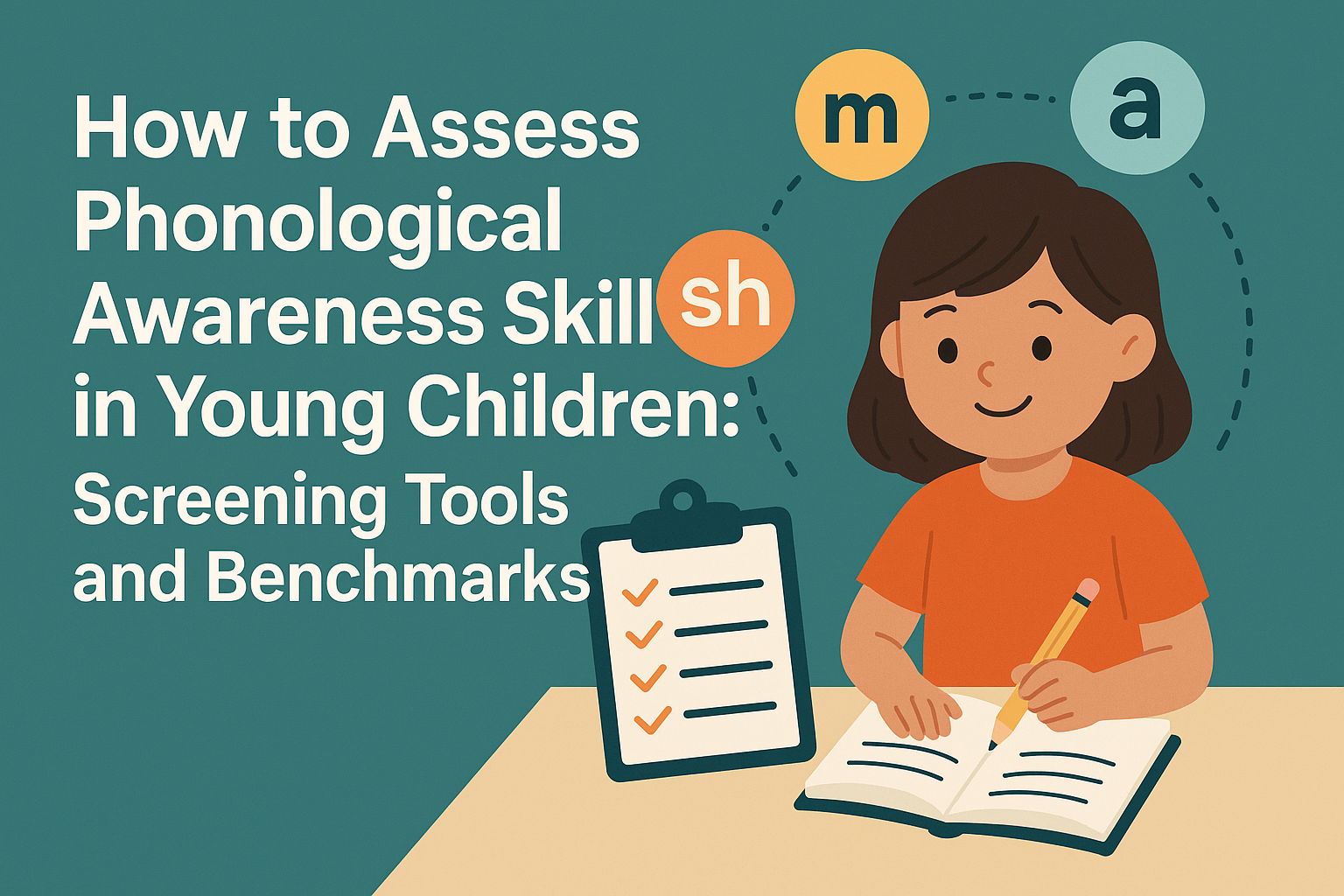
Phonological awareness is a critical skill that forms the foundation for literacy development in young children. As educators and parents, understanding the nuances of this skill is essential for supporting children’s reading and writing abilities. In this article, we’ll explore the top phonological awareness assessment tools available to educators and caregivers, helping you to effectively evaluate and enhance these skills in young learners.
1. Understanding Phonological Awareness
Before diving into assessment tools, it’s important to grasp what phonological awareness actually entails. This umbrella term refers to the ability to recognize and manipulate sounds in spoken language, which includes skills such as identifying syllables, onsets, rimes, and phonemes. These skills develop gradually, starting from an awareness of larger sound units to more intricate understanding, such as blending and segmenting individual phonemes.
Research indicates that strong phonological awareness is correlated with successful reading outcomes. In fact, studies show that children who are proficient in phonological skills are more likely to excel in literacy tasks later on. This makes it fundamental for educators to assess these skills early, ensuring that interventions or support can be implemented as needed.
2. The Role of Phonological Awareness Assessment Tools
Phonological awareness assessment tools are designed to measure a child’s proficiency in these critical skills. They often provide educators with insights into a child’s current level of phonological awareness, helping to identify areas where they may struggle. These tools not only inform instruction but also guide intervention strategies tailored to each child’s specific needs.
Various assessment tools exist, ranging from informal observations and checklists to standardized assessments. Each tool has its unique benefits and limitations, and understanding these can help educators choose the most appropriate method for their situation. Whether you’re looking for a comprehensive evaluation or a quick screening, having the right tools can significantly impact a child’s literacy journey.
3. Top Phonological Awareness Assessment Tools
When evaluating phonological awareness in young children, consider the following tools, which are widely regarded for their effectiveness:
- 1. The Comprehensive Test of Phonological Processing (CTOPP): This standardized test assesses a range of phonological skills, including phonological awareness, verbal short-term memory, and rapid naming. It’s suitable for children aged 5 to 24 years and provides a detailed profile of a child’s phonological processing abilities.
- 2. Phonological Awareness Literacy Screening (PALS): PALS focuses on early literacy skills, including phonological awareness, and is designed for children from pre-K to third grade. The tool provides educators with a wealth of information, allowing for tailored instructional strategies based on individual student performance.
- 3. Dynamic Indicators of Basic Early Literacy Skills (DIBELS): DIBELS is another widely used assessment that includes measures of phonological awareness, specifically focusing on skills like sound fluency and phoneme segmentation. It is primarily aimed at students in kindergarten through sixth grade.
- 4. The Test of Phonological Awareness (TOPA): This test offers a straightforward approach to assessing phonological awareness, involving tasks such as rhyme recognition and sound segmentation. It’s suitable for children from ages 4 to 9 and offers quick results, which is great for teachers needing to assess multiple students efficiently.
- 5. The Early Literacy Skills Assessment (ELSA): ELSA is designed for children from birth through age five, focusing on various literacy skills, including phonological awareness. The assessments can be conducted in a play-based format, making it engaging for young children.
- 6. The Assessment of Phonological Awareness (APA): This tool specifically targets phonological awareness skills, providing tasks that assess rhyme recognition, syllable segmentation, and phoneme manipulation. It’s an effective tool for identifying students who may struggle with these critical skills.
- 7. Informal Phonological Awareness Checklists: While not standardized, these checklists can be an excellent resource for educators. They allow teachers to observe and record student performance during various phonological tasks, helping to track progress over time.
4. Benchmarking and Interpretation of Results
Once an assessment tool has been chosen and implemented, understanding how to interpret the results is crucial. Most standardized assessments provide benchmarks based on large sample populations, allowing educators to see where an individual child stands relative to their peers. A child’s score can indicate whether they are performing at, below, or above expected levels for their age group. (See: National Institute of Child Health and Human Development.)
For example, if a child scores significantly below the benchmark for phoneme segmentation, this may signal a need for targeted intervention. Educators can use this data not only to inform classroom instruction but also to communicate with parents about their child’s progress and potential areas of concern.
5. Implementing Interventions
Upon identifying areas of weakness through phonological awareness assessment tools, it’s vital to implement effective interventions. Research suggests that early intervention can significantly improve literacy outcomes, making it essential for educators to act swiftly upon assessing phonological awareness.
Interventions may include targeted phonological awareness activities, such as games that involve rhyming, segmenting sounds, or blending phonemes. Programs like the Sound Partners or the Phonological Awareness Training Program offer structured approaches to enhancing phonological skills. Additionally, integrating phonological awareness activities into daily literacy routines can foster growth in these critical areas.
6. Current Trends and Considerations
As with any educational practice, the field of literacy education is subject to change. Current trends emphasize the importance of integrating technology into phonological awareness assessments and interventions. Digital tools and apps can provide engaging platforms for phonological practice, making learning more interactive for young children.
Furthermore, there is growing recognition of the diverse needs of learners. Culturally responsive teaching strategies are becoming increasingly important, ensuring that assessments and interventions consider students’ linguistic backgrounds. This approach not only supports phonological awareness development but also honors the linguistic diversity present in our classrooms.
7. Supporting Phonological Awareness in Diverse Learners
Phonological awareness is crucial for all children, but it’s especially important for those from diverse linguistic backgrounds. For instance, children who are learning English as a second language may face additional challenges in developing phonological skills. Educators can support these learners by incorporating familiar sounds and words from their home languages into phonological awareness activities.
Research indicates that when children see their languages represented in literacy instruction, they are more engaged and motivated. Using bilingual books, songs, and rhymes can help bridge the gap and enhance their phonological awareness development. It’s important to create an inclusive environment where all languages are valued, promoting both phonological skills and cultural identity.
8. FAQs About Phonological Awareness Assessment Tools
What age should phonological awareness assessments begin?
Phonological awareness assessments can begin as early as preschool, typically around age 4. Early identification of phonological skills helps educators to implement effective interventions sooner. (See: CDC on literacy and education.)
How often should children be assessed for phonological awareness?
Children should be assessed at key developmental milestones, typically at the beginning, middle, and end of the school year. Ongoing assessments can also be beneficial to gauge progress and adjust interventions as needed.
Are there any specific red flags to look for in phonological awareness?
Yes, some red flags include difficulty recognizing rhymes, trouble identifying syllables in words, and challenges in blending or segmenting sounds. If a child struggles with these tasks, further assessment may be necessary.
Can parents assess phonological awareness at home?
Absolutely! Parents can engage their children in phonological awareness activities at home, such as playing rhyming games, singing songs, or reading aloud. Observing how children interact with sounds in their environment can also provide insights into their phonological development.
What should I do if my child struggles with phonological awareness?
If your child struggles, consider reaching out to their teacher for guidance. They may recommend specific assessment tools or interventions tailored to your child’s needs. Early intervention is key in supporting literacy development.
9. The Road Ahead: Supporting Phonological Awareness Development
In summary, assessing phonological awareness skills in young children is a multifaceted process that requires effective tools, thoughtful interpretation of results, and appropriate interventions. By utilizing phonological awareness assessment tools, educators can identify students’ strengths and weaknesses, ensuring that each child receives the support they need for literacy success.
As technology continues to evolve, the way we assess and approach phonological awareness will undoubtedly change. It’s important to remain informed about new tools and strategies, adapting to the educational landscape to best support our learners. The goal is clear: to foster robust phonological awareness that will pave the way for lifelong literacy skills and a love for reading. (See: U.S. Department of Education on phonological awareness.)
10. Comparative Analysis of Phonological Awareness Assessment Tools
Choosing the right phonological awareness assessment tool can be overwhelming given the number of options available. To help clarify which tool may be best suited for your needs, here’s a comparative analysis of some of the most popular tools:
| Assessment Tool | Age Range | Key Features | Ideal For |
|---|---|---|---|
| CTOPP | 5-24 years | Comprehensive evaluation of phonological processing | In-depth assessment for special education |
| PALS | Pre-K to 3rd grade | Focus on early literacy skills, detailed reports | Classroom teachers looking for tailored instruction |
| DIBELS | K-6 | Measures fluency and phoneme segmentation | Progress monitoring in early literacy |
| TOPA | 4-9 years | Straightforward assessment, quick results | Teachers assessing multiple students efficiently |
| ELSA | Birth-5 years | Play-based assessment format | Early childhood educators |
| APA | All ages | Specific tasks aimed at phonological skills | Identifying students needing further support |
11. Statistics on Phonological Awareness and Literacy Development
A significant amount of research underlines the importance of phonological awareness in early literacy development. For instance, studies have shown that:
- About 40-60% of all children who struggle with reading have deficits in phonological awareness.
- Children who receive effective phonological awareness instruction can improve their reading skills by up to 20%.
- Approximately 75% of children with reading disabilities exhibit difficulties in phonological awareness.
These statistics highlight the critical link between phonological awareness and successful reading outcomes, reinforcing the need for timely assessment and targeted interventions.
12. Expert Perspectives on Phonological Awareness Assessments
Experts in the field of literacy development emphasize the value of phonological awareness assessments. Dr. Emily O’Connor, a literacy researcher, states, “Assessing phonological awareness is not just about identifying deficits; it’s about understanding each child’s unique journey in literacy development.” This perspective underscores the importance of viewing assessments as part of a holistic approach to teaching reading.
Another expert, Dr. James Lee, highlights the importance of using multiple assessment tools: “No single assessment can capture the full range of a child’s phonological skills. Using a variety of tools allows educators to see a more complete picture.” This approach supports informed decision-making when it comes to interventions and instructional strategies.
“`
Trending Now
Frequently Asked Questions
What is phonological awareness?
Phonological awareness is the ability to recognize and manipulate sounds in spoken language. It includes skills such as identifying syllables, onsets, rimes, and phonemes, which develop gradually and are essential for literacy development in young children.
Why is phonological awareness important for children?
Phonological awareness is crucial as it lays the foundation for literacy development. Research shows that children proficient in these skills are more likely to succeed in reading and writing tasks later on, making early assessment and intervention vital.
What are some tools to assess phonological awareness?
There are various tools to assess phonological awareness, including informal observations, checklists, and standardized assessments. Each tool offers different insights into a child's phonological skills and helps identify areas needing support.
How can phonological awareness be assessed in young children?
Phonological awareness can be assessed through a combination of informal and formal methods. Educators can use checklists, structured activities, and standardized tests to evaluate a child's ability to manipulate sounds and identify phonological units.
What interventions can support phonological awareness skills?
Interventions to support phonological awareness skills may include targeted activities that focus on sound manipulation, rhyming games, and phoneme segmentation exercises. Tailoring these strategies to the child's specific needs helps enhance their literacy development.
Agree or disagree? Drop a comment and tell us what you think.