

“`html
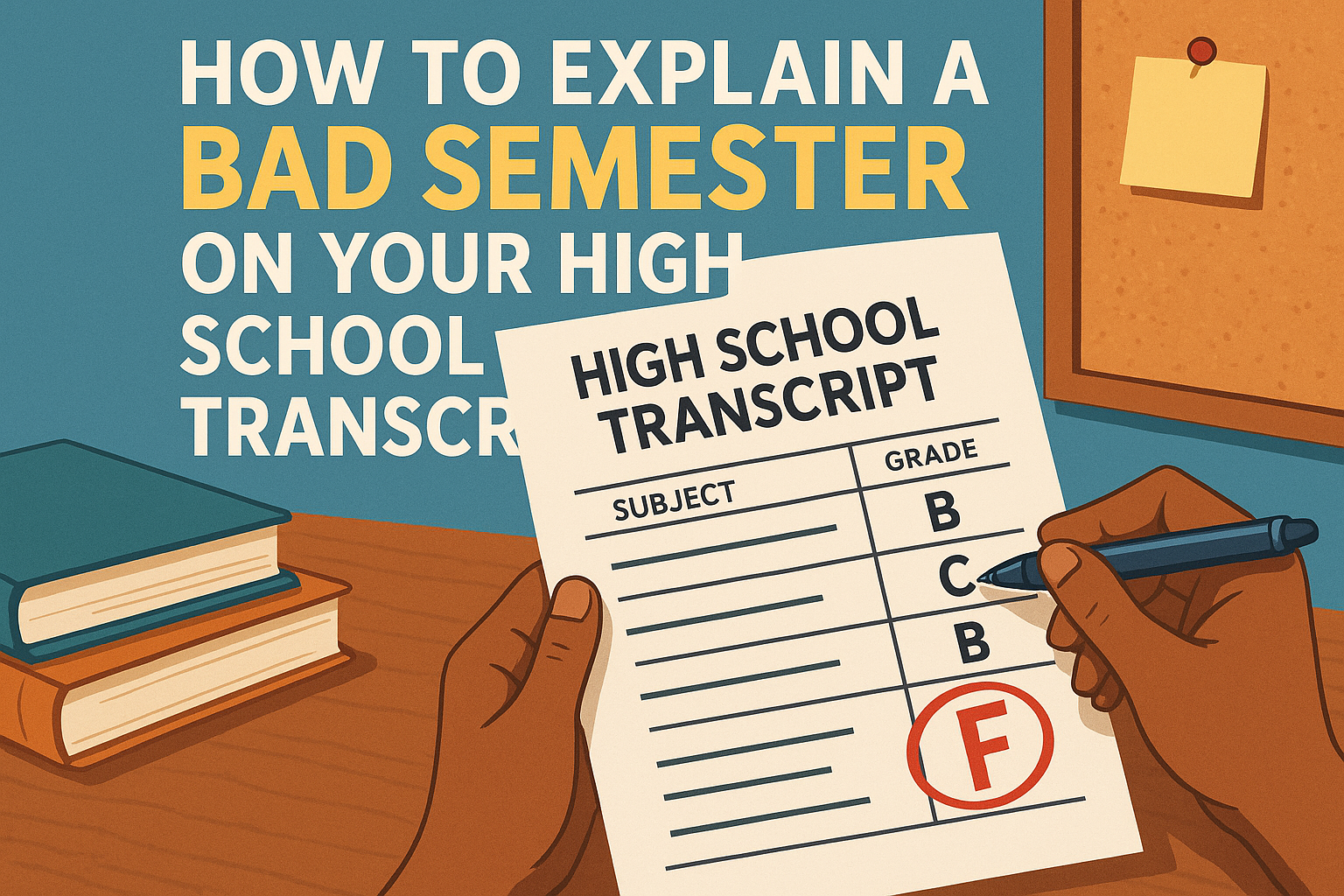
Navigating through high school can be a challenging adventure, and there might be times when your transcript doesn’t tell the story you want it to. Perhaps you faced personal challenges, health issues, or unexpected life circumstances that impacted your performance. If you’re looking to explain a bad semester transcript, you’re not alone. Many students experience difficulties, and knowing how to address these issues can make a significant difference in your future opportunities. Here are ten key strategies to help you articulate your situation effectively.
1. Understand the Importance of Context
Before you jump into explaining your bad semester, it’s important to recognize why context matters. Colleges and employers often look at more than just grades. They want to know about your journey, challenges, and how you’ve overcome them. A bad semester doesn’t have to define you; rather, it can become a part of your narrative. Highlighting context helps others understand the reasons behind your grades, making it easier for them to assess your overall potential.
For instance, if you struggled with mental health issues or family responsibilities during a semester, sharing this context can provide a more complete picture. Consider how your circumstances affected your performance and be prepared to discuss this openly. Transparency can foster empathy and understanding from those reviewing your transcript.
2. Create a Statement of Circumstances
Once you comprehend the importance of context, the next step is crafting a clear statement of circumstances. This statement should be concise yet comprehensive enough to convey the specific challenges you faced. Start by summarizing the events that led to your academic decline, paying attention to the facts. Mention any relevant dates, issues, and how they impacted your schooling.
Your statement doesn’t have to be lengthy; it should communicate the essential details effectively. For example, if you encountered health problems, you might write: “During the spring semester of my junior year, I struggled with severe anxiety, which affected my ability to concentrate on my studies.” This sets the stage for further discussion while remaining respectful and honest.
3. Emphasize Growth and Resilience
When attempting to explain a bad semester transcript, it’s essential to pivot the conversation towards your growth and resilience. Admissions committees and employers appreciate candidates who can turn challenges into learning experiences. Reflect on how you responded to your struggles and what steps you took to improve thereafter.
For instance, did you seek help from a counselor, join a support group, or utilize tutoring services? Articulating these actions demonstrates your commitment to overcoming adversity. This can be a powerful way to portray your character and determination, ultimately showing that your bad semester was a temporary setback rather than a true reflection of your capabilities.
4. Utilize Letters of Recommendation
Letters of recommendation can serve as vital tools when explaining your academic journey. A teacher, counselor, or mentor who understands your situation can provide a different perspective on your transcript. They can validate your experiences and highlight qualities like perseverance, character, and growth that grades alone may not capture.
When asking for recommendations, be sure to communicate your story to the recommender. Provide background information about your bad semester and how you’ve since improved. Having someone vouch for your abilities and character can add weight to your narrative, allowing others to see beyond the numbers. (See: Mental health resources and support.)
5. Address the Issue Directly in Your Application
Many colleges provide an opportunity to address any weaknesses in your application, so take advantage of this. If there’s a dedicated section for additional information, be sure to include a brief explanation of your bad semester. Use this space judiciously to reinforce the narrative you’ve built around your circumstances.
Keep your tone positive and forward-looking. Instead of dwelling on the negative aspects, focus on how you’ve learned from the experience and what you’ve done to ensure it doesn’t happen again. A concise, clear explanation that emphasizes your resilience will resonate more with admissions committees.
6. Provide Evidence of Improvement
Actions speak louder than words, and nothing reinforces your narrative better than evidence of improvement. If you’ve bounced back from your bad semester, ensure that your subsequent grades reflect that progress. Highlighting significant achievements, whether in grades, extracurricular activities, or volunteer work, can help demonstrate that you’ve turned the corner. There’s a fuller look at the AI therapy revolution.
For example, if your GPA improved significantly in subsequent semesters or you took on leadership roles in clubs, make sure these accomplishments stand out in your application. This not only reflects your academic potential but also your ability to overcome challenges.
7. Seek Support from School Counselors
School counselors can be invaluable resources when dealing with a challenging transcript. They can help you navigate the complexities of explaining a bad semester to colleges and employers. Counselors often have experience guiding students through similar situations and can offer tailored advice that fits your unique circumstances.
Don’t hesitate to discuss your concerns with your counselor. They may help you outline your statement of circumstances, recommend strategies to improve your transcript, or provide insights on how to present your narrative effectively. Their support can be a game-changer in ensuring your story is communicated positively.
8. Prepare for Interviews
If you’re interviewing for college admissions or a job, be ready to address your transcript proactively. While you don’t want to dwell on your bad semester, prepare to explain it succinctly and confidently if the topic arises. Practice articulating your story so you can convey your circumstances and growth without hesitation.
Rehearse with a friend or family member who can provide feedback on your delivery. Being prepared will help you feel more confident during the actual interview. Remember that your ability to discuss challenges and demonstrate resilience can leave a lasting impression on interviewers.
9. Focus on Your Strengths
While it’s essential to explain your bad semester, your application is more than just that single story. Be sure to highlight your strengths, passions, and unique experiences that set you apart. Dive into your accomplishments, skills, and interests that can showcase your well-rounded character.
Whether you excel in sports, arts, or community service, don’t shy away from sharing these aspects. A well-rounded application can offset concerns about a bad semester, presenting you as a strong candidate despite past challenges.
10. Move Forward with Confidence
Finally, remember that a bad semester on your transcript doesn’t define your entire academic career. Moving forward with confidence is key. Embrace your journey, including the challenges you faced and the lessons you learned. Confidence can greatly influence how others perceive you, so own your story and be proud of your resilience. (See: Impact of mental health on education.)
In the end, understanding how to explain a bad semester transcript is all about framing your narrative positively and demonstrating growth. With these ten strategies in hand, you’ll be better equipped to tackle future academic and professional opportunities, showing the world that you’re more than just your grades.
11. Statistics on Academic Performance
It may be reassuring to know that you’re not alone in facing academic challenges. According to a study by the National Center for Education Statistics, nearly 30% of high school students experience significant stress or mental health issues that can impact their academic performance. Furthermore, around 15% of students report difficulties with their personal lives that affect their studies. Understanding these statistics may help you realize that your situation is not uncommon, and there are systemic issues at play.
12. Personal Stories from Other Students
Sometimes, hearing about how others navigated similar situations can provide valuable insights. For example, Sarah, a high school graduate, faced family issues that caused her grades to drop during her sophomore year. Instead of hiding her struggles, she wrote a heartfelt letter to her college explaining her circumstances. This transparency, coupled with her subsequent improvement, not only earned her a place at her top-choice university but also inspired her to advocate for mental health awareness among her peers.
Similarly, Michael, who dealt with a serious illness during his junior year, took the opportunity to volunteer in health advocacy groups after he recovered. His passion for helping others became a focal point of his application, allowing him to showcase his resilience and commitment to service rather than just his grades. This builds on toxic loops and mental health.
13. Common Misconceptions
There are several misconceptions about bad academic performance that can add to the stress students face. One common belief is that a single bad semester will ruin your chances for college admissions. This is simply not true. Admissions committees are trained to look at the entire application holistically. They consider context, growth, and future potential along with academic records. Understanding this can relieve some of the pressure you might be feeling about a poor semester.
14. Frequently Asked Questions
What should I include in my statement explaining my bad semester?
Your statement should include a brief overview of the circumstances surrounding your poor performance, how it impacted your studies, and what steps you have taken to improve. Keep it honest but focused on resilience and growth.
How can I demonstrate improvement in my application?
Include your most recent grades, courses taken, and any extracurricular activities or leadership roles you have assumed since your bad semester. This evidence of hard work and improvement can help paint a full picture of your capabilities.
Is it advisable to mention my bad semester in interviews?
Yes, but do so cautiously. If asked about your academic record, address the bad semester directly, but pivot quickly to discuss how you’ve grown and improved since then. Keeping the focus on your resilience will leave a positive impression.
What if I didn’t improve significantly after my bad semester?
Even if your grades didn’t improve dramatically, highlight any steps you took to address your struggles and showcase any personal growth. Admissions committees value character and determination just as much as numerical achievements.
Should I discuss personal issues that affected my performance?
It can be beneficial to mention personal issues, but maintain a balance. Focus on how you handled these challenges and what you learned from them rather than detailing every hardship. The goal is to show resilience and growth.
15. How to Talk to Your Parents About a Bad Transcript
Having an open conversation with your parents about a bad semester can feel daunting, but it’s important for your support system. Start by choosing a calm time to talk and be honest about your feelings. Explain the challenges you faced and why your grades slipped. This transparency can foster a more supportive dialogue.
Prepare for potential questions they might have, such as what you’re doing to improve or how you plan to move forward. Showing them that you have a plan can help alleviate their concerns and reinforce your commitment to bettering your academic performance.
16. Engaging with Academic Resources
Don’t underestimate the value of academic resources available at your school. Many schools offer tutoring, mentoring programs, and workshops that can help you catch up and regain confidence in your studies. Engaging with these resources shows initiative and a willingness to improve, which can be beneficial when explaining your transcript to colleges or employers.
Also, consider studying in groups or forming study partnerships with classmates. Collaborating with peers not only helps with understanding difficult material but also builds a support network that can provide encouragement during challenging times.
17. Building Your Narrative Beyond Academics
Finally, remember that your transcript is just one part of your story. Engage in activities or hobbies that showcase your skills and interests outside of academics. Whether it’s sports, music, art, or volunteer work, these experiences can help demonstrate your versatility and passion. Including these elements in your application can provide a more rounded perspective of who you are, helping admissions committees see that you have much to offer despite a rocky academic patch.
“`
Trending Now
Frequently Asked Questions
How do you explain a bad semester on a transcript?
To explain a bad semester on your transcript, start by providing context about the personal challenges or circumstances that affected your performance. Create a concise statement detailing these issues, focusing on how they impacted your schooling, and be prepared to discuss this openly with colleges or employers.
What should I include in my statement of circumstances?
In your statement of circumstances, include specific details about the challenges you faced, such as personal issues, health problems, or family responsibilities. Summarize the key events that led to your academic decline, mentioning relevant dates and how these factors affected your performance.
Why is context important when discussing a bad semester?
Context is crucial when discussing a bad semester because it helps colleges and employers understand the reasons behind your grades. By sharing your journey and the challenges you faced, you can demonstrate resilience and provide a more complete picture of your potential.
Can a bad semester affect college admissions?
Yes, a bad semester can impact college admissions, but it doesn't have to define your application. Providing context and explaining the circumstances surrounding your performance can help admissions committees see your overall potential and the challenges you've overcome.
How can I turn a bad semester into a positive narrative?
To turn a bad semester into a positive narrative, focus on what you learned from the experience and how you've grown. Highlight any improvements made in subsequent semesters and emphasize your resilience and determination to succeed despite challenges.
What did we miss? Let us know in the comments and join the conversation.



