
“`html
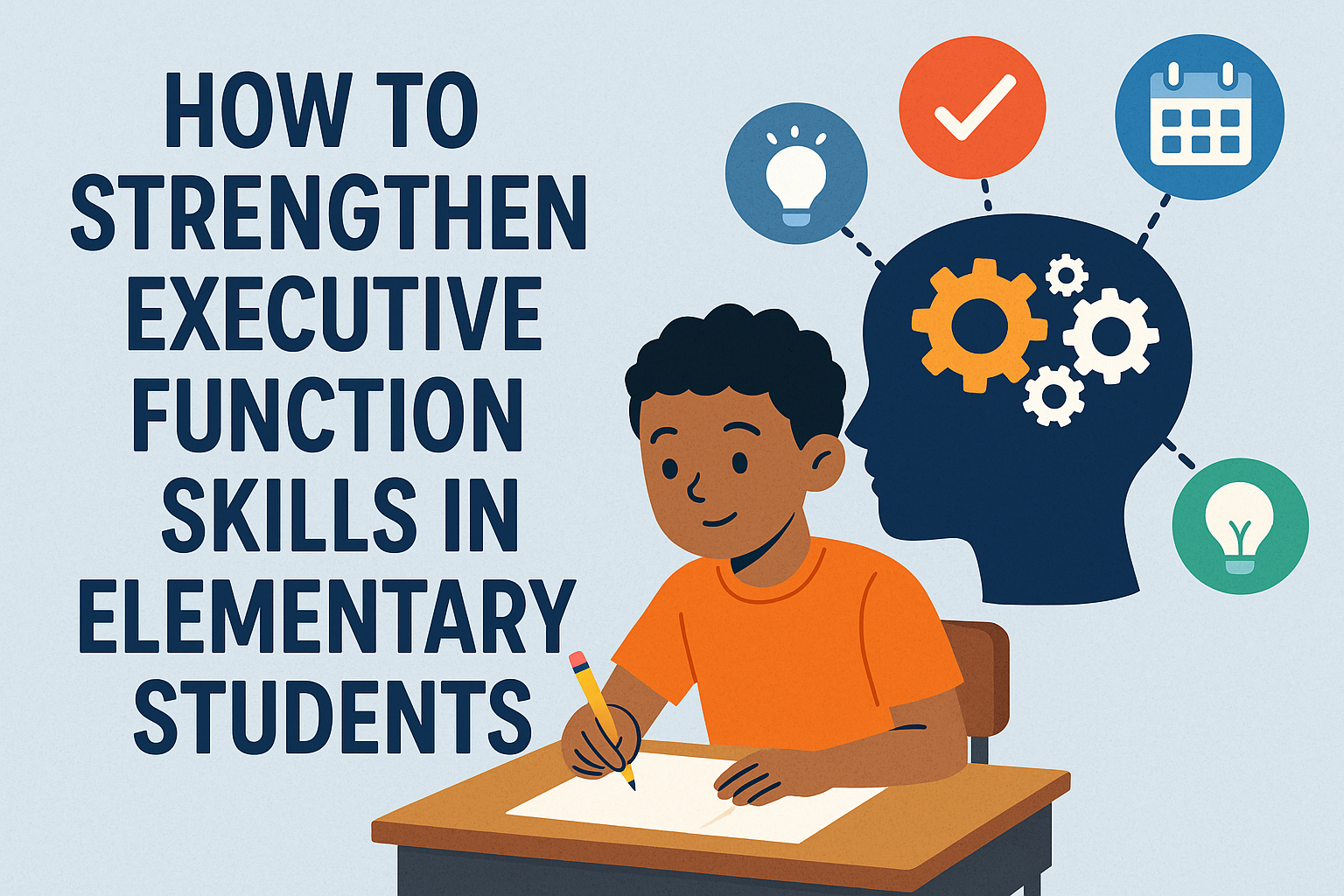
Strengthening executive function skills in elementary students is crucial for their academic success and personal development. These skills, which include working memory, cognitive flexibility, and inhibitory control, are foundational for managing tasks, making decisions, and achieving goals. But how can parents and educators help young students enhance these skills? Here, we explore nine effective strategies that can significantly boost executive functioning in the classroom and at home.
1. Incorporate Routine and Structure
One of the most effective ways to enhance executive function skills in elementary students is by establishing clear routines. Children thrive on predictability, and having a structured daily routine can help them develop their time management and organizational skills. For instance, setting specific times for homework, play, and chores can instill a sense of responsibility and self-discipline.
Parents and teachers should work together to create these routines. For instance, a visual schedule can be beneficial in the classroom. This could include a checklist of daily tasks, which not only helps students remember their responsibilities but also allows them to track their progress. By following a routine consistently, children learn to manage their time and prioritize effectively.
2. Encourage Goal Setting
Teaching children to set achievable goals can significantly improve their executive function skills. Goal setting fosters a sense of purpose and motivates students to focus their attention on specific tasks. Start by helping students set short-term goals, such as completing their homework on time or reading a certain number of books each month.
Once students get comfortable with short-term goals, educators can guide them toward setting long-term objectives. For example, if a child aspires to improve their math skills, breaking this down into smaller, manageable goals—like mastering addition this week—can help them track their progress. Celebrating achievements, both big and small, reinforces their efforts and encourages persistence.
3. Practice Mindfulness and Self-Regulation
Mindfulness practices can significantly enhance self-regulation, an essential aspect of executive function skills in elementary students. Mindfulness helps children become more aware of their thoughts and emotions, making it easier to manage impulses and reactions. Simple activities, such as deep breathing exercises or guided meditation for kids, can be integrated into the school day or at home.
Schools can also create a calm-down corner where students can go when they feel overwhelmed. This space could include calming items like stress balls, fidget toys, or even a comfortable chair for relaxation. Teaching children these self-regulation techniques will not only help them manage their emotions but also improve their focus and attention in various settings.
4. Use Games and Activities to Build Skills
Learning through play is one of the most effective ways to strengthen executive function skills in elementary students. Games that require strategy and critical thinking, such as chess or card games, can enhance cognitive flexibility and problem-solving abilities. Moreover, cooperative games that necessitate teamwork can foster social skills along with executive functioning. (See: health and academic success.)
Physical activities, such as sports or obstacle courses, are also beneficial. They provide opportunities for children to practice self-control and focus while coordinating their movements. Educators and parents should aim to include a variety of games and activities that challenge different aspects of executive function, making skill-building both fun and engaging.
5. Foster a Growth Mindset
Encouraging a growth mindset in children can profoundly impact their executive function skills. A growth mindset promotes the belief that abilities and intelligence can be developed through effort and persistence. This belief can lead to increased resilience in the face of challenges, enhancing their ability to tackle difficult tasks.
Teachers and parents can cultivate this mindset by praising effort rather than just results. For instance, when a child struggles with a math problem, instead of saying, “You’re not good at math,” try, “I admire how hard you’re working to solve that problem.” By reinforcing the idea that mistakes are an essential part of learning, children will be more likely to take on challenges and develop their executive skills.
6. Encourage Collaboration and Communication
Working collaboratively with peers enhances executive function skills in elementary students by encouraging them to communicate effectively and negotiate solutions. Group projects or cooperative learning activities allow students to practice sharing ideas, listening to others, and working towards a common goal.
Teachers can facilitate these experiences by assigning team-based assignments and discussing the importance of teamwork. As students navigate group dynamics, they improve their cognitive flexibility and conflict resolution skills. Additionally, these interactions enhance their social skills, which are increasingly important as they progress through their education.
7. Incorporate Technology Wisely
In today’s digital age, technology can be a powerful tool for strengthening executive function skills in elementary students. Educational apps focused on organizational tools, such as calendar reminders or task management systems, can help children develop planning and prioritization skills. However, it’s crucial to balance screen time with other activities.
Using technology for interactive learning, such as coding games or educational videos, can also spark interest in subjects while promoting critical thinking. However, educators and parents should guide children on how to use these tools responsibly, ensuring they develop healthy digital habits that support their executive functioning.
8. Teach Problem-Solving Skills
Problem-solving is a key component of executive function skills in elementary students. Teaching children to approach problems systematically can enhance their ability to think critically and make decisions. Start with simple problems and gradually increase complexity as they build confidence. (See: executive function skills in children.)
Encouraging students to articulate their thought process while solving problems can also deepen their understanding. Asking questions like, “What’s the first step?” or “What alternatives can you think of?” prompts them to think critically about their choices. These discussions help children learn to evaluate situations and make informed decisions, which are essential skills for their academic futures.
9. Provide Consistent Feedback and Support
Finally, providing consistent feedback is essential for strengthening executive function skills in elementary students. Constructive feedback helps children understand their progress and areas for improvement. Regular check-ins with teachers or parents can offer kids a chance to discuss their challenges and successes, fostering a growth mindset.
Moreover, supporting children through challenges shows them that it’s okay to ask for help. This support can be as simple as helping them create a study schedule or offering strategies when they feel stuck. A strong support system is invaluable for children as they navigate their learning experiences and develop their executive function skills.
10. Understanding the Importance of Executive Function Skills
Before diving into strategies for enhancing these skills, it’s essential to grasp why executive function skills are so critical. Research indicates that executive function skills are linked to academic success, social skills, and even eventual job performance. According to a study published in the journal Child Development, children with strong executive function skills are more likely to perform better academically and are less likely to engage in risky behaviors as they grow older.
In particular, these skills help students manage their time effectively, prioritize tasks, and stay organized. This is particularly vital in the elementary years, as children transition from a more structured preschool environment to the increasing demands of elementary school. They need to learn how to manage their own time, complete homework assignments, and prepare for tests—all tasks that require robust executive function skills.
11. Statistics on Executive Function Skills
Understanding the impact of executive function skills on student performance can be illustrated through various statistics. For instance, a meta-analysis by the National Center for Education Statistics found that students with higher executive function scores perform, on average, 20% better in math and reading assessments compared to their peers with lower scores. This gap highlights the importance of fostering these skills in the early stages of education.
Additionally, data from the American Psychological Association suggests that executive function deficits can lead to struggles with attention, behavior, and academic performance. In fact, upwards of 30% of students diagnosed with ADHD show significant challenges in executive function. This emphasizes the need for targeted interventions to support these skills in all students, particularly those at risk.
12. Expert Perspectives on Executive Function Skills
Experts in child development emphasize that executive function skills can be taught and improved over time. Dr. Adele Diamond, a leading researcher in the field, states, “Executive function is not a fixed trait; it can be developed and enhanced through training and practice.” Her research supports the idea that children who engage in activities that challenge their executive function skills show measurable improvement over time.
Furthermore, educational psychologist Dr. Megan McClelland highlights that early interventions can have long-lasting effects. She notes, “Teaching executive function skills in preschool has been associated with better academic outcomes in later grades.” This shows how early exposure to executive function training can create a foundation for future success.
13. Real-Life Examples of Executive Function Training
Schools across the country have begun integrating executive function training into their curricula with promising results. For example, a program in a New York City elementary school focused on teaching children mindfulness, organizational tools, and problem-solving strategies. The outcome? Teachers reported a noticeable improvement in students’ ability to focus during class, complete assignments on time, and interact positively with their peers.
Another case study from a school district in California implemented a project-based learning model that explicitly teaches executive function skills. Students engaged in collaborative projects requiring planning, teamwork, and self-regulation. The results indicated that students not only performed better academically but also developed better social skills and resilience.
14. FAQs About Executive Function Skills in Elementary Students
- What are executive function skills? Executive function skills refer to a set of cognitive processes that include working memory, cognitive flexibility, and inhibitory control, which are essential for planning, decision-making, and self-regulation.
- How can parents support executive function skills at home? Parents can support executive function development by creating consistent routines, encouraging goal setting, engaging in problem-solving activities, and fostering a supportive environment that promotes effort and resilience.
- Are executive function skills important for all students? Yes, executive function skills are essential for all students as they affect academic performance, social interactions, and overall well-being.
- What role does play have in developing executive function skills? Play, especially structured and unstructured games, helps children practice executive function skills such as impulse control, problem-solving, and working collaboratively with others.
- Can executive function skills be improved? Yes, with targeted strategies and practice, executive function skills can be strengthened over time. Interventions in early education settings have shown significant improvements in these skills.
By implementing these nine strategies, parents and educators can significantly enhance executive function skills in elementary students. These skills are not just critical for academic achievement; they also play a vital role in helping children navigate life’s challenges. As children develop these skills, they’ll become more adept at handling responsibilities, making decisions, and achieving their goals, setting them up for success in the future.
“`
Trending Now
Frequently Asked Questions
What are executive function skills in elementary students?
Executive function skills are essential cognitive processes that include working memory, cognitive flexibility, and inhibitory control. These skills help students manage tasks, make decisions, and achieve academic and personal goals, forming a foundation for their overall success.
How can parents help improve their child's executive function skills?
Parents can enhance their child's executive function skills by establishing clear routines and structures at home. Creating predictable schedules for homework, chores, and playtime can foster responsibility and improve time management, making it easier for children to focus and prioritize.
What strategies can educators use to strengthen executive function in the classroom?
Educators can strengthen executive function skills by incorporating structured routines, visual schedules, and goal-setting activities into their teaching. These strategies help students stay organized, manage their time effectively, and develop a sense of purpose in their learning.
Why is goal setting important for elementary students?
Goal setting is crucial for elementary students as it enhances their motivation and focus. By guiding students to set achievable short-term and long-term goals, educators can help them develop a sense of purpose and improve their executive function skills, leading to better academic performance.
What role does routine play in developing executive function skills?
Routine plays a significant role in developing executive function skills by providing children with a predictable structure to follow. This predictability helps them learn time management, organization, and self-discipline, which are vital components of effective executive functioning.
Agree or disagree? Drop a comment and tell us what you think.