
“`html
When you hear “fine motor skills activities,” what’s the first thing that pops into your head? For many of us, it’s a predictable image: a child hunched over a desk, diligently gripping a pencil, perhaps filling in a worksheet or tracing letters. And don’t get me wrong, those tasks have their place. But here’s the thing: focusing solely on formal, pencil-and-paper exercises can be a bit like trying to build a house with just a hammer. You’re missing out on a whole toolbox of engaging, effective methods that can actually make strengthening those tiny hand muscles fun and deeply impactful.
The truth is, fine motor development is about so much more than just writing readiness. It’s about independence, problem-solving, and even self-regulation. Think about it: buttoning a shirt, zipping a jacket, using cutlery, tying shoelaces – these are all critical life skills that rely heavily on precise hand-eye coordination and dexterity. Neglecting a broad approach to fine motor skills activities can leave children struggling with everyday tasks, not just academics. So, let’s ditch the notion that learning has to be rigid and embrace a world of playful, hands-on experiences that truly build foundational strength. You’ll be surprised how much progress can be made when learning feels like play.
1. Playdough and Clay Exploration: More Than Just Squishing
It might seem simple, but the humble tub of playdough or a block of clay is an absolute powerhouse for developing fine motor skills activities. When a child squishes, rolls, pokes, and pulls at playdough, they’re engaging a wide range of small muscles in their hands and fingers. This isn’t just about fun; it’s a dynamic workout. They’re developing hand strength, improving bilateral coordination (using both hands together), and refining their pincer grasp – that crucial thumb-and-forefinger movement essential for holding small objects, including pencils.
To really boost the fine motor benefits, introduce tools. Think plastic knives for cutting, cookie cutters for pressing, or even small rolling pins. Encourage them to create intricate designs, roll tiny “snakes,” or pinch off small pieces to make “food” for their imaginary friends. The resistance offered by the dough itself, especially stiffer modeling clay, provides excellent proprioceptive input, helping children understand where their hands are in space and how much force to apply. This kind of open-ended, sensory play is far more effective and less frustrating than repetitive worksheet tasks, making it a top-tier fine motor skills activity.
2. Building with Small Manipulatives: Precision and Problem-Solving
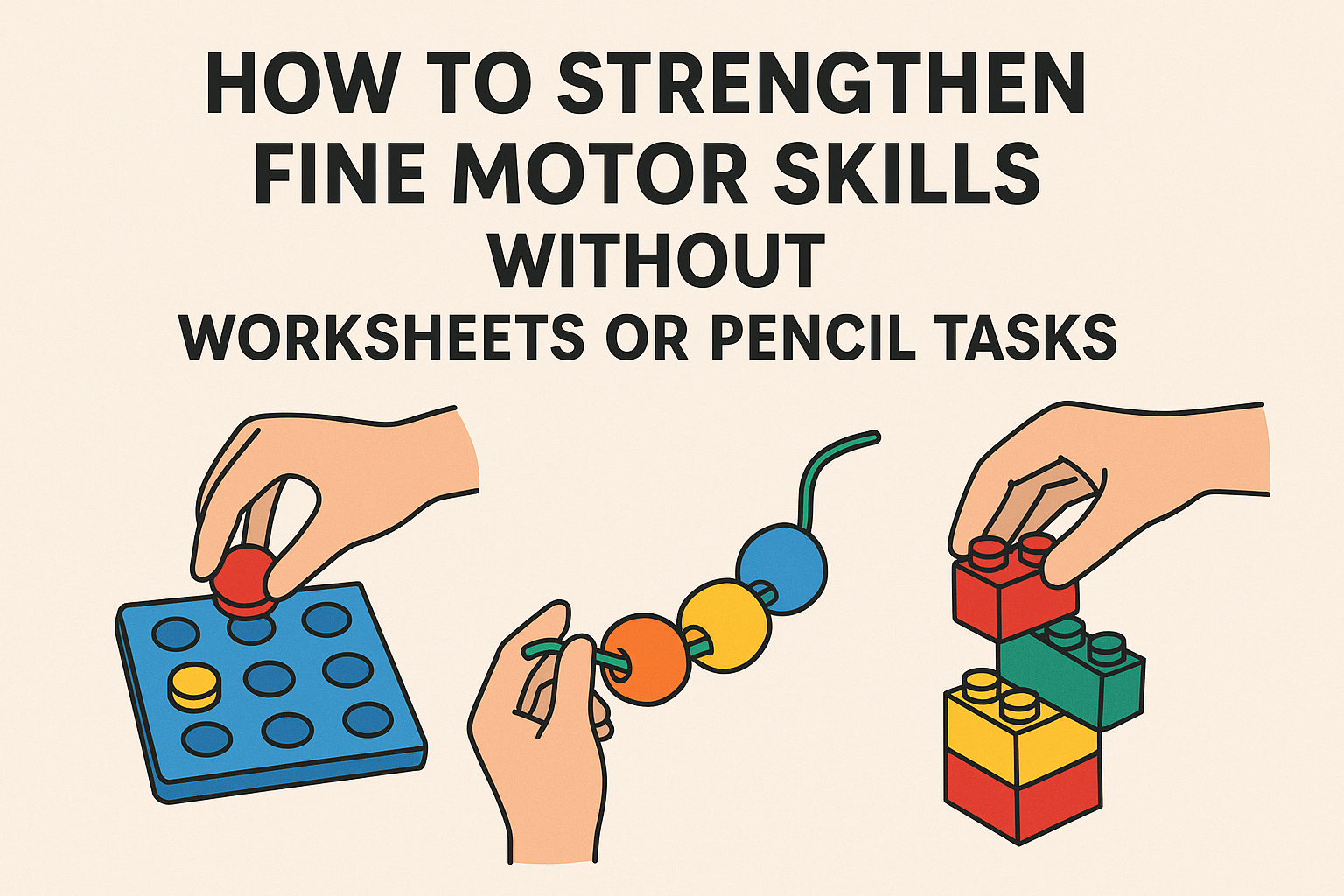
Forget giant blocks – we’re talking about small, intricate building materials here. Think LEGOs, Duplos, Lincoln Logs, or even magnetic tiles. The act of snapping these pieces together, pulling them apart, and carefully aligning them demands a high degree of precision and control from small hands. Children have to exert just the right amount of force, coordinate their fingers, and often use both hands simultaneously to achieve their building goals.
This type of play goes beyond simple muscle strengthening. It fosters problem-solving skills as children figure out how to make structures stable, how to connect pieces effectively, and how to translate a mental image into a physical creation. The tiny knobs on LEGOs, for instance, require a deliberate pincer grasp to attach and detach. This consistent practice, driven by the child’s own imaginative goals, makes it an incredibly engaging and effective fine motor skills activity, far removed from the drudgery of tracing lines.
3. Water Play with Tools: Engaging All the Senses
Water play isn’t just for cooling off on a hot day; it’s a fantastic sensory experience that doubles as an excellent platform for fine motor skills activities. Provide children with squeeze bottles, droppers, turkey basters, small sponges, and various sizes of cups. The act of squeezing a bottle to squirt water, carefully drawing water into a dropper and releasing it drop by drop, or wringing out a sponge requires significant hand and finger strength, as well as precise control.
This kind of play naturally encourages sustained engagement because it’s so captivating. Children can transfer water between containers, create patterns, or even engage in “scientific experiments” by mixing colors. The resistance of squeezing water, especially with a full dropper or baster, provides an intense workout for those intrinsic hand muscles. It’s messy, yes, but the developmental benefits for hand strength, coordination, and controlled release make it an invaluable fine motor skills activity that kids genuinely love. (See: CDC on fine motor skills development.)
4. Scissor Skills and Cutting Activities: The Ultimate Hand Workout
Learning to use scissors effectively is one of the most comprehensive fine motor skills activities a child can undertake. It requires bilateral coordination (one hand holding the paper, the other cutting), eye-hand coordination, and the development of intrinsic hand muscles. The rhythmic opening and closing of the scissors, combined with steering them along a line, is a complex sequence of movements that strengthens the thumb, index, and middle fingers while isolating the ring and pinky fingers, promoting a mature grasp.
Start with simple tasks like snipping playdough or cutting strips of paper. As confidence grows, move to cutting along straight lines, then wavy lines, and eventually more complex shapes. Provide a variety of materials to cut – thin cardstock, fabric scraps, or even leaves – to introduce different levels of resistance. This isn’t just about cutting out shapes; it’s about building the foundational strength and coordination needed for countless other tasks, including eventually holding a pencil with endurance and control. Don’t underestimate the power of a good pair of child-safe scissors!
5. Beading and Threading: Precision and Bilateral Coordination
Beading and threading activities are classics for a reason: they are incredibly effective fine motor skills activities. The act of picking up a small bead, manipulating a string or lace, and then guiding that string through a tiny hole requires immense concentration, precise pincer grasp, and excellent eye-hand coordination. It also demands bilateral coordination, as one hand stabilizes the string or bead while the other performs the threading action.
Vary the challenge by using different sizes of beads and different types of string. Start with larger beads and thicker laces, then gradually introduce smaller beads and thinner string or even yarn and a blunt needle. Beyond basic beading, consider lacing cards, where children thread string through pre-punched holes to create patterns or complete an image. This kind of activity not only builds fine motor strength but also promotes focus, patience, and pattern recognition, making it a multifaceted developmental tool.
6. Tweezer and Tong Play: Mastering the Pincer Grasp
Tweezer and tong play is a brilliant, often overlooked, way to refine the pincer grasp and build intrinsic hand muscle strength. The action of squeezing tweezers or tongs to pick up small objects and then carefully releasing them requires incredible control and precision. This directly translates to the control needed for writing, drawing, and other delicate manipulations.
Set up simple transfer tasks: have children use tweezers to move cotton balls from one bowl to another, or tongs to pick up pom-poms or small blocks. You can even make it a game by having them sort colored items into matching containers. The varying resistance of different objects – a fluffy pom-pom versus a smooth bead – provides diverse sensory input and challenges the muscles in different ways. This focused, repetitive motion is far more engaging than tracing lines and provides a direct workout for the exact muscles needed for handwriting, making it a prime fine motor skills activity.
7. Dressing Skills Practice: Functional Fine Motor Development
Why practice fine motor skills in isolation when you can integrate them into real-life, functional tasks? Learning to dress oneself is a complex series of fine motor skills activities that children need to master for independence. Buttoning, zipping, snapping, and tying are all incredibly intricate movements that require significant dexterity, hand-eye coordination, and bilateral control.
Provide opportunities for practice with actual clothing. Start with larger buttons and zippers, then move to smaller ones. Dressing frames, which are boards with various fasteners, can be helpful, but nothing beats the real thing. Tying shoelaces, for instance, is a monumental fine motor achievement that involves manipulating thin laces, crossing them, and pulling them tight with precision. These are not just “chores”; they are vital fine motor workouts that build confidence and self-sufficiency, proving that learning doesn’t always need a worksheet. (See: NIH on learning and motor skills.)
8. Art with Small Materials: Creative Dexterity
Engaging in art activities that utilize small, fiddly materials is another fantastic way to boost fine motor skills without resorting to traditional pencil tasks. Think about collages made with tiny pieces of paper, glitter, or sequins. The act of picking up these small items, applying glue with precision, and placing them accurately on a surface demands fine pincer grasp, controlled release, and excellent eye-hand coordination.
Consider activities like mosaic art with small tiles or beans, creating patterns with beads, or even using toothpicks to dab paint. These tasks encourage creativity while simultaneously providing a targeted workout for the small muscles of the hand and fingers. The child is motivated by the desire to create something beautiful or unique, making the fine motor practice feel less like work and more like play. This blend of artistic expression and developmental benefit makes these creative endeavors powerful fine motor skills activities.
9. Cooking and Baking Activities: A Delicious Way to Develop Skills
Cooking and baking are not just about making delicious treats; they’re also fantastic fine motor skills activities. Measuring ingredients, pouring liquids, rolling dough, and stirring mixtures all require children to use their hands in precise ways. For instance, scooping flour from a bag requires strength and control; mixing requires the coordination of both hands to achieve even distribution.
Involving children in the kitchen allows them to practice a variety of skills, from cutting fruits with a child-safe knife to using cookie cutters in dough. Tasks like icing cookies or decorating cupcakes also invite fine motor precision as they learn to squeeze icing bags or place sprinkles accurately. Plus, the outcome is twice as rewarding when they can enjoy the tasty results of their hard work!
10. Gardening Activities: Nature’s Playground for Fine Motor Skills
Gardening is another wonderful avenue to explore fine motor skills activities. Digging, planting seeds, pulling weeds, and watering plants all involve using hand muscles in different ways. Children can practice digging with small shovels, pulling out weeds, or even using a watering can to nurture their plants.
Additionally, tasks like assembling small plant markers or transferring seedlings into pots can enhance their dexterity. The act of working with soil and plants also offers sensory input that can be incredibly grounding for many children. Plus, gardening encourages responsibility and patience as they watch their plants grow, adding an emotional layer to the fine motor skill-building process.
11. FAQ: Common Questions about Fine Motor Skills Activities
What are fine motor skills?
Fine motor skills refer to the ability to use small muscles in coordination with the eyes. This includes precise movements, such as grasping, holding, and manipulating smaller objects. These skills are crucial for tasks like writing, buttoning clothes, and using utensils.
Why are fine motor skills important?
Developing fine motor skills is essential for children’s overall growth. These skills not only affect their ability to perform everyday tasks independently but also contribute to their academic success, as many school activities rely on fine motor control.
At what age should children start developing fine motor skills?
Fine motor skills begin to develop in infancy and continue to progress as children grow. Activities can be introduced as early as six months old, with more complex tasks becoming suitable for preschoolers and kindergarteners.
How can I tell if my child needs help with their fine motor skills?
If you notice your child struggling with tasks such as holding a pencil, tying shoelaces, or using scissors, they may need additional support to develop their fine motor skills. Difficulty with self-care tasks, like buttoning or zipping, can also indicate a need for improvement.
What are some other fun activities to promote fine motor development?
In addition to the activities already mentioned, you can encourage fine motor skills through activities like playing with puzzles, using sticker books, engaging in sports that require grip and control (like tennis or basketball), or even playing musical instruments.
It’s clear that fine motor development doesn’t have to be a chore confined to a desk. By embracing a diverse range of engaging, hands-on, and often messy activities, we can provide children with the foundational strength, coordination, and dexterity they need for academic success and, perhaps even more importantly, for everyday independence. So, put away the worksheets for a bit, and let the real play begin!
“`
Trending Now
- Explore Your Potential with LawnStarter: A Staff Product Engineer Education Opportunity in São Paulo
- the complete explanation
- “Understanding Attachment Theory: How Early Bonds…
- this guide on “what is developmentally appropriate practice in early childhood education?”
Frequently Asked Questions
What are some fun activities to strengthen fine motor skills?
Engaging in activities like playdough and clay exploration, arts and crafts, building with blocks, or playing with small toys can effectively strengthen fine motor skills. These hands-on experiences encourage children to use their hands in various ways, enhancing dexterity and coordination while making learning enjoyable.
How can I help my child develop fine motor skills at home?
You can help your child develop fine motor skills at home by incorporating everyday tasks such as buttoning shirts, zipping jackets, and using cutlery. Additionally, provide opportunities for creative play with materials like playdough, scissors, or small building toys to enhance their hand strength and coordination.
Are worksheets necessary for developing fine motor skills?
No, worksheets are not necessary for developing fine motor skills. While they can be beneficial, children can strengthen these skills through a variety of engaging activities that involve hands-on play, which often makes learning more enjoyable and effective.
What is the importance of fine motor skills in childhood development?
Fine motor skills are crucial for childhood development as they are linked to independence and everyday tasks like dressing, eating, and writing. Developing these skills helps children gain confidence, improve problem-solving abilities, and enhances their overall coordination and dexterity.
How does playdough help with fine motor skills?
Playdough helps with fine motor skills by allowing children to squish, roll, and manipulate the material, engaging small muscles in their hands and fingers. This playful activity improves hand strength, coordination, and the pincer grasp, which is essential for tasks like holding a pencil.
Agree or disagree? Drop a comment and tell us what you think.