
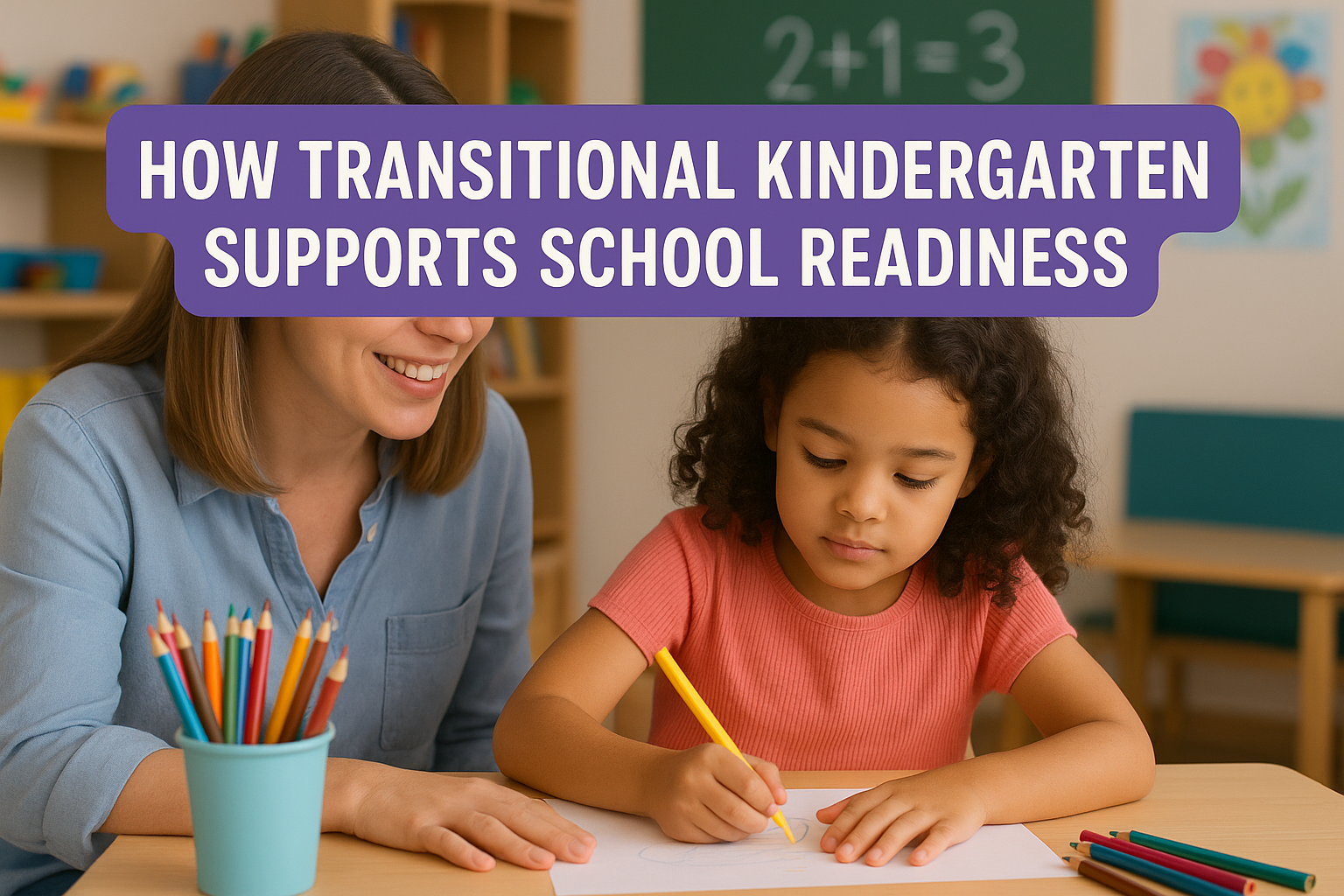

“`html
As parents prepare their little ones for the big leap into formal education, the question of school readiness becomes paramount. With early childhood education gaining recognition for its significance, transitional kindergarten (TK) has emerged as an essential stepping stone for young learners. But what exactly is transitional kindergarten, and how does it contribute to making children truly ready for the demands of school? In this article, we’ll explore the various aspects of transitional kindergarten, its benefits, practical insights, and why it holds a crucial place in the landscape of early education.
Understanding Transitional Kindergarten
Transitional kindergarten is often described as a bridge between preschool and traditional kindergarten. Usually aimed at children who are close to the age cutoff for kindergarten, TK provides an additional year of developmentally appropriate learning experiences. This program is designed for children who may not yet be ready for the academic and social challenges that come with a standard kindergarten environment.
The concept of transitional kindergarten is rooted in a philosophy that emphasizes the importance of developmentally appropriate practices. Unlike traditional kindergarten, which can sometimes focus heavily on academic skills, TK prioritizes the holistic development of a child, nurturing their social, emotional, and cognitive skills in a structured yet play-based environment.
The Importance of School Readiness
School readiness is not merely about knowing letters and numbers; it’s about equipping children with the emotional, social, and cognitive tools they need to thrive in an educational setting. Research shows that children who enter kindergarten with strong foundational skills are more likely to succeed academically in later grades. According to the National Center for Education Statistics, early educational experiences have long-lasting impacts on a child’s academic trajectory.
Social skills play a pivotal role in school readiness. The ability to interact positively with peers, follow instructions, and adapt to new environments sets the stage for future success. Transitional kindergarten addresses these facets of readiness by fostering collaborative play, problem-solving skills, and emotional regulation.
Key Benefits of Transitional Kindergarten
Transitional kindergarten offers a variety of benefits that can significantly enhance a child’s readiness for school. Here are some of the key advantages:
- Developmentally Appropriate Curriculum: TK programs are tailored to meet the needs of young learners, focusing on social-emotional and cognitive development rather than just academics.
- Socialization Opportunities: Children in TK interact with peers in a structured environment, helping them develop vital skills such as cooperation, sharing, and conflict resolution.
- Individual Attention: Smaller class sizes typically found in TK settings allow for more personalized attention from teachers, facilitating growth in various domains.
- Parental Involvement: Many TK programs encourage parental engagement, which can lead to stronger home-school connections and enhanced learning experiences.
- Preparation for Kindergarten: By focusing on the skills and behaviors that are essential for success in kindergarten, TK programs help ease the transition into the next level of education.
How Transitional Kindergarten Supports Social-Emotional Development
One of the cornerstones of transitional kindergarten is its emphasis on social-emotional learning (SEL). This aspect is crucial for children as they prepare for the complexities of a classroom environment. TK classrooms often implement SEL curricula that teach children to recognize their emotions, manage stress, and empathize with others. Through cooperative play and guided interactions, children learn how to express their feelings appropriately and resolve conflicts with peers. (See: Early Learning Programs from the U.S. Department of Education.)
Research from the Collaborative for Academic, Social, and Emotional Learning (CASEL) indicates that children who are exposed to SEL in their early years tend to have better academic outcomes, improved attitudes about school, and reduced behavioral issues. In transitional kindergarten, social-emotional learning is not just an add-on; it’s woven into the fabric of daily activities, promoting a well-rounded development that prepares children for future academic challenges. This builds on age requirements for TK.
Enhancing Cognitive Skills Through Play
Play is the primary vehicle for learning in transitional kindergarten. Unlike traditional educational approaches that often prioritize rote memorization, TK employs guided play that encourages exploration, creativity, and critical thinking. For instance, children engage in activities that require them to solve problems, work together, and think critically.
Through play-based learning, children develop essential cognitive skills such as language development, mathematical reasoning, and scientific inquiry. For example, a simple activity like building with blocks can lead to discussions about shapes, balance, and even basic physics principles. This hands-on approach to learning fosters a love for exploration and discovery, setting a positive tone for future academic endeavors.
Practical Insights for Parents Considering Transitional Kindergarten
If you’re a parent contemplating whether transitional kindergarten is the right fit for your child, there are several factors to consider:
- Child’s Readiness: Assess your child’s emotional and social readiness for school. If they seem hesitant or lack the ability to handle structured environments, TK might be a beneficial option.
- Local TK Programs: Research the transitional kindergarten programs available in your area. Look for those with strong reputations, qualified teachers, and a curriculum that aligns with your child’s needs.
- Parent Involvement: Consider how much the program encourages parental involvement. Programs that promote collaboration between home and school can create a supportive network for your child.
- Future Schooling: Investigate how TK programs feed into local kindergarten options. Understanding how transitional kindergarten fits into the broader educational landscape can help you make a more informed decision.
The Current Relevance of Transitional Kindergarten
In recent years, the emphasis on early childhood education has grown significantly, with many educators and policymakers recognizing its importance in fostering lifelong learning. This shift has made transitional kindergarten an increasingly relevant option for families. As of 2023, many states have expanded access to TK programs, making it a viable choice for a broader range of families.
In California, for example, the state has implemented policies to make transitional kindergarten available to all children who turn five between September and December, recognizing the need for additional early education opportunities. This expansion reflects a growing awareness of the role that transitional kindergarten can play in leveling the playing field for children from diverse backgrounds.
Moreover, the COVID-19 pandemic has underscored the need for strong social-emotional foundations as children return to in-person learning. The trauma and disruption caused by prolonged school closures have made the supportive environment provided by transitional kindergarten even more critical. Educators are now more attuned to the importance of SEL and developmental readiness, further solidifying the role of TK in early childhood education.
Statistics on Transitional Kindergarten Impact
Many studies highlight the significant benefits of transitional kindergarten. According to a 2021 report by the National Institute for Early Education Research (NIEER), children who attended TK programs scored, on average, higher on both literacy and math assessments than their peers who did not attend TK. This evidence suggests that TK is not just beneficial but crucial for laying the groundwork for future academic success. Additionally, children who participated in TK were 20% less likely to be retained in a grade compared to those who entered kindergarten directly. (See: CDC Milestones for Child Development.)
Another interesting statistic from the Education Commission of the States shows that states that have implemented TK programs have seen an increase in enrollment in kindergarten programs by up to 15%. This indicates that parents recognize the value of transitional kindergarten as an effective preparatory step for their children.
Expert Perspectives on Transitional Kindergarten
Experts in early childhood education emphasize the importance of transitional kindergarten in children’s development. Dr. Rebecca M. Landa, a leading researcher in child development, states, “Transitional kindergarten serves as a critical buffer, allowing children to adapt to the academic demands of kindergarten while still engaging in the play-based learning that is essential for their growth.” This perspective reinforces the idea that TK is not merely an extra year of schooling but a necessary investment in developing the whole child.
Educators like Dr. Thomas P. Houghton, who specializes in early childhood pedagogy, argue that TK’s emphasis on social-emotional learning is particularly valuable in today’s educational landscape. “With the increasing pressures on students from a young age, TK provides a much-needed space for children to develop resilience and social skills, which are just as important as academic skills,” he explains.
Frequently Asked Questions about Transitional Kindergarten
What is the typical age range for children in transitional kindergarten?
Transitional kindergarten programs generally serve children who turn five between September and December, providing an extra year for those who may not be ready for traditional kindergarten.
How does transitional kindergarten differ from preschool?
While both transitional kindergarten and preschool focus on early childhood development, TK is more structured and aligns with the kindergarten curriculum, emphasizing both academic and social-emotional readiness for school, whereas preschool is often play-based without a formal curriculum.
What qualifications do teachers in transitional kindergarten need?
Teachers in transitional kindergarten typically need to have a credential in early childhood education, with training specifically in teaching young children. Many programs also require experience working with preschool-aged children.
Are there costs associated with transitional kindergarten?
In many states, transitional kindergarten is offered free of charge as part of the public education system. However, some private institutions may charge tuition. It’s essential to check with local programs for specific details. (See: NIH on Early Childhood Learning.)
How can I find a transitional kindergarten program near me?
To find a TK program, start by checking with your local school district or state education department. Many states have online resources that provide information on available programs, enrollment requirements, and deadlines.
The Future of Transitional Kindergarten
Looking ahead, the future of transitional kindergarten appears promising. As more researchers and educators advocate for early childhood education, policies are likely to evolve, expanding access to TK in various communities. This can lead to a surge in programs that prioritize individualized learning experiences, social-emotional growth, and parental involvement.
Additionally, as we learn more about the long-term benefits of TK, there will likely be increased funding and resources allocated to these programs. This could include professional development for teachers, enhanced curriculum materials, and better facilities that make TK a more attractive option for families. See also foundations of early education.
Conclusion: Embracing Transitional Kindergarten for a Brighter Future
Transitional kindergarten stands out as a proactive approach to addressing the diverse needs of young learners. By focusing on the whole child, TK prepares children not just for kindergarten, but for a successful educational journey ahead. From enhancing social-emotional skills to fostering cognitive development through play, transitional kindergarten lays the groundwork for lifelong learning.
As parents, educators, and communities continue to advocate for robust early education systems, understanding the transformative role of transitional kindergarten becomes increasingly important. It’s more than merely an additional year of school; it’s a vital investment in a child’s future, equipping them with the tools they need to succeed in an ever-changing world.
“`
Trending Now
Frequently Asked Questions
What is transitional kindergarten?
Transitional kindergarten (TK) serves as a bridge between preschool and traditional kindergarten, designed for children who may not be ready for the academic and social challenges of standard kindergarten. It offers developmentally appropriate learning experiences that prioritize holistic development in a structured, play-based environment.
How does transitional kindergarten help with school readiness?
Transitional kindergarten supports school readiness by equipping children with essential emotional, social, and cognitive skills. It focuses on nurturing these foundational skills in a supportive environment, ensuring that children are better prepared for the demands of formal education in kindergarten.
What are the benefits of transitional kindergarten?
The benefits of transitional kindergarten include enhanced social and emotional development, improved cognitive skills, and a smoother transition to traditional schooling. TK provides children with an additional year to grow and learn at their own pace, fostering a love for learning and confidence in their abilities.
Who should consider transitional kindergarten?
Transitional kindergarten is ideal for children who are close to the age cutoff for kindergarten but may need more time to develop necessary skills. Parents who feel their child would benefit from an extra year of growth and learning before starting formal schooling should consider enrolling them in a TK program.
Is transitional kindergarten the same as preschool?
No, transitional kindergarten is not the same as preschool. While both focus on early childhood education, TK is specifically designed to prepare children for kindergarten, emphasizing developmentally appropriate practices and a curriculum that aligns more closely with the expectations of formal schooling.
Have you experienced this yourself? We’d love to hear your story in the comments.



