

“`html
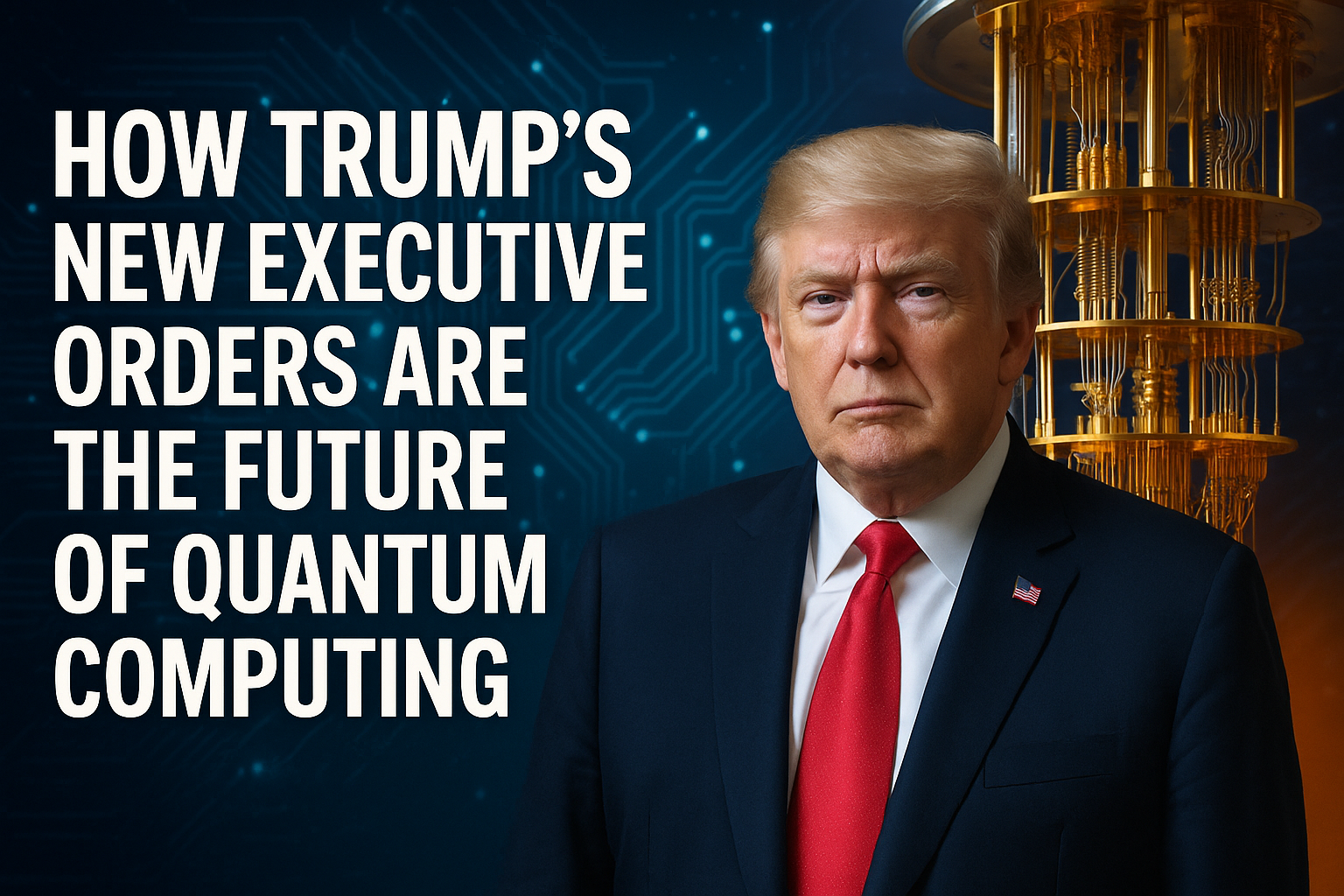
On June 22, 2026, President Trump signed two significant executive orders aimed at bolstering the United States’ efforts in quantum computing research. These orders represent a pivotal move in the national cybersecurity strategy, emphasizing the need for urgency in adapting to the evolving landscape of digital security. As quantum computing emerges, it poses a unique threat, one that could potentially dismantle current encryption standards and render sensitive information such as bank accounts, passwords, and emails vulnerable to exploitation. The ramifications of these orders are set to ripple through the tech industry, sparking a race among leaders in technology and security.
1. The Nature of the Executive Orders:
The two executive orders signed by Trump focus on enhancing the research capabilities and securing the advancements in quantum computing through federal intelligence agencies. By prioritizing this technology, the orders aim to establish the U.S. as a leader in quantum innovation, reflecting its importance in national security. These directives outline a vision for integrating quantum computing into national defense strategies and emphasize collaborative efforts between governmental bodies and private sectors.
Moreover, the executive orders highlight the need for increased funding and support for research initiatives. This development signals to tech companies and research institutions that there is a governmental commitment to not only fostering innovation but also to ensuring that the U.S. remains competitive in the global tech arena. The urgency depicted in the orders suggests that the government recognizes the ticking clock when it comes to quantum advancements and the potential threats they pose to cybersecurity.
2. Understanding Quantum Computing:
To grasp the implications of Trump’s executive orders, it’s essential to understand quantum computing. Unlike traditional computers that process information in binary (0s and 1s), quantum computers utilize quantum bits, or qubits. These qubits can exist in multiple states simultaneously, allowing quantum computers to perform complex calculations at speeds unattainable by classical computers.
This unprecedented power means that a fully operational quantum computer could break current encryption methods, which are foundational to our online security. For instance, RSA and ECC (Elliptic Curve Cryptography) are widely used encryption standards that could be rendered obsolete by quantum computing capabilities. Therefore, the push towards quantum computing isn’t just about advancements in technology; it’s about safeguarding vital data in a rapidly changing digital landscape.
3. National Security Concerns:
The existential threat posed by quantum computing to encryption is a primary concern driving these executive orders. As quantum technology progresses, the likelihood of cyberattacks exploiting its capabilities increases dramatically. Intelligence agencies and cybersecurity experts warn that once quantum computers reach a certain level of maturity, they could decrypt sensitive information stored today, thus undermining the foundations of digital privacy.
By prioritizing quantum computing research, the U.S. aims to preemptively combat these threats. The executive orders encourage the development of quantum-resistant cryptography, which is crucial for protecting sensitive governmental and civilian information alike. As leaders in tech and security scramble to build robust encryption methods, the urgency is palpable, especially considering the implications for national security and economic stability.
4. Market Responses and the Tech Industry:
In the wake of the executive orders, tech companies are feeling both the pressure and the motivation to innovate. The fear of falling behind in the quantum race has resulted in a surge of investments in quantum technologies. Industry leaders are rapidly working to create quantum-resistant algorithms while also exploring the potential of quantum computing for various applications, from pharmaceuticals to financial modeling. (See: Trump's executive orders on quantum computing.)
The sense of urgency has sparked a competitive environment where firms that once may have taken a wait-and-see approach are now actively seeking partnerships with research institutions and the government. The narrative of a closing window to adapt to quantum threats has led to intense discussions and initiatives aimed at ensuring that the U.S. remains at the forefront of quantum innovation.
5. Social Media Buzz and Public Debate:
Trump’s executive orders have not only ignited a flurry of activity in the tech sector but have also caused a significant stir on social media platforms. The discussions around quantum computing and encryption have taken on a life of their own as experts and enthusiasts share their insights, warnings, and predictions. The idea that “nothing will be secure anymore” has become a focal point in these conversations, prompting both fear and fascination among the public.
As people engage with this emerging concept, the dialogue extends beyond tech circles. Issues of data sovereignty, privacy rights, and the government’s role in technology are being debated fiercely online. This growing awareness and discourse highlight the societal implications of quantum computing and the need for policy-making that reflects public concerns.
6. The Global Context:
The U.S. isn’t the only nation keen on leveraging quantum computing; countries like China and the European Union are also investing heavily in this transformative technology. Trump’s executive orders must be viewed within this global context, where competition for dominance in quantum technology is intensifying. The geopolitical implications of quantum computing extend beyond mere technological advancement; they touch on power dynamics, trade, and international relations.
As these countries race towards quantum supremacy, the U.S. must ensure that its strategies not only protect its cybersecurity interests but also position it favorably in the global tech hierarchy. This context adds layers of complexity to the executive orders, emphasizing the need for a comprehensive approach to quantum research that includes collaboration and strategic partnerships with allies.
7. The Future of Quantum Cryptography:
The executive orders are a clarion call for the development of quantum-resistant cryptography, which will be essential in safeguarding against the vulnerabilities posed by quantum computing. Researchers and companies are already engaging in the groundwork necessary to create new cryptographic standards that can withstand quantum decryption attempts. This builds on encryption flaws discovered.
However, transitioning to these new standards won’t be instantaneous. It requires extensive testing, validation, and, ultimately, widespread adoption across various sectors. As the government prioritizes this shift, it’s essential for organizations to begin integrating quantum-resistant algorithms into their systems proactively. With the clock ticking, the urgency for action is clear.
8. Challenges Ahead:
While Trump’s executive orders set a bold agenda for the future of quantum computing, significant challenges remain. For starters, the research landscape is filled with uncertainties regarding the pace of quantum advancements. While some experts believe that fully operational quantum computers are still years away, others argue that breakthroughs could happen sooner than anticipated.
Moreover, there’s the question of resource allocation. The funding designated for quantum research through these orders must be managed effectively to ensure it translates into meaningful advancements. Striking a balance between innovation and security, while also addressing ethical concerns surrounding data privacy and surveillance, will be critical as the U.S. navigates this new frontier. (See: NIST's role in quantum computing funding.)
9. Public Awareness and Education:
A pivotal aspect of this quantum evolution lies in public awareness and education. As quantum computing emerges, the general population must be informed about its implications. This education extends beyond just the tech-savvy; it encompasses everyone who uses digital services. Ensuring that citizens understand the potential risks and benefits of quantum technology will be crucial in fostering informed discussions and policy-making.
Moreover, educational institutions have a vital role to play in preparing the next generation of scientists and cybersecurity experts. By integrating quantum computing into curricula, schools and universities can nurture talent that will drive future innovations and security measures.
10. Frequently Asked Questions (FAQ):
What are quantum computing and its implications?
Quantum computing utilizes quantum bits (qubits) to perform calculations at unprecedented speeds. Its implications include the potential to break current encryption systems, posing risks to data security.
How do Trump’s executive orders affect national security?
The executive orders prioritize research into quantum computing and quantum-resistant cryptography, aiming to safeguard national security against future cyber threats posed by quantum technology.
What are quantum-resistant algorithms?
Quantum-resistant algorithms are cryptographic methods designed to be secure against attacks from quantum computers. Their development is essential as quantum computing technology becomes more accessible.
What challenges do we face with the transition to quantum technology?
Challenges include the pace of technological advancements, effective allocation of resources, and the need for widespread adoption of new security standards. Additionally, there are ethical considerations regarding privacy and surveillance.
Why is public education about quantum computing important?
Public education is critical to ensure that everyone understands the implications of quantum technology, fostering informed discussions about privacy rights, data security, and government roles in technology.
11. The Intersection of Quantum Computing and Artificial Intelligence:
As the U.S. pushes forward with its quantum computing initiatives, an intriguing intersection with artificial intelligence (AI) is emerging. Quantum computing has the potential to enhance machine learning algorithms and other AI applications significantly. For instance, quantum algorithms could potentially analyze vast datasets far faster than classical algorithms, leading to breakthroughs in various fields, including healthcare, finance, and environmental science. (See: Quantum computing and cybersecurity implications.)
The synergy between quantum computing and AI could mean creating smarter systems that can adapt to new data in real time, improving decision-making processes. This aspect not only promises to drive innovation but also raises questions about ethics and the need for regulations around AI technologies, especially those that could become more potent with quantum capabilities.
12. Investments in Quantum Startups:
The executive orders have also catalyzed a wave of investments in quantum startups. Venture capitalists recognize the immense potential of quantum technology and are starting to funnel funds into emerging companies dedicated to solving quantum-related challenges. These investments are crucial as they provide the necessary resources for research and development.
Startups focusing on quantum software, hardware, and applications are being supported by both private and public funding. For instance, companies working on quantum cloud computing services are gaining traction, making quantum computing more accessible to smaller businesses and researchers. The growing ecosystem surrounding quantum technology is likely to foster innovation and accelerate the development of practical applications.
13. The Bottom Line:
Trump’s executive orders signal a new era for quantum computing in the U.S., one that intertwines innovation with urgent national security considerations. As the country grapples with the implications of quantum computing, the response from the tech industry, the government, and the public will define the trajectory of cybersecurity in the years to come.
In this critical moment, stakeholders must prioritize collaboration and transparency while addressing the challenges posed by this revolutionary technology. As the race for quantum supremacy heats up, one thing is clear: the decisions made today will shape the future of digital security for generations.
“` We covered cybersecurity legislation changes in more detail.
Trending Now
- Join EverAI: A Unique Opportunity in AI Video Editing Courses and Cinematic Creation
- How Social Learning Theory and Positive…
- our breakdown of the connection between temperament and emotional regulation in preschoolers
- this guide on nonverbal communication challenges in students with autism
- the complete explanation
Frequently Asked Questions
What are Trump's executive orders on quantum computing?
On June 22, 2026, President Trump signed two executive orders to enhance U.S. efforts in quantum computing research. These orders prioritize federal support for quantum technology, aiming to secure advancements in this field and integrate it into national defense strategies.
How do Trump's executive orders impact cybersecurity?
The executive orders emphasize the urgency of adapting to quantum computing's potential threats to current encryption standards. By bolstering research and development, they aim to protect sensitive information from exploitation as quantum technology evolves.
Why is quantum computing important for national security?
Quantum computing is crucial for national security because it presents unique challenges to current encryption methods. The U.S. aims to lead in this technology to safeguard sensitive data and maintain a competitive edge against global threats.
What funding initiatives are included in the executive orders?
The executive orders highlight the need for increased funding and support for quantum computing research initiatives. This commitment signals to tech companies and research institutions that the government is dedicated to fostering innovation in this critical area.
What are the implications of quantum computing for the tech industry?
The implications of quantum computing for the tech industry include a competitive race among technology leaders to innovate and secure advancements. The executive orders are expected to spark significant developments in both cybersecurity and quantum technology.
Have you experienced this yourself? We’d love to hear your story in the comments.






