

“`html
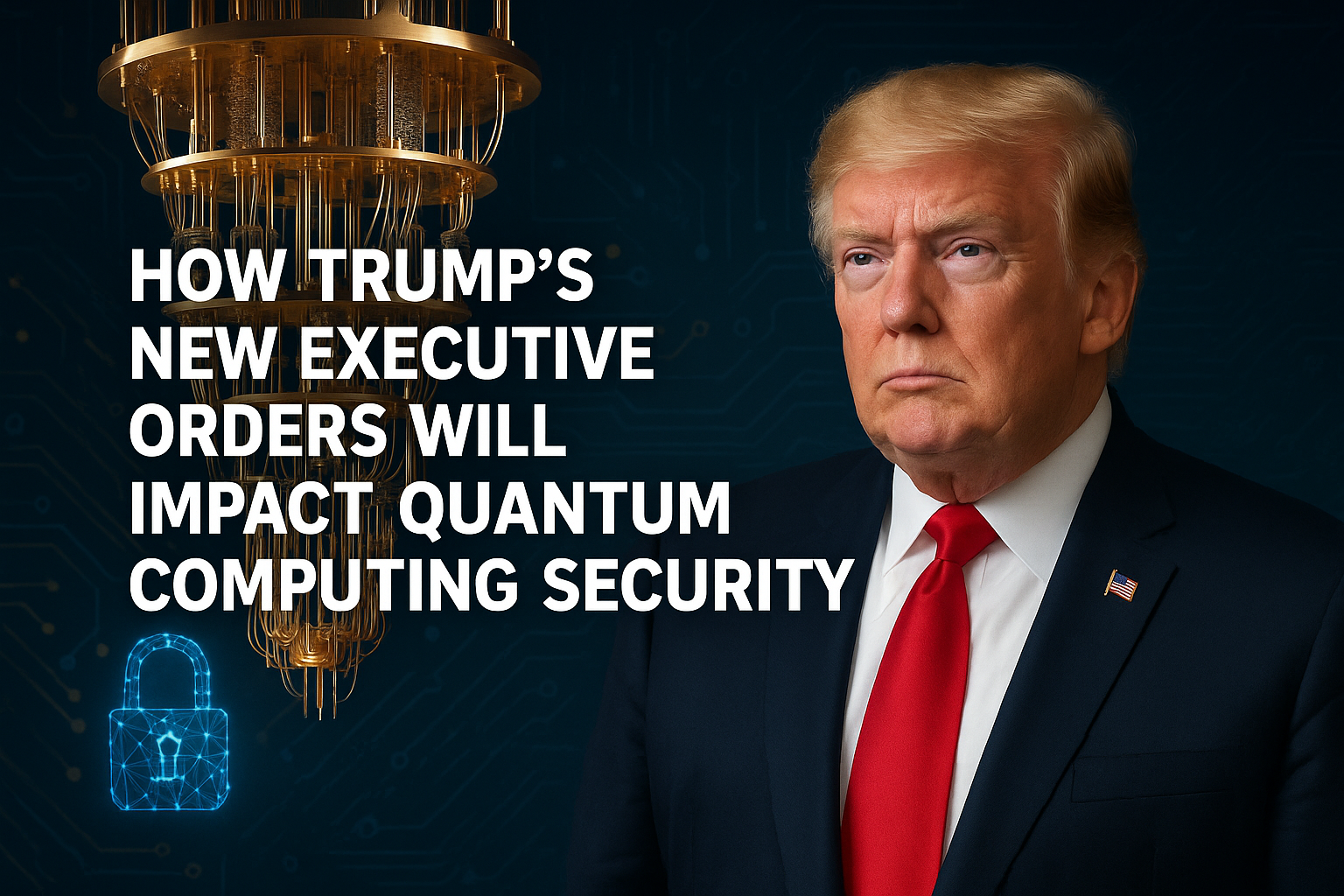
On June 22, 2026, President Trump took a decisive step in the evolving landscape of cybersecurity by signing two executive orders aimed at enhancing the United States’ position in quantum computing research. This move is not just a bureaucratic formality; it’s a signal that the government recognizes the profound implications of quantum computing on our digital security. Understanding the impact of Trump’s executive orders on quantum computing security is crucial for businesses and individuals alike, as we stand on the brink of a new era in data protection.
The Quantum Threat: A New Era for Encryption
Quantum computing represents a significant leap forward in computational power, potentially enabling machines to solve problems that are currently insurmountable for classical computers. While this could usher in breakthroughs across various fields, the most alarming implication is its impact on encryption. Current encryption standards, designed to protect everything from online banking to private communications, may become obsolete. Once a sufficiently powerful quantum computer is operational, it could decrypt sensitive data almost instantaneously.
For instance, RSA and ECC (Elliptic Curve Cryptography), two of the most widely used encryption methods, rely on mathematical problems that are easy to solve in one direction but exceedingly difficult in the reverse. Quantum computers, leveraging algorithms like Shor’s, could easily crack these encryptions, exposing sensitive data. The urgency to transition to quantum-resistant cryptography has never been more pronounced.
Trump’s Executive Orders: Key Features
The two executive orders signed by Trump focus primarily on nurturing quantum computing capabilities within the United States and ensuring that the nation can fend off emerging cybersecurity threats. Among the most notable aspects of these orders is the directive to federal agencies to prioritize research and development in quantum computing.
This prioritization includes funding for research initiatives, public-private partnerships, and collaboration between intelligence agencies and tech companies. The goal is to create a robust framework that not only advances quantum computing research but also integrates security measures that will combat the vulnerabilities posed by this technology.
Furthermore, these orders highlight the need for the federal government to actively engage with the private sector. As companies rush to develop quantum technologies, the orders stress that security protocols must evolve simultaneously. This collaboration could lead to a more secure digital environment, as both public and private sectors align their objectives.
The Urgent Shift to Quantum-Resistant Cryptography
The impact of Trump’s executive orders on quantum computing security cannot be overstated, particularly when it comes to the shift toward quantum-resistant cryptography. As discussions around data sovereignty and digital privacy become increasingly urgent, businesses must adapt to these new realities. The fear of a quantum-enabled breach looms large, creating a sense of urgency among tech leaders and security professionals alike.
The National Institute of Standards and Technology (NIST) has been working on standardizing quantum-resistant algorithms for several years. In light of the executive orders, companies are now feeling the pressure to transition from classical encryption to quantum-resistant solutions. This includes adopting post-quantum cryptographic algorithms that can withstand potential quantum attacks. There’s a fuller look at JPMorgan's alarming report.
Organizations must actively evaluate their current encryption methods and invest in research and development for quantum-resistant alternatives. Those who wait too long could find themselves exposed to data breaches and falling victim to cybercriminals leveraging quantum computing capabilities. (See: Overview of quantum computing.)
Business Implications: Strategies for Adaptation
The landscape of cybersecurity is shifting rapidly, and businesses must adapt their strategies in response to the implications of Trump’s executive orders. Here are a few actionable steps organizations can take to prepare for the quantum threat:
- Conduct a Security Audit: Begin by assessing the current encryption methods in place. Identify vulnerabilities and determine which systems require immediate upgrades.
- Invest in R&D: Allocate resources to research and develop quantum-resistant algorithms. Collaborating with tech firms specializing in quantum cryptography can provide valuable insights and speed up this process.
- Training and Awareness: Keep your teams informed about the evolving threats posed by quantum computing. Regular training sessions can help employees recognize potential vulnerabilities and understand new security protocols.
- Engage with Government Initiatives: Stay abreast of federal programs and funding opportunities related to quantum computing and cybersecurity. Engaging with government initiatives can provide additional resources and guidance.
The Social Media Buzz: Fear and Fascination
The signing of these executive orders has sparked a significant amount of discussion and debate across social media platforms. The narrative surrounding the impact of Trump’s executive orders on quantum computing security resonates with many individuals concerned about their digital privacy. The prospect of quantum computing making all current encryption methods obsolete is not just a technical issue; it’s a personal one that affects everyone, from everyday users to multinational corporations.
As people voice their concerns and anxieties, the urgency surrounding this topic has led to viral discussions about data sovereignty and the implications of having personal information exposed. The fear of a quantum-enabled breach adds an emotional layer to the conversation, pushing the urgency of transitioning to quantum-resistant solutions into the spotlight.
This rising “fear of missing out” among tech leaders and security professionals drives the narrative forward and creates a compelling case for immediate action. As organizations scramble to protect their data against this looming threat, the discussions on social media reflect the collective anxiety around the potential for loss of control over personal information.
Looking Ahead: The Future of Quantum Security
As we look to the future, the impact of Trump’s executive orders on quantum computing security will continue to unfold. The government’s focus on advancing quantum technologies is essential not only for national security but also for the economy. Quantum computing has the potential to drive innovation across multiple sectors, from healthcare to finance, but this potential can only be realized if adequate security measures are in place.
Businesses that proactively adapt to these changes will not only minimize their risks but also position themselves as leaders in their respective fields. This proactive approach will require a commitment to investing in new technologies and fostering a culture of security awareness among employees.
Ultimately, the question isn’t just about whether quantum computing will revolutionize our world; it’s about how prepared we are to face the challenges it brings. With the right strategies in place, organizations can thrive in this new landscape, turning potential threats into opportunities for growth.
As the deadline for transitioning to quantum-resistant cryptography approaches, the narrative continues to evolve. Those who act swiftly will secure their digital environments and pave the way for a more secure future in an increasingly quantum world.
Key Statistics on Quantum Computing and Security
To fully grasp the implications of Trump’s executive orders on quantum computing security, it’s helpful to look at some key statistics that illustrate the urgency of the situation:
- By 2030, it’s projected that quantum computers will be able to break current encryption methods: Experts estimate that within the next decade, quantum systems will reach a level of sophistication capable of threatening conventional cybersecurity frameworks.
- Over 90% of organizations are not prepared for quantum threats: A recent survey indicated that a staggering majority of businesses have not developed a strategy for transitioning to quantum-resistant technologies.
- Investment in quantum computing research is expected to exceed $10 billion by 2025: With government initiatives and private sector investments increasing, the push toward quantum research is accelerating significantly.
Expert Perspectives on Quantum Security
Industry experts have weighed in on the potential impact of Trump’s executive orders on quantum computing security. Here’s what some leaders in the field are saying: (See: NIST's quantum-safe cryptography research.)
“Quantum computing represents both a monumental opportunity and a significant risk. The executive orders are a step in the right direction but require diligent follow-through from both government and industry.” – Dr. Emily Stanton, Quantum Computing Researcher
“As we transition toward this new era, the collaboration between tech companies and federal agencies will be crucial. We cannot afford to move forward without robust security protocols in place.” – John Harris, Cybersecurity Analyst
FAQ: Understanding Trump’s Executive Orders and Quantum Computing Security
What are Trump’s executive orders about?
The executive orders focus on advancing quantum computing research and ensuring that the U.S. can defend against cybersecurity threats posed by quantum technologies.
Why is quantum-resistant cryptography important?
Quantum-resistant cryptography is crucial because current encryption methods may become vulnerable to quantum attacks, exposing sensitive data and compromising security.
How can businesses prepare for quantum threats?
Businesses can conduct security audits, invest in quantum-resistant R&D, train employees on emerging threats, and engage with government initiatives to stay up-to-date.
What is the role of the federal government in quantum research?
The federal government plays a vital role by funding research initiatives, fostering public-private partnerships, and promoting collaboration to enhance national security through quantum technology.
What is the timeline for transitioning to quantum-resistant solutions?
While there is no fixed timeline, experts recommend that organizations begin transitioning as soon as possible, with some estimates suggesting that preparations should be underway well before 2030.
How will quantum computing impact everyday users?
Everyday users could face increased risks to their personal data, including potential breaches of sensitive information. Understanding these risks and taking proactive steps can help mitigate exposure. (See: CDC's cybersecurity initiatives.)
Comparative Analysis: National Responses to Quantum Threats
It’s insightful to compare how different countries are responding to the challenges presented by quantum computing, especially regarding cybersecurity. For instance, while the U.S. is emphasizing public-private partnerships through Trump’s executive orders, countries like China are investing heavily in state-sponsored quantum research and development.
China has declared quantum technology a national priority, with significant funding allocated to its development in various sectors, including telecommunications, finance, and healthcare. Reports indicate that China aims to produce the world’s first quantum internet by 2030, raising concerns about the geopolitical implications of quantum advancements. This stark difference in approaches highlights a competitive landscape that could have profound implications for global cybersecurity protocols and standards.
The Importance of International Collaboration
As nations race to develop quantum computing capabilities, international collaboration will be crucial. The potential for quantum attacks is not limited by borders, making it imperative for countries to work together to establish global standards for quantum-resistant technologies. Initiatives like the European Union’s Quantum Flagship aim to foster collaboration among European countries to ensure they remain competitive in quantum technology development.
By sharing research, resources, and best practices, nations can better prepare for the inevitable challenges posed by quantum computing. This cooperative spirit can lead to more robust cybersecurity measures that protect not only national interests but also the global digital ecosystem.
Future Trends in Quantum Computing Security
As quantum technology continues to evolve, we can expect several trends to emerge within cybersecurity. One major trend is the rise of quantum key distribution (QKD), which utilizes the principles of quantum mechanics to secure communication channels. QKD aims to provide a method of securing information in a way that is theoretically invulnerable to eavesdropping. Businesses may begin to adopt QKD solutions as a proactive measure against potential quantum threats.
Additionally, there will likely be a greater focus on developing hybrid systems that combine classical encryption methods with quantum-resistant algorithms. This transitional phase will help organizations maintain a level of security against existing threats while preparing for the future landscape shaped by quantum computing.
“`
Trending Now
Frequently Asked Questions
What are Trump's new executive orders on quantum computing?
On June 22, 2026, President Trump signed two executive orders aimed at enhancing the U.S. position in quantum computing research. These orders focus on fostering quantum computing capabilities and addressing emerging cybersecurity threats, recognizing the potential risks quantum computing poses to digital security.
How will quantum computing affect encryption security?
Quantum computing poses a significant threat to current encryption methods like RSA and ECC, which rely on complex mathematical problems. Quantum computers could potentially decrypt sensitive data almost instantaneously, rendering traditional encryption obsolete and highlighting the urgent need for quantum-resistant cryptography.
What is quantum-resistant cryptography?
Quantum-resistant cryptography refers to encryption methods designed to be secure against the capabilities of quantum computers. As traditional encryption standards become vulnerable, transitioning to these advanced cryptographic techniques is crucial for protecting sensitive data from potential decryption by quantum machines. See also Recent cybersecurity breaches by Claude.
Why is the U.S. focusing on quantum computing research?
The U.S. is focusing on quantum computing research to maintain its competitive edge in technology and cybersecurity. With the potential for quantum computing to disrupt current security measures, the government aims to ensure national security by investing in research and developing quantum-resistant solutions.
What are the implications of Trump's executive orders for businesses?
Trump's executive orders signal a shift in how businesses must approach cybersecurity. Companies need to prepare for the potential impact of quantum computing on encryption and data protection, which may involve updating their security protocols to adopt quantum-resistant technologies.
What did we miss? Let us know in the comments and join the conversation.


