

“`html
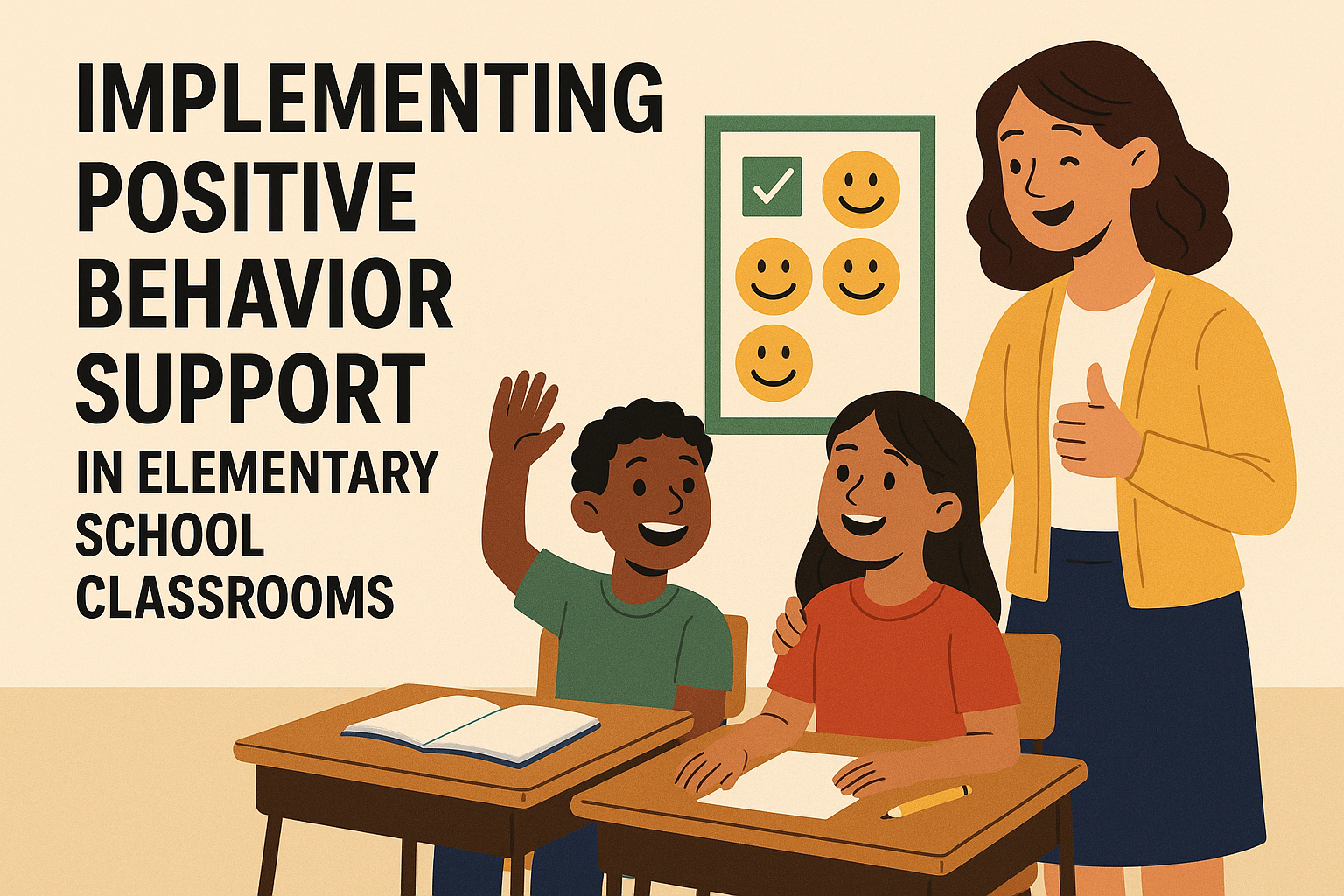
Implementing effective classroom management strategies is crucial in fostering an environment conducive to learning. One of the most promising approaches currently gaining traction is positive behavior support technology. This method shifts the focus from punitive measures to proactive support, emphasizing positive reinforcement over punishment. In this article, we will explore the fundamentals of positive behavior support, delve into its implementation in elementary school classrooms, and examine how technology enhances these efforts.
Understanding Positive Behavior Support
Positive behavior support (PBS) is an evidence-based framework designed to improve student behavior while creating positive school environments. Originating from behavioral psychology, PBS aims to identify and modify the factors that contribute to behavioral issues. Instead of merely reacting to negative behaviors, PBS encourages teachers to understand the underlying causes and provide supportive interventions.
The concept of PBS consists of three tiers: universal interventions for all students, targeted interventions for those at risk, and individualized supports for students with specific needs. Each tier builds on the previous one, allowing for a comprehensive approach to behavior management. The ultimate goal is to promote prosocial behaviors and reduce incidents of disruptive conduct. This builds on understanding social learning.
The Benefits of Positive Behavior Support Technology
When we talk about positive behavior support technology, we’re referring to the integration of digital tools and resources that facilitate the implementation of PBS principles in the classroom. These tools can range from behavior tracking software to digital reward systems. Here are some key benefits of incorporating technology into PBS:
- Data-Driven Insights: Technology allows educators to track and analyze student behavior data over time, providing insights into trends and patterns. This data can inform targeted interventions and help educators adjust their strategies accordingly.
- Engagement: Digital systems often make learning and behavior management more engaging for students. Gamified elements, such as earning points for positive behavior, can motivate students to adhere to classroom rules.
- Consistency: Technology promotes consistency in behavior management practices. With clear expectations and rewards communicated through digital platforms, all staff members can support positive behavior uniformly.
Implementing Positive Behavior Support Technology in the Classroom
Transitioning to a positive behavior support system can be transformative for both educators and students. Here are some practical steps to effectively implement PBS in elementary classrooms:
1. Establish Clear Expectations
The first step in a successful PBS initiative is to establish clear, consistent expectations for student behavior. It’s essential for educators to collaboratively create a set of rules that are easy to understand and apply. For example, rules like “Be Respectful,” “Be Responsible,” and “Be Safe” can serve as a foundation for a positive classroom culture.
Once these expectations are set, they should be communicated clearly to students. Consider using visual aids, such as posters or digital slides, to reinforce understanding. When students know what’s expected of them, they are more likely to meet those expectations.
2. Utilize Behavior Tracking Tools
Incorporating behavior tracking tools is a cornerstone of effective positive behavior support technology. Many digital platforms allow teachers to log instances of positive and negative behaviors. This data can inform decisions about individualized supports and help identify students who may need additional assistance.
For instance, software such as ClassDojo provides teachers with a user-friendly dashboard to track student behaviors. Educators can award points for positive behavior and share progress with parents in real-time, fostering a collaborative approach to behavior management. (See: CDC on youth behavior support.)
3. Implement a Reward System
Recognizing and rewarding positive behaviors is integral to the PBS framework. A well-structured reward system can significantly impact student motivation. Technology can enhance this process through customizable reward systems that allow students to earn points or badges for meeting behavior expectations.
For example, schools might use a digital platform to allow students to redeem points for various rewards, such as extra recess time or a homework pass. This not only reinforces desired behaviors but also empowers students to take ownership of their actions.
4. Provide Professional Development for Educators
Successful implementation of positive behavior support technology hinges on well-trained educators. Providing professional development opportunities ensures that teachers are equipped with the knowledge and skills necessary to effectively employ PBS strategies.
Workshops and training sessions can focus on how to analyze behavior data, utilize tracking software, and develop positive reinforcement strategies. A collaborative approach where teachers share successes and challenges can foster a supportive community as they implement these new tools.
Challenges in Implementing Positive Behavior Support Technology
While the advantages of positive behavior support technology are numerous, it’s essential to recognize potential challenges that schools may face during implementation:
- Resistance to Change: Some educators may be hesitant to shift from traditional disciplinary methods to a more supportive approach. It’s crucial to address these concerns through open dialogue and demonstrate the effectiveness of PBS.
- Access to Technology: Not all schools have equal access to technological resources. Ensuring that all students benefit from PBS technology may require creative solutions, such as utilizing shared devices or seeking funding for necessary tools.
- Data Privacy Concerns: As with any technology that collects student data, there are valid concerns regarding privacy and security. Schools must prioritize data protection and ensure compliance with regulations such as FERPA.
Real-World Applications of Positive Behavior Support Technology
Many schools across the country have successfully implemented positive behavior support technology, yielding impressive results. For example, an elementary school in California reported a 30% reduction in disciplinary referrals after introducing a PBS framework combined with behavior tracking software.
Another case study from a school district in Texas highlighted the use of ClassDojo, where teachers documented positive behavior and communicated with parents. As a result, not only did student behavior improve, but parent involvement in school activities also increased significantly.
These examples underscore that when thoughtfully integrated, positive behavior support technology can lead to a healthier school climate and enhance student outcomes.
The Future of Positive Behavior Support in Education
Looking ahead, the integration of technology into positive behavior support strategies is likely to continue evolving. As innovations emerge, educators can expect even more sophisticated tools that offer real-time analytics and personalized insights into student behavior. (See: NIH on behavioral interventions.)
Moreover, the ongoing trend of incorporating social-emotional learning (SEL) into PBS frameworks underscores the recognition that teaching students to manage emotions and build relationships is as crucial as academic instruction. PBS technology can facilitate SEL initiatives by promoting empathy, conflict resolution, and effective communication.
Ultimately, the aim of positive behavior support technology is not merely to reduce misbehavior but to cultivate an environment where all students thrive. By focusing on the positive aspects of behavior and leveraging technology’s capabilities, schools can create a supportive atmosphere that encourages personal and academic growth.
Integration of Positive Behavior Support Technology with Other Educational Initiatives
Positive behavior support technology does not exist in isolation; rather, it can be integrated with various educational initiatives to create a holistic approach to student development. For example, when PBS is combined with restorative practices, schools can create environments where students are encouraged to reflect on their actions, learn from mistakes, and repair relationships rather than merely face consequences.
Integrating PBS technology with SEL programs enhances the focus on emotional intelligence in students. By using digital platforms to teach empathy and conflict resolution, educators can facilitate discussions that help students understand their emotions and those of their peers, leading to a more inclusive school culture.
Frequently Asked Questions about Positive Behavior Support Technology
What is positive behavior support technology?
Positive behavior support technology includes digital tools and resources that help implement positive behavior support principles in educational settings. This can involve behavior tracking software, reward systems, and communication platforms for educators and parents.
How does positive behavior support differ from traditional discipline methods?
Unlike traditional discipline methods that often focus on punishment, positive behavior support emphasizes understanding the root causes of behavior and implementing proactive measures to encourage positive actions. The goal is to create a supportive environment that nurtures student growth.
Can positive behavior support technology be used in secondary education as well?
Yes, while the primary focus of this article is on elementary education, positive behavior support technology can be effectively adapted for secondary education settings. The principles remain the same, but the tools and approaches might be tailored to better suit older students’ maturity levels and social dynamics.
What are some examples of positive behavior support technology tools?
Examples of positive behavior support technology include ClassDojo, PBIS Rewards, Kickboard, and Classcraft. These platforms provide various functions for tracking behavior, rewarding students, and facilitating communication between teachers and parents.
How can schools overcome resistance to implementing positive behavior support technology?
Overcoming resistance often involves providing thorough training for educators, showcasing success stories from other schools, and fostering a collaborative environment where teachers can share their experiences and challenges. Open communication and support from administration are also vital. For more on this, see top tech tools.
Comparative Analysis of Positive Behavior Support Technology and Traditional Methods
When considering classroom management strategies, it’s important to evaluate the effectiveness of positive behavior support technology against traditional methods. Traditional approaches often employ a punitive framework, relying heavily on consequences for negative behavior, while PBS technology focuses on proactive support. Research indicates that schools utilizing PBS report lower rates of suspensions and expulsions compared to those that primarily use punitive measures.
For instance, a longitudinal study by the University of Oregon found that students in PBS schools experienced a significant decrease in behavioral incidents over time, while traditional schools showed stagnant or increasing behavioral issues. The integration of technology into PBS not only enhances the tracking and analysis of behaviors but also engages students more effectively, making the learning environment more interactive and motivating.
The Role of Parents and Community in Positive Behavior Support
Involving parents and the wider community is essential for the success of positive behavior support technology. When parents understand the PBS framework and how technology plays a role in it, they can reinforce positive behaviors at home. Schools can use technology to create communication channels that keep parents in the loop about their child’s progress and behavioral goals.
Community engagement can further enhance PBS strategies. Local organizations can partner with schools to provide enrichment programs that align with PBS principles, offering students additional opportunities to develop positive behaviors in various settings. Events that include parents, students, and community members can also serve as platforms for sharing PBS successes and generating support for ongoing initiatives.
Conclusion
Implementing positive behavior support technology in elementary classrooms represents a transformative shift in educational practices. With clear expectations, the right tools, and a commitment to ongoing professional development, teachers can foster a nurturing environment where students feel valued and motivated to succeed.
“`
Trending Now
Frequently Asked Questions
What is positive behavior support in schools?
Positive Behavior Support (PBS) is an evidence-based framework aimed at improving student behavior and creating positive school environments. It focuses on identifying and modifying factors contributing to behavioral issues, promoting prosocial behaviors through proactive support rather than punitive measures.
How can technology enhance positive behavior support?
Technology enhances Positive Behavior Support by providing digital tools like behavior tracking software and reward systems. These tools help educators analyze student behavior data, identify trends, and implement targeted interventions, ultimately fostering a more supportive classroom environment.
What are the tiers of positive behavior support?
Positive Behavior Support consists of three tiers: universal interventions for all students, targeted interventions for at-risk students, and individualized supports for those with specific needs. This tiered approach allows for comprehensive behavior management tailored to different levels of support.
Why is positive reinforcement important in classroom management?
Positive reinforcement is crucial in classroom management as it encourages desirable behaviors rather than merely punishing negative ones. By focusing on rewarding positive actions, educators create a more supportive and motivating learning environment that enhances student engagement and reduces disruptive conduct.
What are the benefits of implementing PBS in elementary schools?
Implementing Positive Behavior Support in elementary schools leads to improved student behavior, a more positive school climate, and reduced incidents of disruption. It fosters a proactive approach to behavior management, helping teachers support students effectively and enhance overall learning outcomes.
What did we miss? Let us know in the comments and join the conversation.



