
“`html
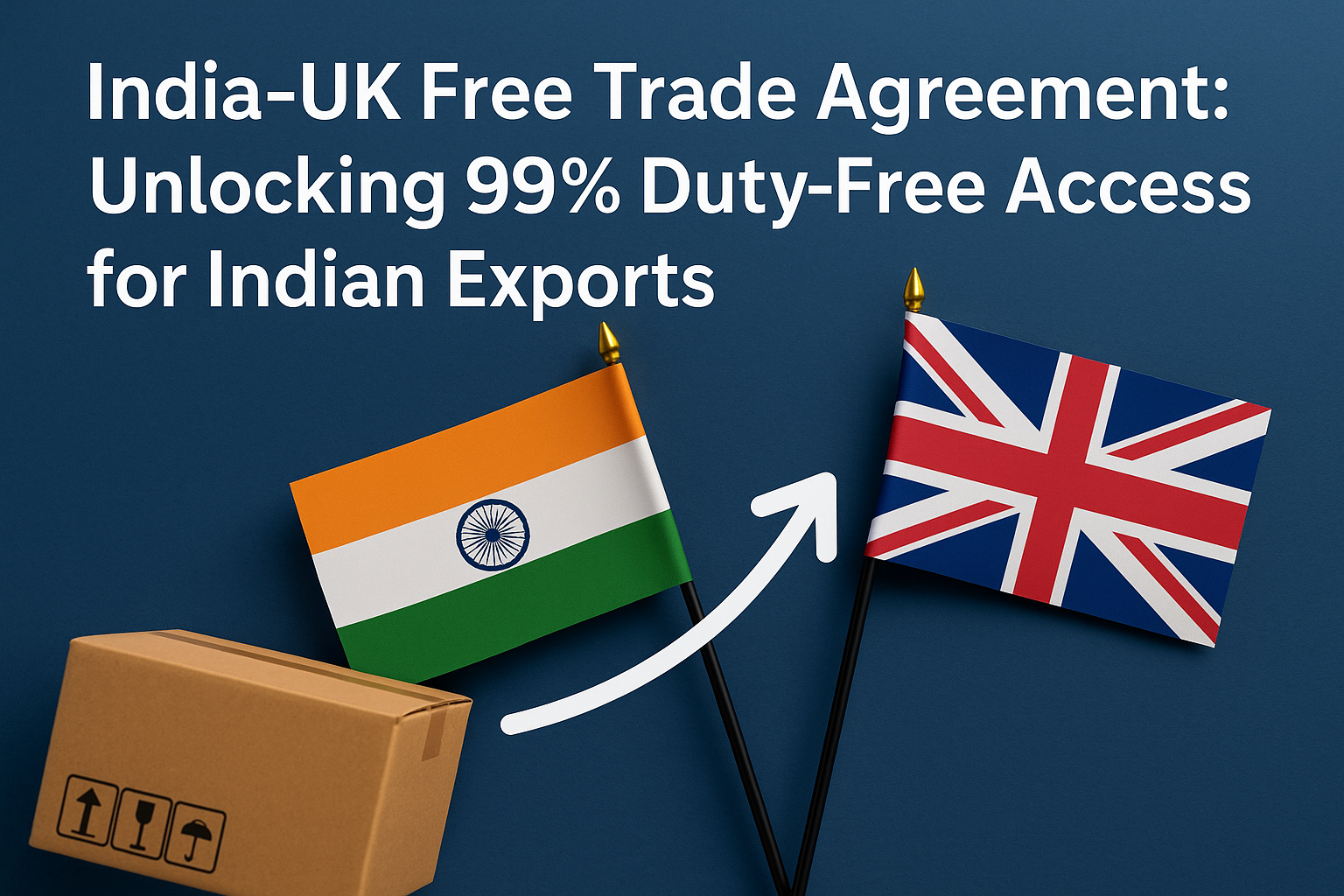
The landscape of trade between India and the UK has transformed dramatically with the launch of the India UK free trade agreement today. This monumental agreement grants zero-duty access for a staggering 99% of Indian exports to the UK market, a move that is anticipated to reshape the economic dynamics between these two nations significantly. As this agreement takes effect, both business leaders and investors are closely monitoring its implications, which promise to have immediate impacts on export profitability and market expansion opportunities.
The Significance of the Agreement
The India UK free trade agreement is not merely a routine trade deal; it represents a monumental shift in how trade can be conducted between the two countries. Historically, trade barriers have constrained economic growth, but the provision for zero duties on nearly all exported goods from India signals a new era of collaboration. This agreement is expected to bolster India’s economy while opening new avenues for UK businesses to source diverse goods from one of the largest emerging markets in the world.
The sheer scale of this agreement cannot be understated. With 99% of exports now duty-free, sectors including textiles, pharmaceuticals, and agricultural products are set to experience a significant surge in demand from UK consumers. This move makes India an increasingly attractive supplier for British businesses, which can now procure quality goods at more competitive prices.
Economic Implications for India
For India, the India UK free trade agreement is being celebrated as a historic economic win. The reduction of trade barriers is expected to enhance export profitability, encouraging Indian manufacturers to scale up production. This is particularly important in the current global economic climate, where competitiveness can make or break a business. Indian exporters now have an unprecedented opportunity to expand their market reach without the added burden of tariffs, which have often stifled growth.
Moreover, the agreement could lead to increased foreign direct investment (FDI) from the UK into India. With the dismantling of tariffs, UK businesses are likely to view India as a viable and lucrative market. This could result in job creation and technological advancements as businesses collaborate to meet the demands of a growing export market.
Concerns in the UK Market
While the India UK free trade agreement has garnered enthusiasm in India, it has also stirred controversy within the UK. Some sectors are expressing concerns about potential job displacement resulting from increased competition. Industries that rely heavily on domestic production may struggle to compete with the influx of cheaper Indian goods, leading to fears of layoffs and a reduction in wage levels.
Additionally, there are worries about quality control and standards. With a significant rise in imported goods, the UK may face challenges related to product safety and regulatory compliance. Businesses and policymakers must ensure that imports adhere to domestic standards to protect consumers and maintain the integrity of the market.
Social Media Buzz and the Fear of Missing Out
The announcement of this agreement has ignited a firestorm of discussions across social media platforms. Business leaders and entrepreneurs are engaging in conversations about the strategic implications of the India UK free trade agreement, seeking insights on how best to leverage this opportunity. The emotional engagement from both sides of the trade spectrum is palpable. In India, there’s a sense of national pride and optimism, while in the UK, there’s a mix of excitement and apprehension. (See: BBC on India UK trade relations.)
The fear of missing out (FOMO) is driving businesses to rapidly explore avenues to capitalize on this new market landscape. Companies looking to expand their offerings are conducting extensive research to understand how they can best position themselves in the UK market. This urgency is leading to a surge in searches and inquiries about export opportunities, showcasing the competitive nature of the current trade environment.
Comparative Analysis: India vs. Other Trade Partners
When analyzing the India UK free trade agreement, it’s essential to compare it with India’s other trade partnerships. India has been actively pursuing free trade agreements with various countries, aiming to bolster its economic position in the global market. For instance, the recently concluded RCEP (Regional Comprehensive Economic Partnership) highlights India’s strategic approach to enhancing its trade relationships.
However, the UK agreement stands out due to its immediate impact on exports. Unlike some agreements that take years to realize benefits, the zero-duty access for 99% of Indian exports signifies a rapid pathway to market entry. This sets India apart from other nations that may face gradual tariff reductions, positioning it uniquely in its trade strategy.
Looking Ahead: The Future of Trade Relations
The India UK free trade agreement marks the beginning of a new chapter in trade relations, but what does the future hold? As both countries navigate this partnership, the emphasis will be on collaboration and adaptability. For Indian exporters, the focus will be on maintaining quality standards and building relationships with UK buyers, which could lead to long-term sustainability in the market.
On the other hand, UK businesses will need to ensure that they remain competitive by embracing innovation and efficiency. This could involve sourcing goods from India while simultaneously investing in local industries to mitigate the potential backlash from the influx of imports.
Moreover, the agreement may serve as a blueprint for future trade deals between India and other countries. Successful implementation could inspire similar agreements, further enhancing India’s position in the global market.
Potential Sectors for Growth
Several sectors stand to benefit significantly from the India UK free trade agreement. Key among them are textiles, where India is already a leading exporter. The UK is one of the largest consumers of textiles in Europe, and with zero duties, Indian manufacturers can offer competitive prices. The pharmaceutical industry is another area ripe for growth, especially as demand for generic medicines continues to rise. Indian pharmaceutical companies, known for their quality and affordability, can expand their footprint in the UK.
The agricultural sector also stands to gain. With the UK increasing its demand for diverse food products, Indian farmers and exporters can meet this need efficiently. Products such as spices, fruits, and vegetables could see significant increases in exports. In 2022, India was already one of the top suppliers of basmati rice to the UK, and this agreement could enhance that status even further.
Expert Perspectives on the Agreement
Experts in trade policy view the India UK free trade agreement as a strategic move that reflects a larger trend toward bilateral trade relations. Dr. Priya Kumar, a trade economist, noted, “This agreement is a testament to the growing economic ties between India and the UK. It not only enhances India’s position as a global supplier but also allows the UK to diversify its import sources, reducing dependency on a limited number of countries.”
Similarly, Professor James Anderson, a specialist in international trade law, commented, “The real challenge lies in the implementation of the agreement. Both nations must ensure that their regulatory frameworks are aligned to maximize the benefits of this deal. This includes addressing concerns related to quality standards and consumer protection.” (See: New York Times on trade agreements.)
FAQ Section
What is the India UK free trade agreement?
The India UK free trade agreement is a bilateral trade agreement that eliminates tariffs on 99% of Indian exports to the UK, aimed at boosting economic ties and trade levels between the two nations.
Which sectors will benefit the most?
Sectors such as textiles, pharmaceuticals, and agriculture are expected to benefit significantly, as they are major export sectors for India and will now have greater access to the UK market.
What are the potential downsides for the UK?
Concerns include potential job displacement in sectors that face increased competition from Indian imports, as well as challenges regarding quality control and product safety standards.
Will this agreement lead to job creation in India?
Yes, the agreement is expected to encourage foreign direct investment from the UK into India, which could lead to job creation and increased economic activity in various sectors.
How will this affect consumers in the UK?
Consumers in the UK may benefit from lower prices and greater availability of Indian products. However, they may also need to stay informed about quality standards and product safety as the influx of imports increases.
New Opportunities in Digital Trade
In addition to traditional sectors, the India UK free trade agreement opens doors for digital trade, which has become increasingly significant in today’s economy. As e-commerce continues to grow, opportunities for collaboration in sectors such as technology, software development, and digital services are on the rise. The UK, with its robust digital economy, could partner with Indian tech firms to foster innovation and drive growth. This includes sharing knowledge, technology, and best practices that can enhance the digital landscape of both countries.
For instance, India’s IT sector, known for its skilled workforce, can collaborate with UK firms to provide software solutions, cybersecurity, and IT services, catering to the growing demand for digital transformation in various industries. This not only benefits businesses but also creates a conducive environment for startups on both sides to flourish. (See: Reuters coverage of the trade agreement.)
Statistical Insights on Trade Growth
Statistical projections suggest that the India UK free trade agreement could boost bilateral trade volumes significantly. According to a recent report, bilateral trade is expected to increase by over 20% in the next five years following the implementation of this agreement. The increase is expected to translate into approximately $50 billion in additional trade, underscoring the potential economic impact on both nations.
This growth is not just limited to exports. The UK is poised to increase its imports of Indian goods, particularly in the technology and services sectors, further deepening the trading relationship. Enhanced trade can lead to increased GDP growth rates for both countries, fostering economic resilience amidst global challenges.
Long-term Strategic Alliances
As the India UK free trade agreement takes root, it is likely to encourage long-term strategic alliances between businesses in both countries. Collaborations in research and development, particularly in pharmaceuticals and technology, can stimulate innovation and lead to the development of cutting-edge products and services. Such partnerships will be crucial for addressing global challenges, including healthcare and climate change.
For example, Indian pharmaceutical companies could partner with UK firms to develop new vaccines or treatments, leveraging both nations’ strengths in research and manufacturing. These alliances can create a win-win scenario, allowing for shared expertise and resources while addressing pressing health issues around the globe.
Conclusion: Embracing Opportunities Amidst Challenges
The launch of the India UK free trade agreement is a transformative moment that brings with it both opportunities and challenges. As businesses and policymakers navigate this new terrain, the focus must be on collaboration, adaptability, and strategic thinking. While the promise of increased exports and market access is enticing, it is equally important to address the concerns that arise from such a significant shift in trade dynamics.
Both nations have the chance to harness the potential of this agreement for mutual benefit. By embracing innovation, maintaining quality standards, and fostering relationships, businesses can thrive in this new environment. As the trade landscape evolves, it will be crucial for stakeholders to remain vigilant, responsive, and engaged with the ongoing changes that this historic agreement brings.
“`
Trending Now
Frequently Asked Questions
What is the India UK Free Trade Agreement?
The India UK Free Trade Agreement is a significant trade deal that allows 99% of Indian exports to enter the UK market duty-free. This agreement aims to enhance economic collaboration between the two nations by reducing trade barriers and promoting the exchange of goods.
How does the India UK Free Trade Agreement benefit Indian exporters?
Indian exporters benefit from the India UK Free Trade Agreement through zero-duty access for a majority of their goods. This reduction in trade barriers enhances export profitability and encourages manufacturers to increase production, thereby expanding their market reach in the UK.
What sectors will benefit the most from the India UK Free Trade Agreement?
Sectors such as textiles, pharmaceuticals, and agricultural products are expected to benefit significantly from the India UK Free Trade Agreement. With nearly all exports becoming duty-free, these industries are likely to see a surge in demand from UK consumers.
What are the economic implications of the India UK Free Trade Agreement for the UK?
For the UK, the India UK Free Trade Agreement presents an opportunity to source a diverse range of goods from India at competitive prices. This can enhance supply chain efficiency and provide British businesses with access to quality products from one of the largest emerging markets.
When did the India UK Free Trade Agreement take effect?
The India UK Free Trade Agreement was launched recently, marking a transformative moment in trade relations between India and the UK. The agreement is now in effect, allowing for immediate impacts on export profitability and market expansion opportunities.
What did we miss? Let us know in the comments and join the conversation.