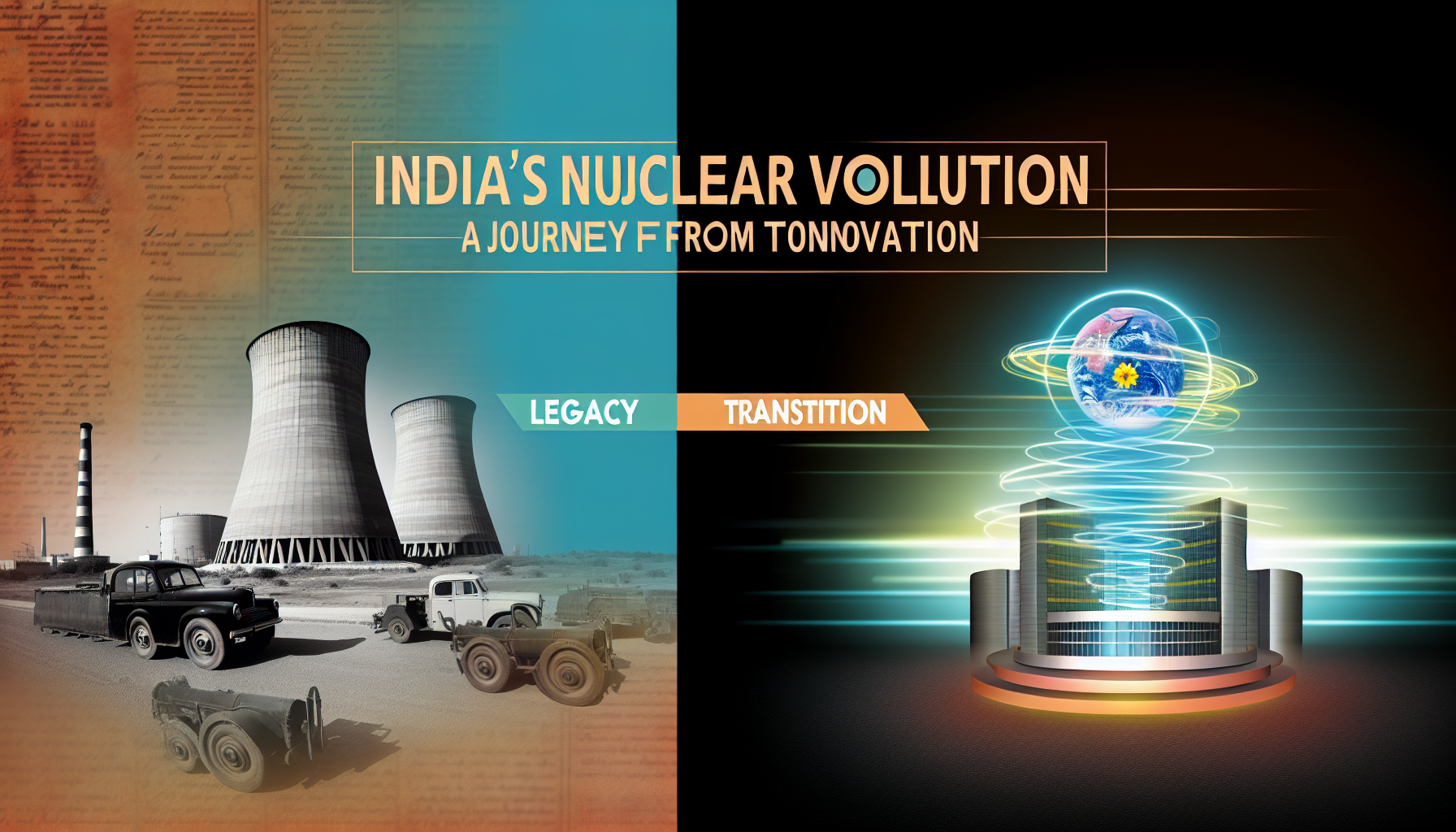

India’s journey in the nuclear power sector is a remarkable narrative of resilience, innovation, and safety. As the nation continues to harness the power of nuclear energy, it operates the world’s oldest commercial nuclear power reactors while simultaneously advancing cutting-edge technology. This dual capability showcases India’s nuclear maturity and commitment to safety, as emphasized by Mr. Bhuwan Chandra Pathak, the Chairman and Managing Director of the Nuclear Power Corporation of India Ltd (NPCIL).
The Oldest Reactors: A Testament to Safety and Reliability
At the heart of India’s nuclear legacy are the Tarapur Atomic Power Stations (TAPS), comprising Units 1 and 2, which began their journey over 57 years ago. These reactors are not only the oldest commercial nuclear reactors still in operation but also serve as a testament to the country’s commitment to maintaining high safety standards. Despite their age, TAPS has successfully navigated the challenges of aging infrastructure, demonstrating that with proper maintenance and management, older reactors can operate safely and efficiently.
Operational Excellence Over Decades
With over 650 reactor-years of operational experience, India has cultivated a strong safety culture within its nuclear power sector. This extensive experience is invaluable, as it provides insights into reactor management, safety protocols, and emergency response mechanisms. Mr. Pathak has highlighted that this accumulated knowledge is crucial in ensuring the safe operation of both legacy and modern reactors.
Advancements in Nuclear Technology
Just days before the publication of the report, India commissioned the Prototype Fast Breeder Reactor (PFBR) at Kalpakkam, marking a significant milestone in its nuclear technology landscape. The PFBR represents the next generation of nuclear reactors, designed to utilize the country’s vast thorium reserves and enhance energy security.
The Role of Fast Breeder Reactors
Fast breeder reactors are pivotal in the nuclear energy landscape as they generate more fissile material than they consume. This unique capability allows countries like India to maximize their nuclear fuel resources and pave the way for a sustainable energy future. The PFBR at Kalpakkam is a crucial step in India’s three-stage nuclear power program, which aims to fully utilize its thorium resources.
Nuclear Policy and International Relations
India’s nuclear journey has not been without its challenges, particularly regarding technology denial from other nations due to its non-signatory status to the Nuclear Non-Proliferation Treaty (NPT). Despite these hurdles, India has made significant strides in developing indigenous technology and capabilities. The successful operation of both old and new reactors reflects the nation’s determination to establish itself as a key player in the global nuclear energy sector.
Building Alliances and Collaborations
In recent years, India has sought to strengthen its nuclear partnerships internationally, engaging with countries such as the United States, France, and Russia to enhance its nuclear technology and safety measures. These collaborations are designed to bolster India’s technological capabilities while ensuring compliance with international standards.
Safety as a Core Principle
Central to India’s nuclear policy is an unwavering commitment to safety. The lessons learned from past nuclear incidents globally have shaped India’s approach to nuclear safety. Rigorous training programs, regular safety drills, and a transparent safety culture are integral components of the operational protocol at all Indian nuclear facilities.
Emergency Preparedness and Response
India has implemented comprehensive emergency preparedness and response plans to address potential nuclear incidents. These plans involve coordination with local, state, and national authorities to ensure a rapid and effective response. The emphasis on safety and preparedness not only protects the public but also instills confidence in the community regarding the safety of nuclear energy.
Future Directions for India’s Nuclear Energy
Looking ahead, India aims to significantly increase its nuclear power generation capacity as part of its broader energy strategy. The government has set ambitious targets to achieve 63,000 MW of nuclear power by 2032, which would account for a substantial portion of the nation’s energy mix.
Investing in Research and Development
To achieve these goals, India is investing heavily in research and development to enhance its nuclear technology capabilities. The focus is not only on improving existing reactor designs but also on exploring alternative technologies, such as small modular reactors (SMRs) and advanced nuclear systems.
Public Perception and Acceptance
Public perception of nuclear energy in India has evolved over the years. While there are concerns about safety and the environmental impact of nuclear waste, many recognize the role of nuclear power in achieving energy security and reducing carbon emissions. Educational initiatives aimed at increasing awareness about the safety and benefits of nuclear energy are crucial in fostering public support.
Community Engagement Initiatives
- Community engagement programs that promote transparency and dialogue about nuclear projects.
- Workshops and seminars to educate the public on nuclear technology and safety measures.
- Collaboration with local governments to address community concerns and feedback.
Conclusion: A Bright Future for Nuclear Energy in India
India’s nuclear energy sector stands at a pivotal juncture, balancing the operation of legacy reactors with the introduction of advanced technologies. As the country navigates the complexities of energy security, safety, and environmental sustainability, its commitment to nuclear power remains steadfast. With ongoing advancements and a focus on safety, India is poised to emerge as a leader in the global nuclear energy landscape, showcasing a successful model of integrating old and new technologies for a sustainable future.
In conclusion, India’s nuclear frontline exemplifies both a rich history and a forward-looking vision, demonstrating that a nation can embrace the challenges of technological evolution while prioritizing safety and environmental stewardship. As India continues to grow its nuclear capabilities, it not only sets a benchmark for itself but also offers valuable lessons for the global community in the pursuit of clean and reliable energy sources.