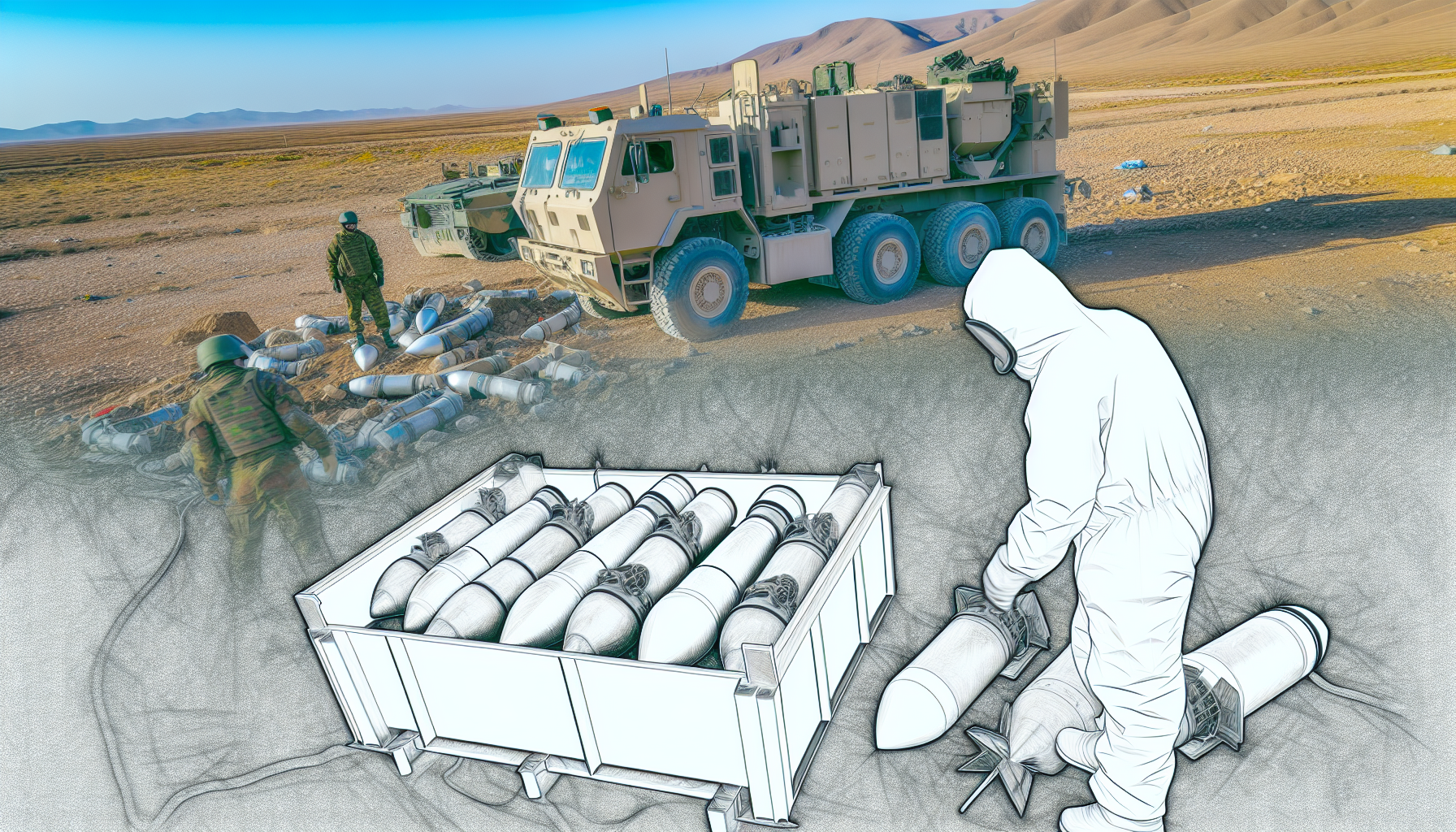

In a significant display of military readiness and accountability, Iran’s Islamic Revolutionary Guard Corps (IRGC) has successfully executed a large-scale operation to destroy unexploded military munitions in Zanjan Province. This action, reported on April 27, 2026, involved the elimination of unexploded bunker-busters, 9,500 bomblets, and 52 rockets, and serves as a critical effort to address the remnants of recent military conflicts. The operation underscores the Iranian government’s commitment to ensuring safety and security within its borders while simultaneously highlighting its ongoing military cleanup initiatives amid heightened tensions in the region.
Context of the Destruction
The destruction of these munitions comes at a time when Iran is facing increasing scrutiny and pressure from various international actors, particularly the United States and its allies, including Israel. The presence of unexploded ordnance poses a significant threat to civilian safety and can lead to unintended casualties if not addressed promptly. By carrying out this destruction, Iran aims to mitigate these risks and demonstrate its ability to manage the aftermath of military engagements.
The Cleanup Operation
The IRGC, known for its pivotal role in Iran’s military strategies, conducted the destruction operation in Zanjan Province, a region that has seen its share of military activity in recent years. The choice to target unexploded bunker-busters and a large cache of bomblets reflects a methodical approach to addressing the dangers posed by these munitions.
Unexploded ordnance, especially bomblets, can remain dormant for extended periods, only to become deadly hazards for unsuspecting civilians. The operation not only serves a practical purpose but also sends a message of strength and resolve from the Iranian government to its constituents and adversaries alike.
International Reactions
The international community’s response to Iran’s military actions has varied significantly. While some nations commend Iran’s efforts to enhance safety through the destruction of these munitions, others express concern over the continued military activities and the implications for regional stability.
The ongoing tension between Iran and the United States remains a focal point of international discourse. As the IRGC completes its cleanup initiatives, diplomatic channels between these nations remain fraught with challenges. However, recent developments indicate potential pathways for negotiations.
Negotiation Framework with the U.S.
In a related development, Iran has proposed a three-phase negotiation framework aimed at de-escalating tensions with the United States. This proposal, reported by Al Mayadeen, outlines a structured approach to addressing various contentious issues that have strained relations between the two countries. The proposed phases include:
- Phase One: Establishing ceasefire guarantees against US-Israeli military actions in both Iran and Lebanon.
- Phase Two: Coordinating efforts regarding the strategic Strait of Hormuz with the involvement of Oman.
- Phase Three: Engaging in discussions about Iran’s nuclear program, which has been a longstanding point of contention.
This structured approach reflects Iran’s desire for a diplomatic resolution while simultaneously asserting its military capabilities. The proposal signifies a willingness to engage in dialogue, yet its success will depend on the responses from the U.S. and its allies.
The Role of the Strait of Hormuz
The Strait of Hormuz, a critical maritime chokepoint, plays a significant role in global oil transportation and trade. Approximately 20% of the world’s oil supply passes through this narrow waterway, making its security paramount not only for Iran but for the global economy.
Iran’s inclusion of Oman in the negotiation framework reflects a recognition of the importance of regional partnerships in ensuring maritime security. Oman has historically played a mediating role in Middle Eastern conflicts and could facilitate dialogue between Iran and the United States, potentially leading to a more stable regional environment.
Nuclear Program Discussions
Iran’s nuclear program has been a contentious issue for over a decade, with Western nations expressing concerns over the potential development of nuclear weapons. The third phase of Iran’s proposed negotiation framework aims to address these concerns directly.
Despite the complexities surrounding the nuclear program, Iran maintains that its nuclear activities are intended for peaceful purposes, particularly in energy production. The negotiations will likely involve discussions around compliance with international regulations and transparency regarding Iran’s nuclear intentions.
Domestic Implications of Military Actions
The destruction of unexploded munitions and the proposed negotiation framework have significant implications for domestic politics in Iran. The Iranian government, particularly the IRGC, is keen to project strength and stability to its populace amidst external pressures.
By addressing the remnants of military conflict through cleanup efforts, the government seeks to reassure citizens of their safety and security. This is particularly important in light of ongoing economic challenges and social unrest that have emerged in recent years.
Public Perception and National Pride
The destruction of these munitions is likely to be framed by Iranian media as a significant achievement for the IRGC and the government, reinforcing a narrative of national pride and resilience. The military’s ability to manage the consequences of conflict is often portrayed as a testament to Iran’s sovereignty and strength.
As Iran navigates its complex geopolitical landscape, the actions taken by the IRGC and the government will play a crucial role in shaping public perception and national identity. Maintaining a strong military presence while pursuing diplomatic negotiations can enhance the perception of Iran as a formidable player on the global stage.
Conclusion
The recent destruction of unexploded munitions in Zanjan Province highlights Iran’s commitment to addressing the remnants of military conflict while simultaneously navigating a challenging international landscape. As the nation embarks on a proposed three-phase negotiation framework with the United States, the outcomes of these discussions will significantly impact regional stability and Iran’s future military and diplomatic strategies.
As tensions continue to simmer, the world watches closely to see how Iran balances its military readiness with diplomatic outreach. The actions taken by the Iranian government in the coming months will undoubtedly shape the geopolitical dynamics of the Middle East and beyond.