
“`html
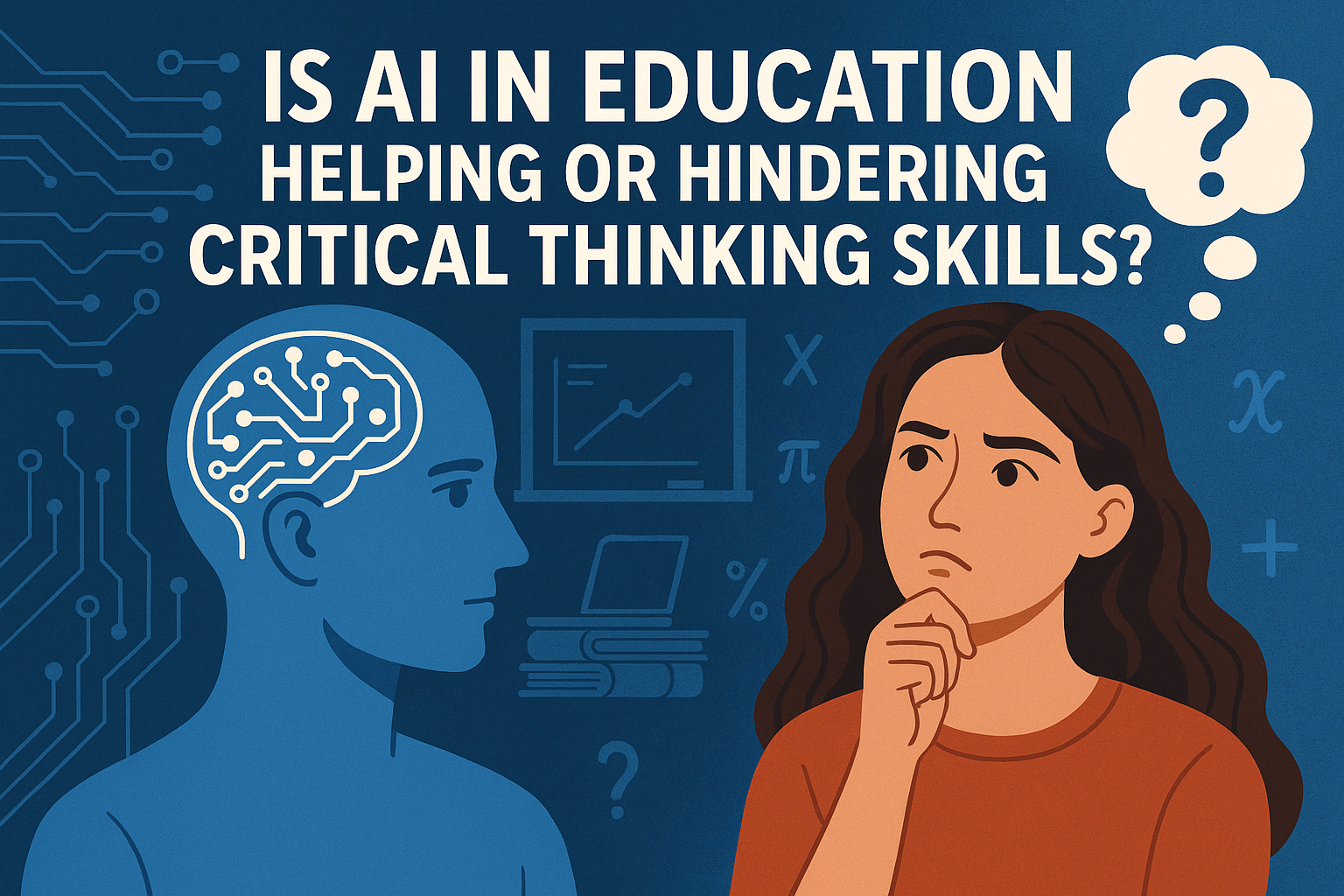
As artificial intelligence (AI) continues to permeate various aspects of our lives, its effect on education has become a focal point of discussion. The emergence of generative AI technologies has sparked a heated debate about their role in enhancing or detracting from critical thinking skills among students. In this exploration of AI in education, we will delve into the implications of these technologies, the emotional stakes involved, and the potential policy outcomes that could shape the future of learning.
The Rise of Generative AI in Education
Generative AI refers to technology that can produce content, ranging from text and images to music and even video, based on input data. In the context of education, tools like ChatGPT and similar applications have become increasingly popular among students. They provide assistance in completing assignments, generating ideas, and even drafting essays. This ease of access to information can be a double-edged sword.
On one hand, generative AI can empower students by offering support in organizing and articulating their thoughts effectively. This capability can be particularly advantageous for learners struggling with the initial stages of the writing process or those who have learning disabilities. However, the very nature of this assistance raises critical questions about the “friction of learning,” which is essential for fostering critical thinking skills.
The Friction of Learning: What Does It Mean?
The term “friction of learning” refers to the struggle students often face when grappling with new concepts. This struggle is integral to the educational process as it encourages deeper reasoning, critical analysis, and problem-solving abilities. When students are forced to organize their thoughts and articulate them clearly, they engage in a process that refines their critical thinking skills.
However, generative AI has the potential to significantly reduce this friction. By offering polished and coherent content, AI tools can inadvertently allow students to bypass the rigorous cognitive processes required for effective learning. This can lead to a concerning trend where students rely on technology to do the heavy lifting, potentially stunting their intellectual growth.
Emotional and Policy Stakes
The intersection of AI and education is rife with emotional implications for various stakeholders, including parents, educators, and students. As concerns about educational integrity rise, many worry about the implications of AI on academic honesty. Students might be tempted to use AI-generated content as a shortcut, which could lead to issues of plagiarism and a devaluation of genuine learning experiences. (See: U.S. Department of Education.)
From a policy perspective, the need to establish guidelines governing the use of AI in educational settings has become imperative. Institutions must navigate the delicate balance between leveraging technology to enhance learning and safeguarding the foundational skills that education is meant to instill. Policies must address how AI tools can be integrated into curricula while ensuring that students continue to engage deeply with content.
AI and the Future of Critical Thinking
As we consider the implications of AI in education, it is crucial to understand the long-term effects on critical thinking skills. Educators are increasingly tasked with finding ways to incorporate AI into their teaching without compromising the core competencies students need to succeed. This includes fostering a culture of inquiry, encouraging debates, and emphasizing project-based learning that necessitates collaboration and critical evaluation of ideas.
One promising approach is to teach students how to leverage AI as a tool for enhancement rather than a crutch. By integrating AI tools into the educational framework, educators can guide students in using these technologies to supplement their learning while still engaging with the material on a deeper level. This dual approach could help students develop skills in critical thinking while becoming proficient in the use of AI technologies.
Examples of Successful Integration of AI in Education
Several educational institutions have begun exploring ways to integrate AI into their curricula successfully. For instance, some universities have adopted AI-driven platforms that assist students in writing by providing feedback on their work while also encouraging them to refine their arguments. These platforms can suggest improvements, identify areas that need more support, and enhance overall quality without doing the work for the student.
Moreover, educators have started to implement AI tools in classrooms to facilitate discussions. For example, AI can analyze student responses and provide real-time data on class engagement, allowing instructors to adjust their teaching methods to better address students’ needs. By adopting such strategies, institutions can create a learning environment that embraces innovation while still emphasizing the importance of critical thinking.
Addressing Concerns Surrounding AI in Education
Despite the potential benefits of AI in education, it is essential to address the numerous concerns surrounding its implementation. One of the most pressing issues is the risk of decreased critical thinking skills among students. If students become accustomed to relying on AI for answers, there is a genuine fear that they may not develop the analytical abilities necessary to navigate complex problems in their future careers.
To mitigate these risks, educators and parents must engage in open discussions about the role of AI in learning. Transparency about the advantages and limitations of these technologies can help students understand the importance of their own contributions to the learning process. By fostering an environment of accountability and emphasizing the value of original thought, we can better prepare students for a future in which AI plays an integral role. (See: New York Times on AI in Education.)
Statistics Highlighting AI’s Impact on Education
The impact of AI on education is not just a theoretical discussion; various studies and statistics underline its growing influence. According to a recent report by the International Society for Technology in Education (ISTE), about 85% of educators believe that AI tools can enhance their teaching methods. Furthermore, a survey conducted by McKinsey & Company found that schools using AI have reported a 30% improvement in student engagement and performance metrics.
Additionally, research from Stanford University indicates that students who used AI writing assistants improved their writing scores by an average of 1.5 letter grades. This shows not only an enhancement in performance but also indicates that when used correctly, AI can serve as a valuable educational ally rather than a replacement for student effort.
Expert Perspectives on AI in Education
Experts in the field of education technology provide important insights into the role of AI in modern learning environments. Dr. Cathy Davidson, a renowned educator and author, emphasizes that AI should be viewed as a collaborative partner in the learning process. “AI can help democratize access to information, but it is crucial that we teach students how to critically engage with this information rather than passively consume it,” she notes.
Similarly, Dr. John Lee, an education technologist, asserts that the integration of AI must be approached thoughtfully. “As we embrace AI technologies, we must remain focused on enhancing the human experience in education. The goal should be to empower students, not to replace the essential human connections that underpin effective learning,” he argues.
Comparisons: Traditional vs. AI-Enhanced Learning
To better understand the implications of AI in education, it is useful to compare traditional learning methods with AI-enhanced approaches. Traditional learning often relies on rote memorization and standardized testing, which can stifle creativity and critical thinking. In contrast, AI-enhanced learning encourages exploration and personalized feedback, allowing students to learn at their own pace and style. (See: Research on AI and learning outcomes.)
For instance, in a traditional classroom, a student may struggle with a math concept and receive limited help from the teacher due to time constraints. However, with AI-driven tutoring systems, that same student can receive immediate, tailored support to address their specific weaknesses, thereby fostering a more profound understanding of the material.
Strategies for Responsible AI Use in Education
As artificial intelligence becomes more prevalent in educational contexts, it’s essential to strategize its responsible use. One effective method is to create a framework that emphasizes ethical AI usage, where students learn not only to use AI tools but also to understand their implications and limitations. This framework can include guidelines on how to critically assess AI-generated content and differentiate between machine-produced and human-created work.
Moreover, incorporating lessons on ethics in technology can enhance students’ understanding of the societal impacts of AI. For instance, students can engage in discussions about bias in AI algorithms and the importance of diversity in training data. This not only cultivates a critical mindset but also prepares students for ethical decision-making in their future careers.
FAQs: Understanding AI in Education
- How can AI enhance critical thinking skills?
AI can provide support in organizing thoughts and generating ideas, which can aid students in articulating their arguments better. However, it should be used to supplement, not replace, traditional learning methods. - What are the risks of using AI in education?
The primary risks include potential reliance on AI for completing tasks, which can decrease students’ critical thinking abilities and lead to issues of plagiarism. - How can educators integrate AI effectively?
Educators should focus on creating a balanced curriculum that incorporates AI tools while emphasizing the importance of engaging deeply with the material. - Are there successful examples of AI integration in education?
Yes, many universities have started using AI-driven platforms to assist students in writing and facilitating discussions, ensuring that technology enhances rather than detracts from learning. - What future skills should students develop in an AI-driven educational landscape?
Students should focus on developing critical thinking, emotional intelligence, creativity, and adaptability to thrive in an AI-integrated world. - How can parents support their children in using AI responsibly?
Parents can encourage open conversations about AI’s role in education, emphasizing the importance of personal effort and critical analysis when engaging with AI tools. - What role should teachers play in an AI-enhanced classroom?
Teachers should act as facilitators, guiding students to use AI as a tool for enhancing their learning while ensuring that critical thinking and personal engagement remain at the forefront of education. - How does AI personalize learning experiences for students?
AI can analyze individual student data to tailor learning materials and assessments, allowing for a more customized educational experience that meets each student’s unique needs.
The ongoing conversation surrounding AI in education is critical as it forces us to reassess the purpose of learning in an increasingly automated world. The balance between harnessing AI’s potential benefits and preserving the essential skills that education is meant to cultivate remains a pressing issue. By engaging in thoughtful discussions and developing actionable policies, we can ensure that the integration of AI enriches the educational experience rather than undermines it.
“`
Trending Now
- our breakdown of the shocking truth about google’s may 2026 core update and its impact on your rankings
- 10 Game-Changing Google Ranking Factors for…
- the complete explanation
- this guide on 10 essential travel tips you need to know for your next adventure
- Discover How the Google Antigravity Browser…
Frequently Asked Questions
How does AI impact critical thinking skills in students?
AI can both enhance and hinder critical thinking skills in students. While it offers support in organizing thoughts and generating ideas, it may reduce the 'friction of learning' that is vital for developing deeper reasoning and problem-solving abilities.
What is generative AI in education?
Generative AI in education refers to technologies that create content such as text, images, and music based on user input. Tools like ChatGPT assist students in completing assignments and brainstorming ideas, raising important questions about their impact on learning.
What is the 'friction of learning'?
The 'friction of learning' describes the struggle students face when learning new concepts. This struggle is crucial as it promotes critical analysis and problem-solving, helping students refine their critical thinking skills through active engagement.
Can AI be beneficial for students with learning disabilities?
Yes, AI can be particularly beneficial for students with learning disabilities by providing support in organizing and articulating their thoughts, making it easier for them to navigate the writing process and engage with educational material.
What are the potential policy outcomes regarding AI in education?
Potential policy outcomes regarding AI in education may focus on regulating its use to ensure it supports rather than undermines critical thinking skills, promoting balanced integration while addressing the emotional and educational stakes involved.
Agree or disagree? Drop a comment and tell us what you think.