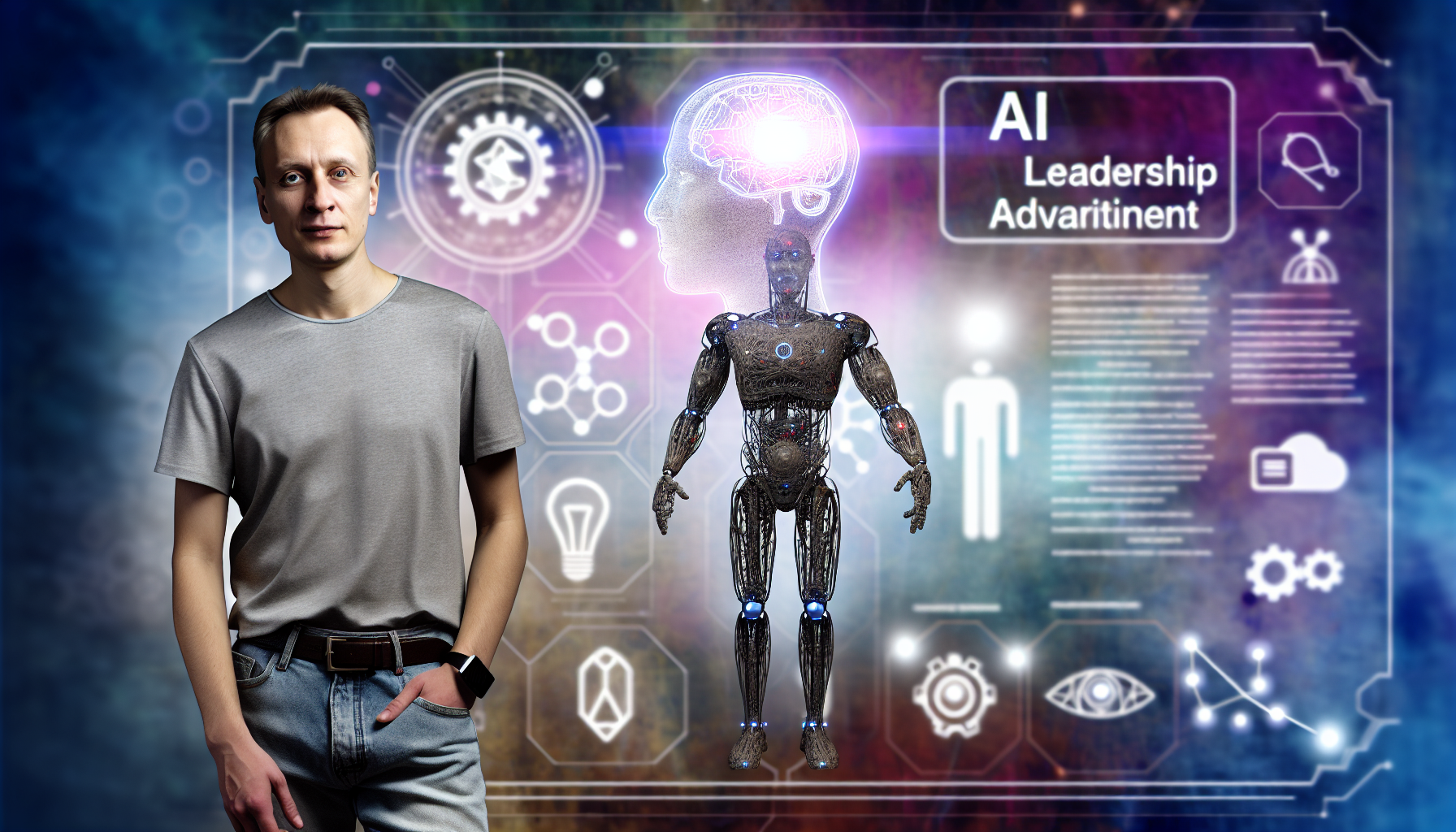

In an era where artificial intelligence (AI) is rapidly transforming industries, the question on everyone’s lips is: Is Meta building a Mark Zuckerberg AI clone? This inquiry has gained attention as reports reveal that Meta is not merely dabbling in AI but is heavily investing in creating an executive AI model trained to mimic the style and decision-making processes of its founder and CEO, Mark Zuckerberg. The implications of this endeavor could reshape corporate leadership, authenticity, and accountability as AI technology becomes increasingly integrated into executive roles.
The Push Towards AI in Leadership
According to recent insights from Crescendo AI and reports from the Financial Times, Meta is on course to spend a staggering $115 to $135 billion on AI technologies over the coming years. This investment is reflective of a broader trend in which major companies are exploring the use of AI not just in operational capacities but also in leadership functions. With the introduction of advanced AI systems capable of simulating human behaviors, the question arises: can an AI effectively manage and lead a company?
The Mark Zuckerberg AI Clone
The development of a Mark Zuckerberg AI clone at Meta is particularly intriguing. This AI model is designed to engage with employees, provide advice, and assist in decision-making processes by leveraging a vast amount of data on Zuckerberg’s leadership style and public persona. By analyzing his past interactions, business decisions, and management philosophies, this AI is being fine-tuned to replicate the nuances of his approach.
Such a clone could revolutionize internal communication and operational efficiency within Meta. Imagine a scenario where employees could interact with a digital version of Zuckerberg, gaining insights and advice that align closely with his thoughts and strategies. This technology not only aims to streamline communication but also to uphold the authenticity of leadership within an organization.
Implications for Corporate Leadership
The creation of an AI clone of a prominent leader raises several critical questions about the future of corporate governance. As organizations like Meta lean into AI to assist in leadership roles, the following implications emerge:
- Authenticity: While an AI clone can mimic a leader’s style, it cannot replicate the human experience, emotional intelligence, or ethical considerations that come with real leadership. This raises concerns about the authenticity of leadership decisions made with AI assistance.
- Accountability: Who is accountable for the decisions made by an AI system? As AI systems become more independent, the lines of responsibility for choices made in corporate strategies could become blurred.
- Trust: Employees may trust a human leader’s judgment more than an AI clone’s. The relationship dynamics between leadership and employees could be impacted as reliance on AI increases.
As Meta continues to experiment with AI in leadership, it will be essential to monitor how these developments affect not only corporate culture but also employee engagement and trust.
The Muse Spark Model: A Proprietary Tool for the Future
Alongside the potential Mark Zuckerberg AI clone, Meta has unveiled the proprietary Muse Spark model. This innovative technology aims to enhance AI-driven creativity and productivity across its platforms. Muse Spark is expected to leverage advanced machine learning algorithms, enabling users to generate ideas and solutions in real-time. While the specifics of this model are still emerging, its integration could complement the Zuckerberg AI clone by streamlining decision-making processes and promoting innovative thinking within the company.
Debate on AI in Executive Roles
The introduction of AI systems like the Mark Zuckerberg AI clone and the Muse Spark model has ignited a heated debate about the role of AI in executive positions. Proponents argue that AI can enhance decision-making by providing data-driven insights, improving efficiency, and eliminating biases inherent in human judgment. Critics, however, warn of the dangers of over-reliance on technology to make critical business decisions, emphasizing the irreplaceable value of human intuition and ethical reasoning.
As Meta takes these bold steps, the implications reverberate beyond its walls, potentially influencing how other organizations perceive and utilize AI in leadership roles. The outcome of this experiment could define the future landscape of corporate governance and technology integration.
Conclusion: The Future Awaits
The potential development of a Mark Zuckerberg AI clone represents a significant leap forward in the integration of AI within corporate leadership. As Meta invests heavily in this technology, it navigates uncharted territory that could redefine how businesses operate and lead. The balance between leveraging AI for efficiency and maintaining the human elements of leadership will be crucial as organizations adapt to this changing landscape.
As we move forward, the outcomes of Meta’s AI endeavors will be closely watched, not only for their impact on the company itself but also for the broader implications on corporate leadership as a whole. In a world increasingly driven by technology, the fusion of AI with human leadership could either enhance or undermine the very fabric of effective management. Only time will tell how this bold experiment unfolds.