
“`html
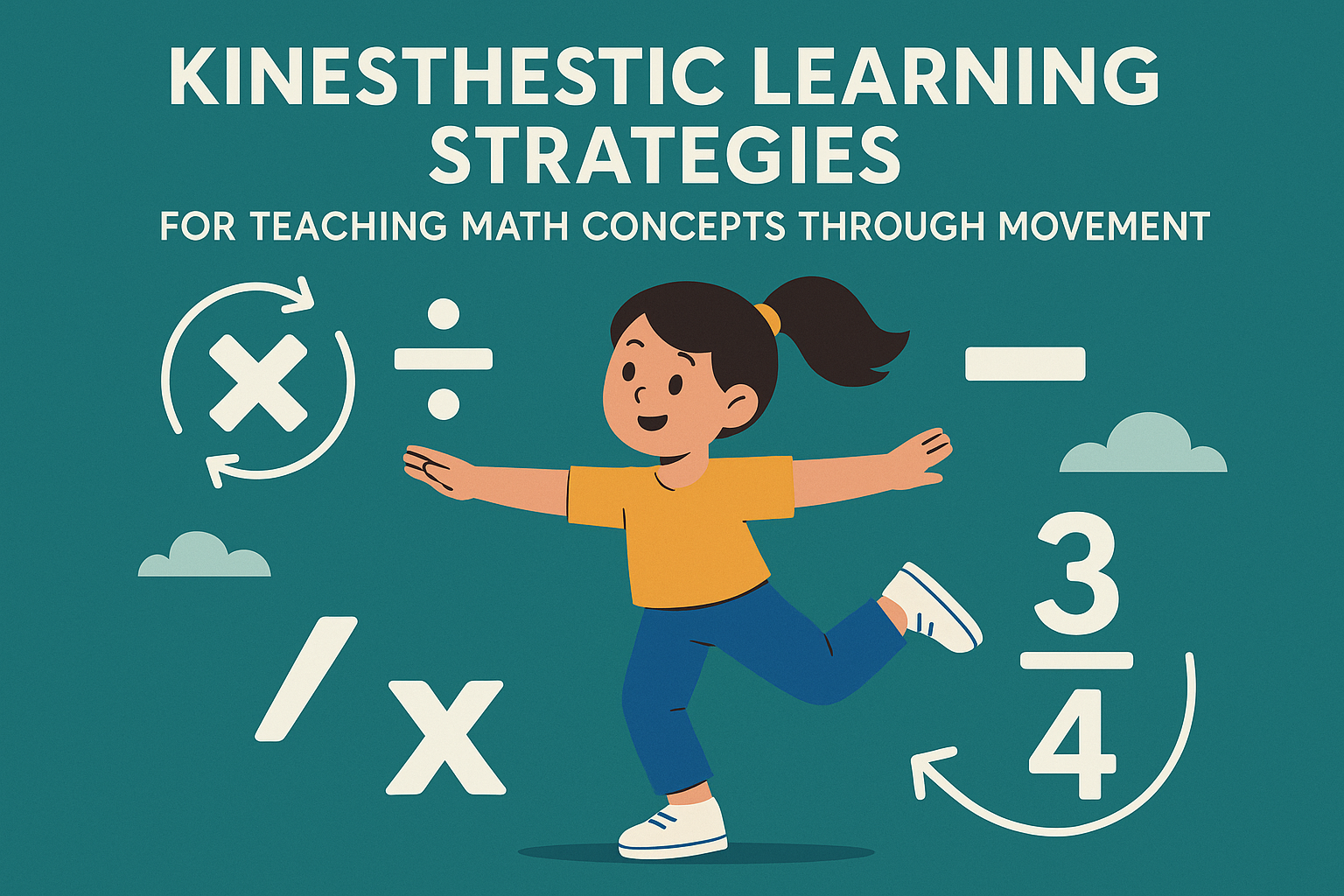
Teaching math can often feel like an uphill battle. Traditional methods may work for some, but many students struggle to engage with abstract concepts. This is where kinesthetic learning strategies come into play. By incorporating movement into math lessons, educators can create dynamic learning environments that cater to varied learning styles.
Understanding Kinesthetic Learning
Kinesthetic learning is a style of learning that emphasizes physical activity as a means of understanding and retaining information. Unlike auditory or visual learners, kinesthetic learners grasp concepts through movement and hands-on experiences. This approach aligns perfectly with math instruction, which often requires students to understand complex relationships and abstract ideas.
Research shows that kinesthetic learning can significantly improve retention rates and engagement levels in students. According to a study published in the Journal of Educational Psychology, students who engage in hands-on learning activities demonstrate greater understanding and recall of mathematical concepts than those who learn through lectures alone.
The Need for Kinesthetic Learning Strategies in Math Education
Math education has traditionally relied on rote memorization and repetitive practice, which may not resonate with all learners. In fact, a significant number of students find math intimidating and disengaging. A report from the National Center for Education Statistics revealed that nearly 60% of students in the U.S. express a dislike for math. This highlights a pressing need for more engaging and effective teaching methods, particularly those employing kinesthetic learning strategies.
Incorporating movement can not only make learning more enjoyable but also help students forge concrete connections to abstract mathematical concepts. For instance, using physical objects to represent numbers can provide a tangible means of understanding addition and subtraction.
7 Effective Kinesthetic Learning Strategies for Math
Below are seven practical kinesthetic learning strategies that educators can adopt to enhance math instruction:
1. Movement-Based Math Games
Games that involve physical movement can be an excellent way to teach math concepts. Activities like math scavenger hunts or relay races can incorporate problem-solving elements. For instance, students could solve math problems at different stations before rushing to the next one. This not only makes learning fun but also encourages teamwork and collaboration.
2. Manipulatives
The use of manipulatives—physical objects that students can touch and move—can help solidify understanding of math concepts. Items like blocks, counters, or even everyday objects (like coins) can represent numbers and operations. For example, using blocks to visualize addition or subtraction can make the processes more tangible.
3. Role-Playing
Integrating role-play into math lessons allows students to embody math concepts. For example, students can act out shopping scenarios to understand budgeting, prices, and money management. By placing themselves in real-world contexts, they can better grasp the relevance of mathematical principles. (See: Kinesthetic learning in the classroom.)
4. Dance and Movement Activities
Incorporating dance or structured movement activities can help reinforce math concepts such as patterns, symmetry, and shapes. For example, students can create a dance sequence that moves through different geometric shapes, reinforcing their understanding of each shape’s properties while enjoying the physical activity.
5. Outdoor Learning
Taking math lessons outside can provide a fresh perspective on mathematical concepts. Teachers might create an outdoor math trail where students can solve problems or explore concepts like geometry through real-life applications (like measuring the height of a tree). This approach encourages exploration and hands-on learning, making math feel relevant.
6. Technology Integration
With the rise of educational technology, interactive apps and games designed for kinesthetic learners can be a fantastic resource. Many educational platforms now include interactive simulations or games that require physical interaction. For instance, students could use tablets or smartboards to manipulate virtual objects, reinforcing their understanding of math concepts.
7. Building and Creating Projects
Hands-on projects are another effective method of teaching math through movement. For instance, students can build structures with measured materials, providing a practical application of geometry and measurement principles. Such activities allow students to see the real-world applications of math, thereby enhancing their understanding.
Benefits of Kinesthetic Learning Strategies
Implementing kinesthetic learning strategies in math education offers various benefits:
- Enhanced Engagement: Physical activities capture students’ attention and make learning more appealing.
- Improved Retention: Movement helps strengthen memory and understanding of concepts.
- Real-World Connections: Kinesthetic activities relate abstract math concepts to real-life scenarios, making them more relevant.
- Boosted Confidence: Students often feel more confident when they can physically demonstrate their understanding.
Beyond the academic advantages, kinesthetic learning fosters a love for learning. When students enjoy their lessons, they’re more likely to pursue further knowledge and skills in math.
Implementing Kinesthetic Strategies in the Classroom
To successfully implement these kinesthetic learning strategies, educators should consider several key factors:
- Set Clear Goals: Before introducing a kinesthetic activity, define the specific math concepts you want to cover.
- Adapt to Student Needs: Recognize that students learn differently; tailor activities to accommodate various learning styles.
- Incorporate Feedback: Engage students in discussions about their experiences to refine and improve activities.
- Encourage Collaboration: Create an environment where students can work together, fostering teamwork and communication.
By paying attention to these elements, educators can create an effective and inclusive classroom environment that promotes active learning.
Challenges and Considerations
While there are clear advantages to using kinesthetic learning strategies, teachers may encounter challenges. For one, not all classrooms are equipped with the space or resources necessary for movement-based activities. Additionally, some educators may feel uncertain about how to effectively integrate movement into their lessons.
To overcome these hurdles, teachers can start small. Begin by incorporating one or two movement-based strategies into existing lessons rather than overhauling entire curriculums. Gradually expanding kinesthetic activities can help establish a routine and demonstrate their effectiveness.
Moreover, collaboration with colleagues can yield valuable insights. Sharing strategies and experiences can bolster confidence and inspire innovative approaches to teaching math through movement. (See: Learning strategies and treatments.)
Current Trends in Kinesthetic Learning
The educational landscape is continuously evolving, and there’s growing interest in kinesthetic learning strategies. Schools are increasingly recognizing the importance of diverse learning styles and the need to make math education more engaging for students.
With the integration of technology, educators can access a plethora of resources designed specifically for kinesthetic learners. Virtual reality (VR) and augmented reality (AR) platforms are emerging as exciting tools that allow students to engage with mathematical concepts in unparalleled ways. This trend signifies a shift toward interactive learning that prioritizes student engagement and understanding.
Case Studies: Successful Implementation
There are numerous success stories from educators who have integrated kinesthetic learning strategies into their math curricula. One notable example is a middle school in California that revamped its math program to include more hands-on activities. By incorporating movement-based instruction, the school reported a 30% increase in students’ math test scores within a year.
Another example comes from a high school in Texas where teachers utilized a series of outdoor math challenges. Students measured the angles of various objects outside and used their findings to calculate real-world applications of geometry. Feedback from students indicated that 85% found math more enjoyable after engaging in these activities.
Statistics Supporting Kinesthetic Learning
Several studies support the effectiveness of kinesthetic learning strategies in enhancing math education. One research study published in the Journal of Experimental Education found that students who participated in kinesthetic activities scored 20% higher on math assessments compared to their peers in traditional learning environments. Additionally, a survey conducted by the American Psychological Association reported that 75% of teachers observed improved engagement among students when incorporating movement into lessons.
Expert Perspectives on Kinesthetic Learning
Many educational experts emphasize the importance of kinesthetic learning strategies in the classroom. Dr. John Hattie, an influential education researcher, highlights that students learn better when they are actively engaged in their learning process. He argues that incorporating movement allows for deeper cognitive processing, which can lead to better academic outcomes.
Similarly, Dr. Barbara Oakley, an educator and author, points out that learning through movement not only aids retention but also stimulates brain activity. She advocates for a multi-modal approach to teaching, where different learning styles are addressed, making it essential for modern educators to adapt their strategies.
Frequently Asked Questions (FAQ)
What are kinesthetic learning strategies?
Kinesthetic learning strategies are teaching methods that involve physical movement as a way to engage students and help them understand and retain information. These strategies can include games, manipulatives, outdoor activities, and more.
How can I identify if a student is a kinesthetic learner?
Kinesthetic learners often show a preference for hands-on activities. They may struggle with traditional lectures, preferring to engage in tasks where they can move around, manipulate objects, or act out scenarios. Observing how a student interacts with different types of activities can help identify their learning style. (See: Study on kinesthetic learning effects.)
Can kinesthetic learning be effective for all subjects, not just math?
Absolutely! While kinesthetic learning strategies are particularly beneficial in subjects like math and science, they can be applied across all disciplines, including language arts, history, and even art. Engaging students through movement can enhance their understanding and retention in various subjects.
How can I start implementing kinesthetic learning strategies in my classroom?
Begin by incorporating simple activities that involve movement, such as math games or outdoor lessons. Observe how your students respond and gradually introduce more complex strategies. Collaborate with colleagues to share effective practices and gather new ideas.
Are there any resources available for kinesthetic learning strategies?
Yes, there are numerous resources available, including educational websites, books, and online courses that focus on kinesthetic teaching methods. Many educational technology platforms also provide interactive tools and apps designed for kinesthetic learners.
What role does assessment play in kinesthetic learning?
Assessment in kinesthetic learning can be multifaceted. Instead of traditional tests, consider formative assessments that gauge understanding through activities. For instance, observe students during a movement-based project to assess their grasp of concepts in real time. These assessments should focus on both the process and the end result, allowing for a comprehensive evaluation of student understanding.
How can parents support kinesthetic learning at home?
Parents can create a supportive environment for kinesthetic learners by incorporating movement into homework and study sessions. Encourage activities that involve hands-on learning, such as cooking, building structures, or exploring nature. Additionally, parents can use educational games that promote math skills while requiring physical participation, making learning fun and engaging at home.
The Future of Math Education
As we look to the future of math education, it’s clear that incorporating kinesthetic learning strategies is essential for creating a more dynamic and inclusive learning environment. By engaging students through movement, we can foster a deeper understanding of math concepts while also nurturing a love for learning. The traditional lecture-based approach is becoming a thing of the past, and educators who embrace these innovative strategies will not only help their students succeed academically but also inspire lifelong learners.
“`
Trending Now
Frequently Asked Questions
What are kinesthetic learning strategies in math?
Kinesthetic learning strategies in math involve incorporating physical activity and movement into lessons to enhance understanding and retention of mathematical concepts. This approach allows students to engage with abstract ideas through hands-on experiences, making learning more interactive and enjoyable.
How can movement help in learning math?
Movement helps in learning math by allowing kinesthetic learners to grasp concepts through physical engagement. Activities such as using manipulatives or acting out math problems can create tangible connections to abstract ideas, improving comprehension and retention.
Why is kinesthetic learning important for math education?
Kinesthetic learning is important for math education because it addresses the diverse learning styles of students. It can improve engagement and retention, particularly for those who find traditional methods ineffective or intimidating, ultimately fostering a more positive attitude towards math.
What are some examples of kinesthetic activities for teaching math?
Examples of kinesthetic activities for teaching math include using physical objects to represent numbers, incorporating movement-based games, and having students walk through math problems. These activities help students visualize and understand concepts like addition, subtraction, and geometry through action.
How does kinesthetic learning improve math retention?
Kinesthetic learning improves math retention by engaging students in active participation. Research shows that hands-on activities enhance understanding and recall of mathematical concepts, leading to better performance compared to traditional lecture-based learning methods.
What’s your take on this? Share your thoughts in the comments below — we read every one.