

“`html
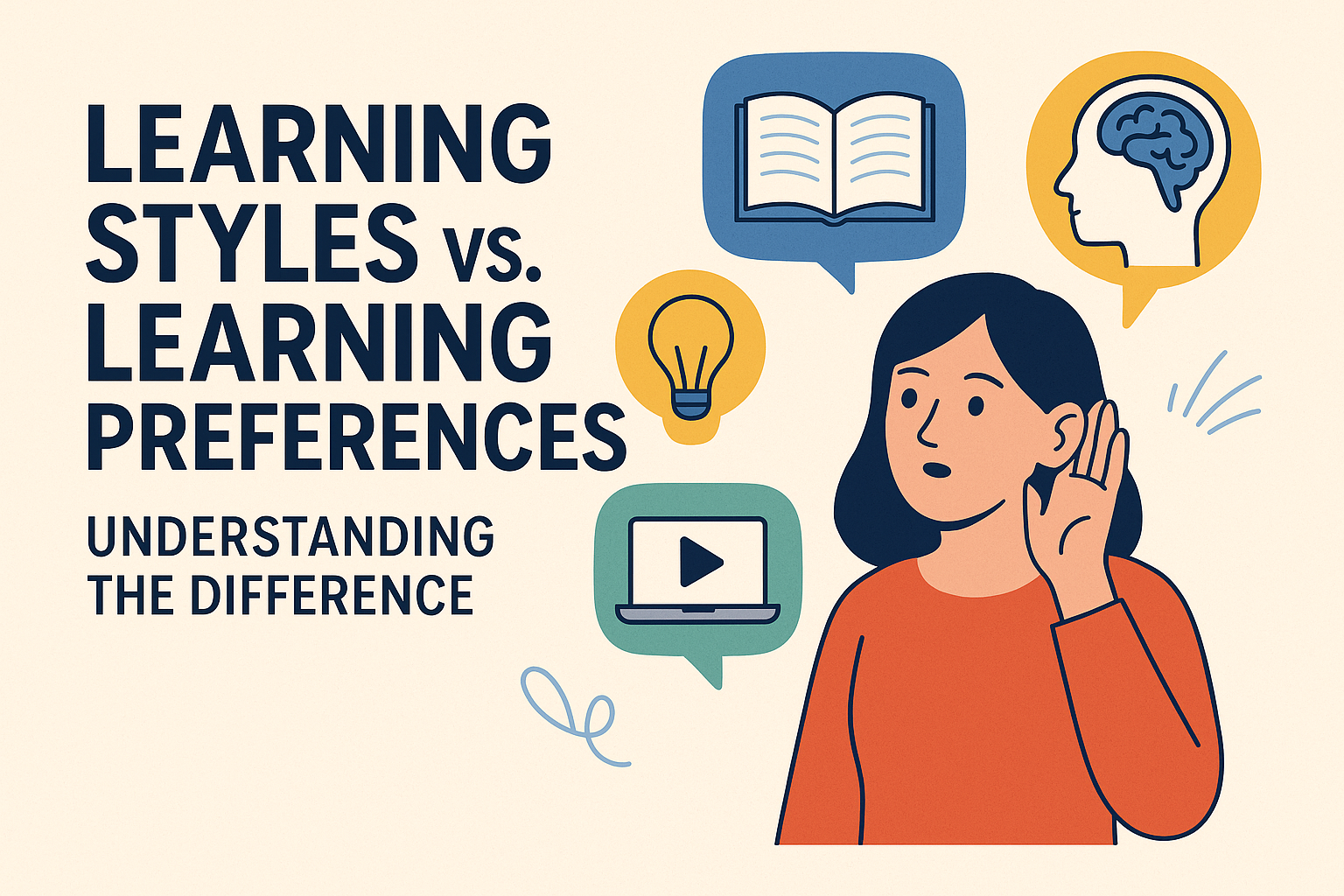
When it comes to education, the terms learning styles and learning preferences often pop up in discussions about how individuals acquire knowledge. While many educators and students may use these terms interchangeably, they represent distinct concepts. Understanding the difference between learning styles vs learning preferences can significantly impact teaching strategies, curriculum design, and even how students approach their studies.
1. Defining Learning Styles
Learning styles refer to the various ways in which individuals prefer to receive and process information. The concept suggests that everyone has a unique style that dictates how they learn best. Common frameworks include the VARK model, which categorizes learners as Visual, Auditory, Reading/Writing, and Kinesthetic. Each category outlines a preferred mode of engaging with information.
For instance, visual learners benefit from diagrams and charts, while auditory learners thrive on discussions and lectures. This perspective has led to a proliferation of resources and tools aimed at tailoring educational experiences to accommodate different learning styles. However, research has raised questions about the efficacy and validity of strictly adhering to these styles in educational settings.
2. Understanding Learning Preferences
On the other hand, learning preferences encompass a broader range of factors influencing how individuals choose to engage with material. This includes personal interests, previous experiences, and environmental contexts. For example, someone might prefer group work over solitary study because they find social interaction enhances their understanding. Related reading: top online master's programs.
Learning preferences can be more fluid than learning styles. They may change based on the subject matter, the learning environment, or even the type of tasks involved. Unlike learning styles, which are often viewed as fixed, preferences are adaptable and can evolve over time. This distinction is crucial for educators who aim to create dynamic learning environments that cater to a wide variety of student needs.
3. The Psychology Behind Learning Styles and Preferences
The roots of learning theories stretch back to the early 20th century when psychologists like Jean Piaget and Lev Vygotsky studied cognitive development. Their work established foundational concepts that influenced educational practices, including the idea that students have unique ways of processing information.
Modern psychology continues to explore these themes. Neuroplasticity, the brain’s ability to reorganize itself, suggests that individuals can develop new skills and learning approaches. This research implies that while someone might lean toward a specific learning style, they are not confined to it. In contrast, learning preferences can shift based on motivation, engagement, and the specific demands of a task.
4. Implications for Educators
Recognizing the distinctions between learning styles vs learning preferences is vital for educators. Implementing one-size-fits-all strategies may not yield the best outcomes. Instead, a more nuanced understanding allows teachers to design lessons that are engaging and effective for diverse learners. (See: CDC on learning and education.)
For instance, an educator might integrate multimedia resources to appeal to visual and auditory learners while also incorporating hands-on activities for kinesthetic learners. This approach caters to various learning preferences, ensuring all students have opportunities to thrive. Furthermore, encouraging students to reflect on their preferences can empower them to take ownership of their learning journey.
5. Real-World Applications of Learning Styles and Preferences
Incorporating knowledge about learning styles and preferences can enhance educational practices across various domains. For example, in corporate training, understanding how employees learn can improve the effectiveness of training programs. By offering a combination of visual presentations, interactive workshops, and written materials, companies can better engage a diverse workforce.
In online education, platforms that adapt to individual learning preferences have gained popularity. These platforms often use algorithms to tailor content delivery based on user interaction patterns. This dynamic approach can enhance the learning experience by accommodating different preferences, resulting in greater retention and comprehension.
6. Criticism and Controversy
Despite the popularity of the learning styles theory, it has faced substantial criticism from researchers and educators. A comprehensive review of over 200 studies found little evidence supporting the idea that teaching strategies tailored to specific learning styles significantly improve learning outcomes. Critics argue that the focus on learning styles can lead to rigid educational practices that may not be in the best interest of students.
Moreover, proponents of a more evidence-based approach suggest that educators should focus on effective instructional practices rather than attempting to fit students into predefined categories. This perspective encourages flexibility in teaching methods, allowing for a more holistic approach that considers individual differences without being confined by the learning styles framework.
7. Future Directions in Education
As educational theories continue to evolve, there is a growing shift towards personalized learning, which incorporates elements of both learning styles and preferences. Technology plays a crucial role in this transition, with educational software and applications designed to respond to individual learners’ needs.
Additionally, there is an emerging focus on developing metacognitive skills. Teaching students to be aware of their learning processes can help them identify what methods work best for them, fostering a more adaptable approach to learning. This emphasis on self-awareness aligns with the idea that while learning styles may exist, learning preferences can be cultivated through active engagement and reflection.
8. Tips for Students to Discover Their Learning Preferences
Students can benefit from understanding their learning preferences and exploring various methods to enhance their educational experience. Here are a few tips for students looking to identify their preferences:
- Experiment with Different Methods: Try various study techniques, such as flashcards, group discussions, or teaching concepts to peers. Notice which approaches resonate most with you.
- Reflect on Past Experiences: Consider past learning experiences. What worked well? What didn’t? Analyzing these moments can provide insights into your preferences.
- Seek Feedback: Engage with teachers or mentors to discuss your learning experiences. Their observations can offer valuable perspectives on how you learn best.
9. Creating a Supportive Learning Environment
Educators play a pivotal role in fostering a supportive learning environment that acknowledges diverse learning preferences. This can be achieved by: (See: research on learning preferences.)
- Encouraging Collaboration: Group work and collaborative projects can cater to social learners while promoting shared knowledge and skill development.
- Offering Choices: Providing students with options for assignments or projects allows them to engage in ways that align with their preferences.
- Providing Feedback: Constructive feedback helps students understand their progress and encourages them to adapt their strategies as needed.
10. Understanding the Spectrum of Learning Preferences
While learning styles are often presented as distinct categories, learning preferences exist on a broader spectrum. This spectrum includes a variety of factors such as the context of learning, emotional state, and environmental conditions. For instance, a student may prefer visual aids in one subject but gravitate towards kinesthetic engagement in another, demonstrating that preferences can be context-dependent. By recognizing this complexity, educators can create a richer, more inclusive curriculum.
11. Statistical Insights into Learning Preferences
Research into learning preferences can provide valuable insights for educators. A survey conducted by the National Training Laboratory found that learners retain:
- 5% of what they hear
- 10% of what they read
- 20% of what they see
- 30% of what they see and hear
- 50% of what they discuss and engage with
- 75% of what they practice and apply
- 90% of what they teach others or use immediately
These statistics underscore the importance of active engagement in the learning process. Incorporating methods that encourage practice and immediate application can lead to improved retention, regardless of individual learning styles.
12. Expert Perspectives on Learning Styles vs Learning Preferences
Educational psychologists and researchers have weighed in on the debate surrounding learning styles vs learning preferences. For instance, Dr. John Hattie, an educational researcher, emphasizes that while students have preferences, the effectiveness of teaching is more about the quality of instruction rather than matching teaching styles to student preferences. He advocates for evidence-based teaching practices that have been shown to enhance learning outcomes broadly.
Dr. Barbara Oakley, an expert on learning and author of “A Mind for Numbers,” suggests that understanding one’s learning preferences can aid in developing better study habits. However, she warns against rigidly defining oneself by a single learning style, advocating instead for a versatile approach that incorporates multiple methods of learning.
13. FAQs about Learning Styles vs Learning Preferences
Here are some common questions regarding learning styles and preferences: This builds on educational system comparison.
What are the main differences between learning styles and learning preferences?
Learning styles are often fixed categories describing how individuals prefer to learn, while learning preferences are more fluid and can change based on context, interest, and subject matter.
Can learning styles change over time?
Yes, learning styles can evolve as individuals are exposed to different teaching methods and learning experiences. Factors such as age, experience, and increased self-awareness can contribute to these changes.
Should educators focus on learning styles or preferences in the classroom?
Educators should consider both but focus on creating adaptable teaching strategies that improve overall engagement and learning outcomes rather than strictly matching teaching methods to specific styles.
How can students leverage their learning preferences to improve their studies?
Students can experiment with various study techniques, reflect on their past learning experiences, and seek feedback from peers and educators to better understand and utilize their learning preferences.
Is there any evidence supporting the effectiveness of learning styles?
While many educators believe in the value of learning styles, scientific studies have generally found insufficient evidence that aligning teaching methods with learning styles significantly improves student learning outcomes.
14. Conclusion: Bridging Learning Styles and Preferences
Ultimately, understanding the differences between learning styles vs learning preferences is crucial for creating effective educational experiences. While learning styles offer insight into how information is processed, learning preferences provide a more dynamic perspective that accounts for individual variability.
Moving forward, educators should focus on developing inclusive strategies that recognize both concepts. By creating adaptable learning environments and encouraging self-awareness among students, we can nurture a love for learning that lasts a lifetime. The goal is not to box students into categories but to empower them to explore their unique learning paths.
“`
Trending Now
Frequently Asked Questions
What is the difference between learning styles and learning preferences?
Learning styles refer to the specific ways individuals prefer to receive and process information, like visual or auditory methods. In contrast, learning preferences encompass a broader range of factors, including personal interests and environmental contexts, which can change over time and are more adaptable.
How do learning styles impact education?
Learning styles can influence teaching strategies and curriculum design by encouraging educators to tailor their approaches to accommodate different ways students prefer to learn. However, the validity of strictly adhering to these styles has been questioned in recent research.
Can learning preferences change over time?
Yes, learning preferences can evolve based on various factors such as the subject matter, learning environment, or specific tasks. Unlike learning styles, which are often viewed as fixed, preferences are more fluid and adaptable.
What are some examples of learning styles?
Common examples of learning styles include the VARK model, which categorizes learners as Visual, Auditory, Reading/Writing, and Kinesthetic. Each style represents a preferred mode of engaging with information, such as visual learners benefiting from diagrams and charts.
Why is it important to understand learning preferences?
Understanding learning preferences is crucial as it helps educators create more effective learning environments and experiences. By recognizing how students engage with material, teaching strategies can be adapted to enhance understanding and retention of knowledge.
Have you experienced this yourself? We’d love to hear your story in the comments.



